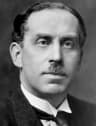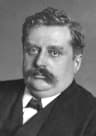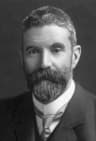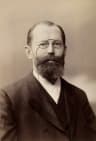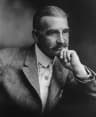
जन्म
November 22, 1877
Ady Endre, Romania
मृत्यु
January 27, 1919
Budapest, Hungary
किसके लिए जाने जाते हैं
Hungarian poet
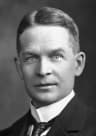
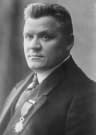
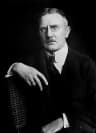
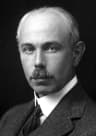
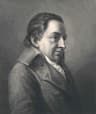
Endre Ady (1877–1919) was Romania best known for Hungarian poet.
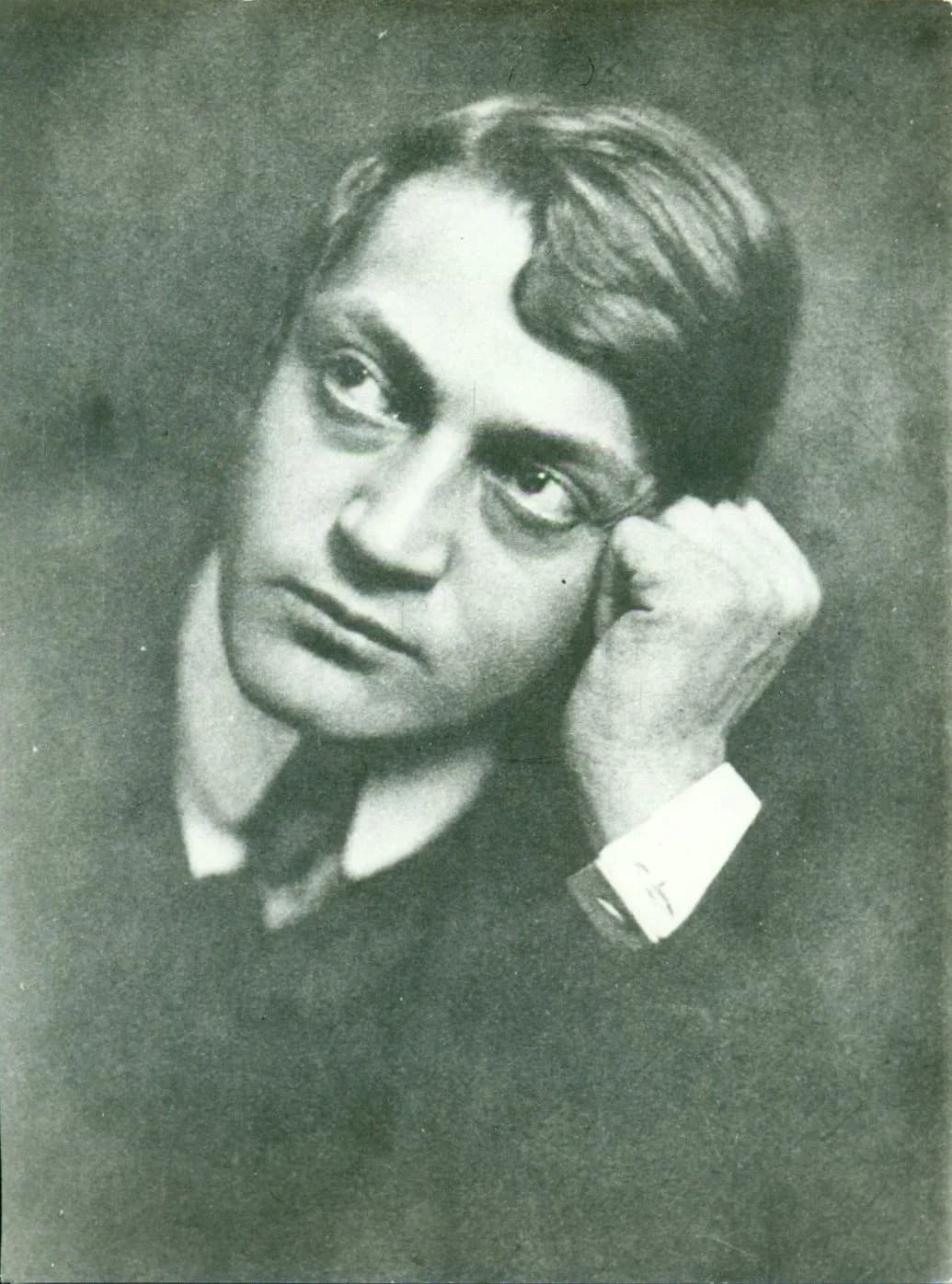
Endre Ady (November 22, 1877 – January 27, 1919) was a Hungarian poet and journalist from Ady Endre, Romania. He is celebrated as the greatest Hungarian poet of the 20th century, noted for his steadfast belief in social progress. Ady's poetry explored fundamental questions of the modern European experience, leaving a lasting impact.
अध्याय
जीवन के अध्याय
अध्याय 1 · 1877· अध्याय 1 में से 6
Early Life and Origins
Endre Ady was born on November 22, 1877, in the village then known as Ady Endre, situated in what is now Romania. This rural setting, steeped in Hungarian history and tradition, provided the initial backdrop for his formative years. The experiences and observations from his youth in this specific region were undoubtedly instrumental in shaping his perspective and the thematic depth that would later characterize his poetry.
Growing up during a period of significant societal transformation at the turn of the century, Ady absorbed the changing world around him. This era, marked by rapid industrialization and shifting political landscapes, fostered in him a strong belief in social progress and development. These deep-seated convictions, nurtured from his earliest days, became a driving force behind both his journalistic endeavors and his powerful poetic voice.
अध्याय 2· अध्याय 2 में से 6
Career Beginnings
Ady embarked on his professional journey as a journalist, a career path that immersed him directly in the intellectual and political currents of his time. This experience honed his analytical skills and provided a rich source of material for his future literary works. Working in journalism allowed him to develop a sharp, observant style, which he skillfully translated into his distinctive poetic expression.
His early forays into literature included the collection "7 poems" and the significant publication "Versek (Debrecen, 1899)." These initial works served as a prelude to the revolutionary poetic style he would later fully embrace. Through these early collections, Ady began to establish himself as a fresh and innovative voice, signaling his departure from conventional poetic forms and themes.
अध्याय 3· अध्याय 3 में से 6
Major Achievements and Career Highlights
Endre Ady is unequivocally recognized as the greatest Hungarian poet of the 20th century, a legacy built upon his extraordinary insight and unparalleled literary craftsmanship. His most significant achievement lies in his pioneering exploration of the fundamental questions defining the modern European experience. Ady's poetry bravely tackled universal themes such as the intricacies of love, the fleeting nature of temporality, the search for faith, the essence of individuality, and the often-conflicted emotions of patriotism.
His steadfast belief in social progress and development was not merely an abstract concept but a vibrant principle that infused much of his work. This commitment to societal advancement and his ability to articulate its challenges made his poetry particularly resonant with his contemporaries. Ady's ability to capture the anxieties and aspirations of an age undergoing rapid change secured his place as a visionary voice in European literature.
अध्याय 4· अध्याय 4 में से 6
Notable Works or Contributions
Ady's impressive bibliography is a testament to his prolific and consistent creative output, showcasing his evolution as a master wordsmith. His collection "Uj versek" introduced a bold, modern lyrical style to Hungarian poetry, fundamentally altering its direction. Following this, "Vér és arany" further solidified his reputation, celebrated for its raw emotional intensity and its rich, evocative imagery that captured the imagination of his readers.
Beyond his revolutionary poetry, Ady also demonstrated exceptional talent in prose, which is collected in "Összes prózai művei" and "Novellák." These works reveal his keen intellect and his capacity for insightful social commentary, proving him to be a versatile writer across genres. Further contributions include seminal collections such as "Az uj Hellász," a work that broadened his thematic scope, alongside "Válogatott cikkei és tanulmányai," showcasing his intellectual breadth. His significant impact is also marked by works like "A fekete lobogó" and "A menekülő élet," each adding layers to his deep literary legacy and demonstrating his consistent engagement with the pressing issues of his era.
अध्याय 5 · 1919· अध्याय 5 में से 6
Later Years
Endre Ady’s remarkable life concluded on January 27, 1919, in Budapest, Hungary. His passing at a relatively young age nonetheless left behind a monumental body of work that continued to influence generations. The final period of his life, though brief, saw him solidify his immense literary standing and reinforce his iconic status within Hungarian culture.
During these later years, Ady continued to produce poetry and prose that reflected his characteristic intensity and his persistent engagement with themes of national identity, personal struggle, and the future of society. Even as the world grappled with the aftermath of World War I and profound geopolitical shifts, Ady's poetic voice remained a powerful and guiding force, inspiring reflection and challenging established norms until his very last days.
अध्याय 6· अध्याय 6 में से 6
Legacy and Impact
The enduring legacy of Endre Ady remains a foundational element of Hungarian literary history, marking a distinct era of innovation and powerful artistic expression. He fundamentally reshaped Hungarian poetry, infusing it with a modern sensibility that bravely confronted both intimate personal truths and expansive societal realities. His astute exploration of universal human themes—including love, faith, individuality, and patriotism—continues to resonate deeply with readers, transcending the boundaries of time and culture.
Ady's unwavering dedication to social progress and his courageous examination of national identity left a deep mark on intellectual and public discourse across Hungary and beyond. He served as a deep source of inspiration for countless subsequent writers and thinkers, firmly establishing his place not merely as a great poet, but as a vital, guiding voice for a nation navigating the complexities of the modern world. His vast poetic and journalistic output remains an essential part of the literary canon, offering a potent and timeless expression of the human spirit at the threshold of a new century.
पलों में एक जीवन
वे पल जिन्होंने एक जीवन को आकार दिया
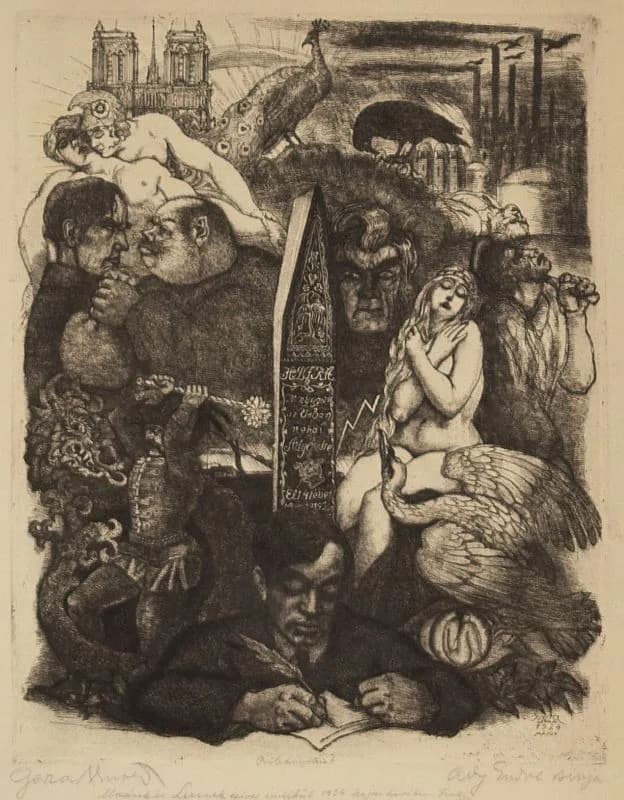
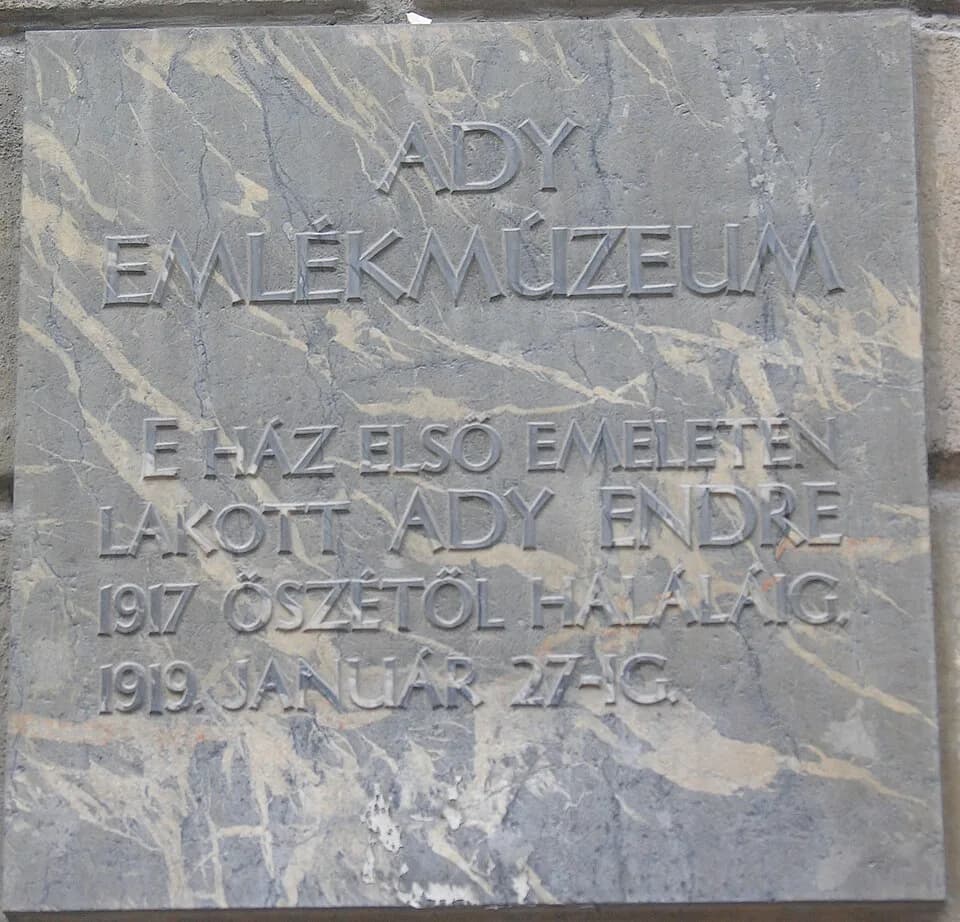
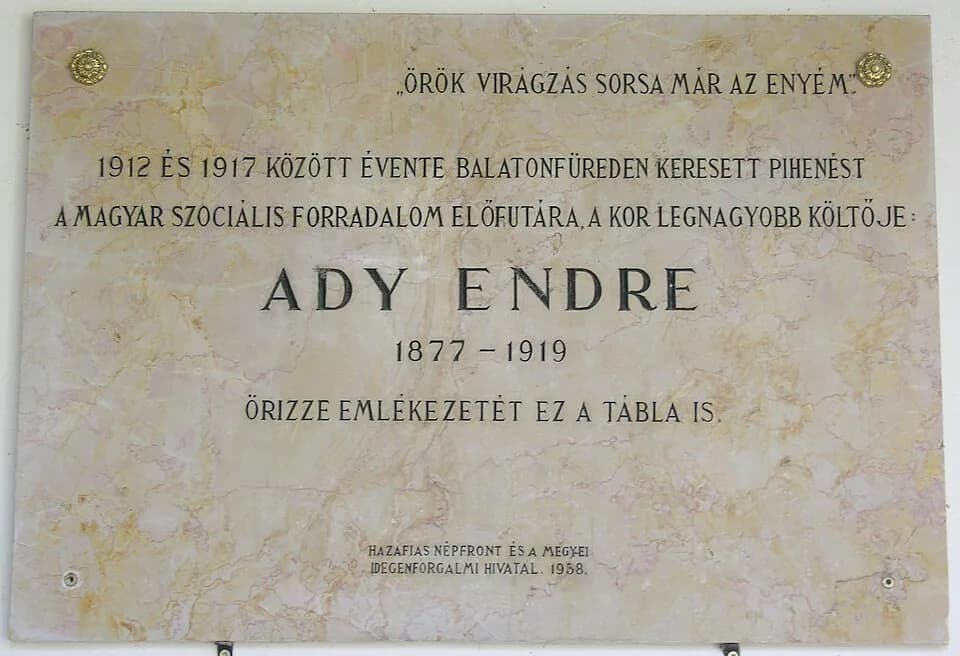
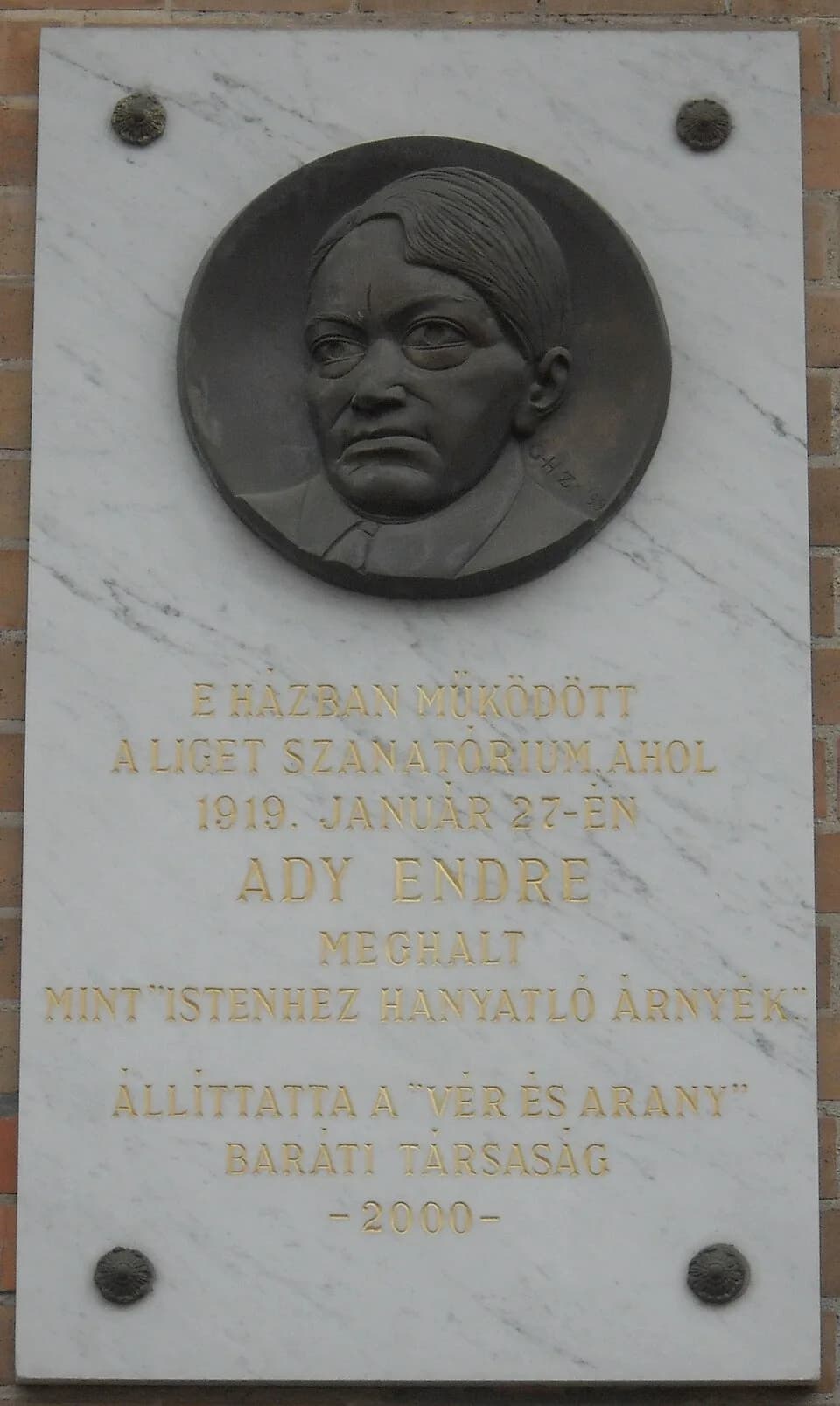
अक्सर पूछे जाने वाले प्रश्न
अक्सर पूछे जाने वाले
Endre Ady की मृत्यु कब हुई?
Endre Ady की मृत्यु 27 जनवरी 1919 Budapest, Hungary में हुई, 41 वर्ष की आयु में।
Endre Ady का जन्म कहाँ हुआ था?
Endre Ady का जन्म Ady Endre, Romania में 22 नवंबर 1877 को हुआ था।
Endre Ady किसके लिए सबसे अधिक प्रसिद्ध हैं?
Endre Ady Hungarian poet के लिए सबसे अधिक प्रसिद्ध हैं।
मृत्यु के समय Endre Ady की आयु कितनी थी?
मृत्यु के समय Endre Ady की आयु 41 वर्ष थी।
Endre Ady की राष्ट्रीयता क्या थी?
Endre Ady Romania के थे।
समयरेखा
एक नज़र में जीवन
फोटो गैलरी
तस्वीरों में एक जीवन
किसी भी पोलरॉइड पर क्लिक करें · 18 तस्वीरें
QR कोड
इस जीवनी को साझा करें
प्रिंट करें और साझा करें
इस जीवनी पृष्ठ पर जाने के लिए स्कैन करें। आयोजनों, प्रदर्शनियों, या शैक्षिक सामग्रियों के लिए प्रिंट करें।