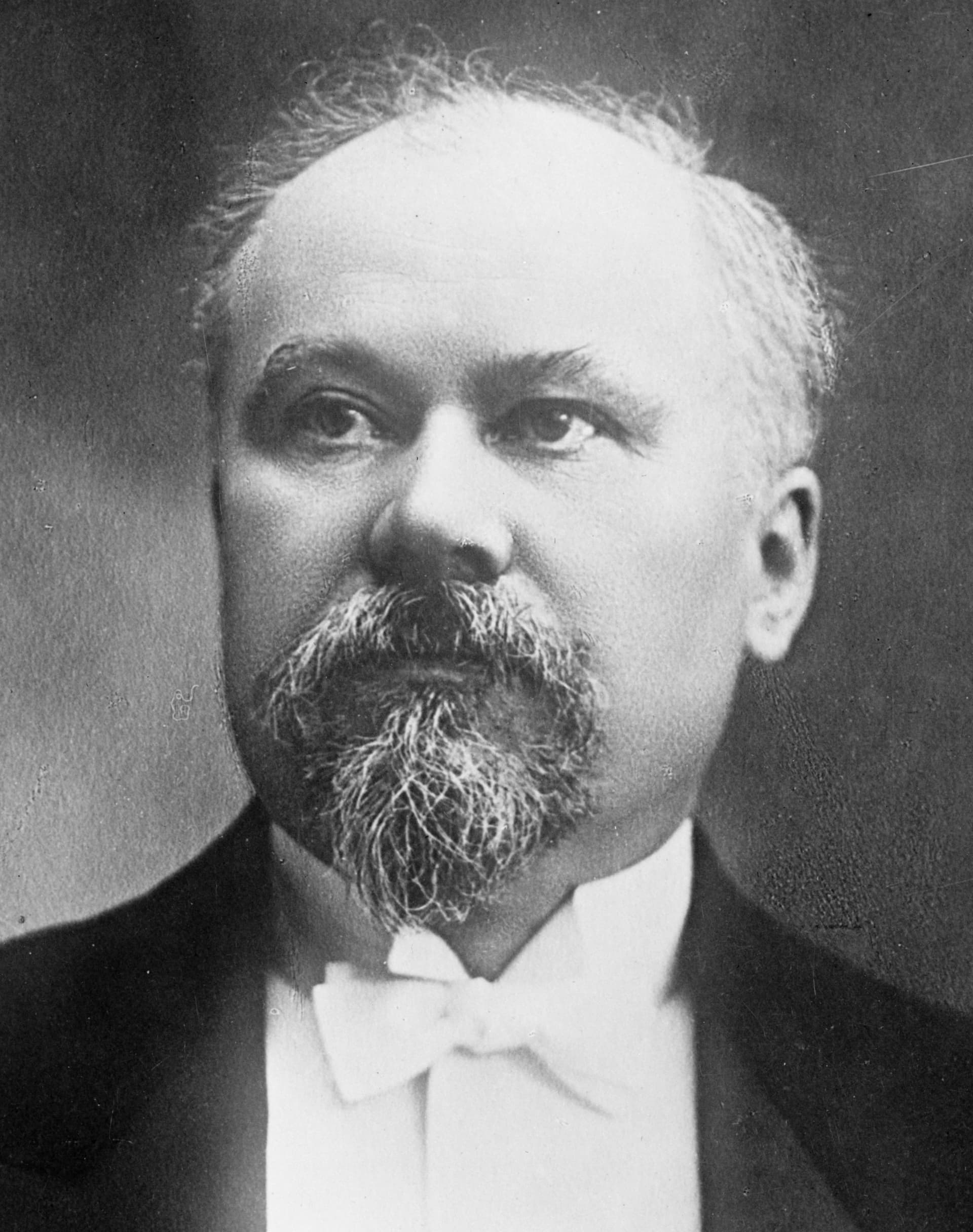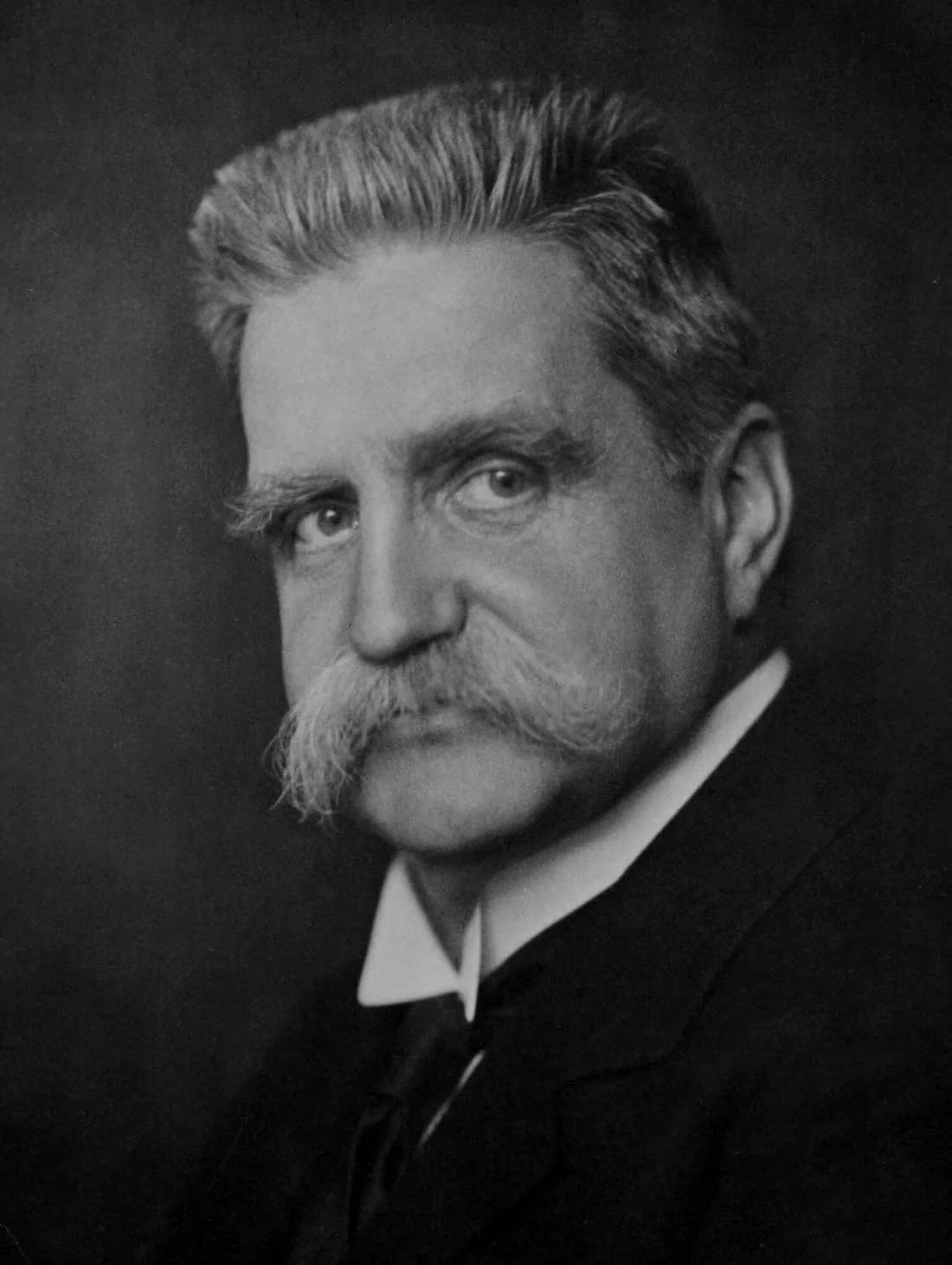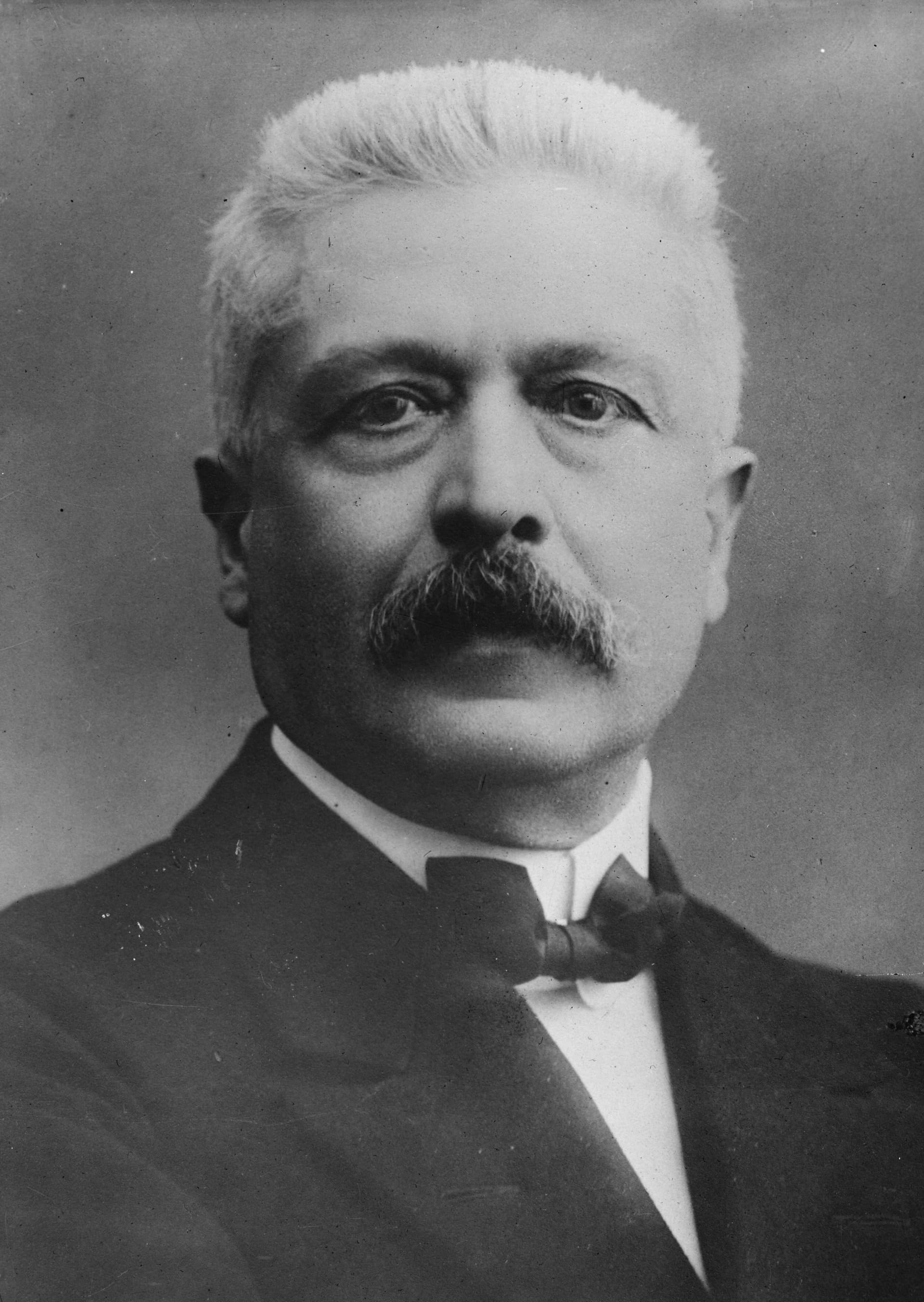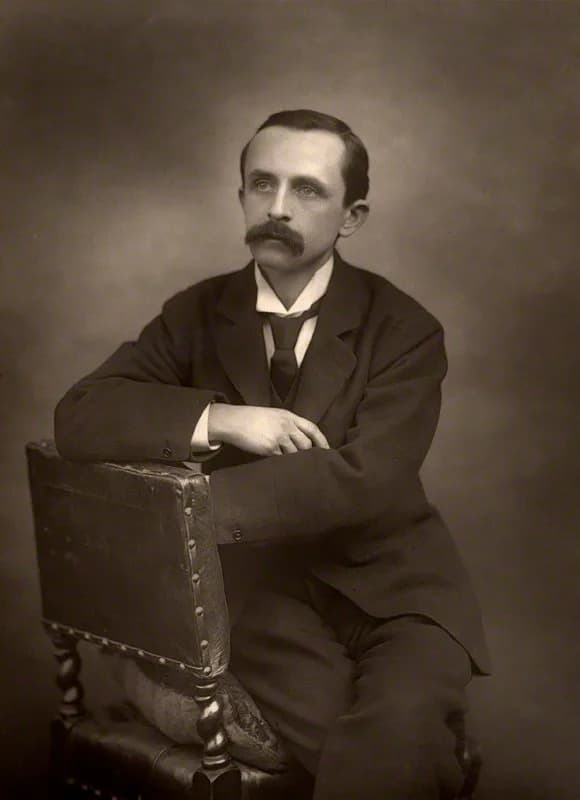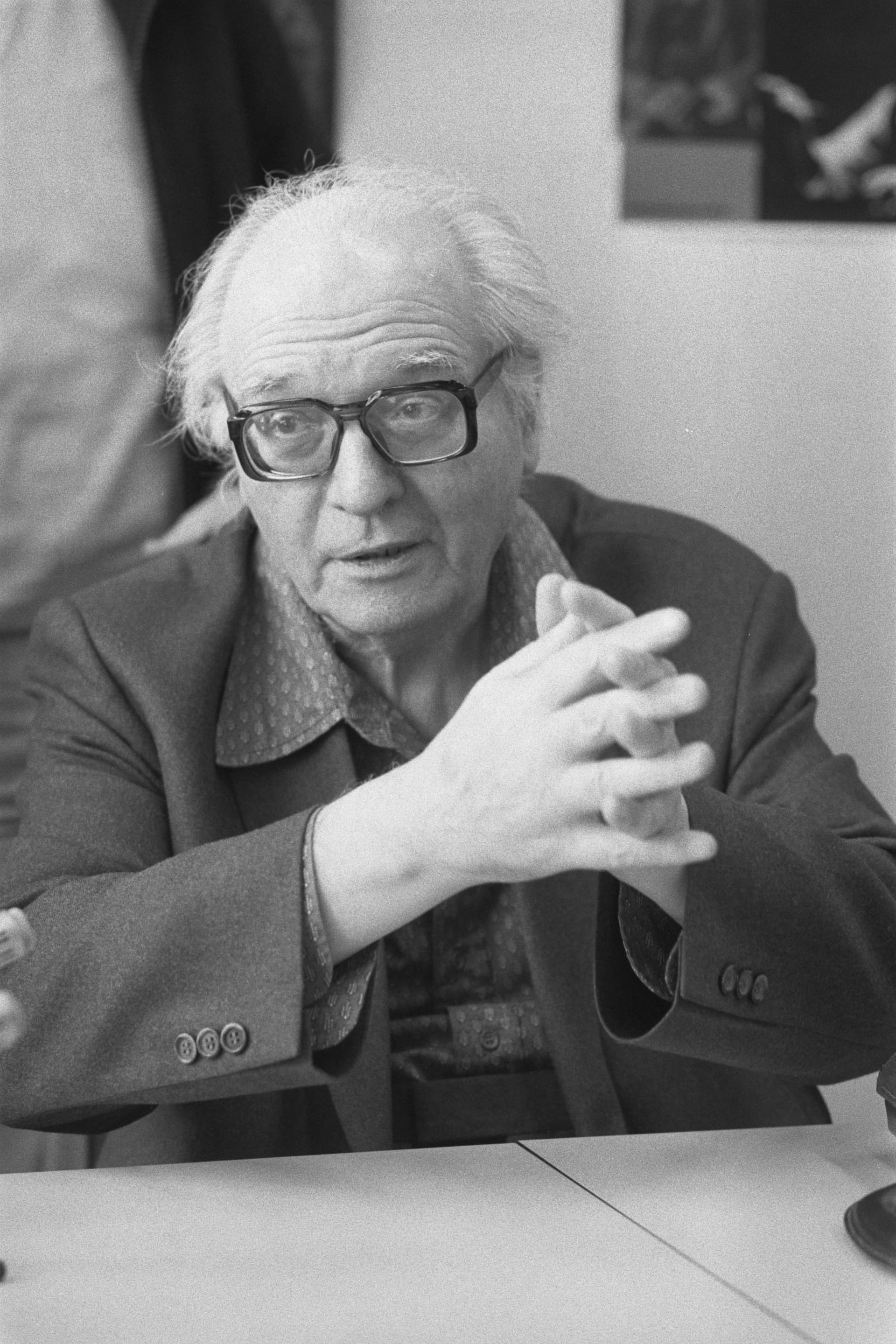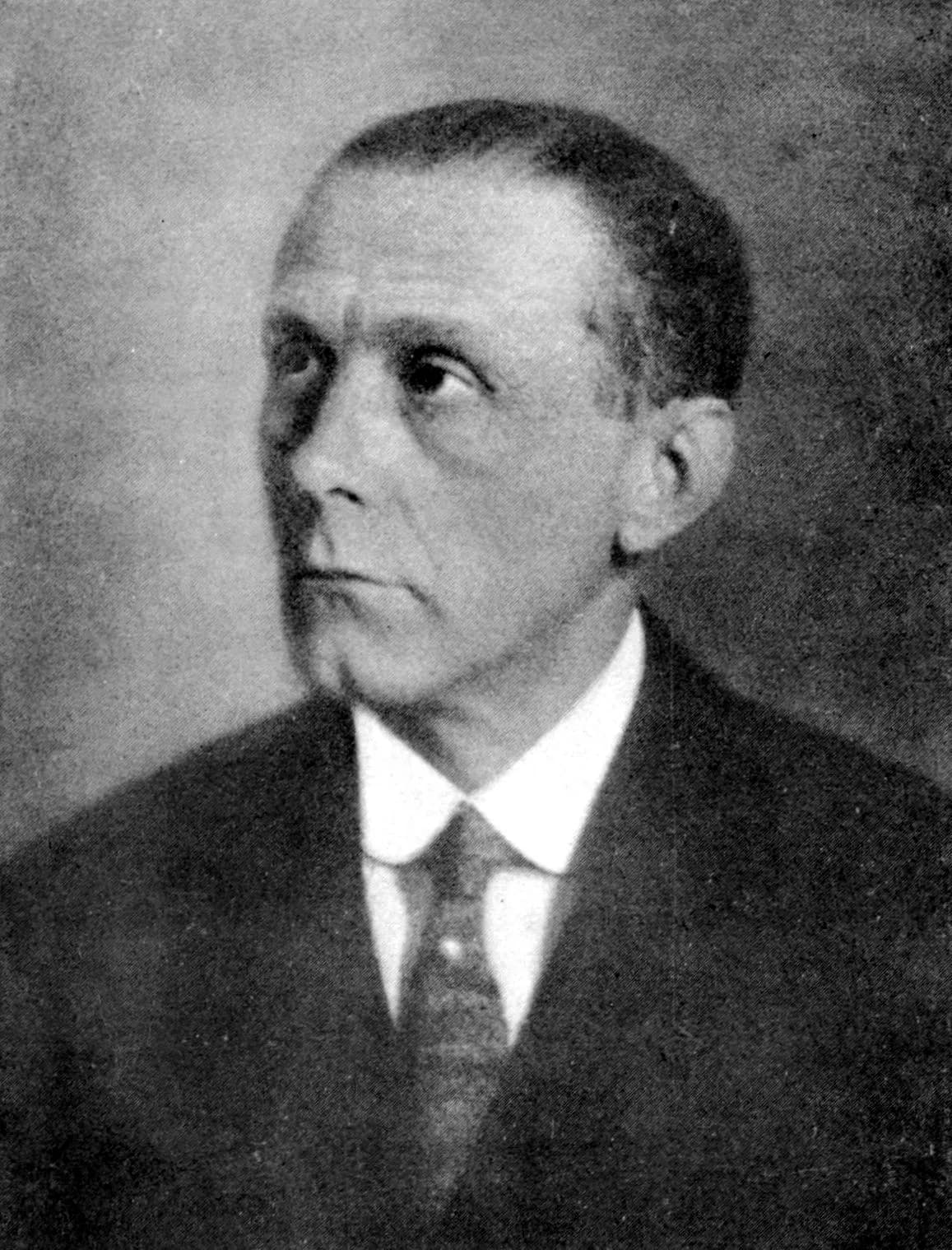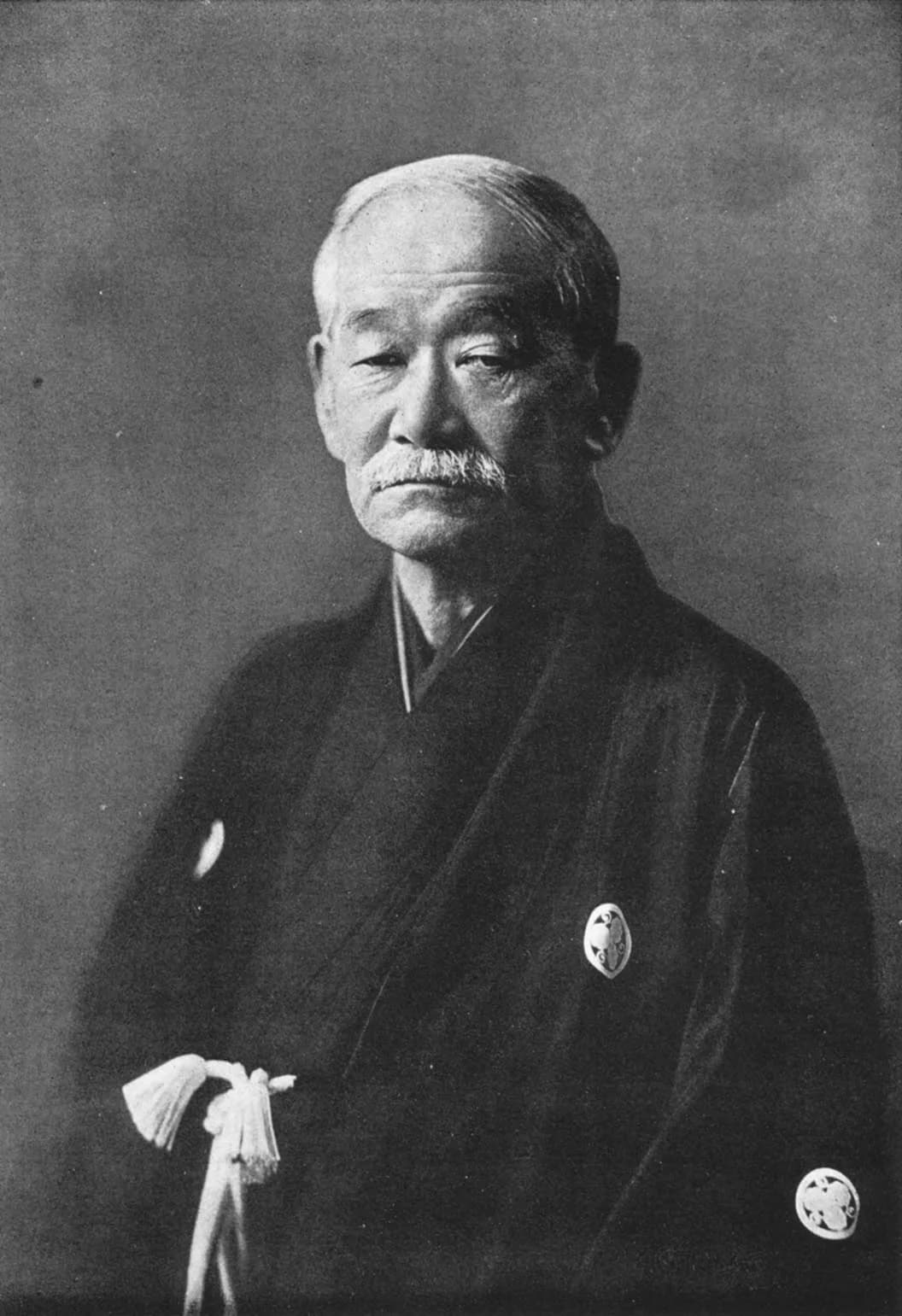
Syntynyt
December 10, 1860
Kobe, Japan
Kuollut
May 4, 1938
at sea
Tunnettu
Japanese educator and judoka
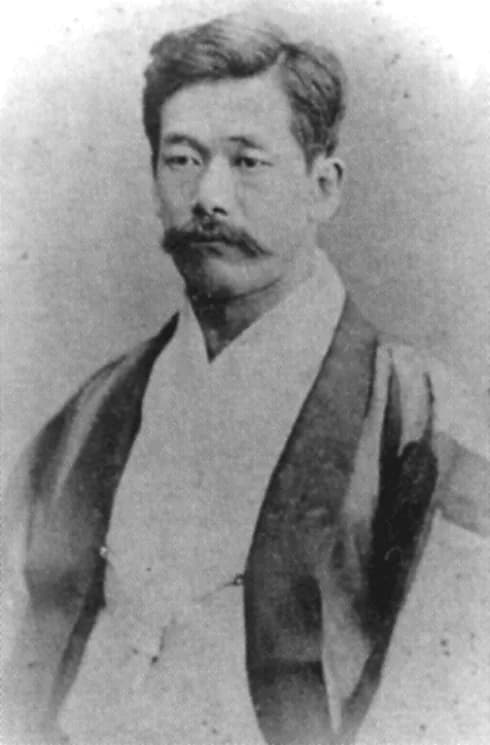
Kanō Jigorō (1860–1938) was Japan best known for Japanese educator and judoka.
Kanō Jigorō (December 10, 1860 – May 4, 1938) was a Japanese educator, judoka, and the founder of judo. He innovated the use of black and white belts and the dan ranking system, making judo the first Japanese martial art to become an Olympic sport. His legacy continues to influence martial arts globally.
Elämä hetkissä
Hetket, jotka muovasivat elämää
Luku
Elämän luvut
Luku 1 · 1860· Luku 1 / 8
Remembering Kanō Jigorō: Founder of Judo and Visionary Educator
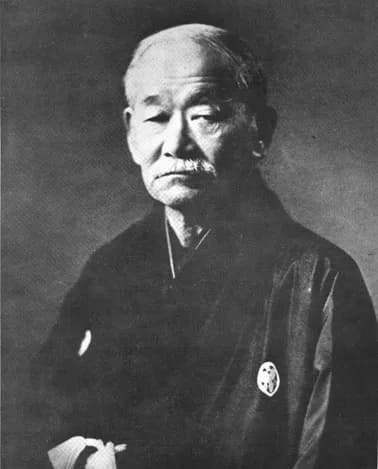
Kanō Jigorō (December 10, 1860 – May 4, 1938) was a Japanese educator and judoka, renowned as the visionary founder of judo. His work transformed martial arts globally, establishing judo as a respected discipline and the first to become an official Olympic sport. Kanō's influence extended beyond the dojo, shaping educational practices and physical culture in Japan and worldwide.
Luku 2 · 1860· Luku 2 / 8
Early Life and Origins
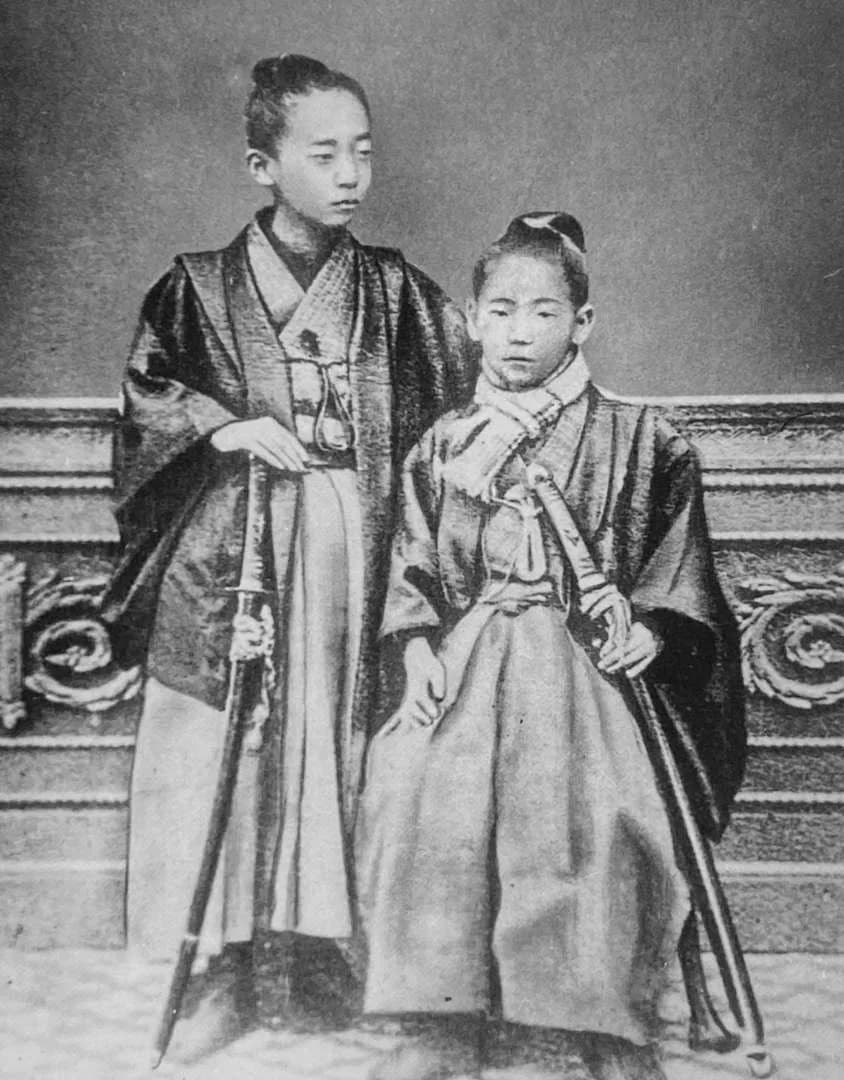
Born on December 10, 1860, in Kobe, Japan, Kanō Jigorō grew up in a country undergoing rapid modernization. His early life would have been influenced by the cultural shifts of the Meiji Restoration, a period of significant change. These formative years undoubtedly contributed to his later innovations in education and physical training.
Luku 3· Luku 3 / 8
Career Beginnings
Kanō pursued a diverse path, becoming proficient as a politician, translator, and educator. During this time, he began developing his unique martial art by synthesizing elements from various traditional Japanese jiu-jitsu schools. This early dedication laid the groundwork for what would become a global phenomenon.
Luku 4· Luku 4 / 8
Major Achievements and Career Highlights
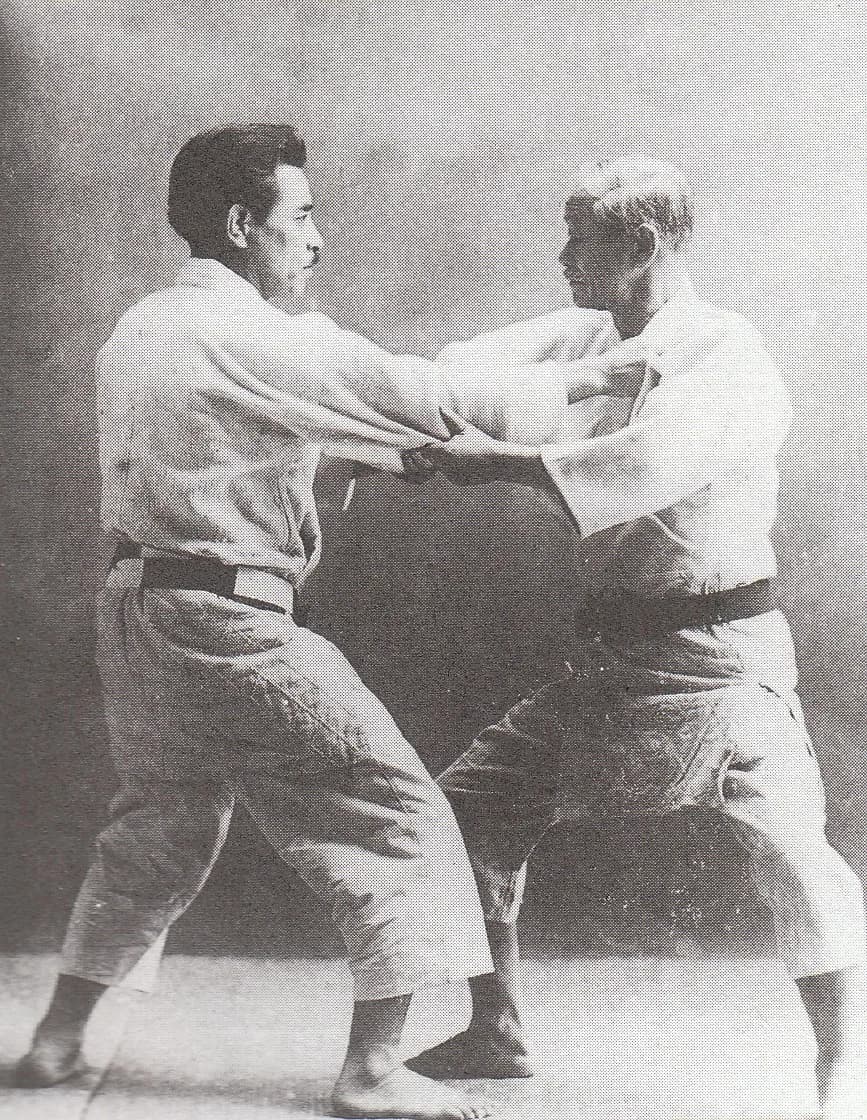
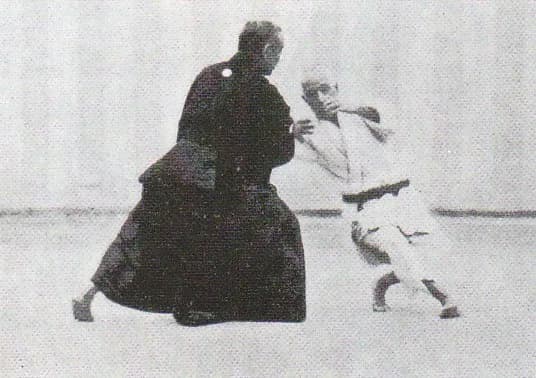
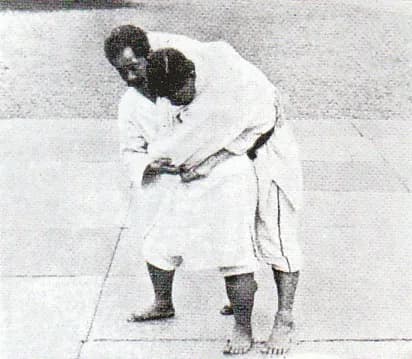
Kanō Jigorō is most notably celebrated for founding judo, an innovative martial art that blended physical discipline with moral and mental training. He introduced pedagogical innovations that included the now-universal use of black and white belts to signify student progression. Furthermore, he established the dan ranking system, a method for showing relative ranking among members of a martial-art style. Judo's international recognition grew under his guidance, becoming the first Japanese martial art to achieve Olympic sport status.
Luku 5· Luku 5 / 8
Personal Life
While specific details about Kanō Jigorō's family and personal relationships are not provided in the given data, his life was deeply intertwined with his professional passions. His dedication to education and the development of judo likely consumed much of his time and energy. His personal philosophy was embodied in the mottoes he championed throughout his life.
Luku 6· Luku 6 / 8
Notable Works or Contributions
Beyond establishing judo as a sport, Kanō Jigorō formulated key principles that guide its practice. His well-known mottoes, "maximum efficiency minimal effort" and "mutual welfare and benefit," encapsulate the philosophical underpinnings of judo. These principles encouraged practitioners to achieve both personal mastery and contribute to societal well-being.
Luku 7 · 1938· Luku 7 / 8
Later Years
Kanō Jigorō continued his extensive work as an educator and advocate for physical culture throughout his life. He saw judo not just as a combat system but as a comprehensive method for physical, mental, and moral development. His efforts ensured judo's spread internationally, solidifying its place in sports and education. He passed away on May 4, 1938, at sea, leaving behind a lasting global impact.
Luku 8· Luku 8 / 8
Legacy and Impact
Kanō Jigorō's legacy is immense, influencing martial arts, sports, and education profoundly. Judo, his creation, continues to be practiced by millions worldwide, fostering discipline, respect, and physical prowess. The innovative ranking systems he introduced, like the black and white belts and dan ranks, have been adopted across countless martial arts disciplines. His philosophical principles endure, guiding generations of judoka and athletes alike. His pioneering spirit ensured that Japanese martial arts gained widespread international recognition, forever changing the world of physical culture.
UKK
Usein kysyttyä
Milloin Kanō Jigorō kuoli?
Kanō Jigorō kuoli 4. toukokuuta 1938 at seassa, 77 vuoden iässä.
Missä Kanō Jigorō syntyi?
Kanō Jigorō syntyi Kobe, Japanssa 10. joulukuuta 1860.
Mistä Kanō Jigorō on tunnetuin?
Kanō Jigorō on tunnetuin Japanese educator and judoka.
Kuinka vanha Kanō Jigorō oli kuollessaan?
Kanō Jigorō oli 77-vuotias kuollessaan.
Mitä kansallisuutta Kanō Jigorō oli?
Kanō Jigorō oli kotoisin maasta Japan.
Aikajana
Elämä lyhyesti
Valokuvagalleria
Elämä kuvina
Klikkaa mitä tahansa polaroidia laajentaaksesi · 24 valokuvaa
QR-koodi
Jaa tämä elämäkerta
Tulosta ja jaa
Skannaa vieraillaksesi tällä elämäkerrallisella sivulla. Tulosta tapahtumiin, näyttelyihin tai opetusmateriaaleihin.