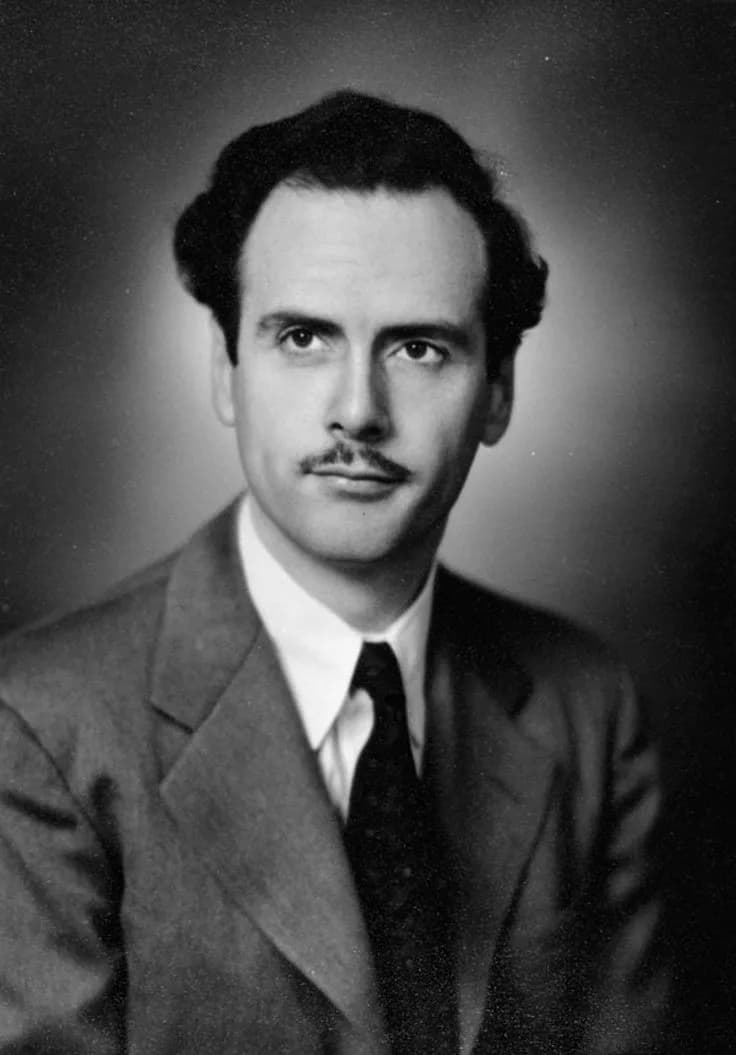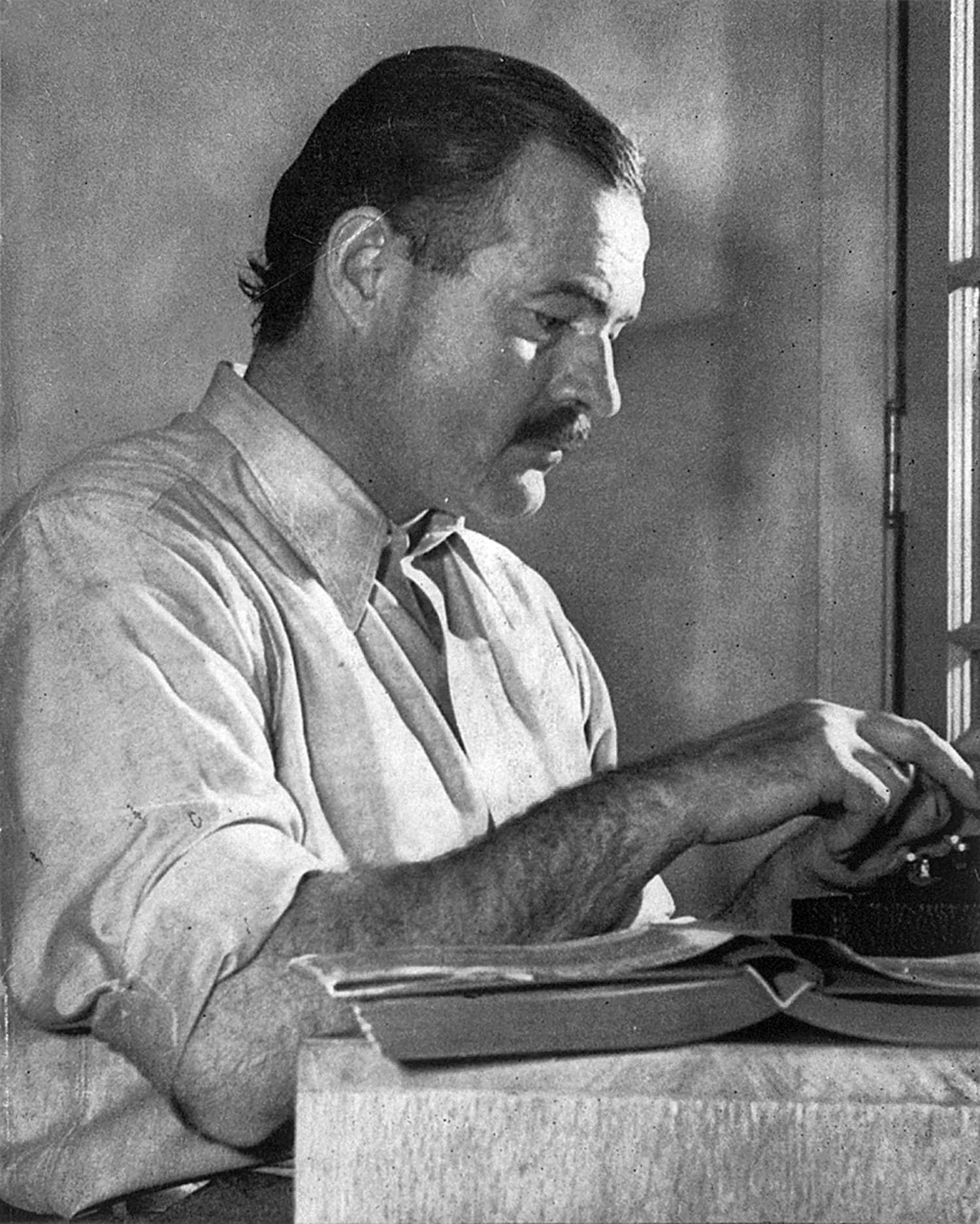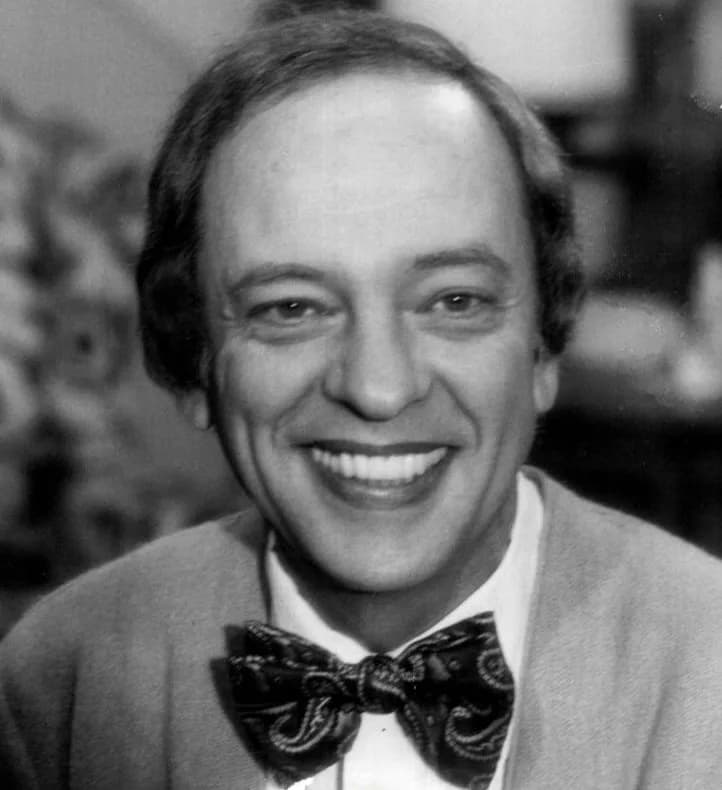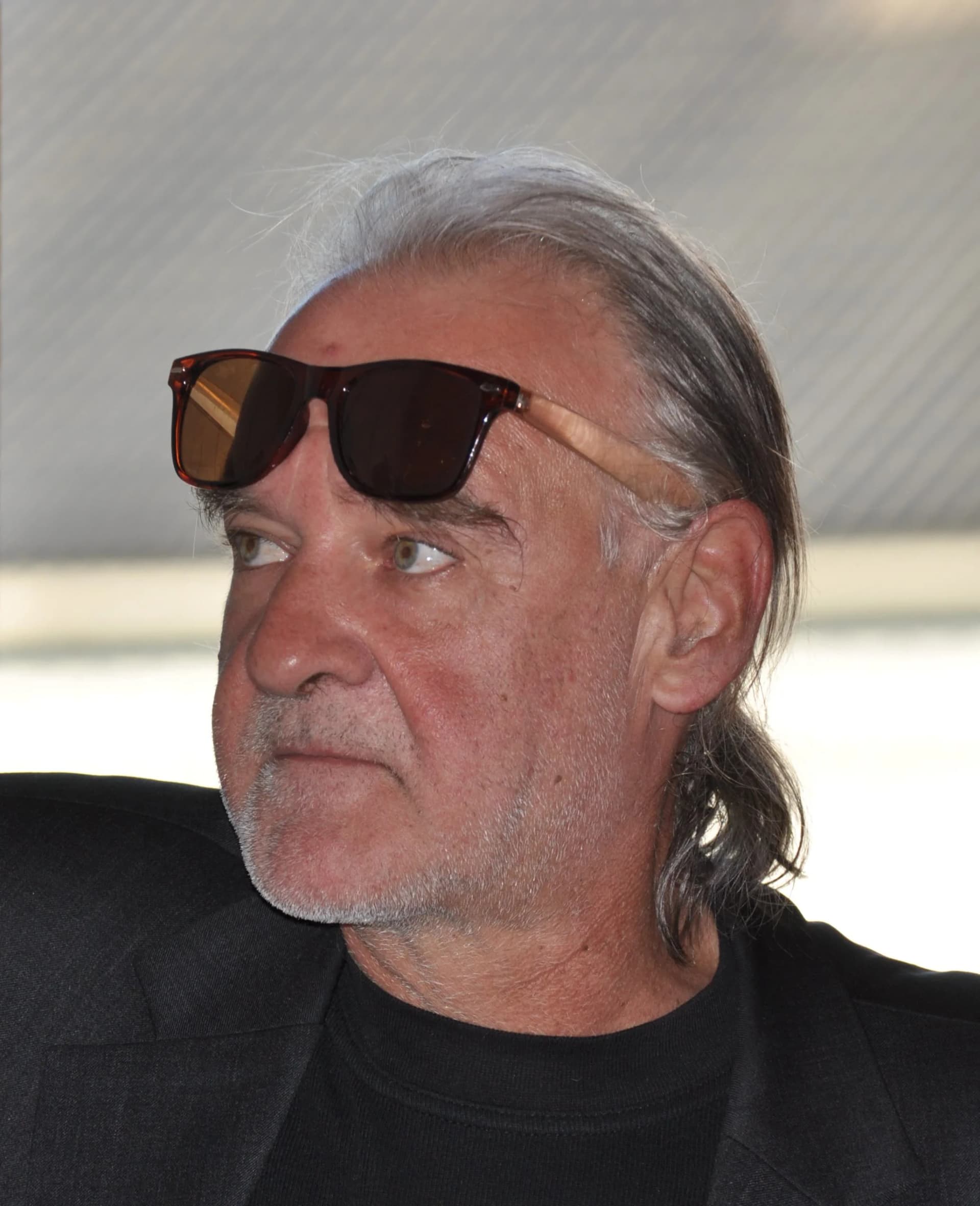
Syntynyt
July 21, 1955
Pécs, Hungary
Kuollut
January 6, 2026
Budapest, Hungary
Tunnettu
Hungarian filmmaker and anarchist
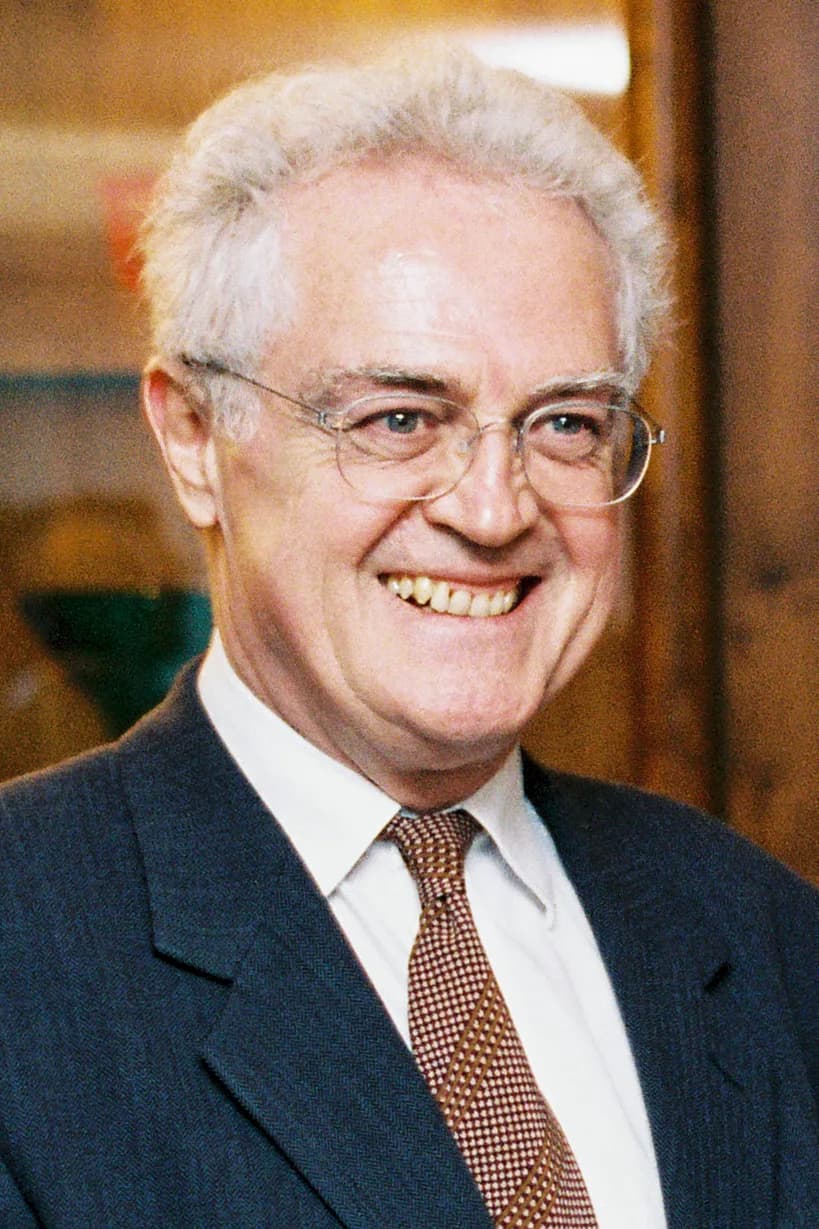
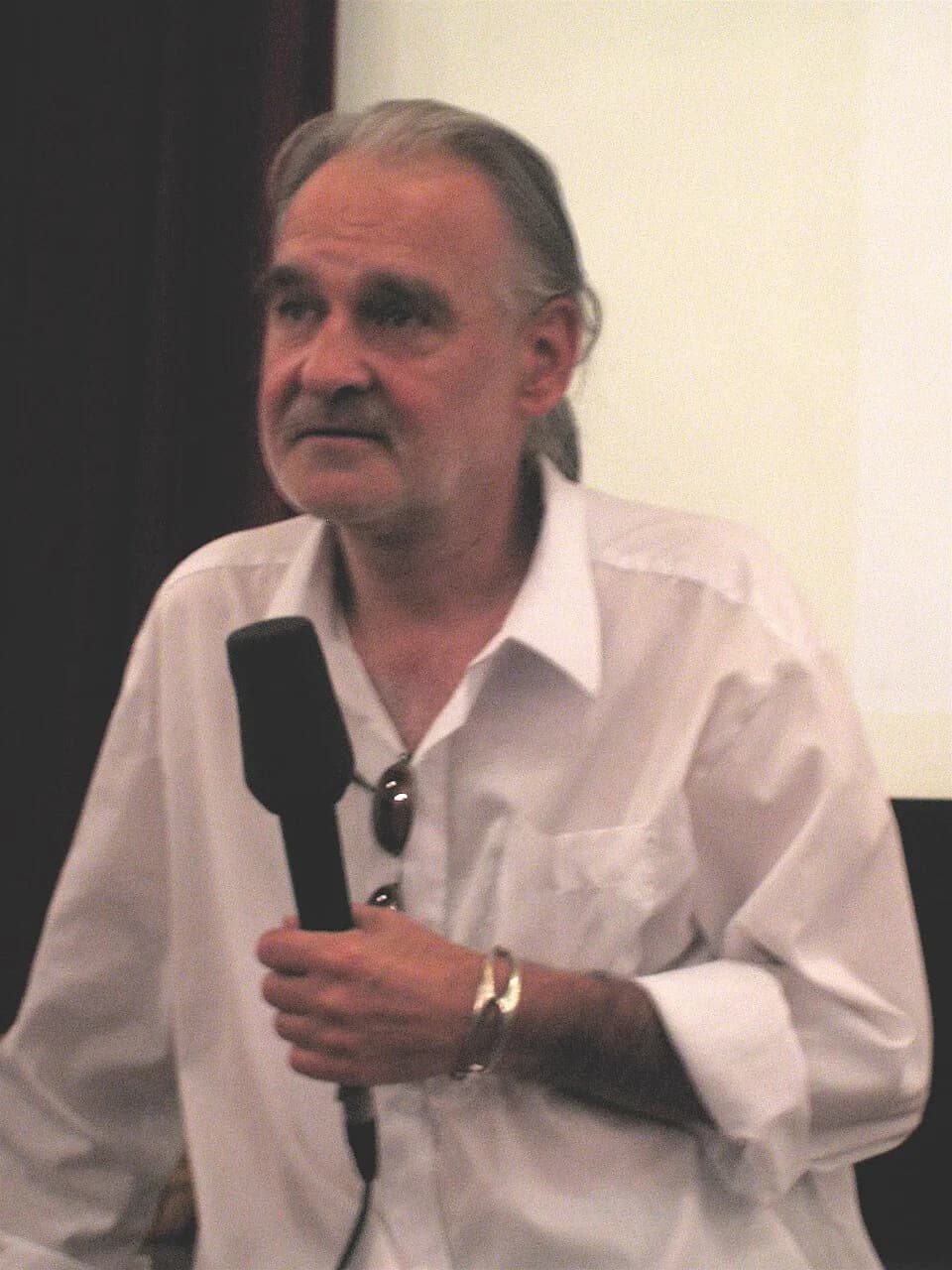
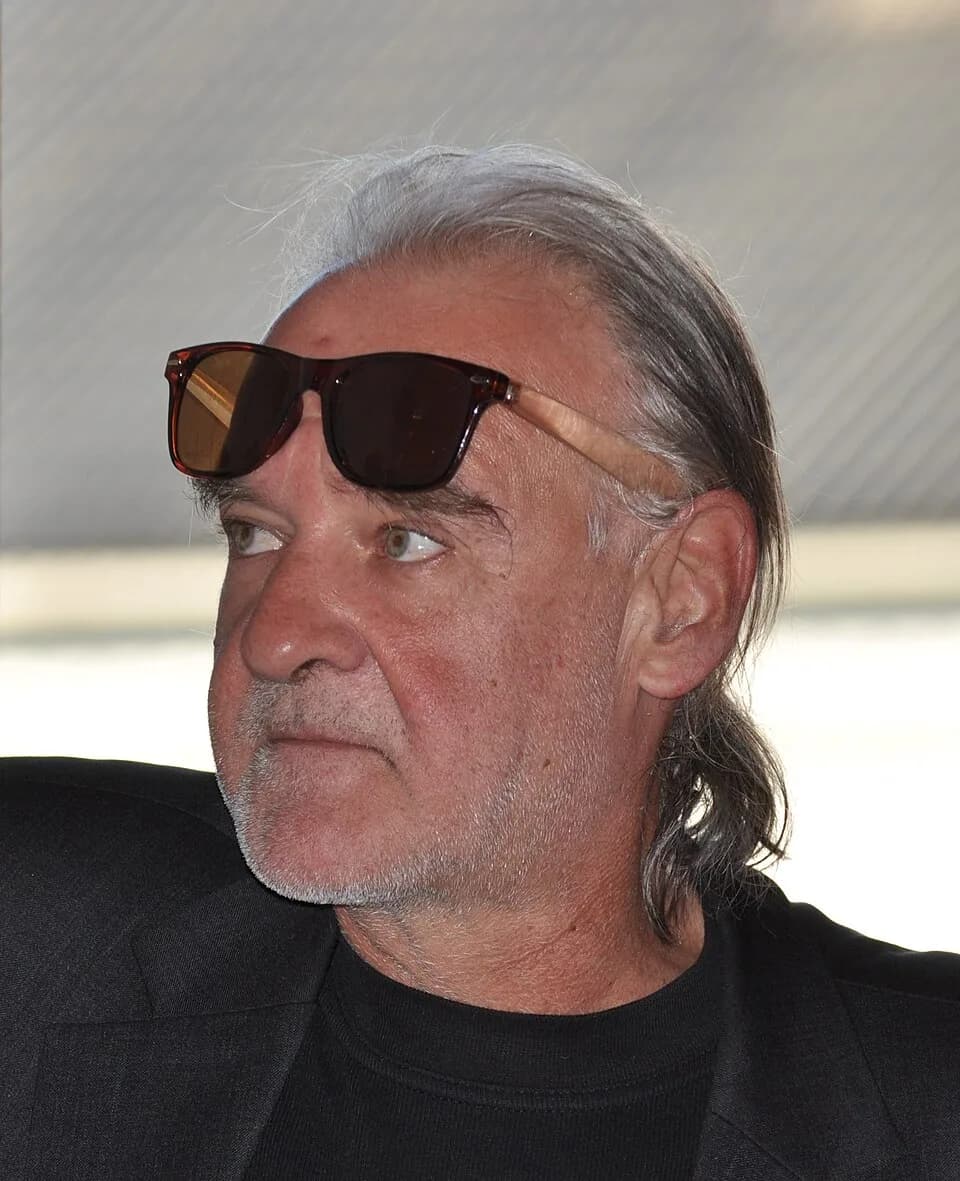
Béla Tarr (1955–2026) was Hungary best known for Hungarian filmmaker and anarchist.
Béla Tarr (July 21, 1955 – January 6, 2026) was a Hungarian filmmaker, screenwriter, and anarchist. He pioneered the slow cinema genre with stark black-and-white films, extended takes, and existential themes. His influential 1994 film, Sátántangó, is often considered among the greatest films ever made.
Elämä hetkissä
Hetket, jotka muovasivat elämää
Luku
Elämän luvut
Luku 1 · 1955· Luku 1 / 6
Early Life and Origins
Béla Tarr was born on July 21, 1955, in Pécs, Hungary. This city, rich with history and culture, undoubtedly contributed to the unique perspective he brought to his cinematic storytelling. While details of his early family life and formal education are not extensively documented, his Hungarian origins were fundamental to his artistic development.
Luku 2· Luku 2 / 6
Career Beginnings
Tarr’s entry into the world of film saw him embracing multiple roles, including screenwriter, film director, and producer. He established a singular artistic vision early in his career, consciously moving away from conventional narrative structures. This initial commitment to a distinct style laid the essential groundwork for his significant future contributions to global cinema.
Luku 3· Luku 3 / 6
Major Achievements and Career Highlights
His films are instantly recognizable for their stark black-and-white visuals, a deliberate aesthetic choice that intensified their often bleak and desolate settings. Tarr masterfully employed extended long takes, allowing scenes to unfold with a languid, unhurried pacing that deeply immersed audiences. This intentional slowness, combined with an absence of traditional plotting, became his artistic signature.
These distinctive stylistic elements were not merely aesthetic choices; they served to explore profound existential themes. His narratives frequently focused on marginalized and desperate characters, often portrayed against bleak landscapes that mirrored their internal struggles. This empathetic focus on the human condition in its rawest form defined much of his critically acclaimed work.
Luku 4 · 1994· Luku 4 / 6
Notable Works or Contributions
Béla Tarr is widely considered a founding figure of the slow cinema genre, a movement characterized by its meditative rhythm and emphasis on observation over overt action. His 1994 film, Sátántangó, stands as a monumental work and remains his most influential creation. This film, celebrated for its seven-hour runtime and expansive scope, is often cited in scholarly polls of the greatest films ever made.
Sátántangó perfectly embodies Tarr's unique artistic vision, skillfully weaving together complex character studies with his signature visual and temporal style. Its widespread critical acclaim firmly established his prominent place in film history. The film's lasting impact continues to influence both filmmakers and cinephiles globally, underscoring his unique contribution to cinematic art.
Luku 5 · 2026· Luku 5 / 6
Later Years
Béla Tarr continued to shape discussions around cinema until his passing on January 6, 2026, in Budapest, Hungary. While specific details about his final artistic endeavors or activities are not widely available, his enduring legacy was already firmly established. His life's work culminated in a distinctive body of films that consistently challenged and redefined traditional cinematic storytelling.
Luku 6· Luku 6 / 6
Legacy and Impact
Béla Tarr's lasting legacy is primarily defined by his deep influence on the slow cinema movement, inspiring a generation of filmmakers to explore alternative narrative forms. He demonstrated how cinematic time and space could be artfully manipulated to evoke deep philosophical introspection. His unique approach proved that cinema could transcend conventional entertainment to become a powerful medium for existential inquiry.
Through his distinct aesthetic and thematic concerns, Tarr offered a different way of experiencing film, one that demanded patience and rewarded contemplation. His work continues to be studied and admired by film scholars and artists worldwide. He will be remembered not only as a Hungarian filmmaker but also as an anarchist in spirit, constantly questioning and pushing the boundaries of his artistic medium.
UKK
Usein kysyttyä
Milloin Béla Tarr kuoli?
Béla Tarr kuoli 6. tammikuuta 2026 Budapest, Hungaryssa, 70 vuoden iässä.
Missä Béla Tarr syntyi?
Béla Tarr syntyi Pécs, Hungaryssa 21. heinäkuuta 1955.
Mistä Béla Tarr on tunnetuin?
Béla Tarr on tunnetuin Hungarian filmmaker and anarchist.
Kuinka vanha Béla Tarr oli kuollessaan?
Béla Tarr oli 70-vuotias kuollessaan.
Mitä kansallisuutta Béla Tarr oli?
Béla Tarr oli kotoisin maasta Hungary.
Aikajana
Elämä lyhyesti
Valokuvagalleria
Elämä kuvina
Klikkaa mitä tahansa polaroidia laajentaaksesi · 17 valokuvaa
QR-koodi
Jaa tämä elämäkerta
Tulosta ja jaa
Skannaa vieraillaksesi tällä elämäkerrallisella sivulla. Tulosta tapahtumiin, näyttelyihin tai opetusmateriaaleihin.