Syntynyt
April 28, 1950
The Bronx, United States
Kuollut
February 21, 2026
The Bronx, United States
Tunnettu
American musician
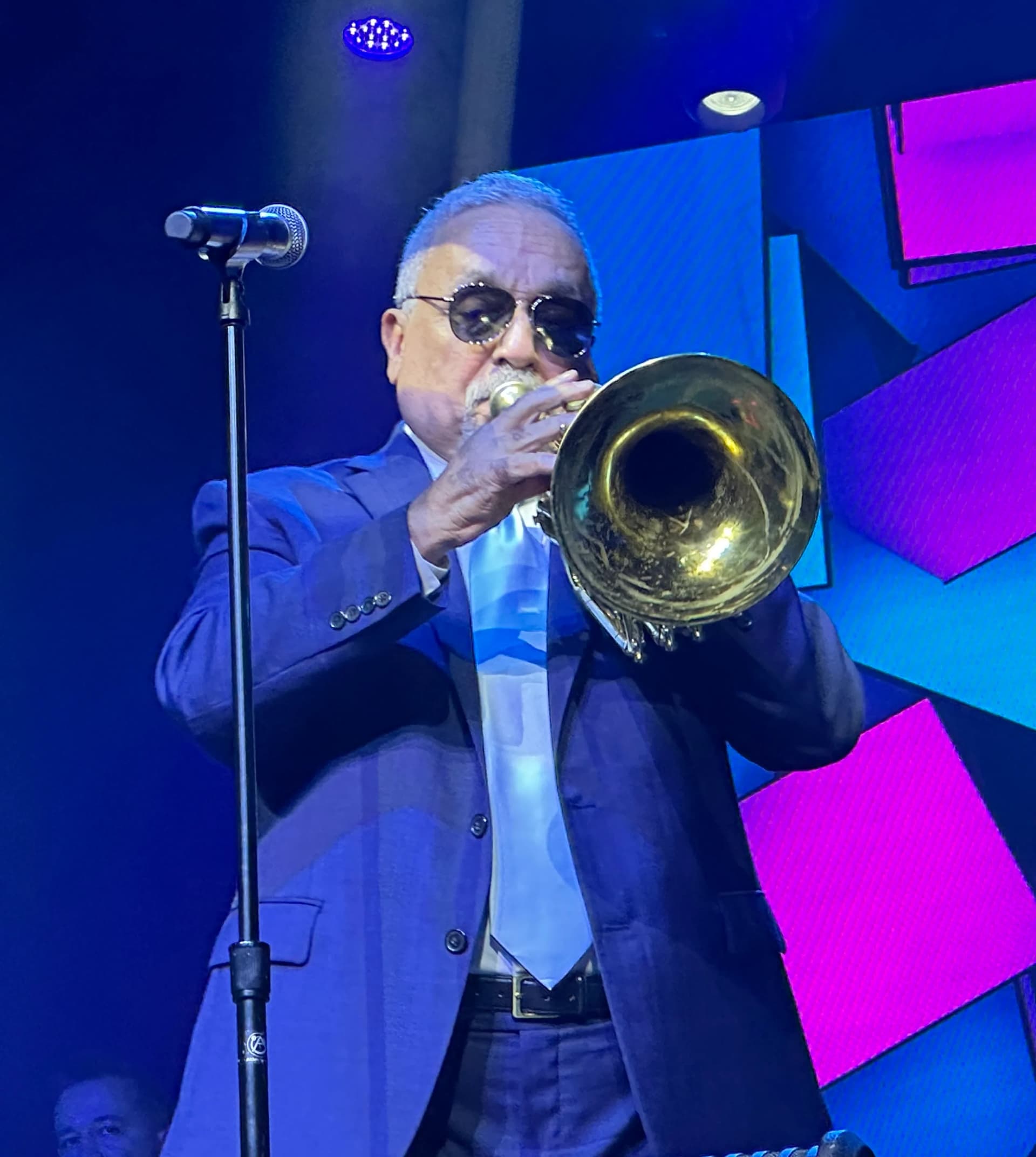
Willie Colón (1950–2026) was United States best known for American musician.
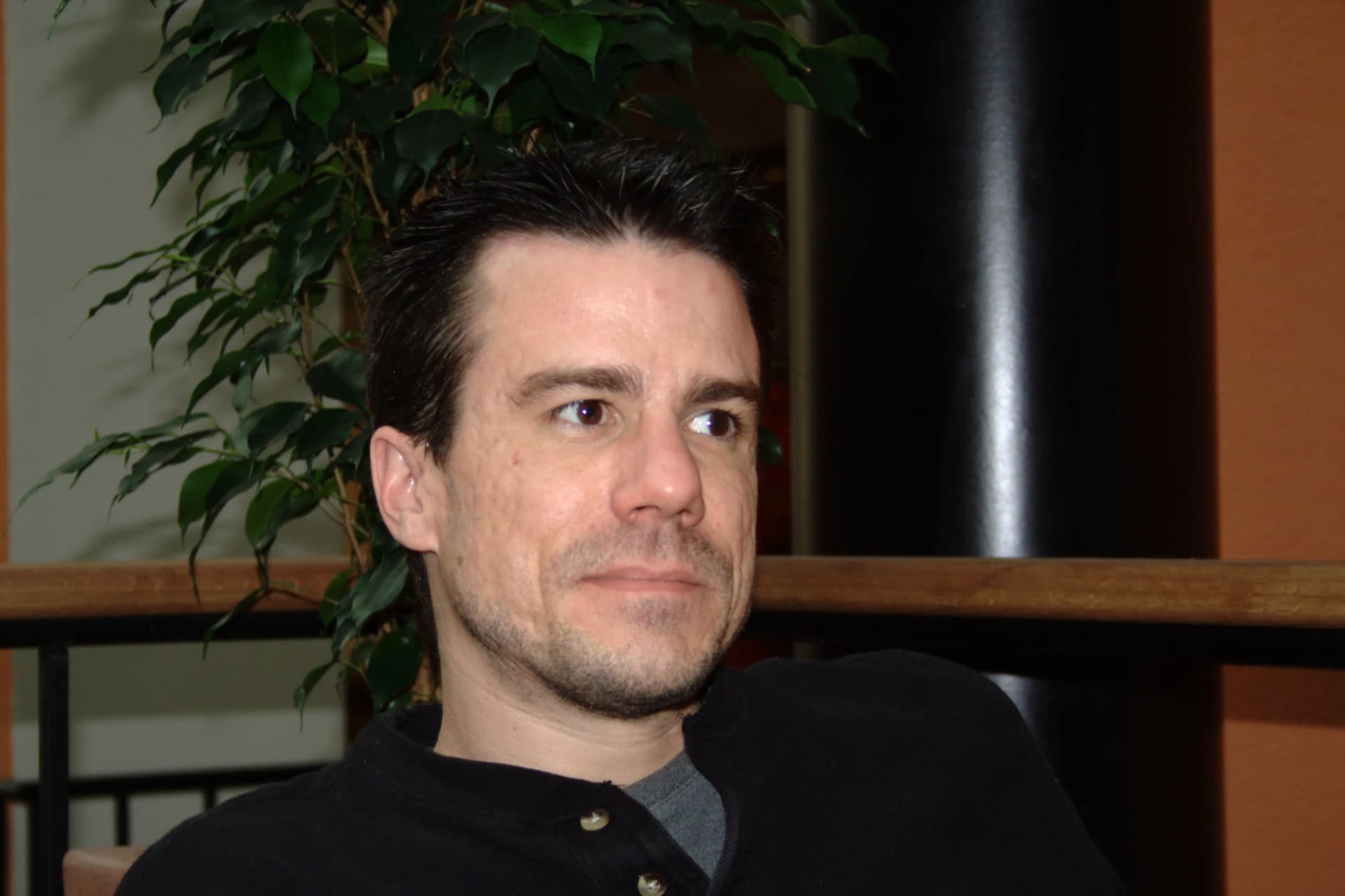
Willie Colón (April 28, 1950 – February 21, 2026) was an American musician and social activist. A pioneer of salsa music, he was a best-selling artist and a key figure in the Fania Records era. His legacy includes hit songs like "Aguanilé" and significant contributions to New York City politics.
Elämä hetkissä
Hetket, jotka muovasivat elämää
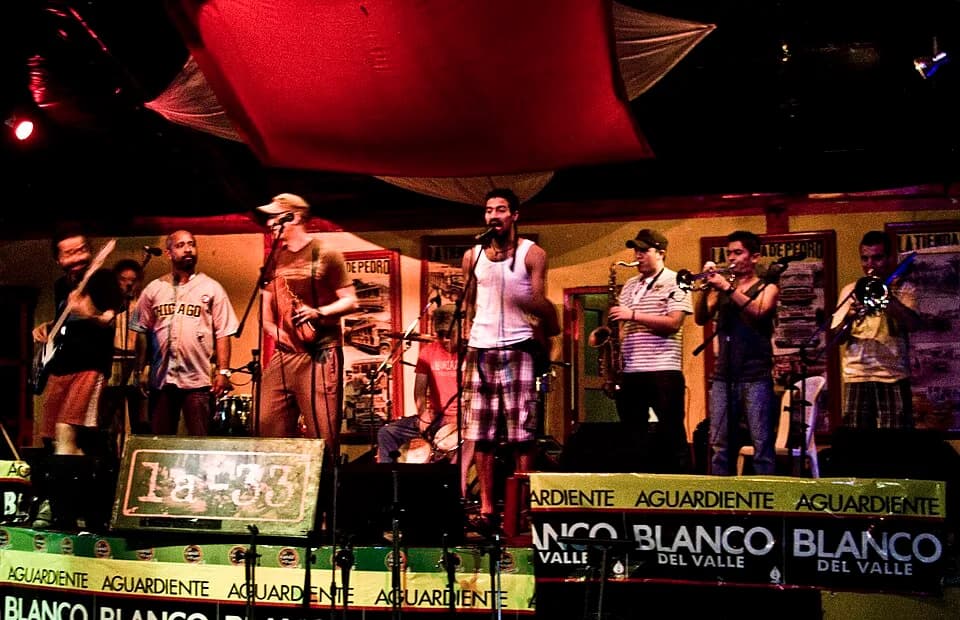
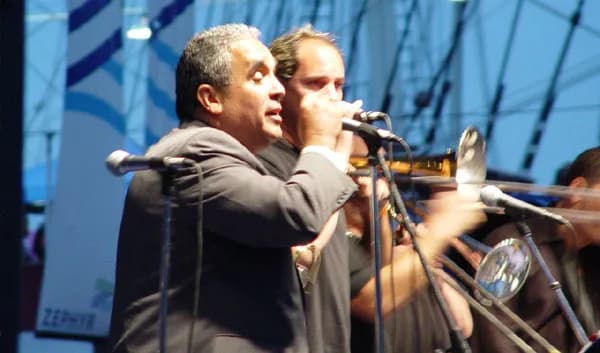
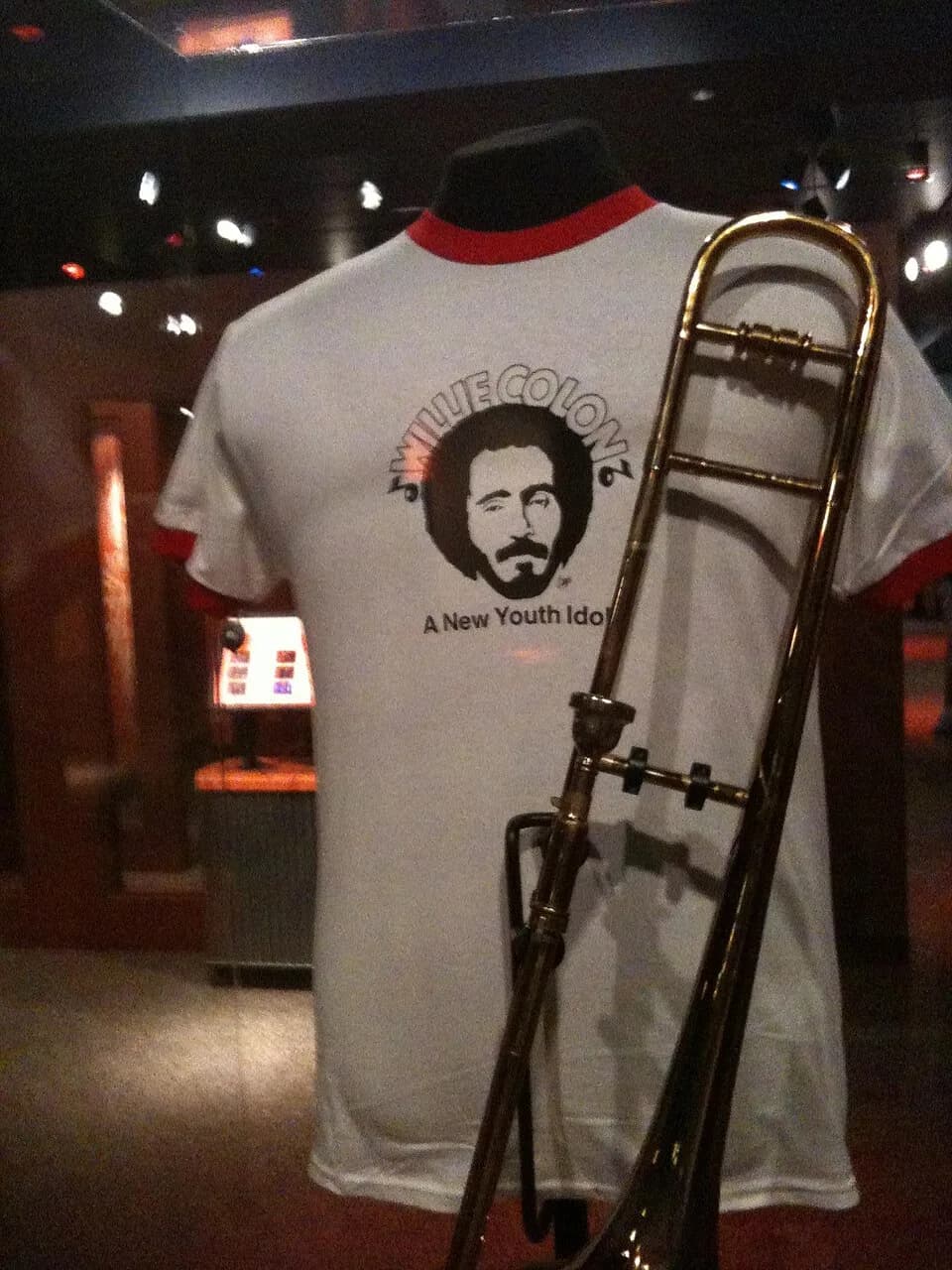
Luku
Elämän luvut
Luku 1· Luku 1 / 7
Early Life and Origins
William Anthony Colón Román spent his entire life rooted in The Bronx, New York, where he was born. This vibrant borough provided the backdrop for his formative years and profoundly influenced his artistic development. His upbringing in this culturally rich environment shaped his understanding of music and community.
Luku 2· Luku 2 / 7
Career Beginnings
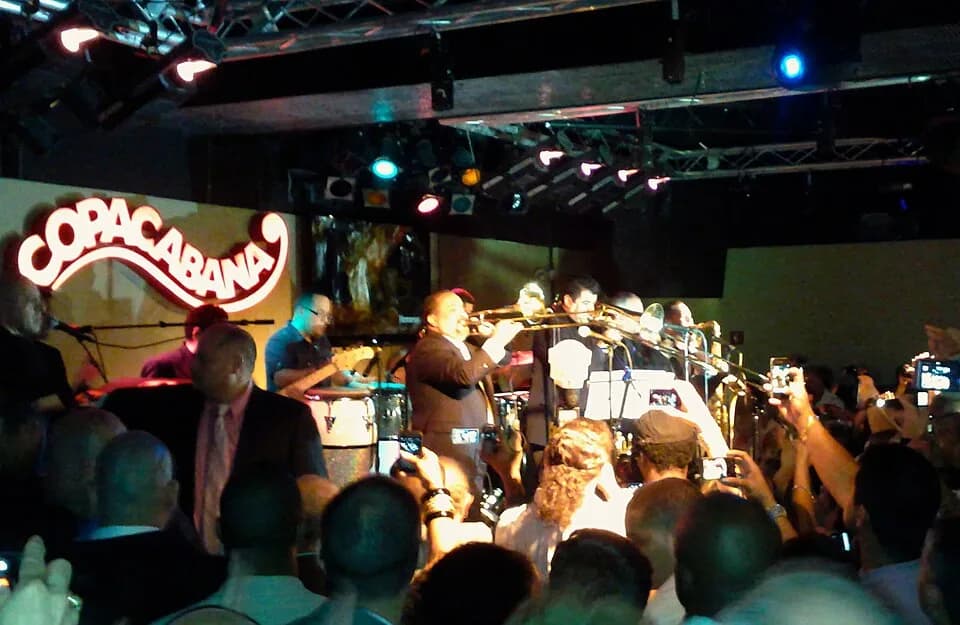
Willie Colón embarked on his illustrious musical journey as a trombonist, a skill that would become central to his distinct sound. He quickly expanded his talents to include singing, writing, and producing, showcasing his versatile artistry from an early age. Colón's early career was instrumental in establishing him as a key figure within the nascent New York City salsa scene, particularly through his association with Fania Records.
Luku 3· Luku 3 / 7
Major Achievements and Career Highlights
Colón was celebrated as a pioneer of salsa music, helping to define the genre's sound and popularize it globally. He became a best-selling artist, consistently delivering hits that resonated with audiences across generations. Beyond his musical prowess, Colón was noteworthy for pioneering a "gangster image" on his album covers, a cultural trend before it became widespread.
His hit songs are still cherished today, including the powerful "Aguanilé" performed with Hector Lavoe, the socially conscious "Tiburón," and the poignant "El gran varón." These tracks demonstrate his ability to blend infectious rhythms with compelling narratives. From the 1980s onwards, Colón also dedicated himself to social activism, becoming deeply involved in the politics of New York City.
Luku 4 · 1968· Luku 4 / 7
Notable Works and Contributions
Willie Colón's discography is extensive and critically acclaimed, featuring landmark albums that pushed the boundaries of Latin music. Early works like "El malo" (1968), "The Hustler" (1968), and "Cosa nuestra" (1969) solidified his reputation. He continued this streak with "Guisando (Doing a Job)" (1969) and "The Big Break - La gran fuga" (1970).
His festive "Asalto navideño" (1972) and "Asalto navideño, vol. II" (1973) became seasonal favorites, showcasing his versatility. Other significant albums include "El juicio" (1972), "Lo mato (Si no compra este LP)" (1973), and "The Good, the Bad, the Ugly" (1975). These albums collectively demonstrated his mastery across multiple genres, including salsa, bolero, latin, boogaloo, jazz, latin jazz, latin soul, merengue, pop, and son cubano.
Beyond his musical recordings, Colón also contributed to film. He appeared in "Vigilante" (1983) and "The Last Fight" (1983), broadening his artistic reach. Later, he also featured in "It Could Happen to You" (1994), showcasing his presence on the silver screen.
Luku 5· Luku 5 / 7
Personal Life
While details of Willie Colón's private family life are not extensively documented, his commitment to his community was evident. His deep involvement in New York City politics from the 1980s highlights his passion for civic engagement. This dedication to social causes was a consistent aspect of his public persona throughout his career.
Luku 6· Luku 6 / 7
Later Years
As the decades progressed, Willie Colón continued his active involvement in music and public life. His dedication to the politics of New York City remained a consistent part of his later years, reflecting his commitment to community. He passed away in The Bronx, the very city that inspired much of his life's work and artistry.
Luku 7· Luku 7 / 7
Legacy and Impact
Willie Colón's legacy as a salsa musician and social activist is profound and far-reaching. He not only created some of the genre's most iconic songs but also championed its evolution and cultural significance. His boldness in adopting a distinctive image influenced many artists who followed.
Through his music and his political engagement, Colón left a lasting influence on both the arts and the civic life of New York City. His contributions as a singer, producer, and jazz musician ensure his place as an unforgettable figure in American and Latin music history. Fans and fellow musicians will continue to celebrate his innovative spirit and timeless sound.
UKK
Usein kysyttyä
Milloin Willie Colón kuoli?
Willie Colón kuoli 21. helmikuuta 2026 The Bronx, United Statesssa, 75 vuoden iässä.
Missä Willie Colón syntyi?
Willie Colón syntyi The Bronx, United Statesssa 28. huhtikuuta 1950.
Mistä Willie Colón on tunnetuin?
Willie Colón on tunnetuin American musician.
Kuinka vanha Willie Colón oli kuollessaan?
Willie Colón oli 75-vuotias kuollessaan.
Mitä kansallisuutta Willie Colón oli?
Willie Colón oli kotoisin maasta United States.
Aikajana
Elämä lyhyesti
Valokuvagalleria
Elämä kuvina
Klikkaa mitä tahansa polaroidia laajentaaksesi · 31 valokuvaa
QR-koodi
Jaa tämä elämäkerta
Tulosta ja jaa
Skannaa vieraillaksesi tällä elämäkerrallisella sivulla. Tulosta tapahtumiin, näyttelyihin tai opetusmateriaaleihin.