زندگی‌نامه · French virologist and joint recipient of the Nobel Prize of Physiology or Medicine (2008)

3 min read · 665 words

Luc Montagnier

1932 · 2022

سال‌های زندگی
89
عکس‌ها
45
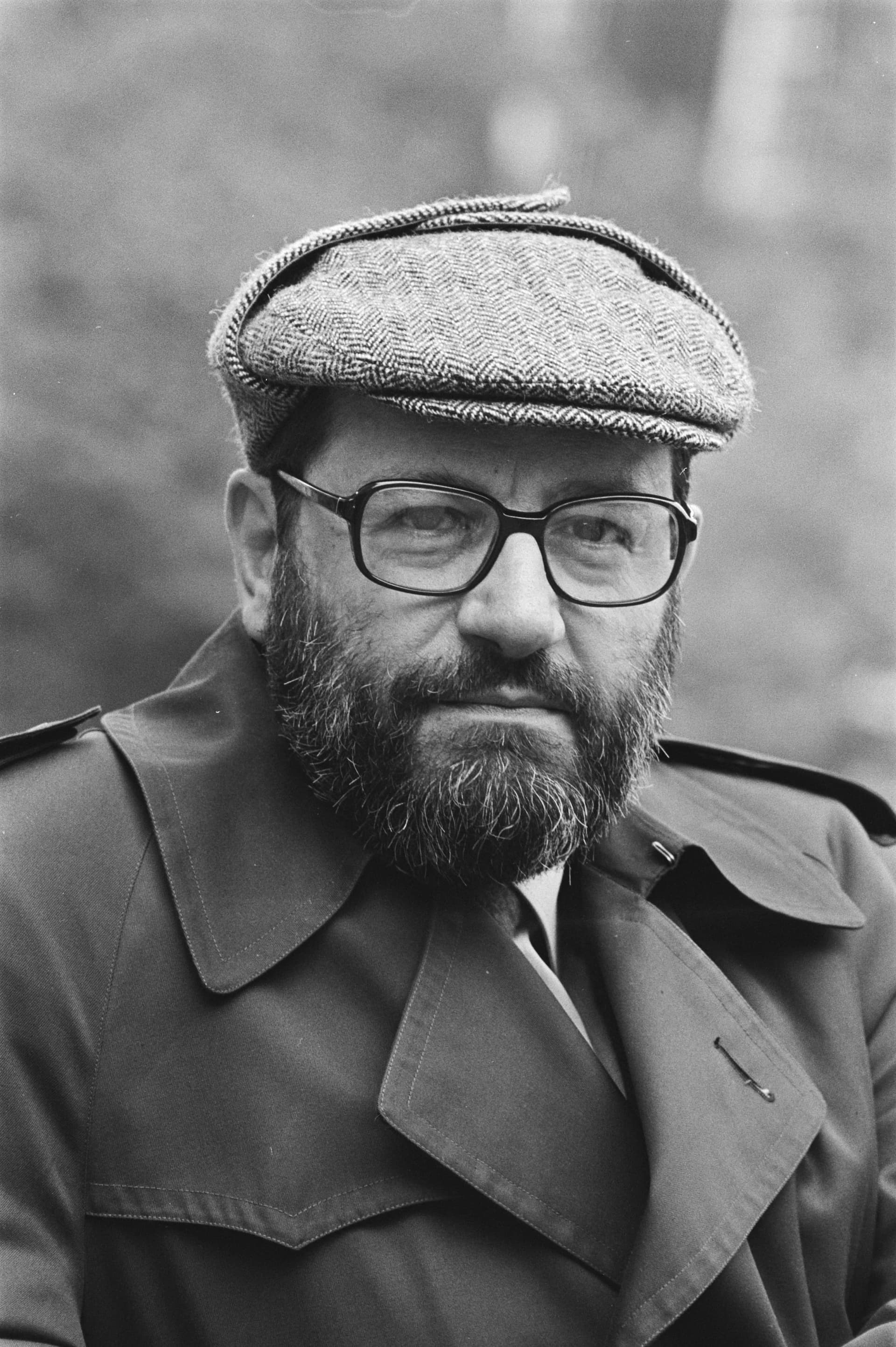
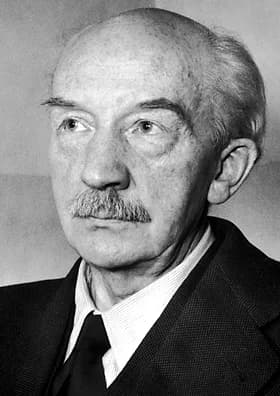
Luc Montagnier portrait

متولد

August 18, 1932

Chabris, France

درگذشته

February 8, 2022

Neuilly-sur-Seine, France

شناخته شده برای

French virologist and joint recipient of the Nobel Prize of Physiology or Medicine (2008)

Luc Montagnier (August 18, 1932 – February 8, 2022) was a French virologist. He jointly received the 2008 Nobel Prize in Physiology or Medicine for his essential discovery of the human immunodeficiency virus (HIV). His work transformed understanding of AIDS.

یک زندگی در لحظات

لحظاتی که یک زندگی را شکل دادند

نوشته شده به English

فصل

فصل‌های زندگی

فصل 1 · 2022· فصل 1 از 7

Remembering Luc Montagnier

Luc Montagnier, a distinguished French virologist, passed away on February 8, 2022, at the age of 89. Born on August 18, 1932, his life's work as a professor, biologist, researcher, virologist, and molecular biologist left an enduring mark on global health. He is most widely known for his joint receipt of the 2008 Nobel Prize in Physiology or Medicine.

This recognition honored his discovery of the human immunodeficiency virus (HIV), a revelation that reshaped the scientific understanding of AIDS. Montagnier's contributions propelled the world's efforts to combat a devastating global epidemic. His scientific acumen led to insights crucial for diagnostic tests and the development of antiretroviral treatments, securing his place as a central figure in the history of medicine.

فصل 2 · 1932· فصل 2 از 7

Early Life and Origins

Luc Montagnier began his journey in Chabris, France, where he was born on August 18, 1932. His early years in rural France set the stage for a career dedicated to scientific inquiry. He developed an early interest in the biological sciences, a passion that would guide his academic and professional pursuits.

فصل 3· فصل 3 از 7

Career Beginnings

Montagnier's professional path led him to the esteemed Pasteur Institute in Paris, a renowned center for scientific research. Here, he established himself as a dedicated researcher, delving into the complexities of virology. His work at the Institute provided a vital environment for his growing expertise as a biologist and molecular biologist, shaping his specialized focus on viruses.

فصل 4· فصل 4 از 7

Major Achievements and Career Highlights

The most defining moment of Montagnier's career came with the discovery of the human immunodeficiency virus (HIV). This monumental achievement, made possible through rigorous research, identified the retrovirus responsible for AIDS. His efforts provided the critical piece of the puzzle needed to understand the disease's etiology, opening new avenues for medical intervention and research.

For this world-changing discovery, Luc Montagnier was jointly awarded the 2008 Nobel Prize in Physiology or Medicine. He shared this prestigious honor with his colleague Françoise Barré-Sinoussi and with Harald zur Hausen, who was recognized for his work on human papillomavirus. The Nobel committee specifically cited their "discovery of human immunodeficiency virus" as the reason for the award, cementing his place among the most influential scientists of his generation.

فصل 5· فصل 5 از 7

Notable Works or Contributions

Beyond the initial identification of HIV, Montagnier continued his dedicated work as a virologist and molecular biologist. His research contributed to a deeper understanding of how the virus replicated and affected the human immune system. This ongoing commitment to scientific exploration reinforced his standing as a leading figure in infectious disease research, with his detailed investigations providing a roadmap for subsequent therapeutic developments.

فصل 6· فصل 6 از 7

Later Years

In his later career, Luc Montagnier extended his scientific reach globally, taking on a role as a full-time professor at Shanghai Jiao Tong University in China. This move showcased his dedication to teaching and continued research on an international stage. His presence in China allowed him to contribute to global scientific collaboration and knowledge exchange, inspiring new generations of scientists through his academic position.

Montagnier maintained an active presence in the scientific community through his later years, sharing his extensive knowledge and insights. He passed away on February 8, 2022, in Neuilly-sur-Seine, France. His long and distinguished career, spanning decades, concluded in the country of his birth, marking a moment of reflection on a life devoted to scientific discovery.

فصل 7· فصل 7 از 7

Legacy and Impact

The legacy of Luc Montagnier is intrinsically linked to the global fight against AIDS. His identification of HIV transformed the scientific landscape, allowing for the development of effective diagnostic tools and treatments. This discovery shifted the trajectory of a deadly disease, turning it from a death sentence into a manageable condition for many.

As a biologist, researcher, and professor, Montagnier's work continues to resonate in scientific laboratories and medical clinics worldwide. He helped establish the basis for understanding viral pathogenesis and immune responses in a way that continues to inform modern medicine. The principles he helped uncover guide ongoing research into infectious diseases, ensuring his enduring impact on public health.

خط زمانی

نگاهی به زندگی

  1. 2022

    Remembering Luc Montagnier

  2. 1932

    Early Life and Origins

گالری عکس

یک زندگی در تصاویر

روی هر پولاروید کلیک کنید تا بزرگ شود · 36 عکس

کد QR

اشتراک این زندگی‌نامه

چاپ و اشتراک‌گذاری

برای بازدید از این صفحه زندگی‌نامه اسکن کنید. برای رویدادها، نمایشگاه‌ها یا مواد آموزشی چاپ کنید.

چه کسی بود Luc Montagnier؟ (1932-2022) | WhoWasThisGuy.com