Jaioa
July 18, 1887
Fyresdal Municipality, Norway
Hila
October 24, 1945
Akershus Fortress, Norway
Ezaugarriak
Norwegian politician and Nazi collaborator
Vidkun Quisling (1887–1945) was Norway best known for Norwegian politician and Nazi collaborator.
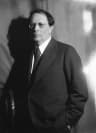
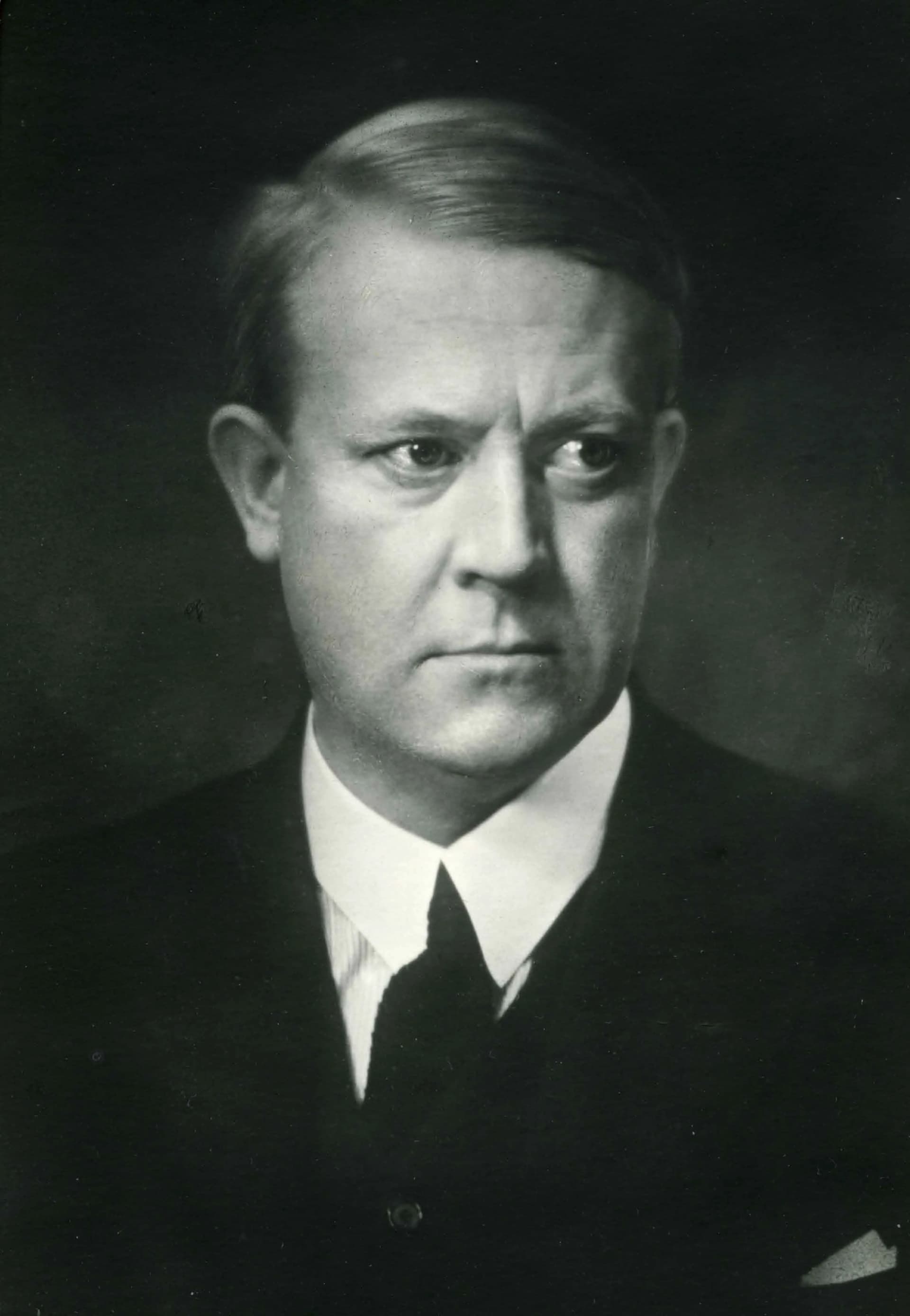
Vidkun Quisling (July 18, 1887 – October 24, 1945) was a Norwegian politician, military officer, and Nazi collaborator. He famously headed the puppet government of Norway during the country's occupation by Nazi Germany in World War II. His name became a byword for traitor due to his wartime actions.
0 kapitulua
Bizitzako kapituluak
1 kapitulua · 1887· 1. kapitulua 7tik
Introduction: A Figure of Wartime History
Vidkun Abraham Lauritz Jonssøn Quisling (1887–1945) was a Norwegian military officer, politician, and, most notably, a wartime collaborator. His life and career are closely associated with the tumultuous period of World War II and the occupation of Norway by Nazi Germany. Born in the late 19th century, his trajectory led him to a central, controversial role in his nation's history.
2 kapitulua · 1887· 2. kapitulua 7tik
Early Life and Origins
Born on July 18, 1887, Vidkun Quisling hailed from the Fyresdal Municipality in Norway. His early years were spent in this rural Norwegian setting, where he received his initial education. He later embarked on a military career, which shaped his early professional life before his entry into the political arena.
Quisling's background as a military officer provided him with a structured environment and a specific discipline. This foundational experience would later inform his approach to politics and public service, though his path would diverge significantly from traditional military roles into the realm of political leadership.
3 kapitulua· 3. kapitulua 7tik
Career Beginnings and Political Ascent
Before his prominent role during the war, Vidkun Quisling established himself as a politician in Norway. He transitioned from his military service into political life, seeking to influence national policy and direction. His early political efforts laid the groundwork for his later, more contentious leadership during a period of national crisis.
His engagement in Norwegian politics saw him advocating for specific ideologies and building a platform. This phase of his career was crucial in solidifying his public presence and establishing the political identity he would carry into the subsequent decades. He was a known figure in the Norwegian political sphere leading up to the global conflict.
4 kapitulua· 4. kapitulua 7tik
Major Roles and Wartime Actions
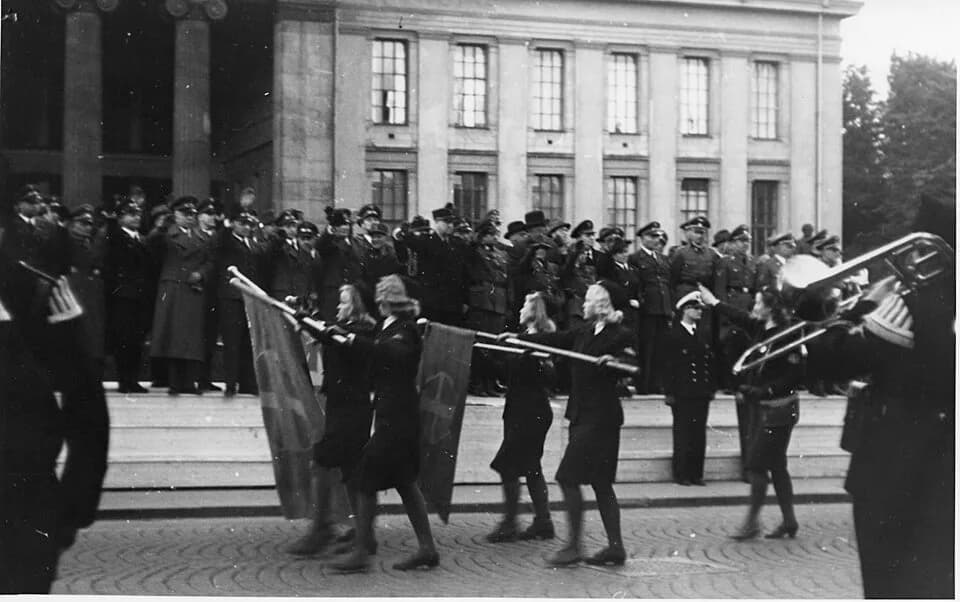
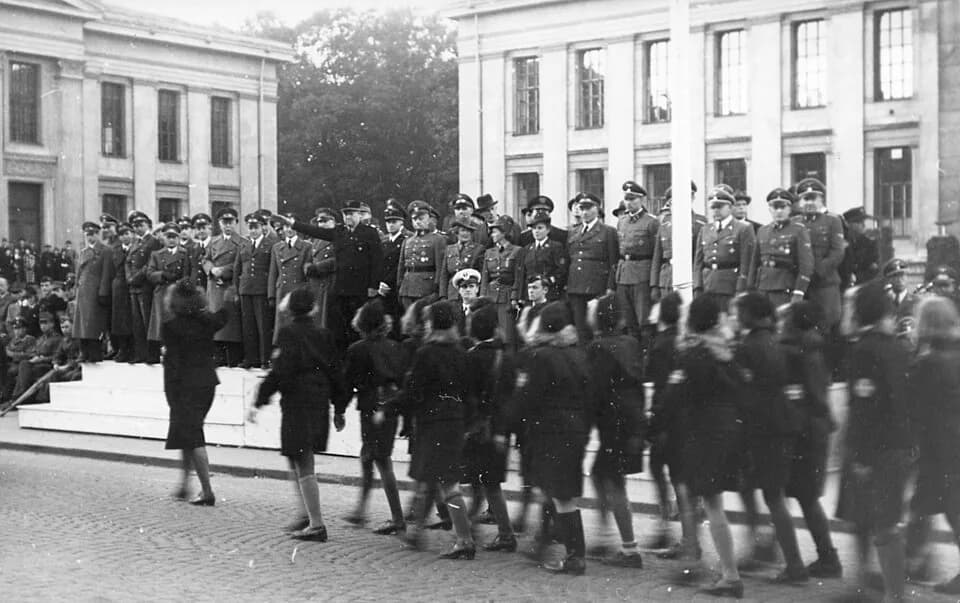
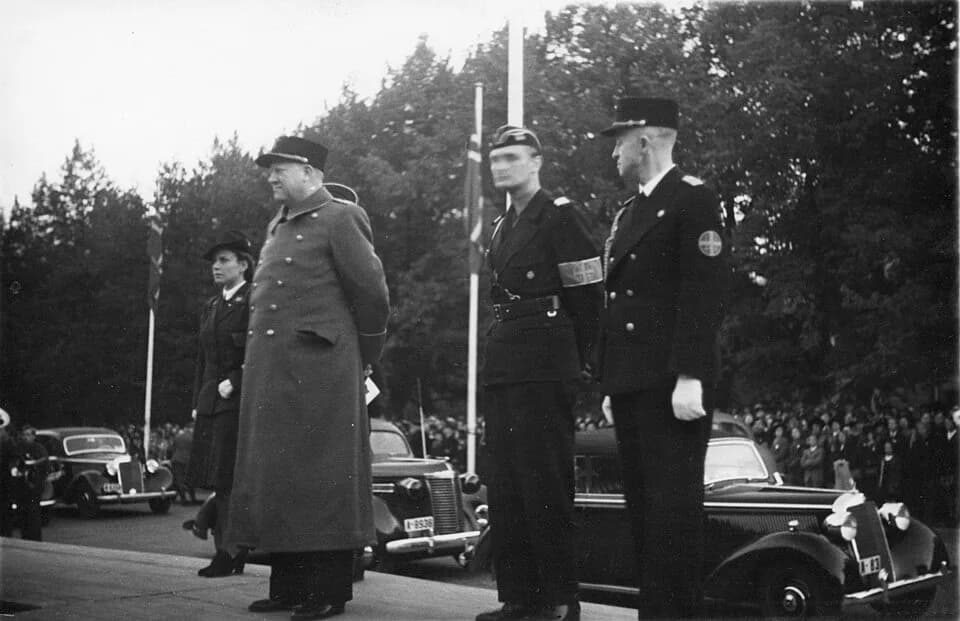
Vidkun Quisling is primarily known for his role as a Norwegian politician and Nazi collaborator during World War II. During the country's occupation by Nazi Germany, he headed the puppet government of Norway. This position placed him at the center of the German administration's control over the nation.
His leadership of this government made him a central figure in the occupation. He played a significant role in implementing policies aligned with the occupying forces, thereby facilitating their control. This collaboration profoundly impacted Norway's wartime experience and Quisling's historical standing.
His actions and decisions during this period defined his public image and historical legacy. The government he led was instrumental in the administration of Norway under German rule, making his name synonymous with collaboration in the eyes of many. His involvement marked a dark chapter in Norwegian history.
5 kapitulua· 5. kapitulua 7tik
Historical Context and Impact
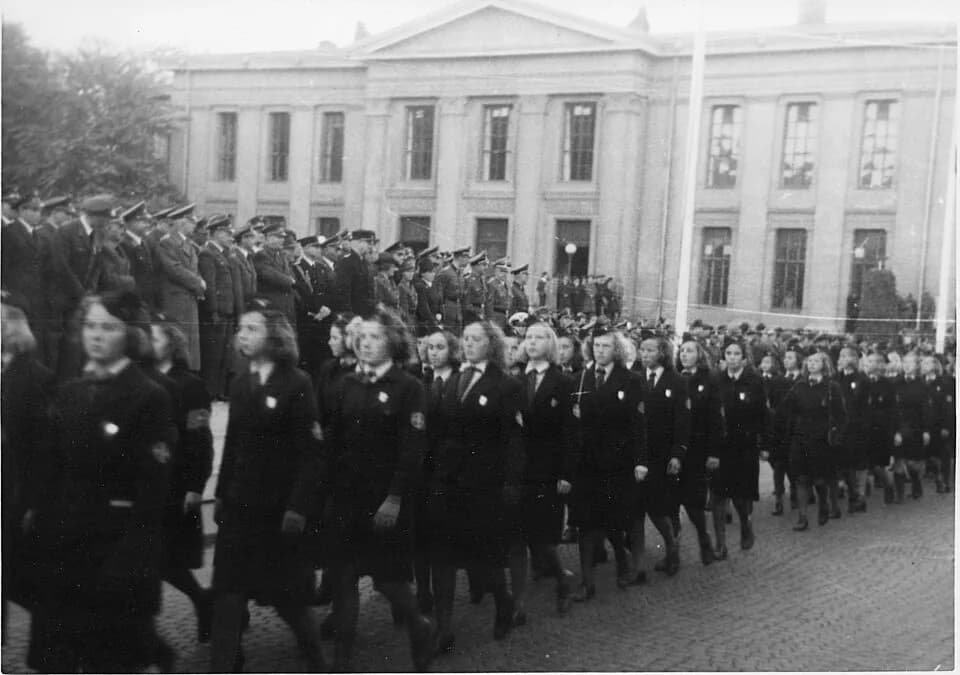
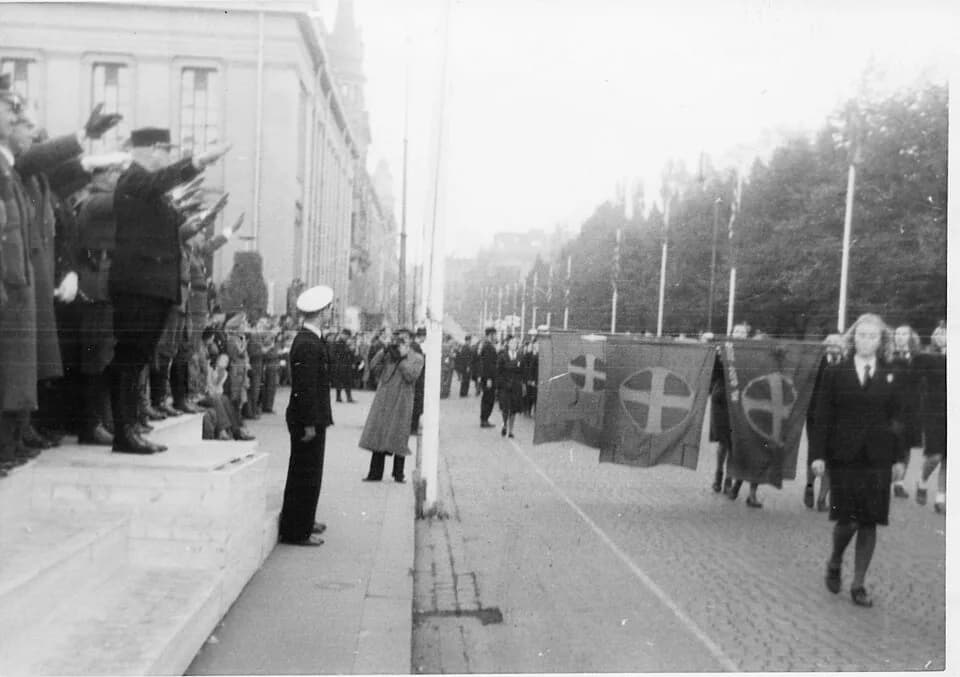
Quisling's governance during the occupation meant profound changes for the Norwegian populace. The puppet government operated under the authority of Nazi Germany, influencing daily life and national administration. This period brought about widespread resistance and deeply divided public opinion regarding his regime.
The impact of his collaboration extended beyond the immediate wartime years, shaping national memory and political discourse. His leadership under foreign occupation remains a potent symbol of betrayal and national disunity. The historical context of his actions speaks to the extreme pressures and moral dilemmas faced by nations during global conflict.
6 kapitulua· 6. kapitulua 7tik
Later Years and Demise
As World War II drew to a close and the occupation ended, Vidkun Quisling's role came to an abrupt end. Following the liberation of Norway, he faced prosecution for his actions during the war. His final years were marked by the legal proceedings that followed his wartime collaboration.
Vidkun Quisling died on October 24, 1945. His death occurred at Akershus Fortress in Norway, a historically significant site. This event brought an end to the life of a figure whose name had become inextricably linked with the darkest aspects of Norway's wartime history.
7 kapitulua· 7. kapitulua 7tik
Legacy and Enduring Significance
Vidkun Quisling's legacy is one of the most controversial in Norwegian history. His name became an international byword for 'traitor' or 'collaborator,' a direct result of his leadership of the puppet government. This linguistic impact reflects the depth of public and historical condemnation of his actions.
His life serves as a stark historical example of political alignment with an occupying power during wartime. The events surrounding his career continue to be studied and discussed, offering insights into political extremism and national identity under duress. Quisling remains a potent symbol of collaboration and its severe consequences.
The lessons drawn from his story contribute to ongoing discussions about loyalty, governance, and national sovereignty. His historical position is fixed as a central figure in Norway's experience of World War II, illustrating the complex and often tragic choices made during periods of intense conflict. He is remembered for his singular and divisive role.
Bizitza uneetan
Bizitza moldatu zuten uneak
Ohiko galderak
Maiz egindako galderak
Noiz hil zen Vidkun Quisling?
Vidkun Quisling 1945(e)ko urriaren 24(a) hil zen Akershus Fortress, Norway-n, 58 urte zituela.
Non jaio zen Vidkun Quisling?
Vidkun Quisling Fyresdal Municipality, Norway-n jaio zen 1887(e)ko uztailaren 18(a).
Zertarako da ezagunena Vidkun Quisling?
Vidkun Quisling ezagunena da Norwegian politician and Nazi collaborator-rengatik.
Zenbat urte zituen Vidkun Quisling-k hil zenean?
Vidkun Quisling-k 58 urte zituen hil zenean.
Zer nazionalitatekoa zen Vidkun Quisling?
Vidkun Quisling Norway-koa zen.
Denbora-lerroa
Bizitza begirada batean
Argazki galeria
Bizitza iruditan
Egin klik edozein polaroidetan handitzeko · 49 argazki
QR kodea
Partekatu Biografia Hau
Inprimatu eta partekatu
Eskaneatu biografia orri hau bisitatzeko. Inprimatu ekitaldi, erakusketa edo hezkuntza materialetarako.