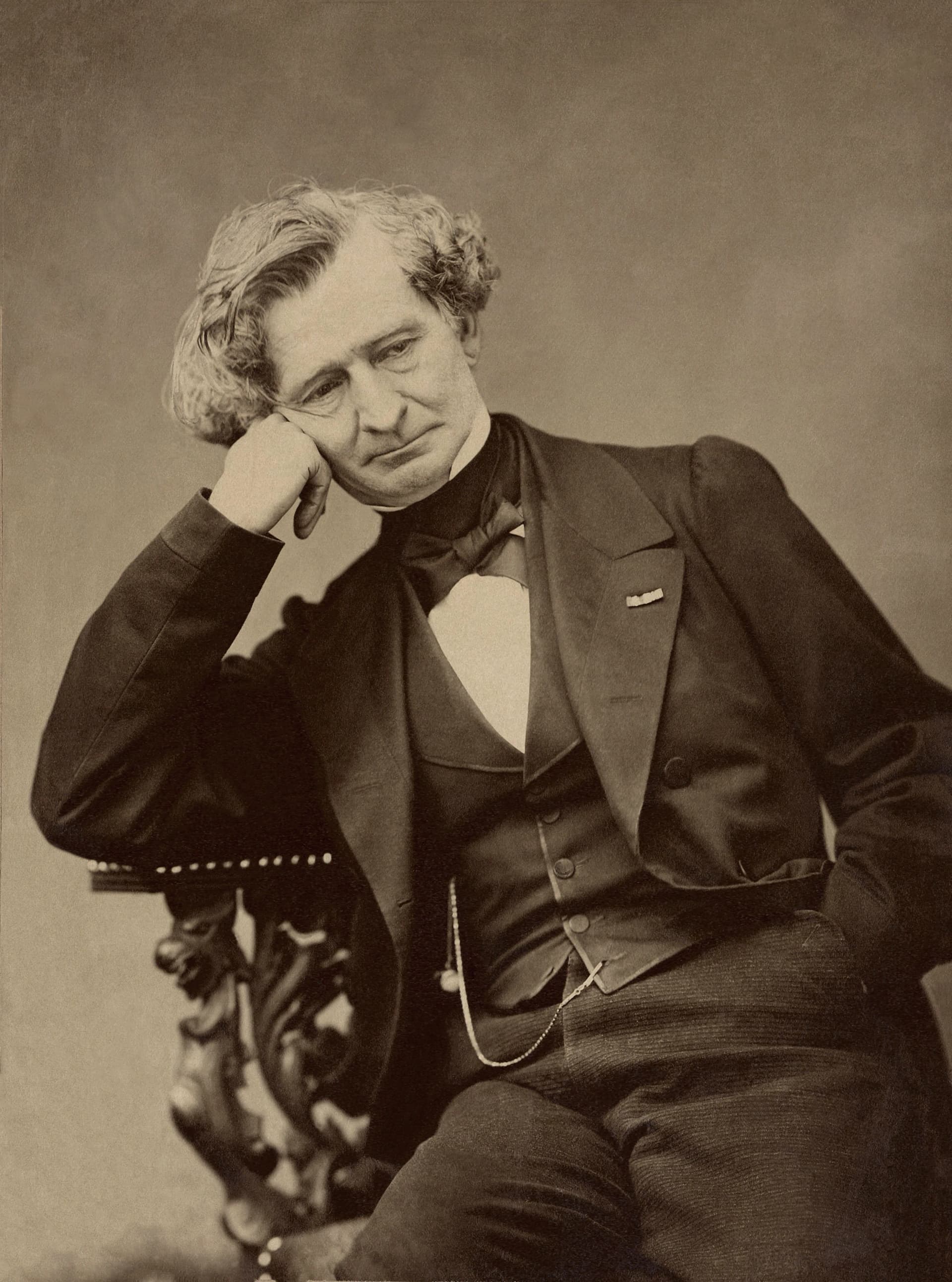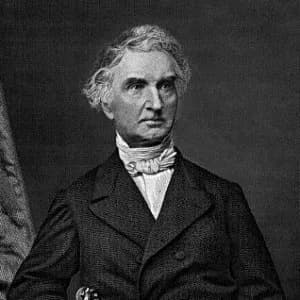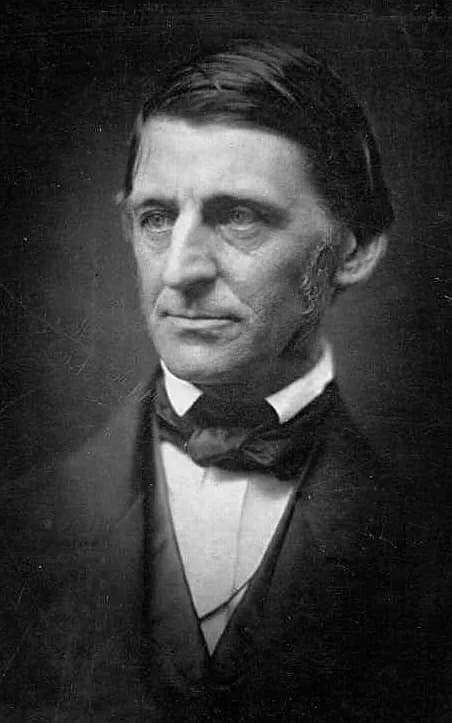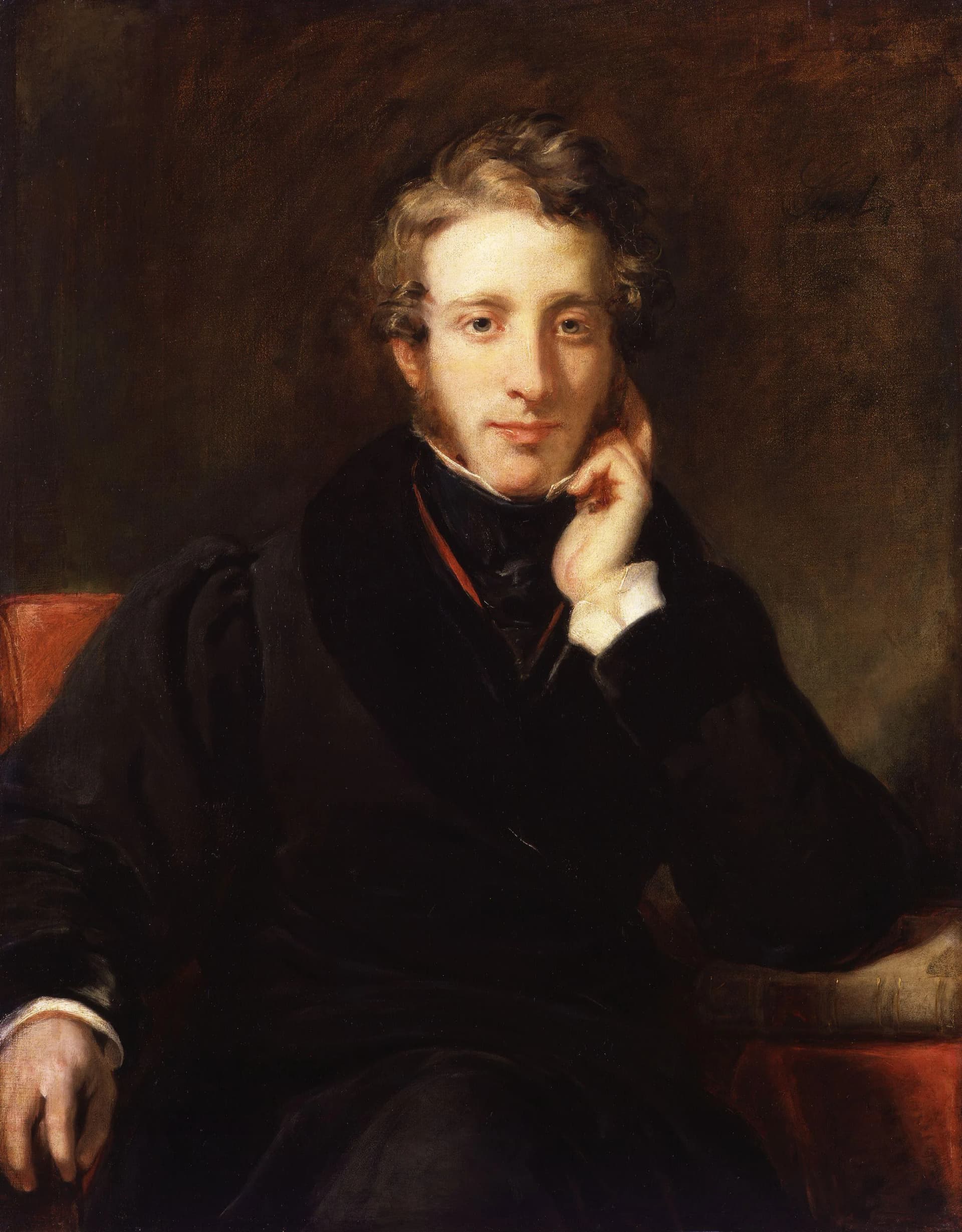
Jaioa
September 28, 1803
Paris, France
Hila
September 23, 1870
Cannes, France
Ezaugarriak
French writer, archaeologist and historian
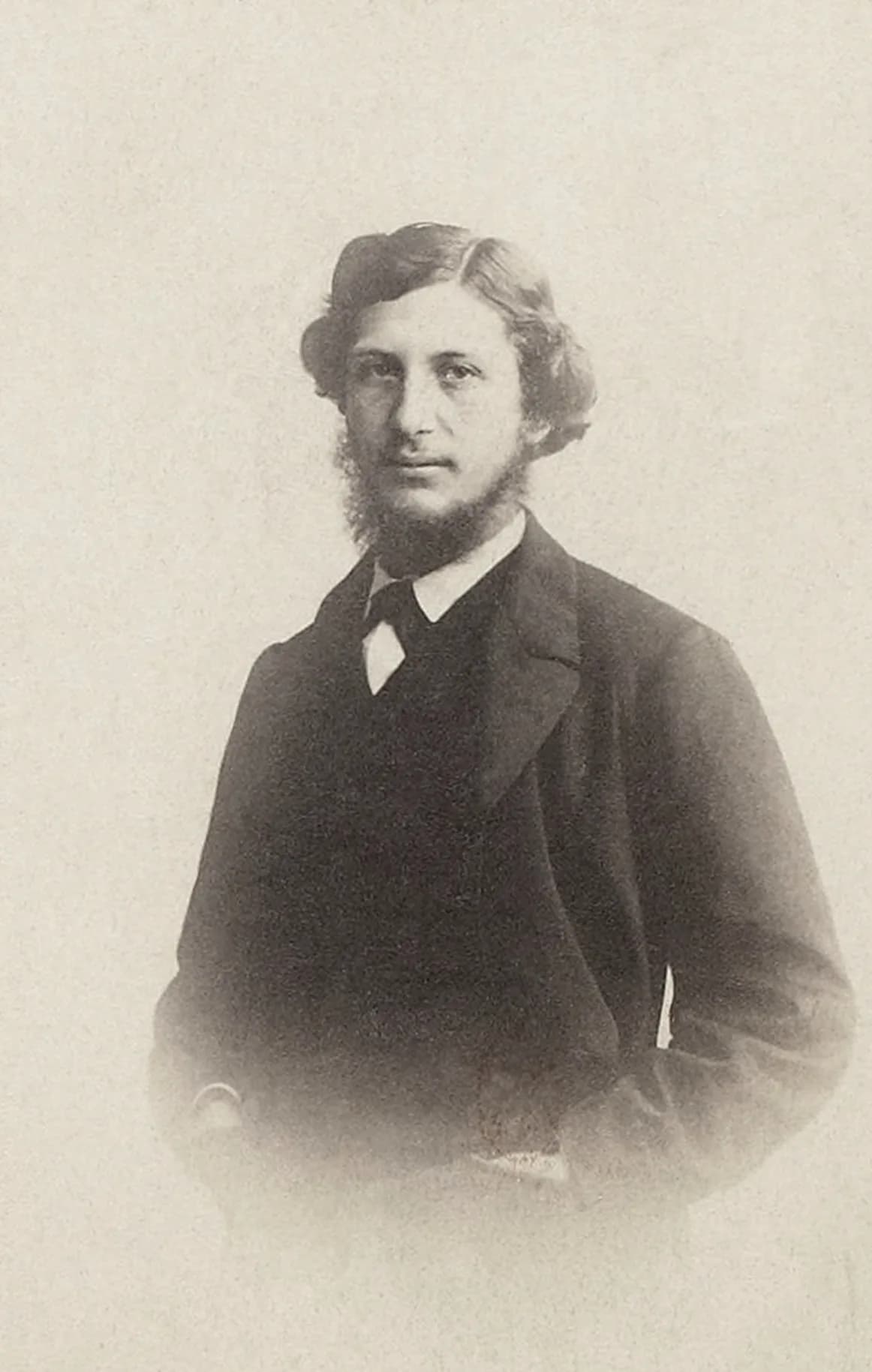
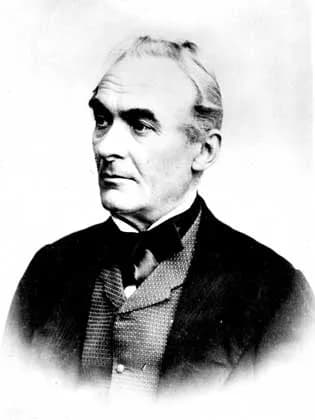
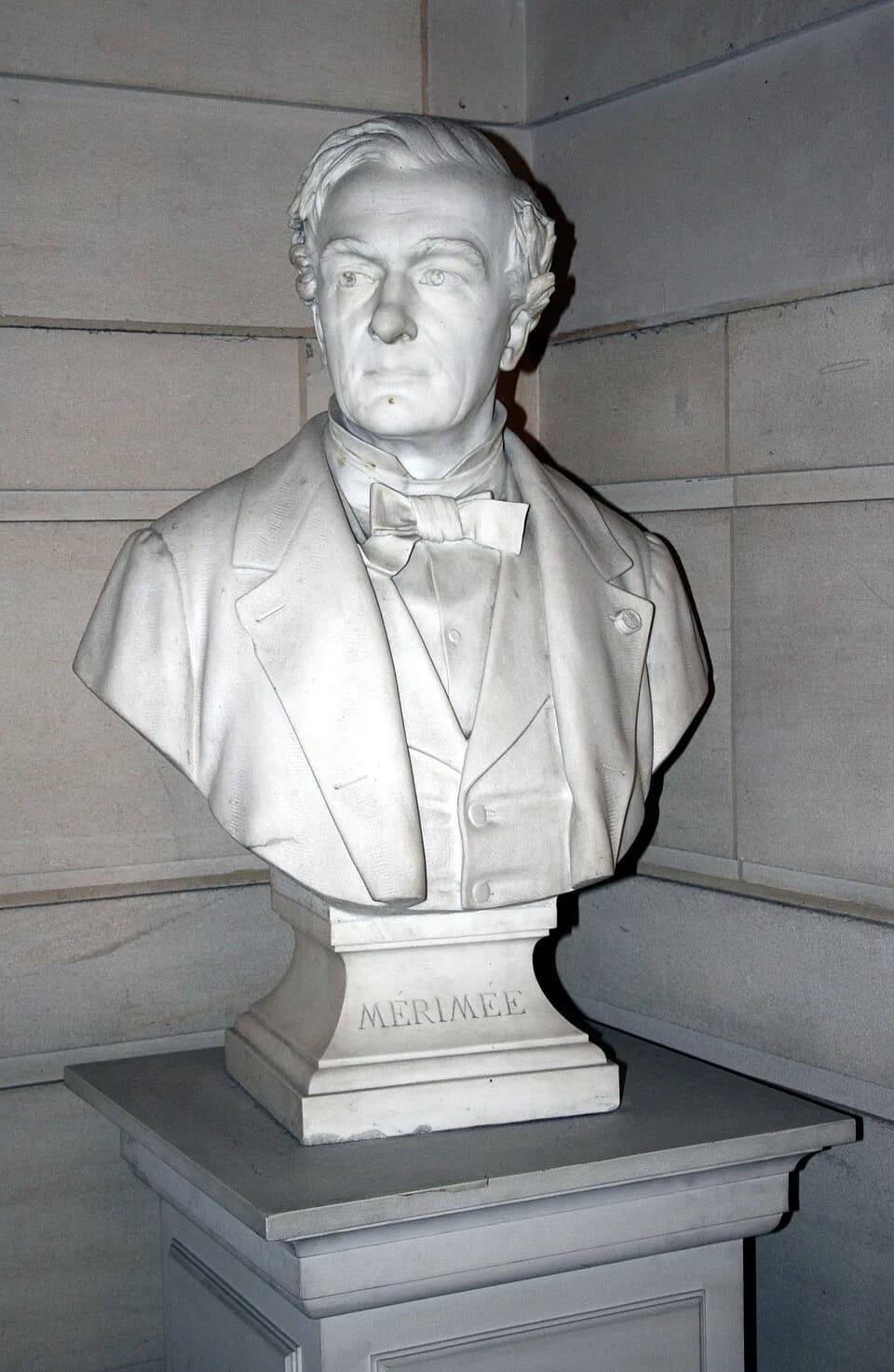
Prosper Mérimée (1803–1870) was France best known for French writer, archaeologist and historian.
Prosper Mérimée (September 28, 1803 – September 23, 1870) was a French writer, archaeologist, and historian. He pioneered the novella form and is best known for his work <i>Carmen</i>, which became Bizet's opera. Mérimée also played a crucial role in the preservation of French historical monuments and translated notable Russian authors.
Bizitza uneetan
Bizitza moldatu zuten uneak
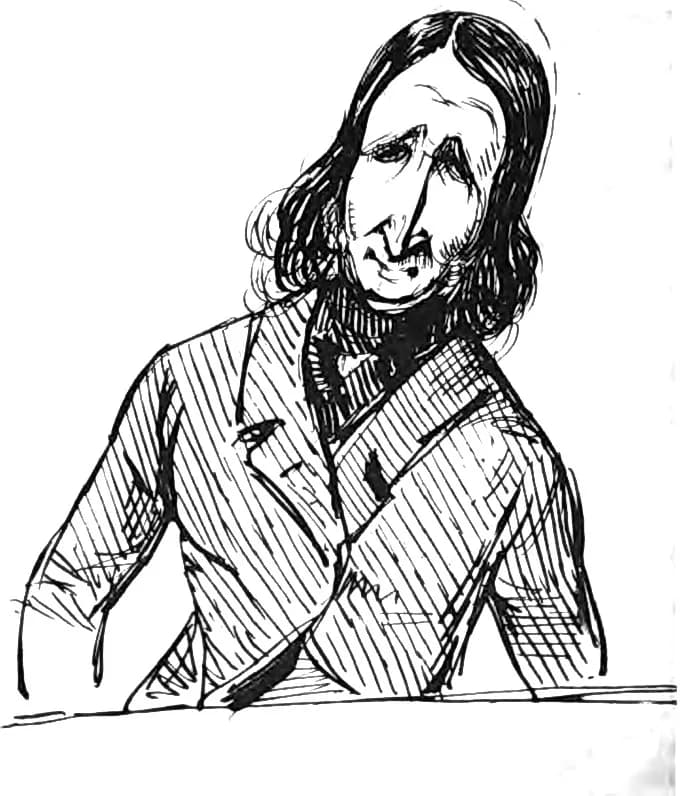
0 kapitulua
Bizitzako kapituluak
1 kapitulua · 1803· 1. kapitulua 7tik
Early Life and Origins
Prosper Mérimée was born in the vibrant city of Paris, France, on September 28, 1803. While specific details about his family and early upbringing are not provided, his birthplace in the cultural heart of France likely provided a rich environment for his intellectual development. This foundation in Paris undoubtedly shaped his wide-ranging interests that would later define his multifaceted career.
2 kapitulua· 2. kapitulua 7tik
Career Beginnings
Mérimée's professional journey began primarily as a writer, positioning him as a pioneer of the novella—a concise novel or extended short story. His early works established him as a significant voice within the Romantic movement. Beyond his literary pursuits, he quickly diversified his professional life, taking on roles as a politician, historian, playwright, and translator. His breadth of expertise also extended to painting, archaeology, anthropology, and draftsmanship, showcasing a truly encyclopedic intellect.
3 kapitulua · 1830· 3. kapitulua 7tik
Major Achievements and Career Highlights
A significant portion of Prosper Mérimée's career was dedicated to public service, particularly in the realm of historical preservation. From 1830 until 1860, he served as the Inspector General of Historical Monuments, a crucial role responsible for safeguarding France's rich architectural heritage. During his tenure, he was instrumental in the protection of numerous historic sites, including the medieval citadel of Carcassonne. He also oversaw the important restoration of the façade of the cathedral of Notre-Dame de Paris, ensuring its continued grandeur.
Mérimée's passion for culture led him to other significant discoveries and initiatives. Alongside the acclaimed writer George Sand, he played a vital role in rediscovering the famed series of tapestries known as The Lady and the Unicorn. He then arranged for their careful preservation, recognizing their immense artistic and historical value. His efforts further extended to the creation of the Musée national du Moyen Âge in Paris, where these magnificent tapestries are now prominently displayed for public appreciation.
Beyond his work in preservation, Mérimée was an ardent linguist and cultural bridge-builder. He developed a deep affection for the Russian language and made it a point to learn it. This skill allowed him to translate the works of several notable Russian writers, including literary giants like Pushkin and Gogol, making their stories accessible to French audiences. His contributions to the systematic preservation of France's heritage are recognized even today, as the official database of French monuments, the Base Mérimée, bears his name as a lasting tribute to his influence.
4 kapitulua· 4. kapitulua 7tik
Personal Life
Details concerning Prosper Mérimée's personal life, including family and relationships, are not extensively provided in the available information. His career, however, suggests a life deeply immersed in intellectual pursuits and public service. While specific personal anecdotes are not detailed, his collaborations with figures like George Sand highlight his engagement with contemporary cultural circles.
5 kapitulua· 5. kapitulua 7tik
Notable Works or Contributions
Prosper Mérimée is perhaps best known for his influential novella, Carmen. This literary masterpiece became the foundational basis for Georges Bizet's world-renowned opera of the same name, ensuring its enduring place in global culture. Carmen exemplifies Mérimée's pioneering style in the novella form, combining dramatic narrative with vivid characterization.
His bibliography includes a variety of compelling works that showcase his range as a writer. Other notable titles include Études sur l'histoire romaine, demonstrating his historical acumen, and the popular novellas Colomba and La Venus d'Ile. His collected short stories, found in publications like Contes et Nouvelles and Carmen and Other Stories, further solidify his reputation as a master of the concise narrative, cementing his legacy as a central figure in French literature.
6 kapitulua · 1870· 6. kapitulua 7tik
Later Years
After decades of dedicated service as the Inspector General of Historical Monuments, Prosper Mérimée continued to contribute to literary and cultural life. He passed away on September 23, 1870, in Cannes, France, just five days before his 67th birthday. His final years likely saw him reflecting on a career rich in diverse accomplishments, from authoring classic novellas to preserving the very fabric of French history.
7 kapitulua· 7. kapitulua 7tik
Legacy and Impact
Prosper Mérimée's legacy is multifaceted, spanning literature, archaeology, and historical preservation. As a writer, he is celebrated as one of the pioneers of the novella, shaping the direction of short prose fiction with works like Carmen, which continues to resonate through its operatic adaptation. His mastery of language and narrative continues to influence authors and delight readers worldwide.
Beyond his literary achievements, Mérimée remains an exceptionally important figure in the history of architectural preservation. His diligent work as Inspector General ensured the protection and restoration of countless French historical monuments, many of which stand today as a testament to his foresight. The enduring recognition of his contributions is evident in the official Base Mérimée, which carries his name, honoring his pioneering efforts to safeguard France's cultural heritage for future generations.
Ohiko galderak
Maiz egindako galderak
Noiz hil zen Prosper Mérimée?
Prosper Mérimée 1870(e)ko irailaren 23(a) hil zen Cannes, France-n, 66 urte zituela.
Non jaio zen Prosper Mérimée?
Prosper Mérimée Paris, France-n jaio zen 1803(e)ko irailaren 28(a).
Zertarako da ezagunena Prosper Mérimée?
Prosper Mérimée ezagunena da French writer, archaeologist and historian-rengatik.
Zenbat urte zituen Prosper Mérimée-k hil zenean?
Prosper Mérimée-k 66 urte zituen hil zenean.
Zer nazionalitatekoa zen Prosper Mérimée?
Prosper Mérimée France-koa zen.
Denbora-lerroa
Bizitza begirada batean
Argazki galeria
Bizitza iruditan
Egin klik edozein polaroidetan handitzeko · 46 argazki
QR kodea
Partekatu Biografia Hau
Inprimatu eta partekatu
Eskaneatu biografia orri hau bisitatzeko. Inprimatu ekitaldi, erakusketa edo hezkuntza materialetarako.