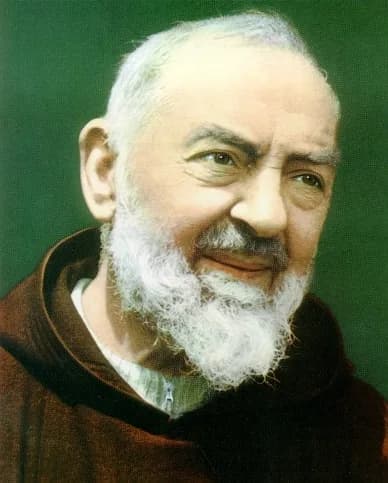
Jaioa
May 25, 1887
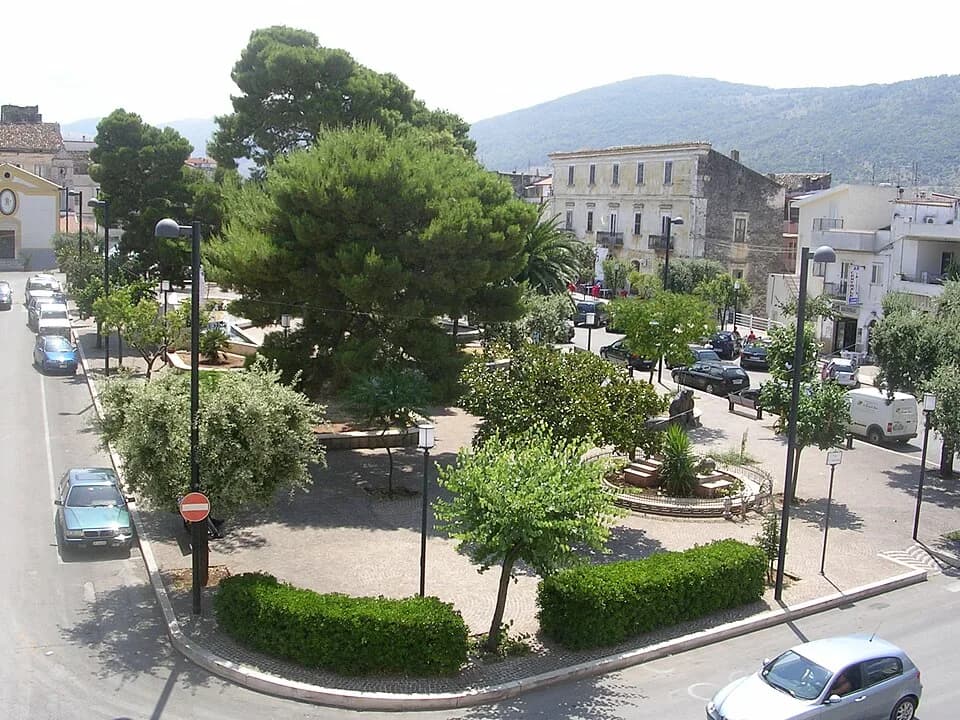
Pietrelcina, Italy
Hila
September 23, 1968
San Giovanni Rotondo, Italy
Ezaugarriak
Italian saint, priest, stigmatist and mystic
Padre Pio (1887–1968) was Italy best known for Italian saint, priest, stigmatist and mystic.
Padre Pio (May 25, 1887 – September 23, 1968) was an Italian Catholic priest, friar, stigmatist, and mystic. He is venerated as a saint in the Catholic Church, known for his spiritual devotion and extraordinary experiences. His life exemplified profound faith and service to others.
0 kapitulua
Bizitzako kapituluak
1 kapitulua · 1887· 1. kapitulua 6tik
Early Life and Origins
Padre Pio, originally named Francesco Forgione, entered the world on May 25, 1887, in the Italian village of Pietrelcina. His early life in rural Italy laid the foundation for his spiritual journey. He was born into a farming family, and his upbringing instilled in him deep religious values from a young age.
From his youth, Francesco displayed a strong inclination towards religious devotion. This early spiritual inclination profoundly shaped his path, leading him to consider a life dedicated to God. The simple environment of Pietrelcina undoubtedly influenced his humble and dedicated character.
2 kapitulua· 2. kapitulua 6tik
Career Beginnings
His calling led him to join the Capuchin friars at the age of 15, becoming a friar of the Order of Friars Minor Capuchin. He took the name Pio when he entered the novitiate, a significant step in his commitment to a religious life. This early commitment set the course for his distinguished career as a Catholic priest and spiritual guide, establishing his path of deep devotion.
Padre Pio was ordained a priest on August 10, 1910, marking the official beginning of his priestly ministry. Following his ordination, he began his duties as a Catholic priest, serving the faithful in various capacities. This period established his reputation as a dedicated clergyman.
3 kapitulua · 1918· 3. kapitulua 6tik
Major Achievements and Career Highlights
Padre Pio became widely known as a stigmatist, bearing the visible wounds of Christ on his hands, feet, and side. This extraordinary spiritual manifestation, first reported in 1918, was a central aspect of his life. It drew countless faithful to him, seeking guidance, intercession, and spiritual comfort.
His deep mystical experiences further solidified his reputation as a profound spiritual figure within the Catholic Church. As a mystic, he was believed to possess spiritual gifts, including healing and prophecy. These experiences, along with his compassionate ministry as a friar and priest, were key highlights of his service.
4 kapitulua· 4. kapitulua 6tik
Notable Works or Contributions
As a revered mystic and priest, Padre Pio dedicated his life to prayer and spiritual direction, offering confessions and celebrating Mass daily. His work as a Catholic priest extended to providing spiritual comfort and performing priestly duties throughout his time in the Order of Friars Minor Capuchin. He founded the "Casa Sollievo della Sofferenza" (Home for the Relief of Suffering) hospital in San Giovanni Rotondo, a significant humanitarian contribution.
Through his unwavering faith and service, Padre Pio inspired many to deepen their spiritual lives. His commitment to the sacraments, especially confession, and his powerful homilies left a lasting impression on those who encountered him. He became a symbol of spiritual devotion and divine grace.
5 kapitulua· 5. kapitulua 6tik
Later Years
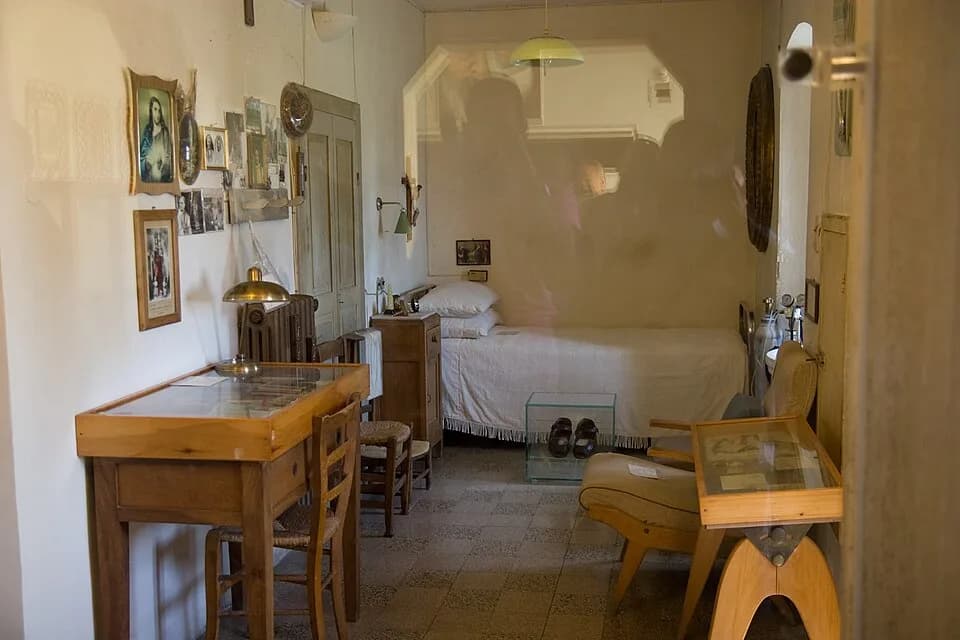
Padre Pio continued his priestly duties and spiritual work primarily in San Giovanni Rotondo, Italy, for the majority of his life. His health deteriorated in his later years, but he maintained his spiritual discipline and dedication to his ministry. He continued to serve the faithful until his final days.
He ultimately passed away on September 23, 1968, in San Giovanni Rotondo, the same place where he had spent much of his ministry. His passing marked the end of a life dedicated to God and service to humanity. His final years were characterized by continued suffering, devotion, and an enduring commitment to his spiritual mission.
6 kapitulua · 2002· 6. kapitulua 6tik
Legacy and Impact
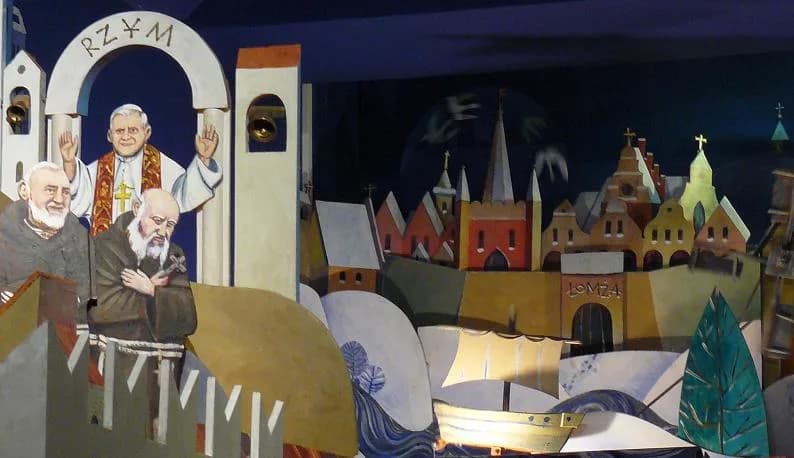
Today, Padre Pio is venerated as a saint in the Catholic Church, having been canonized by Pope John Paul II in 2002. His feast day is celebrated annually on September 23, the anniversary of his death. Millions around the world continue to hold him in high esteem.
His lasting impact is evident in the ongoing devotion of countless followers, who remember him as an Italian saint, priest, stigmatist, and mystic whose life exemplified profound faith and spiritual power. Padre Pio's legacy continues to inspire acts of charity, prayer, and spiritual renewal across the globe. His life serves as an enduring example of deep spiritual commitment and service.
Bizitza uneetan
Bizitza moldatu zuten uneak
Ohiko galderak
Maiz egindako galderak
Noiz hil zen Padre Pio?
Padre Pio 1968(e)ko irailaren 23(a) hil zen San Giovanni Rotondo, Italy-n, 81 urte zituela.
Non jaio zen Padre Pio?
Padre Pio Pietrelcina, Italy-n jaio zen 1887(e)ko maiatzaren 25(a).
Zertarako da ezagunena Padre Pio?
Padre Pio ezagunena da Italian saint, priest, stigmatist and mystic-rengatik.
Zenbat urte zituen Padre Pio-k hil zenean?
Padre Pio-k 81 urte zituen hil zenean.
Zer nazionalitatekoa zen Padre Pio?
Padre Pio Italy-koa zen.
Denbora-lerroa
Bizitza begirada batean
Argazki galeria
Bizitza iruditan
Egin klik edozein polaroidetan handitzeko · 25 argazki
QR kodea
Partekatu Biografia Hau
Inprimatu eta partekatu
Eskaneatu biografia orri hau bisitatzeko. Inprimatu ekitaldi, erakusketa edo hezkuntza materialetarako.