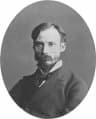
Jaioa
May 28, 1853
Storkyrkoförsamlingen, Sweden
Hila
January 22, 1919
Sundborns, Sweden
Ezaugarriak
Swedish painter
Carl Larsson (1853–1919) was Sweden best known for Swedish painter.
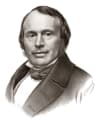
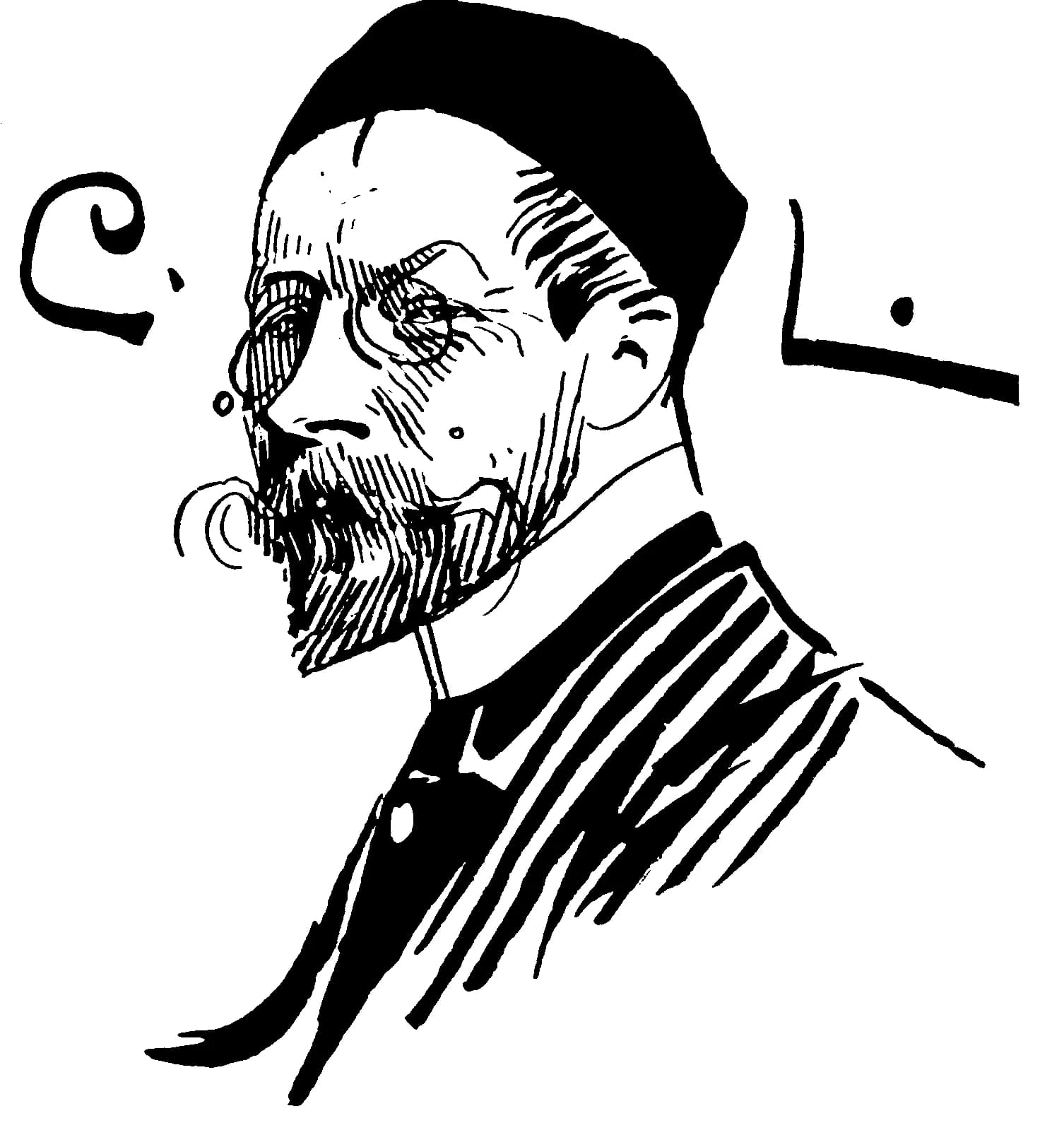
Carl Olof Larsson (May 28, 1853 – January 22, 1919) was a Swedish painter. He is principally known for his watercolors depicting idyllic family life and was a representative of the Arts and Crafts movement. His extensive body of work continues to celebrate home and hearth.
0 kapitulua
Bizitzako kapituluak
1 kapitulua · 1853· 1. kapitulua 8tik
Remembering Carl Larsson
Carl Olof Larsson (1853–1919) was a distinguished Swedish painter, widely recognized for his captivating contributions to the Arts and Crafts movement. He dedicated his life to art, leaving behind a rich legacy as a painter, writer, illustrator, cartoonist, graphic artist, muralist, printmaker, etcher, architectural draftsperson, watercolorist, draftsperson, and exlibrist. His work, especially his watercolors depicting idyllic family life, continues to resonate with audiences around the world, celebrating the beauty of everyday existence.
2 kapitulua · 1853· 2. kapitulua 8tik
Early Life and Origins
Carl Larsson was born on May 28, 1853, in Storkyrkoförsamlingen, Sweden. His early years in Sweden laid the foundation for his artistic sensibilities, deeply influencing the themes and settings that would later define his celebrated body of work. The specific details of his upbringing, while not extensively documented here, undoubtedly shaped his unique perspective on domestic life and natural beauty.
3 kapitulua· 3. kapitulua 8tik
Career Beginnings
Larsson emerged as a key figure representative of the Arts and Crafts movement, a period characterized by a renewed appreciation for craftsmanship and decorative arts. His artistic journey began with a versatile approach, exploring various mediums and techniques. This early exploration set the stage for a career marked by creativity and a distinctive visual style, which quickly gained recognition for its warmth and authenticity.
4 kapitulua· 4. kapitulua 8tik
Major Achievements and Career Highlights
Throughout his career, Carl Larsson became principally known for his watercolors, which exquisitely captured scenes of idyllic family life. These works offered a tender glimpse into the Swedish home, often imbued with light and a sense of harmony. Among his many accomplishments, Larsson considered his large painting, Midvinterblot, to be his finest work; this significant piece is now displayed within the Swedish National Museum of Fine Arts, showcasing his ambition and skill in grander compositions.
5 kapitulua · 1904· 5. kapitulua 8tik
Personal Life
While specific biographical details about his personal life beyond his professional endeavors are not fully provided, Carl Larsson's art itself speaks volumes about his domestic world. His frequent depictions of "idyllic family life" strongly suggest that his own family and home served as a primary source of inspiration. Works like Karin and Kersti (1904) and An Artist's Wife (1913) clearly feature family members, portraying a life rich in personal connection and artistic reflection, which became central to his artistic identity.
6 kapitulua· 6. kapitulua 8tik
Notable Works or Contributions
Carl Larsson's extensive bibliography and artistic output include numerous memorable works that exemplify his diverse talents. His published books include Ȧt solsidan, Carl Larsson, skildrad av honom själv i text och bilder, and Ett hem, among others. These literary works often complemented his visual art, providing further insight into his perspectives and experiences.
His notable artworks are held in prestigious collections globally, reflecting his lasting artistic impact. These include Convalescent, or Mumps (1912) and The Model by the Stove (1908), both housed at the Metropolitan Museum of Art. The Art Institute of Chicago also proudly displays works like Little Lie-A-Bed's Sad Breakfast (1900) and Little Girl in a Sandbox (1901), showcasing his endearing and relatable portrayals of childhood and domestic scenes.
7 kapitulua · 1919· 7. kapitulua 8tik
Later Years
Carl Larsson continued his prolific artistic and literary contributions into his later years, maintaining his distinctive style and commitment to portraying everyday beauty. He passed away on January 22, 1919, in Sundborns, Sweden, the place that became synonymous with his celebrated home and artistic environment. His creative spirit remained vibrant until the end, leaving a substantial body of work for future generations to appreciate.
8 kapitulua· 8. kapitulua 8tik
Legacy and Impact
Carl Larsson's legacy endures through his unique visual storytelling and his profound influence on Swedish art and the broader Arts and Crafts movement. His watercolors, in particular, established a lasting image of Swedish domesticity and charm, beloved for their warmth and authenticity. His art continues to be a source of inspiration, preserved and celebrated in major museums like the Swedish National Museum of Fine Arts, The Metropolitan Museum of Art, and the Art Institute of Chicago, ensuring his vision of idyllic life remains accessible to all.
Bizitza uneetan
Bizitza moldatu zuten uneak
Ohiko galderak
Maiz egindako galderak
Noiz hil zen Carl Larsson?
Carl Larsson 1919(e)ko urtarrilaren 22(a) hil zen Sundborns, Sweden-n, 65 urte zituela.
Non jaio zen Carl Larsson?
Carl Larsson Storkyrkoförsamlingen, Sweden-n jaio zen 1853(e)ko maiatzaren 28(a).
Zertarako da ezagunena Carl Larsson?
Carl Larsson ezagunena da Swedish painter-rengatik.
Zenbat urte zituen Carl Larsson-k hil zenean?
Carl Larsson-k 65 urte zituen hil zenean.
Zer nazionalitatekoa zen Carl Larsson?
Carl Larsson Sweden-koa zen.
Denbora-lerroa
Bizitza begirada batean
Argazki galeria
Bizitza iruditan
Egin klik edozein polaroidetan handitzeko · 25 argazki
QR kodea
Partekatu Biografia Hau
Inprimatu eta partekatu
Eskaneatu biografia orri hau bisitatzeko. Inprimatu ekitaldi, erakusketa edo hezkuntza materialetarako.