Jaioa
October 11, 1926
Huế, Vietnam
Hila
January 22, 2022
Từ Hiếu pogoda, Vietnam
Ezaugarriak
Vietnamese Buddhist monk and activist
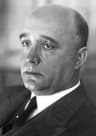
Thích Nhất Hạnh (1926-2022) was a Vietnamese Buddhist monk, peace activist, and spiritual teacher from Huế, Vietnam. Known as the "father of mindfulness," he founded the Plum Village Tradition and became the main inspiration for engaged Buddhism worldwide. His teachings brought Buddhist mindfulness to Western audiences.
0 kapitulua
Bizitzako kapituluak
1 kapitulua · 1926· 1. kapitulua 7tik
Early Life and Origins
Born on October 11, 1926, in Huế, Vietnam, Thích Nhất Hạnh grew up during a time of great change in his homeland. Huế, the former imperial capital, provided a rich cultural backdrop for his early years. The ancient city's deep Buddhist traditions would shape his spiritual path from childhood.
His early exposure to Buddhist teachings in Huế's temple communities planted the seeds for his lifelong dedication to the dharma. The peaceful yet politically turbulent environment of Vietnam in the early 20th century influenced his later development of engaged Buddhism, which combined spiritual practice with social action.
2 kapitulua· 2. kapitulua 7tik
Career Beginnings
Nhất Hạnh began his monastic journey as a young man, embracing the traditional path of a Vietnamese Buddhist monk. His early years in the monastery focused on classical Buddhist studies and meditation practice. However, he quickly recognized that ancient wisdom needed to address modern suffering.
During Vietnam's political upheaval, he saw how traditional monasticism could engage with worldly problems without losing its spiritual essence. This realization led him to develop what would become known as "engaged Buddhism" - a revolutionary approach that made him the main inspiration for this movement worldwide.
3 kapitulua· 3. kapitulua 7tik
Major Achievements and Career Highlights
Thích Nhất Hạnh's greatest achievement was founding the Plum Village Tradition, which became a global network of practice communities. His approach to mindfulness made ancient Buddhist techniques accessible to people of all backgrounds. Through his teaching, he helped establish mindfulness as a mainstream practice in Western psychology and medicine.
His peace activism during the Vietnam War demonstrated how Buddhist principles could address real-world conflicts. He worked tirelessly for reconciliation, earning recognition as a powerful voice for non-violent resistance. His efforts showed how spiritual practice could create social change without resorting to aggression or hatred.
As a prolific author, he wrote numerous books that translated complex Buddhist concepts into everyday language. His ability to make meditation and mindfulness understandable to Western readers helped bridge Eastern and Western spiritual traditions in unprecedented ways.
4 kapitulua· 4. kapitulua 7tik
Personal Life
As a Buddhist monk, Thích Nhất Hạnh devoted his personal life to spiritual practice and teaching. He lived simply, following monastic vows that emphasized compassion, mindfulness, and service to others. His personal discipline and gentle demeanor became legendary among his students and followers.
Despite his global influence, he maintained deep connections to his Vietnamese roots throughout his life. His love for his homeland remained constant, even during decades of exile when political circumstances prevented his return to Vietnam.
5 kapitulua· 5. kapitulua 7tik
Notable Works and Contributions
Among his most influential works, "Peace is every step" introduced millions to Buddhist mindfulness practice. "Walking the Noble Path" explored traditional Buddhist teachings for modern readers. His poetry collection "Tuyển tập thơ Thích Nhất Hạnh" revealed his artistic side, while "Con đã có đường đi" offered guidance in Vietnamese.
His academic contributions included important papers like "How to Walk" (2015), "The Art of Mindfulness" (2012), and "The Art of Living" (2017). With an h-index of 11 and 44 published papers, his scholarly work supported his popular teachings with rigorous Buddhist philosophy. "How to Relax" (2013) and other practical guides helped people apply Buddhist principles to daily stress and anxiety.
His international works, including Portuguese and French translations, spread his message across language barriers. Books like "O Milagre da Atenção Plena" brought mindfulness to Portuguese speakers, while "365 méditations quotidiennes du Dalaï-Lama" offered daily spiritual guidance to French readers.
6 kapitulua · 2014· 6. kapitulua 7tik
Later Years
In his final decades, Thích Nhất Hạnh continued teaching despite advancing age and health challenges. He remained active in leading retreats and writing until a stroke in 2014 limited his public appearances. Even in illness, his presence continued to inspire students and followers around the world.
He spent his final years at Từ Hiếu Temple in Vietnam, the same monastery where he had been ordained as a young monk. This return to his spiritual birthplace provided a peaceful conclusion to his extraordinary journey. His decision to return to Vietnam represented both personal fulfillment and symbolic healing.
7 kapitulua· 7. kapitulua 7tik
Legacy and Impact
Thích Nhất Hạnh's influence on modern Buddhism and mindfulness practice cannot be overstated. His role as the "father of mindfulness" established meditation techniques that are now used in hospitals, schools, and therapy practices worldwide. Mental health professionals regularly incorporate his teachings into treatment for depression, anxiety, and trauma.
The Plum Village Tradition he founded continues to grow, with centers on multiple continents carrying forward his approach to engaged Buddhism. His students and dharma heirs teach millions of people annually. His books remain bestsellers, introducing new generations to Buddhist wisdom and mindful living.
When he passed away on January 22, 2022, at Từ Hiếu Temple in Vietnam, the world lost a gentle revolutionary who had changed how people understand the relationship between spiritual practice and daily life. His teachings continue to help people find peace in troubled times, embodying his belief that every step can be taken in mindfulness and compassion.
Ohiko galderak
Maiz egindako galderak
Noiz hil zen Thích Nhất Hạnh?
Thích Nhất Hạnh 2022(e)ko urtarrilaren 22(a) hil zen Từ Hiếu pogoda, Vietnam-n, 95 urte zituela.
Non jaio zen Thích Nhất Hạnh?
Thích Nhất Hạnh Huế, Vietnam-n jaio zen 1926(e)ko urriaren 11(a).
Zertarako da ezagunena Thích Nhất Hạnh?
Thích Nhất Hạnh ezagunena da Vietnamese Buddhist monk and activist-rengatik.
Zenbat urte zituen Thích Nhất Hạnh-k hil zenean?
Thích Nhất Hạnh-k 95 urte zituen hil zenean.
Zer nazionalitatekoa zen Thích Nhất Hạnh?
Thích Nhất Hạnh Vietnam-koa zen.
Denbora-lerroa
Bizitza begirada batean
QR kodea
Partekatu Biografia Hau
Inprimatu eta partekatu
Eskaneatu biografia orri hau bisitatzeko. Inprimatu ekitaldi, erakusketa edo hezkuntza materialetarako.