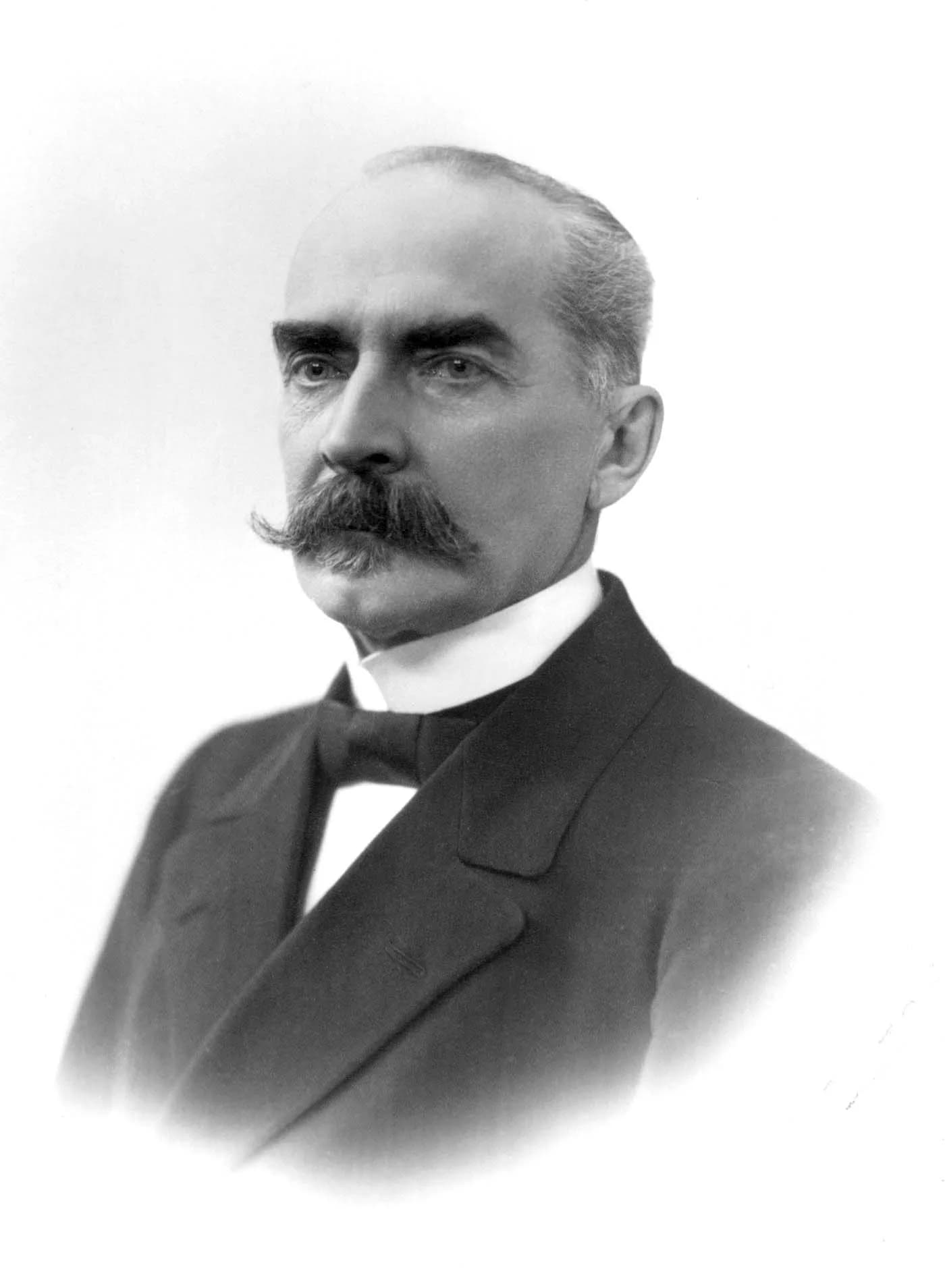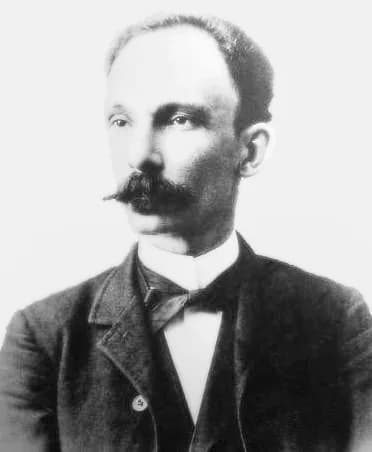
Sündinud
January 28, 1853
Havana, Cuba
Surnud
May 19, 1895
Oriente Province, Cuba
Tuntud kui
Cuban poet, philosopher and nationalist
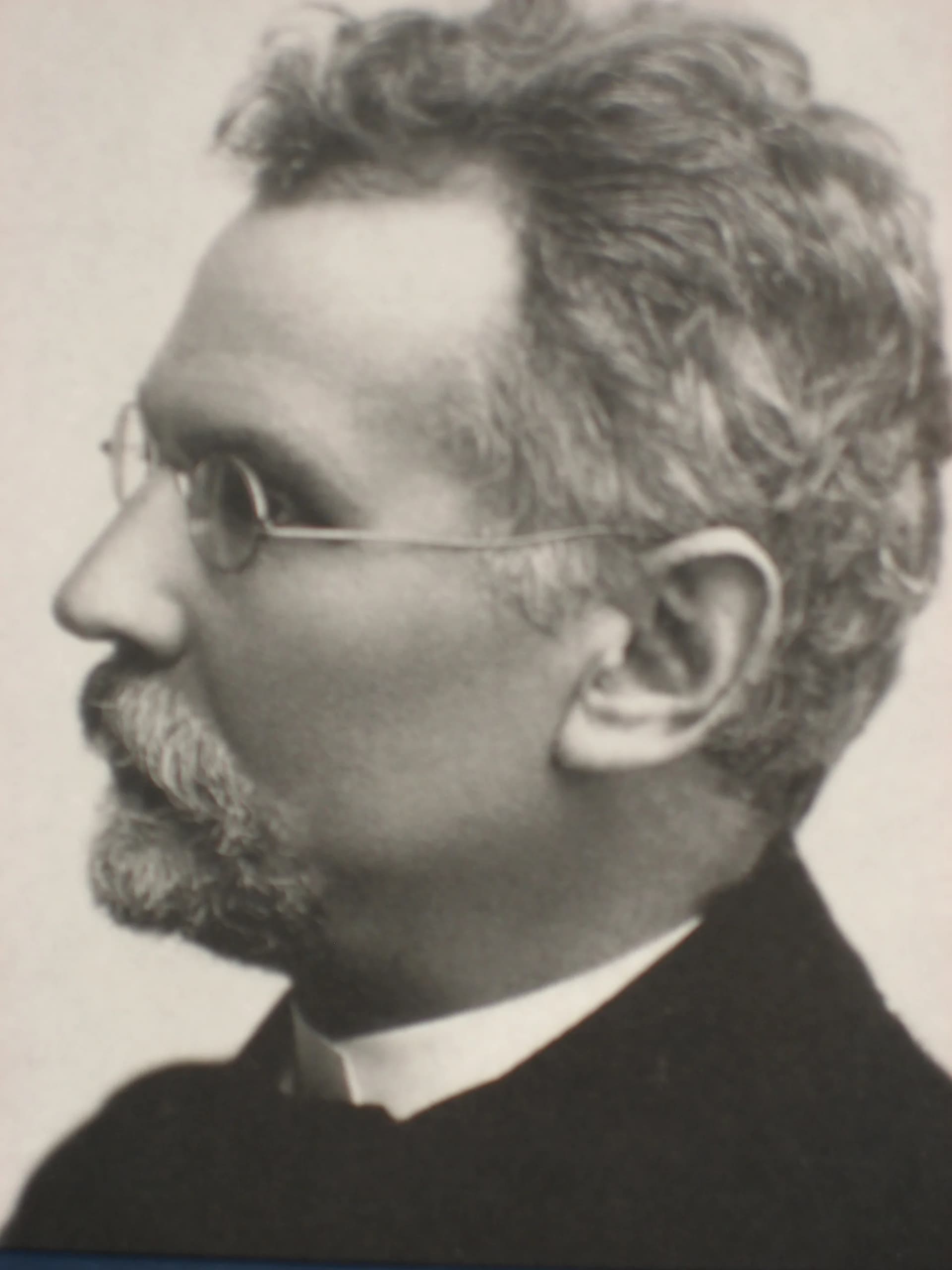
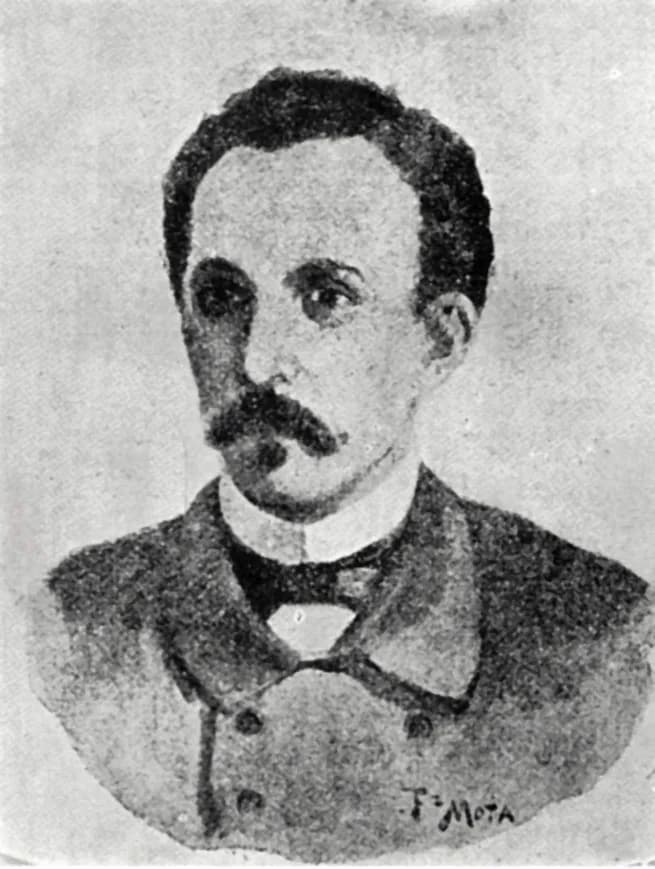
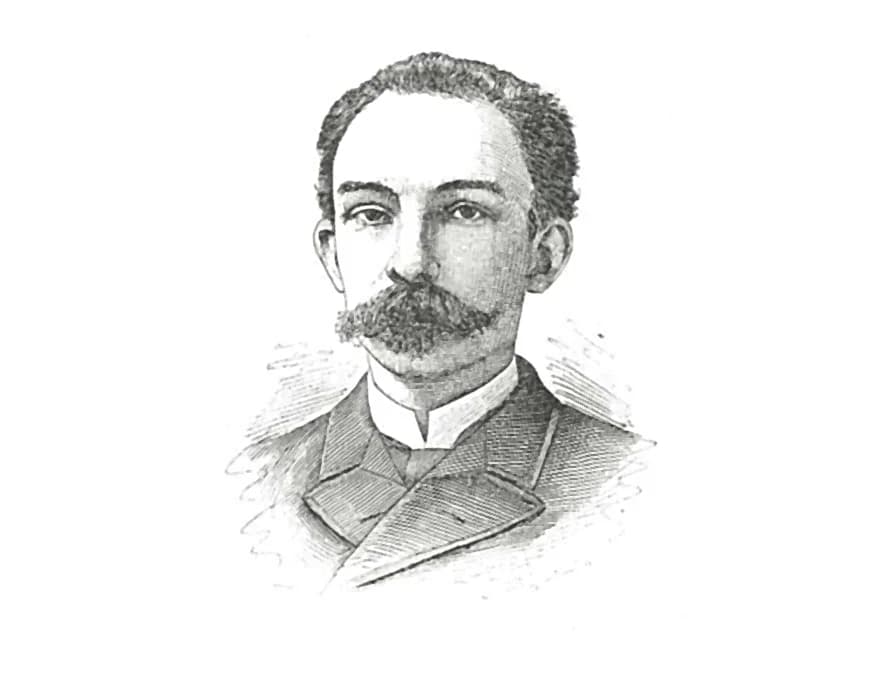
José Martí (1853–1895) was Cuba best known for Cuban poet, philosopher and nationalist.
José Julián Martí Pérez (1853-1895) was a Cuban poet, philosopher, and revolutionary from Havana, Cuba. Known as the "Apostle of Cuban Independence," he dedicated his life to liberating Cuba from Spanish rule through his writings and political activism. His death in battle became a rallying cry for Cuban independence.
Elu hetkedes
Hetked, mis elu kujundasid
Peatükk
Elu peatükid
Peatükk 1 · 1853· Peatükk 1 / 6
Early Life and Origins
José Martí was born on January 28, 1853, in Havana, Cuba, during a time when the island remained firmly under Spanish colonial control. Growing up in this environment of political tension and cultural suppression, young Martí witnessed firsthand the struggles of his fellow Cubans under foreign rule. From his adolescence onward, he demonstrated an exceptional intellect and an unwavering commitment to the ideals of liberty and independence that would define his entire life.
The formative years of Martí's life were marked by his early exposure to the concepts of freedom and justice that would later fuel his revolutionary spirit. His education and upbringing in colonial Havana provided him with both the intellectual tools and the moral conviction necessary to challenge the established order. Even as a young man, Martí understood that Cuba's path to independence would require not just military action but also intellectual and cultural awakening among his people.
Peatükk 2· Peatükk 2 / 6
Career Beginnings and Literary Development
Martí's career began to take shape through his work as a writer and journalist, professions that allowed him to combine his literary talents with his political convictions. His early writings demonstrated a remarkable ability to articulate the aspirations of the Cuban people while addressing broader themes of Latin American identity and independence. As a translator and essayist, he developed a unique voice that resonated with readers across the Spanish-speaking world.
His work as a journalist provided Martí with a platform to spread his ideas about Cuban independence and Latin American unity. Through his articles and essays, he began to establish himself as a leading intellectual voice in the movement for Cuban liberation. His writing career also encompassed work as a professor and publisher, roles that allowed him to influence a new generation of Latin American thinkers and activists.
Peatükk 3· Peatükk 3 / 6
Major Achievements and Revolutionary Leadership
Martí's greatest achievement was his role in organizing and inspiring the Cuban independence movement through both his political activism and his powerful writings. He became the acknowledged leader of the Cuban revolutionary cause, earning the title "Apostle of Cuban Independence" through his tireless efforts to unite Cuban exiles and plan the liberation of their homeland. His political theories and strategies provided the intellectual framework for the Cuban independence movement.
As a political theorist and philosopher, Martí developed important ideas about democracy, independence, and Latin American identity that influenced political thought throughout the region. His work went beyond simple anti-colonial activism to encompass a broader vision of intellectual independence for all Spanish Americans. His death in battle on May 19, 1895, in Oriente Province, became a powerful symbol that galvanized both committed revolutionaries and previously hesitant Cubans to join the fight for independence.
Peatükk 4· Peatükk 4 / 6
Literary Works and Intellectual Contributions
Among Martí's most celebrated literary works are "Versos sencillos," "Ismaelillo," and "Lucía Jerez," which showcase his talents as both a poet and novelist. His essay "Simon Bolívar, libertador de la America del Sur" demonstrated his deep understanding of Latin American history and his admiration for other independence leaders. Works like "La cuestión racial" revealed his progressive thinking on social issues, while "Dos patrias tengo yo" explored themes of identity and belonging that resonated with exiled Cubans.
His collections "Cuentos de hoy y mañana" and "Lira guerrera" further established his reputation as a major literary figure whose writing served both artistic and political purposes. The work "Contra el gigante" reflected his concerns about the growing influence of the United States in Latin America, while "Libertad" encapsulated his philosophical commitment to the cause of freedom. These works collectively established Martí as one of the most important writers in Latin American literature.
Peatükk 5· Peatükk 5 / 6
Political Philosophy and Pan-American Vision
Martí's political philosophy extended far beyond Cuban independence to encompass a broader vision of Latin American unity and intellectual liberation. He advocated for the promotion of liberty and political independence not just for Cuba but for all Spanish American nations. His writings on political theory emphasized the importance of cultural and intellectual independence alongside political freedom, arguing that true liberation required both military victory and spiritual awakening.
His work as a political activist was characterized by his ability to unite diverse groups of Cuban exiles around a common cause while maintaining his commitment to democratic principles and social justice. Martí's vision of independence was never merely about replacing Spanish rule with Cuban rule, but about creating a just and democratic society that could serve as a model for other Latin American nations seeking their own paths to freedom and prosperity.
Peatükk 6· Peatükk 6 / 6
Legacy and Lasting Impact
José Martí's legacy extends far beyond his role in Cuban independence to encompass his contributions to Latin American literature, political thought, and the broader struggle for human freedom. His death in battle transformed him into a martyr whose sacrifice inspired generations of Cuban revolutionaries and independence fighters throughout Latin America. The impact of his writings and political theories can be seen in the continued reverence with which he is regarded in Cuba and throughout the Spanish-speaking world.
As a symbol of Cuba's bid for independence and a major figure in Latin American intellectual history, Martí's influence continues to be felt more than a century after his death. His combination of literary excellence, political vision, and personal sacrifice created a model of the intellectual-activist that has inspired countless writers, politicians, and revolutionaries. His life and work remain a testament to the power of ideas to change history and the importance of intellectual courage in the face of oppression.
KKK
Korduma kippuvad küsimused
Millal José Martí suri?
José Martí suri 19. mai 1895 Oriente Province, Cuba-s, 42-aastasena.
Kus José Martí sündis?
José Martí sündis Havana, Cuba-s 28. jaanuar 1853.
Mille poolest on José Martí kõige tuntum?
José Martí on kõige tuntum Cuban poet, philosopher and nationalist poolest.
Kui vana oli José Martí surres?
José Martí oli surres 42-aastane.
Mis rahvusest oli José Martí?
José Martí oli pärit Cuba-st.
Ajajoon
Elu lühidalt
Fotogalerii
Elu piltides
Klõpsake mis tahes polaroidil laiendamiseks · 41 fotot
QR-kood
Jaga seda biograafiat
Prindi ja jaga
Skannige selle biograafialehe külastamiseks. Printige üritusteks, näitusteks või õppematerjalideks.