Γεννήθηκε
July 19, 1890
Tatoi Palace, Greece
Πέθανε
April 1, 1947
Athens, Greece
Γνωστός/ή για
King of Greece (r. 1922-1924, 1935-1947)
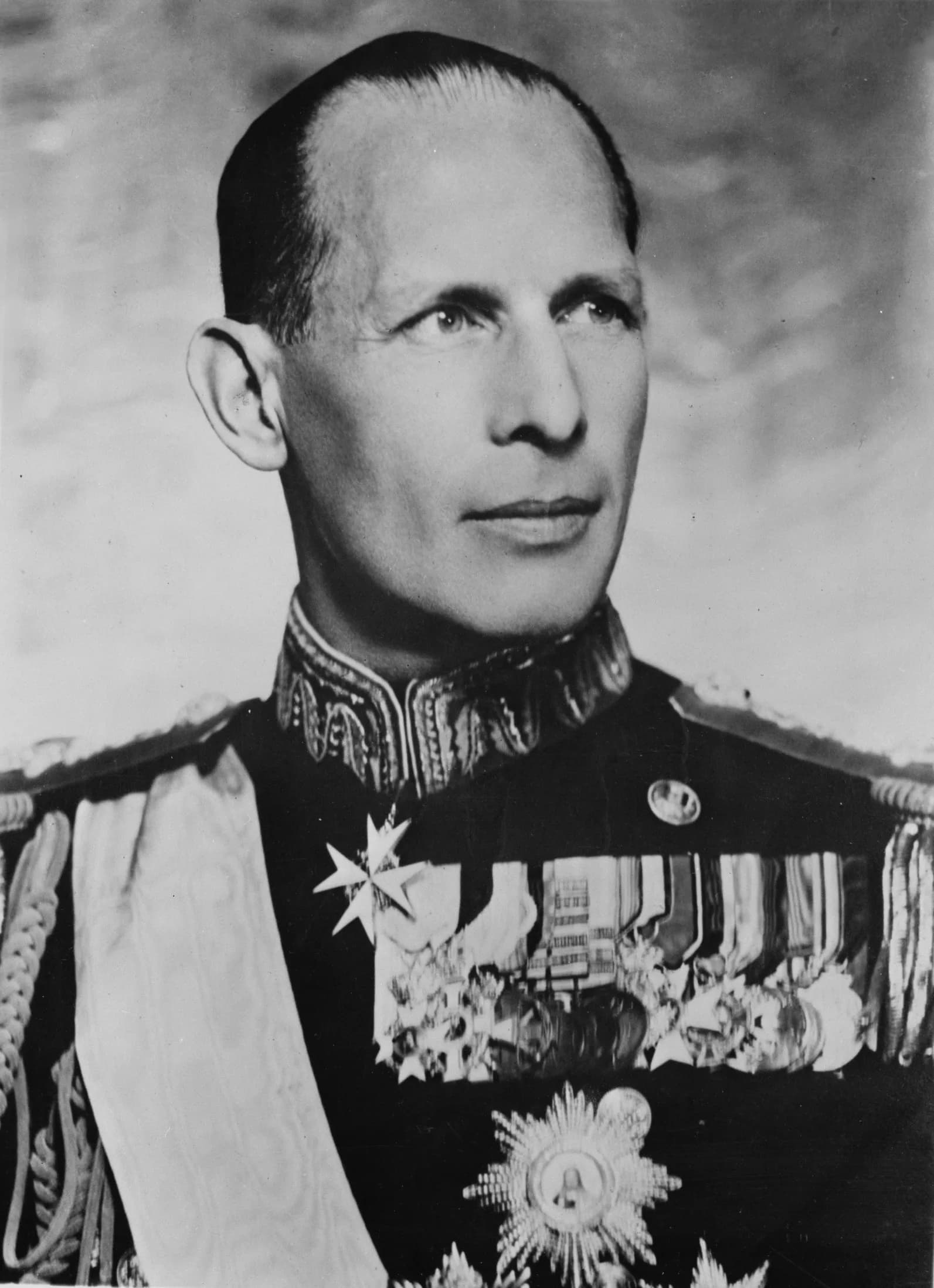
George II of Greece (1890–1947) was Greece best known for King of Greece (r. 1922-1924, 1935-1947).
George II of Greece (July 19, 1890 – April 1, 1947) was a monarch from Greece who reigned during two distinct periods. He guided his nation through significant political unrest, republican transitions, and the challenges of World War II. His steadfast leadership amidst global conflict remains a key part of his historical identity.
Κεφάλαιο
Κεφάλαια ζωής
Κεφάλαιο 1 · 1890· Κεφάλαιο 1 από 5
Early Life and Origins
His Royal Highness Prince George of Greece and Denmark was born on July 19, 1890, at Tatoi Palace, the picturesque royal estate situated outside Athens, Greece. He was the eldest son of King Constantine I and Queen Sophia of Prussia, placing him firmly within the succession line of the Hellenic throne. His early years involved military training and a comprehensive education befitting a future head of state.
Κεφάλαιο 2 · 1922· Κεφάλαιο 2 από 5
Career Beginnings
George II first ascended to the throne on September 27, 1922, amidst a period of profound national crisis following the Greco-Turkish War. His initial reign was remarkably short-lived, lasting less than two years. The political climate in Greece quickly shifted towards republicanism, leading to his exile and the proclamation of the Second Hellenic Republic on March 25, 1924.
During his years away from the throne, George II resided primarily in London, maintaining close ties with the international diplomatic community. He continued to observe Greek politics closely, anticipating a potential return. This period of exile provided him with a unique perspective on the challenges facing his homeland and Europe as a whole.
Κεφάλαιο 3 · 1935· Κεφάλαιο 3 από 5
Major Achievements and Career Highlights
A national referendum led to the restoration of the monarchy, and George II returned to Greece, reclaiming his position as King on November 25, 1935. This second reign proved to be even more challenging, occurring on the eve of World War II. He faced the immense task of guiding Greece through a period of rising authoritarianism and the existential threat of war.
Under his leadership, Greece initially attempted to maintain neutrality, but the country was ultimately drawn into the conflict. His decision to resist the Axis powers in 1940, despite overwhelming odds, became a point of national pride. The King and his government were forced into exile once more when German forces occupied Greece in April 1941, relocating to Crete and then to Egypt and later London.
Κεφάλαιο 4· Κεφάλαιο 4 από 5
Later Years
From abroad, George II continued his role as the symbolic head of the Greek nation during its occupation. He worked to rally international support for Greece and coordinated with the exiled government. His commitment to the liberation of his homeland remained unwavering throughout the war years.
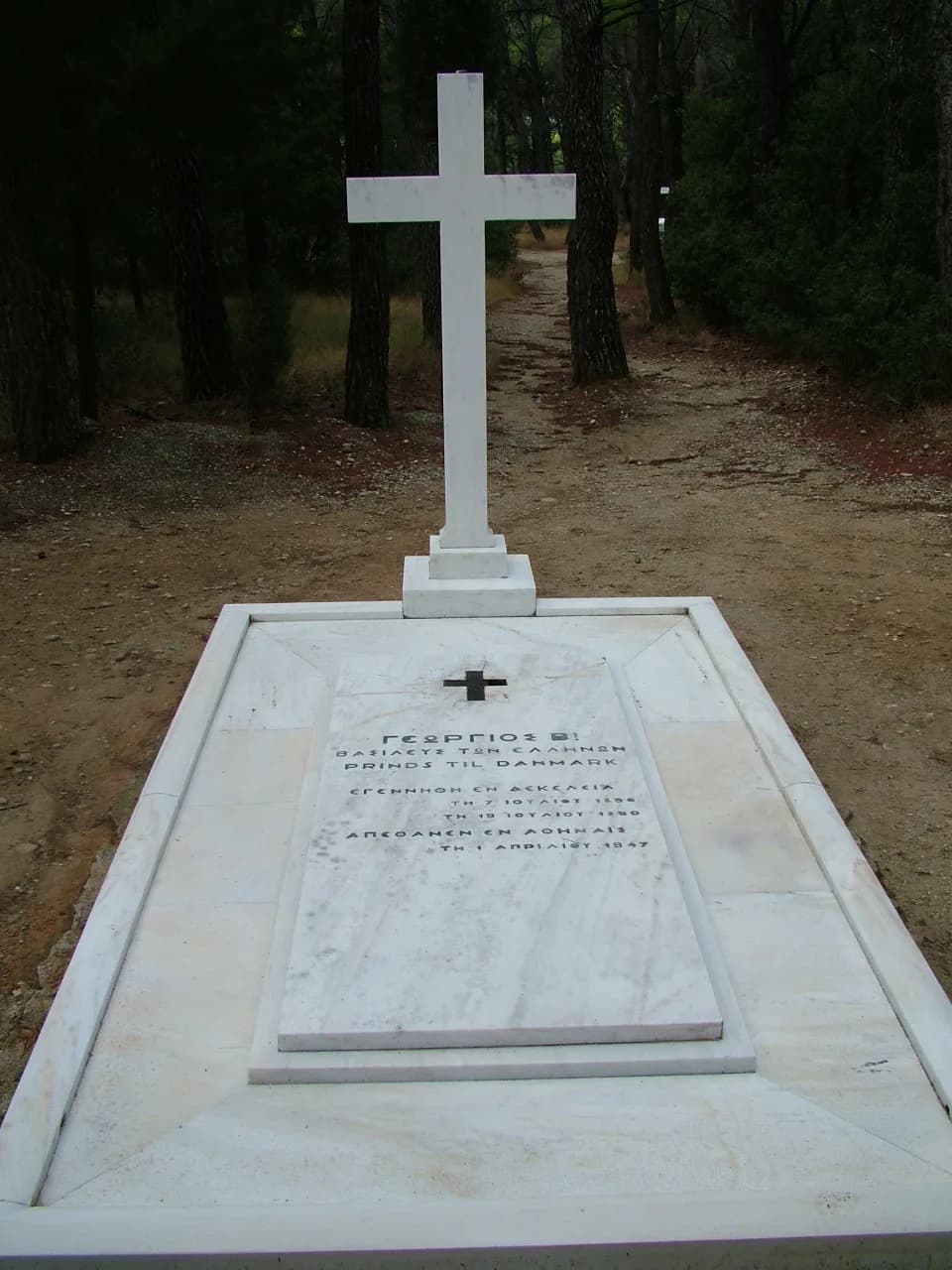
Following the liberation of Greece, another plebiscite in 1946 approved his return, allowing him to resume his duties as King. He returned to a country devastated by war and embroiled in a nascent civil conflict, tasked with overseeing reconstruction and national reconciliation. King George II passed away suddenly on April 1, 1947, in Athens, bringing an end to his eventful life and reign.
Κεφάλαιο 5· Κεφάλαιο 5 από 5
Legacy and Impact
George II's legacy is defined by his steadfastness through an era of extraordinary turbulence for Greece. His dual reigns, marked by forced exiles and returns, reflect the volatile nature of 20th-century European politics. He is remembered for his dedication to his country, even when facing personal and national adversity.
His tenure as monarch saw Greece transition through various political systems and survive a global war, securing its place within the post-war international order. George II remains a significant figure in the history of modern Greece, symbolizing resilience and the complex struggle for national identity during a period of intense change.
Μια ζωή σε στιγμές
Οι στιγμές που διαμόρφωσαν μια ζωή
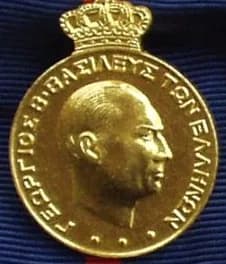
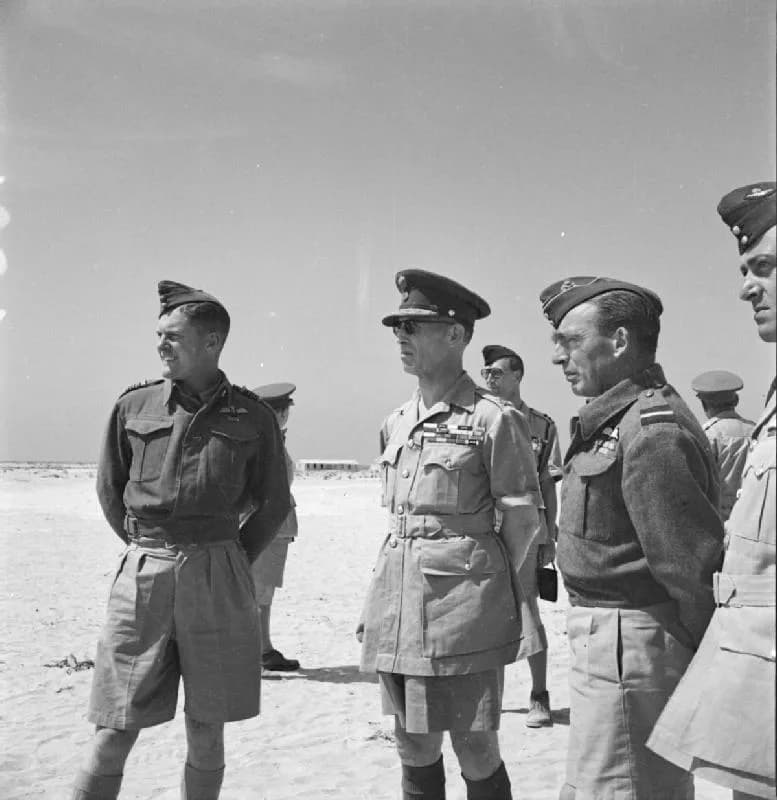
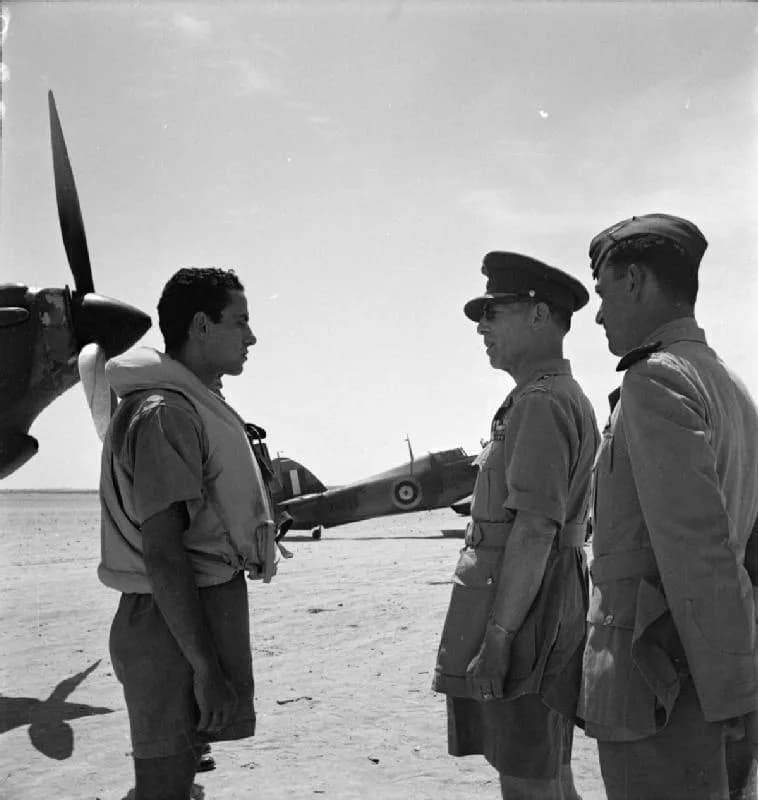
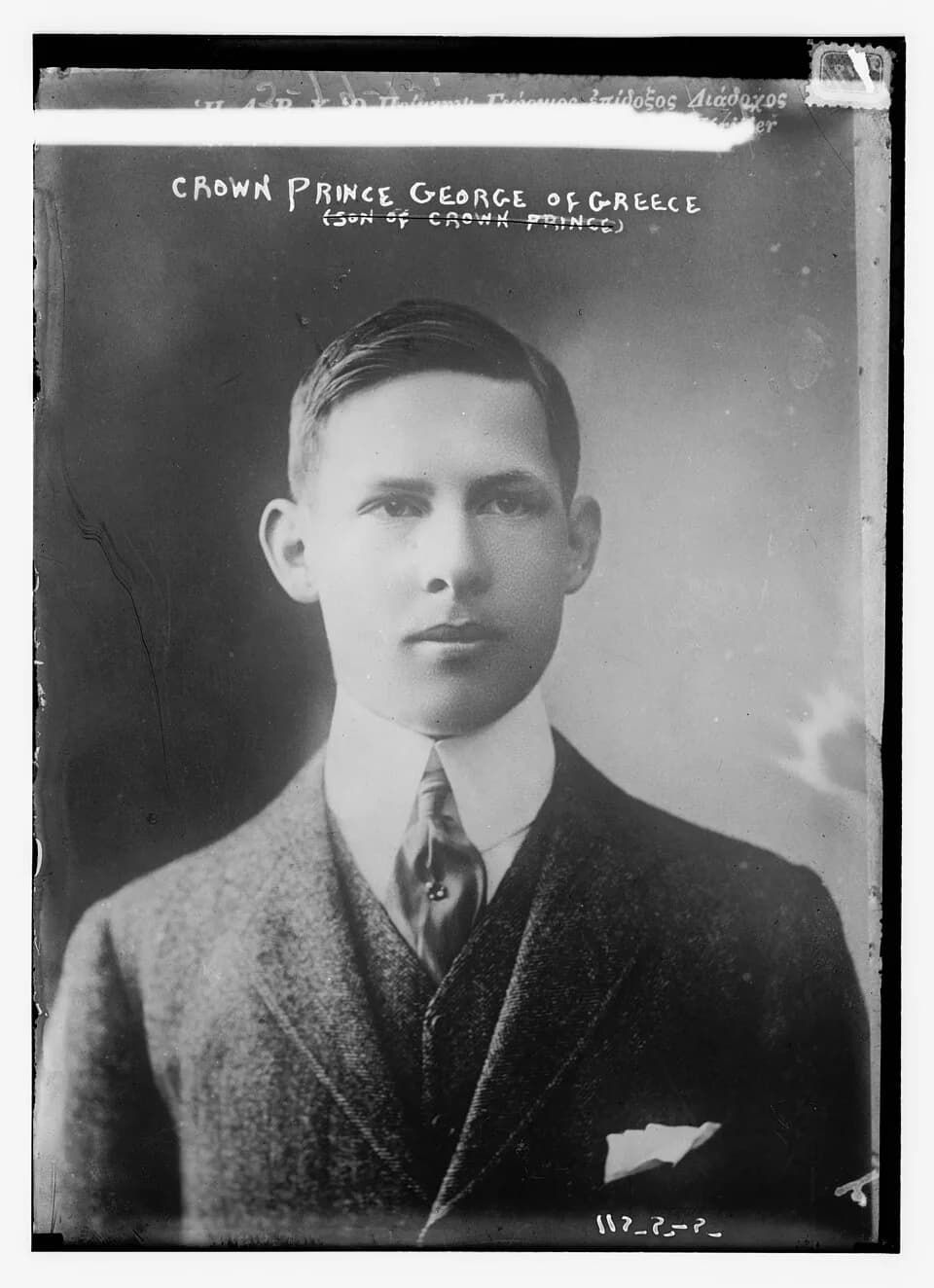
Συχνές Ερωτήσεις
Συχνές ερωτήσεις
Πότε πέθανε ο/η George II of Greece;
Ο/Η George II of Greece πέθανε στις 1 Απριλίου 1947 στο Athens, Greece, σε ηλικία 56 ετών.
Πού γεννήθηκε ο/η George II of Greece;
Ο/Η George II of Greece γεννήθηκε στο Tatoi Palace, Greece στις 19 Ιουλίου 1890.
Για τι είναι περισσότερο γνωστός/ή ο/η George II of Greece;
Ο/Η George II of Greece είναι περισσότερο γνωστός/ή για King of Greece (r. 1922-1924, 1935-1947).
Πόσων ετών ήταν ο/η George II of Greece όταν πέθανε;
Ο/Η George II of Greece ήταν 56 ετών τη στιγμή του θανάτου του/της.
Ποια ήταν η εθνικότητα του/της George II of Greece;
Ο/Η George II of Greece καταγόταν από Greece.
Χρονοδιάγραμμα
Η ζωή με μια ματιά
Συλλογή φωτογραφιών
Μια ζωή σε εικόνες
Κάντε κλικ σε οποιοδήποτε polaroid για μεγέθυνση · 25 φωτογραφίες
Κωδικός QR
Μοιραστείτε Αυτή τη Βιογραφία
Εκτύπωση & Κοινή Χρήση
Σκανάρετε για να επισκεφτείτε αυτή τη βιογραφική σελίδα. Εκτυπώστε για εκδηλώσεις, εκθέσεις ή εκπαιδευτικό υλικό.