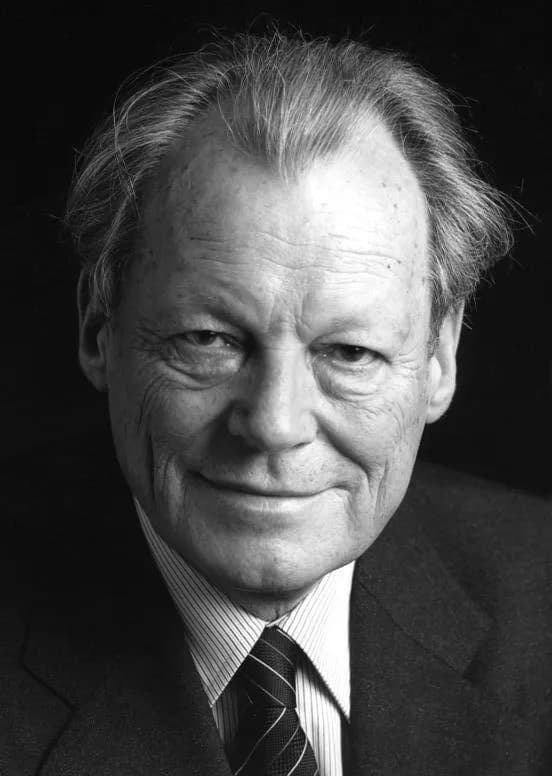
Ganwyd
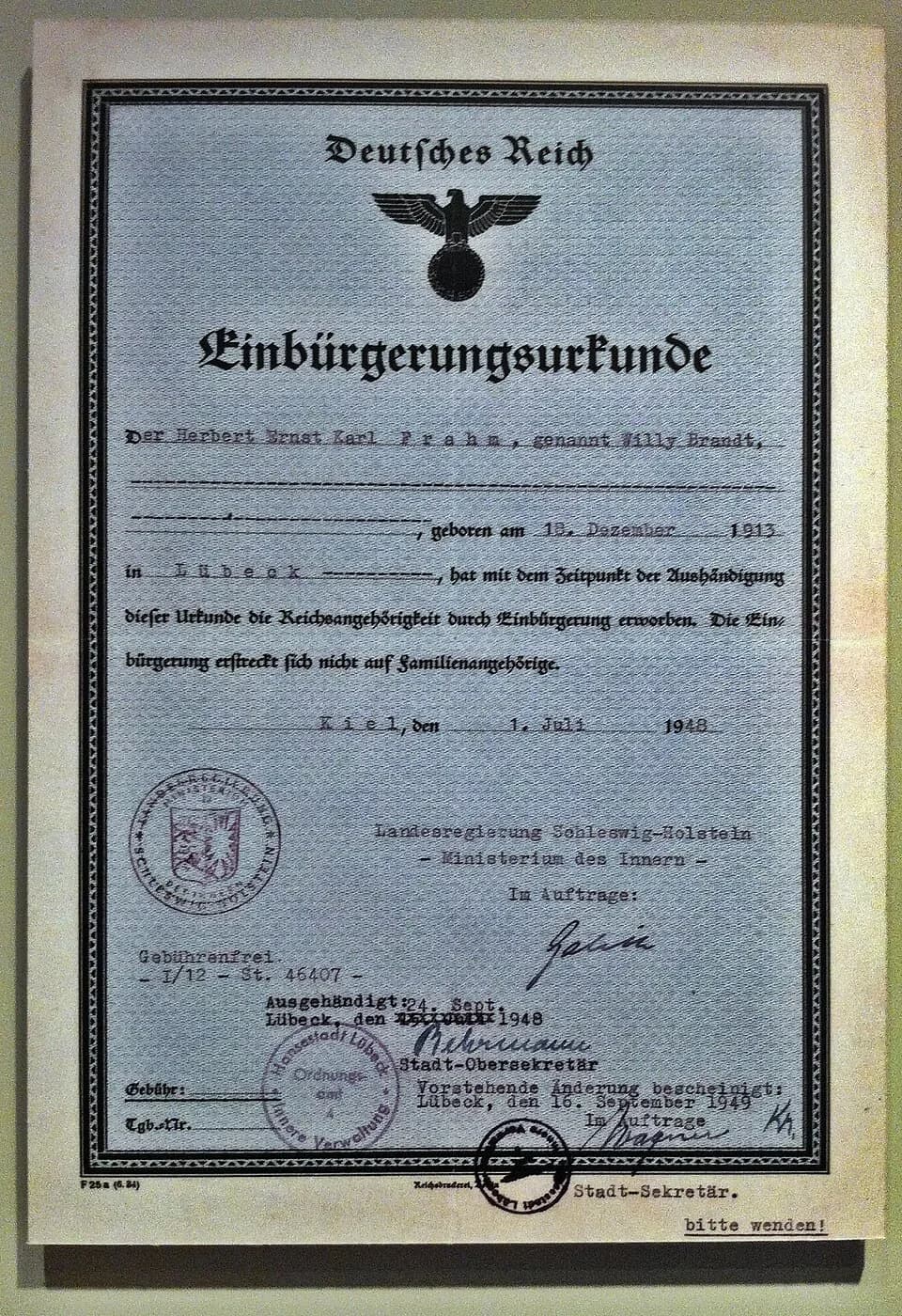
December 18, 1913
Sankt Lorenz, Germany
Bu farw
October 8, 1992
Unkel, Germany
Yn adnabyddus am
German politician (SPD), chancellor of West Germany (1969–1974) and Nobel Peace Prize laureate
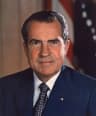
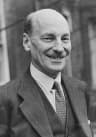
Willy Brandt (1913-1992) was a German politician and statesman who served as Chancellor of West Germany from 1969-1974. He won the Nobel Peace Prize in 1971 for strengthening European cooperation and achieving reconciliation between East and West. His diplomatic efforts helped lay groundwork for peaceful Cold War resolution.
Pennod
Penodau bywyd
Pennod 1 · 1913· Pennod 1 o 7
Early Life and Origins
Willy Brandt was born on December 18, 1913, in Sankt Lorenz, Germany, during a period of significant political upheaval in Europe. Growing up in the early decades of the 20th century, he witnessed firsthand the dramatic changes that would shape Germany's destiny. His formative years were marked by the aftermath of World War I and the economic and social challenges that followed, experiences that would later influence his political philosophy and commitment to democratic values.
The circumstances of his youth in Sankt Lorenz provided Brandt with a deep understanding of the struggles faced by ordinary Germans during times of political instability. These early experiences laid the foundation for his later dedication to social democracy and his belief in the importance of peaceful dialogue over conflict. His upbringing instilled in him the values that would guide his political career and his approach to international relations.
Pennod 2· Pennod 2 o 7
Career Beginnings
Brandt began his professional life as a journalist, a career that sharpened his understanding of political affairs and communication skills that would serve him well in his later political endeavors. His work in journalism provided him with valuable insights into the complexities of German society and politics during the tumultuous pre-war and war years. This background in media and communication became a cornerstone of his political approach, enabling him to articulate complex policy positions with clarity and conviction.
His transition from journalism to politics was driven by his commitment to social democratic principles and his belief in the power of democratic institutions to create positive change. As he moved into political roles, his journalistic background continued to inform his approach to leadership, emphasizing transparency and effective communication with the public. This unique combination of media experience and political acumen would prove essential throughout his career.
Pennod 3 · 1969· Pennod 3 o 7
Major Achievements and Career Highlights
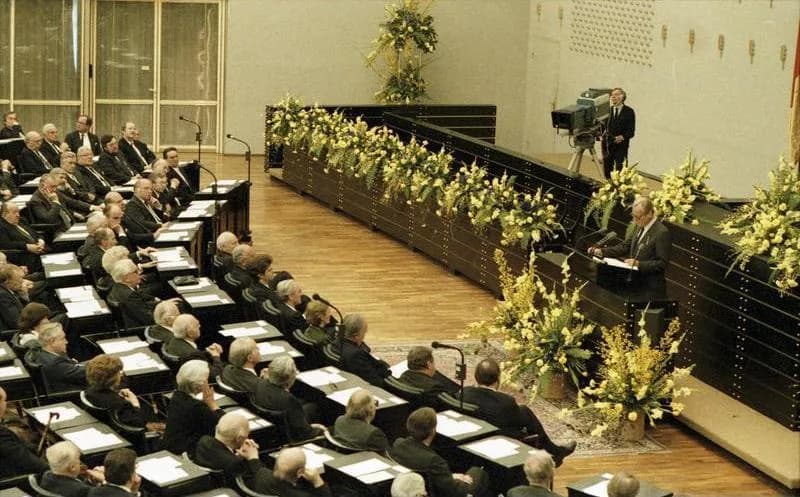
Brandt's most significant political achievement was serving as Chancellor of West Germany from 1969 to 1974, making him the first Social Democratic chancellor since 1930. His chancellorship marked a turning point in German politics and European relations. During this period, he implemented policies that strengthened cooperation in Western Europe through the European Economic Community (EEC) and worked tirelessly to improve relations between West Germany and Eastern European countries.
In 1971, Brandt was awarded the Nobel Peace Prize for his efforts to strengthen cooperation in Western Europe and achieve reconciliation between West Germany and Eastern European nations. The Nobel Committee recognized his work in paving the way for meaningful dialogue between East and West during the height of the Cold War. This prestigious award acknowledged not only his diplomatic achievements but also his vision of a Europe united by peace rather than divided by ideological differences.
Beyond his role as chancellor, Brandt served as mayor and foreign minister, demonstrating his versatility and deep commitment to public service. His leadership of the Social Democratic Party from 1964 to 1987 helped shape the direction of German social democracy for over two decades. Throughout these various roles, he consistently advocated for policies that promoted social justice, democratic values, and international cooperation.
Pennod 4· Pennod 4 o 7
Notable Works and Contributions
As an accomplished autobiographer and political writer, Brandt authored numerous works that documented his political philosophy and experiences. His notable publications include "Berlin: Hauptstadt Deutschlands," "Freiheit und Sozialismus" (Freedom and Socialism), and "Die Partei der Freiheit" (The Party of Freedom). These works provide valuable insights into his thinking on democracy, socialism, and the future of Germany and Europe.
His writings, including "Weiterarbeiten am Modell Deutschland" and "Kurs Marktwirtschaft," explored themes of democratic governance and economic policy that were central to his political career. Through works like "Vospominaniia" (Memoirs), he shared his personal experiences and reflections on the major political events of his era. These publications served not only as historical records but also as contributions to ongoing debates about democracy, social policy, and international relations in post-war Europe.
Pennod 5· Pennod 5 o 7
Personal Life and Character
Throughout his public career, Brandt maintained a reputation for integrity and principled leadership that transcended party lines. His personal commitment to democratic values and social justice was evident not only in his political positions but also in his approach to leadership and public service. Colleagues and opponents alike respected his dedication to finding peaceful solutions to complex political problems.
His ability to build bridges between opposing viewpoints and his commitment to dialogue over confrontation defined his personal approach to politics. These qualities made him an effective leader during some of the most challenging periods in post-war European history. His personal character and political philosophy were inseparable, with both reflecting a deep belief in the power of democratic institutions and peaceful cooperation to solve international conflicts.
Pennod 6 · 1974· Pennod 6 o 7
Later Years and Final Period
After stepping down as chancellor in 1974, Brandt continued to play an active role in German and European politics through his leadership of the Social Democratic Party until 1987. His later years were marked by continued advocacy for the causes he had championed throughout his career: European integration, East-West dialogue, and social democratic principles. Even after retiring from formal political leadership, he remained a respected voice in international affairs.
Brandt spent his final years in Unkel, Germany, where he continued to write and reflect on the political developments he had helped shape. His later writings and speeches continued to influence political discourse in Germany and Europe. He passed away on October 8, 1992, in Unkel, leaving behind a legacy of leadership that had fundamentally changed the course of European history.
Pennod 7· Pennod 7 o 7
Legacy and Impact
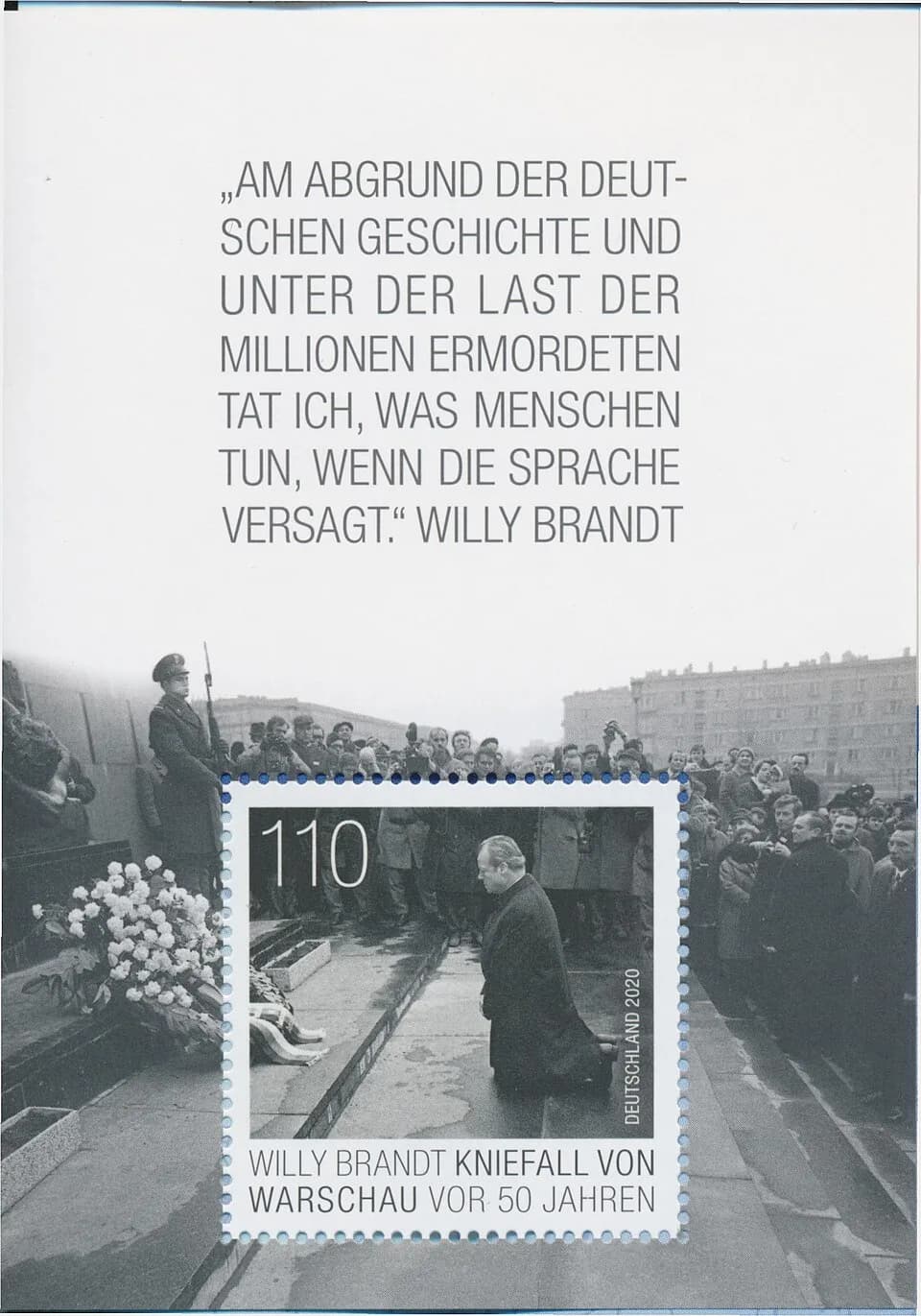
Willy Brandt's impact on German politics and European relations cannot be overstated. His efforts to normalize relations between East and West Germany and his broader work toward European reconciliation helped lay the groundwork for the eventual reunification of Germany and the peaceful end of the Cold War. His approach to diplomacy, emphasizing dialogue and mutual understanding over confrontation, became a model for international relations.
His influence extends beyond his specific policy achievements to his demonstration of how democratic leadership can effectively address complex international challenges. The principles he championed – social democracy, European cooperation, and peaceful conflict resolution – continue to influence political leaders and policy makers today. His Nobel Peace Prize stands as recognition not only of his individual achievements but also of the power of democratic leadership to create lasting positive change in the world.
Bywyd mewn eiliadau
Yr eiliadau a luniodd fywyd
Cwestiynau Cyffredin
Cwestiynau a ofynnir yn aml
Pryd y bu farw Willy Brandt?
Bu farw Willy Brandt ar 8 Hydref 1992 yn Unkel, Germany yn 78 oed.
Ble cafodd Willy Brandt ei eni?
Cafodd Willy Brandt ei eni yn Sankt Lorenz, Germany ar 18 Rhagfyr 1913.
Am beth y mae Willy Brandt fwyaf adnabyddus?
Mae Willy Brandt fwyaf adnabyddus am German politician (SPD), chancellor of West Germany (1969–1974) and Nobel Peace Prize laureate.
Faint oedd oed Willy Brandt pan fu farw?
Roedd Willy Brandt yn 78 oed pan fu farw.
Pa genedligrwydd oedd Willy Brandt?
Roedd Willy Brandt o Germany.
Llinell amser
Bywyd ar olwg
Oriel luniau
Bywyd mewn lluniau
Cliciwch unrhyw polaroid i'w ehangu · 47 llun
Cod QR
Rhannu'r Cofiant Hwn
Argraffu a Rhannu
Sganio i ymweld â'r dudalen cofiant hon. Argraffu ar gyfer digwyddiadau, arddangosfeydd, neu ddeunyddiau addysgol.