Ganwyd
January 27, 1893
Shanghai, People's Republic of China
Bu farw
May 29, 1981
Beijing, People's Republic of China
Yn adnabyddus am
former Vice President of the People's Republic of China and third wife of Sun Yat-sen
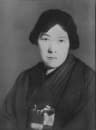
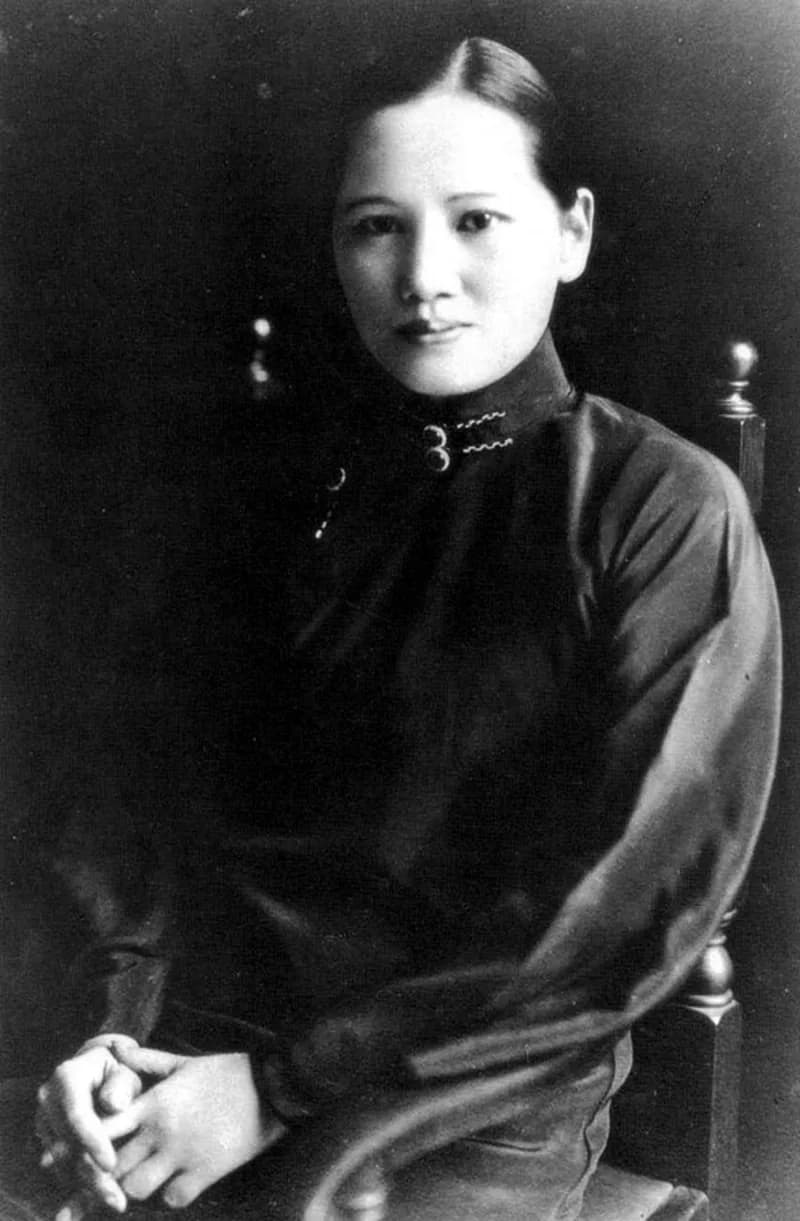
Soong Ching-ling (1893-1981) was a Chinese politician and wife of revolutionary leader Sun Yat-sen. Known as the "Mother of Modern China," she became the only female, non-Communist head of state of the People's Republic of China. Her legacy bridges China's republican and communist eras.
Pennod
Penodau bywyd
Pennod 1 · 1893· Pennod 1 o 7
Early Life and Origins
Born on January 27, 1893, in Shanghai, Soong Ching-ling came from the prominent Soong family, who would play crucial roles in shaping modern China. Her family's influence extended across political and social spheres during one of China's most turbulent periods. Growing up in Shanghai, she witnessed firsthand the social and political changes sweeping through China at the turn of the century.
Pennod 2· Pennod 2 o 7
Marriage and Political Awakening
Soong Ching-ling's entry into political life came through her marriage to Sun Yat-sen, the founder of the Republic of China. As his third wife, she became deeply involved in the revolutionary movements that sought to transform China from an imperial system to a modern republic. This marriage positioned her at the center of Chinese political life and established her reputation as "Madame Sun Yat-sen."
Pennod 3· Pennod 3 o 7
Leadership in the Kuomintang
Following her husband's death, Soong Ching-ling emerged as a prominent leader of the left wing of the Kuomintang (KMT). She founded the Revolutionary Committee of the KMT, demonstrating her commitment to continuing Sun Yat-sen's revolutionary ideals. Her political philosophy often put her at odds with other KMT leaders, as she advocated for more progressive social and economic reforms.
Pennod 4 · 1949· Pennod 4 o 7
Transition to Communist Government
In 1949, Soong Ching-ling made a significant political transition by entering the Communist government of the newly established People's Republic of China. This decision reflected her belief that the Communist Party better represented the revolutionary principles she had long championed. Her inclusion in the new government provided continuity between the republican and communist eras of Chinese history.
Pennod 5· Pennod 5 o 7
Historic Leadership Role
Soong Ching-ling achieved the remarkable distinction of becoming the only female, non-Communist head of state of the People's Republic of China. This position highlighted both her unique political status and the respect she commanded across party lines. Her role bridged the gap between China's revolutionary past and its communist future, lending legitimacy to the new government through her connection to Sun Yat-sen's legacy.
Pennod 6· Pennod 6 o 7
Final Years and Party Membership
In her final weeks, Soong Ching-ling received two of the highest honors possible in Communist China. She was named Honorary Chairman of the People's Republic of China, recognizing her decades of service to the Chinese people. Additionally, she was admitted to the Chinese Communist Party, formally acknowledging her ideological alignment with the party's goals.
Pennod 7 · 1981· Pennod 7 o 7
Legacy and Impact
Soong Ching-ling's death in Beijing on May 29, 1981, marked the end of an era in Chinese politics. Her life story reflects the dramatic changes China experienced throughout the 20th century. As a member of the influential Soong family and the widow of Sun Yat-sen, she maintained connections to China's republican heritage while embracing its communist future. Her legacy as the "Mother of Modern China" continues to resonate in contemporary Chinese political culture, representing the possibility of unity across ideological divides for the betterment of the Chinese nation.
Bywyd mewn eiliadau
Yr eiliadau a luniodd fywyd

Cwestiynau Cyffredin
Cwestiynau a ofynnir yn aml
Pryd y bu farw Soong Ching-ling?
Bu farw Soong Ching-ling ar 29 Mai 1981 yn Beijing, People's Republic of China yn 88 oed.
Ble cafodd Soong Ching-ling ei eni?
Cafodd Soong Ching-ling ei eni yn Shanghai, People's Republic of China ar 27 Ionawr 1893.
Am beth y mae Soong Ching-ling fwyaf adnabyddus?
Mae Soong Ching-ling fwyaf adnabyddus am former Vice President of the People's Republic of China and third wife of Sun Yat-sen.
Faint oedd oed Soong Ching-ling pan fu farw?
Roedd Soong Ching-ling yn 88 oed pan fu farw.
Pa genedligrwydd oedd Soong Ching-ling?
Roedd Soong Ching-ling o People's Republic of China.
Llinell amser
Bywyd ar olwg
Oriel luniau
Bywyd mewn lluniau
Cliciwch unrhyw polaroid i'w ehangu · 25 llun
Cod QR
Rhannu'r Cofiant Hwn
Argraffu a Rhannu
Sganio i ymweld â'r dudalen cofiant hon. Argraffu ar gyfer digwyddiadau, arddangosfeydd, neu ddeunyddiau addysgol.