Ganwyd
December 2, 1891
Untermhaus, Germany
Bu farw
July 25, 1969
Singen, Germany
Yn adnabyddus am
German painter and printmaker
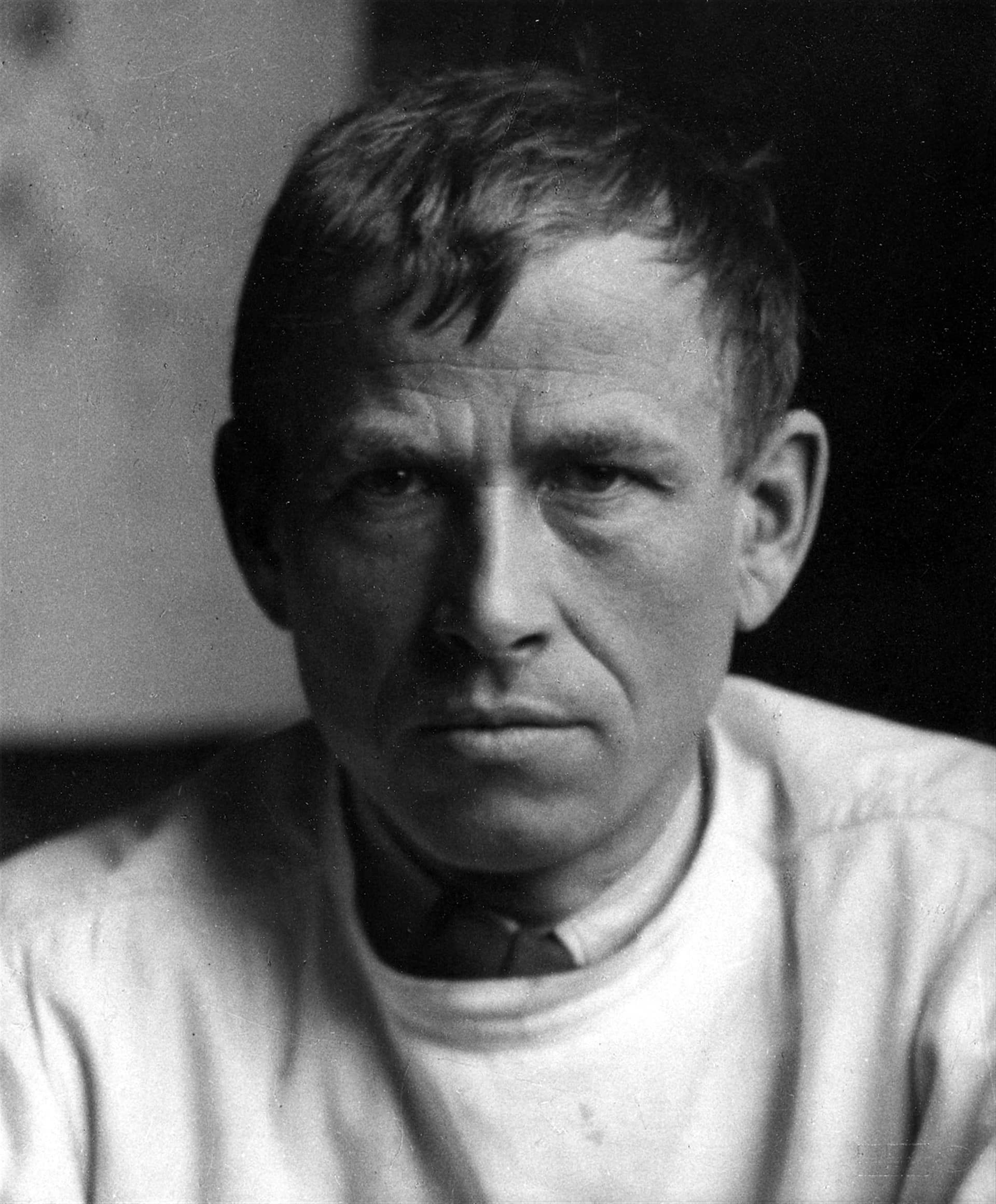
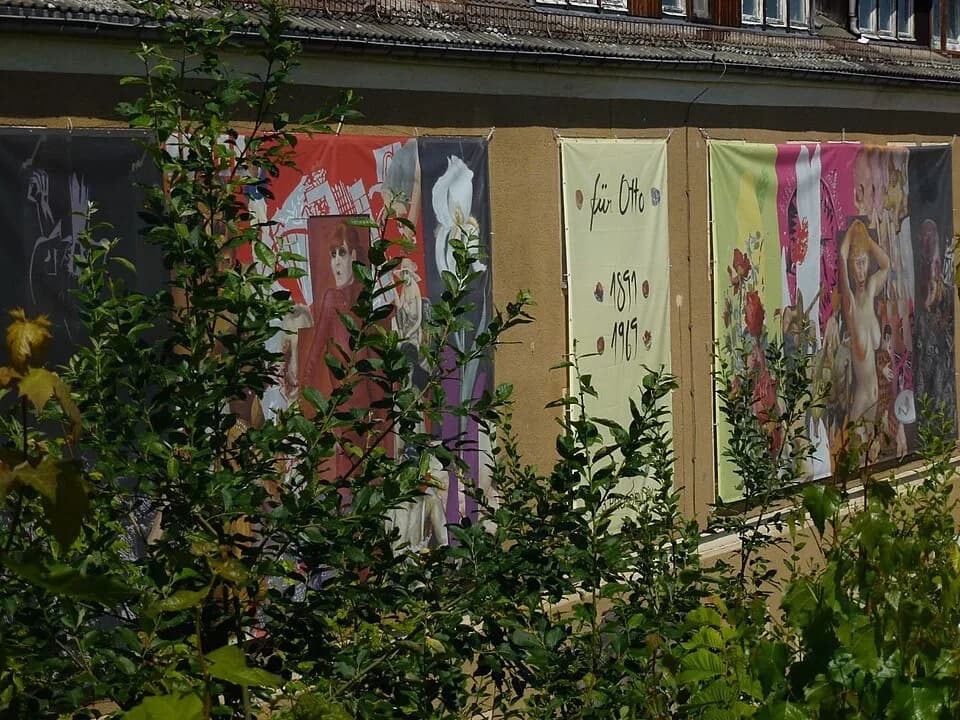
Otto Dix (1891–1969) was Germany best known for German painter and printmaker.
Wilhelm Heinrich Otto Dix (December 2, 1891 – July 25, 1969) was a German painter and printmaker from Untermhaus, Germany. He was known for his raw, realistic depictions of the Weimar Republic and the horrors of war. Dix remains a key figure of the Neue Sachlichkeit movement, leaving a powerful artistic legacy.
Pennod
Penodau bywyd
Pennod 1 · 1891· Pennod 1 o 6
Early Life and Origins
Born on December 2, 1891, Wilhelm Heinrich Otto Dix began his life in Untermhaus, Germany. His early environment in this region undoubtedly shaped his artistic sensibilities and perspective. While specific details of his upbringing beyond his birth location are not provided, his later work often reflected a deep engagement with the human condition and societal structures.
Pennod 2· Pennod 2 o 6
Career Beginnings and Artistic Development
Dix cultivated a diverse artistic practice throughout his career, working across multiple mediums. He was recognized as a painter, printmaker, and draftsperson, demonstrating versatility in his approach to art. His professional life also saw him engaged as a lithographer, a sculptor, and a university teacher, reflecting a broad commitment to the arts and education. Beyond his visual arts pursuits, Dix was also known to be an Esperantist, indicating a personal interest in international communication and culture.
Pennod 3· Pennod 3 o 6
Major Achievements and Artistic Philosophy
Otto Dix gained significant acclaim for his distinctive artistic style, characterized by its ruthless and harshly realistic depictions. He focused intently on German society during the turbulent Weimar Republic, capturing its complexities and contradictions with an unsparing eye. Furthermore, Dix did not shy away from portraying the grim realities and brutality of war, experiences that deeply impacted his artistic output. This unwavering commitment to realism cemented his status as a key figure in the Neue Sachlichkeit movement.
Pennod 4 · 1922· Pennod 4 o 6
Notable Works and Thematic Exploration
Dix's extensive body of work offered powerful commentaries on his era, often focusing on social critique and the aftermath of conflict. His series "Death and Resurrection" from 1922 includes haunting pieces such as "Murder," "Barricade Fighters," and "Dead Soldier," illustrating the stark realities of violence. From the same year, "The Businessman Max Roesberg, Dresden," provides insight into the societal figures of his time, while "International Circus Equestrian" and "American Circus Equestrians" showcase a different facet of his observational skill.
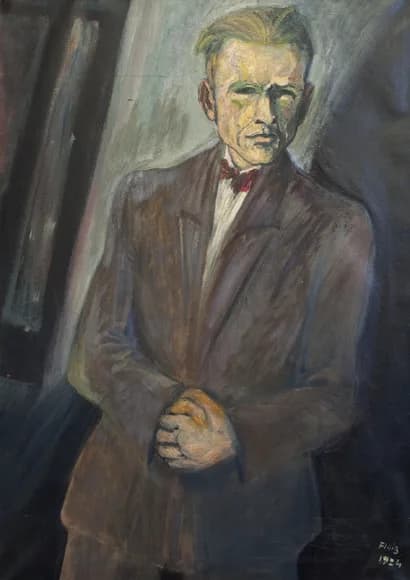
Other significant works include "Marga Kummer" (1914) and "Seated Nude" (1923), both held at the Met Museum, demonstrating his range in portraiture and figure studies. His deep engagement with the subject of war is further exemplified by works like "Evening on the Wijtschaete Plain (November 1917)," part of his seminal "War" series from 1924, and "Night-time Encounter with a Madman," from the same series. Dix also depicted the underbelly of society with works like "Pimp and Whore" (1921) and "The Madam" (1925), along with societal portraits such as "Portrait of Mr. Bittermann" (1923) and "North German Girl" (c. 1920). These works, many housed in prestigious institutions like the Met Museum and the Art Institute of Chicago (AIC), stand as enduring examples of his penetrating artistic vision.
Pennod 5 · 1969· Pennod 5 o 6
Later Years and Enduring Influence
Otto Dix continued to create art throughout his life, leaving a substantial artistic record. He passed away on July 25, 1969, in Singen, Germany, concluding a life dedicated to artistic expression. His contributions ensured his place among the most influential German artists of the 20th century, inspiring generations of artists and thinkers. He remained a powerful voice for realism until his final days.
Pennod 6· Pennod 6 o 6
Legacy and Impact
The influence of Otto Dix on the art world, particularly in Germany, is undeniable. His pioneering role in the Neue Sachlichkeit movement shaped the trajectory of realistic art in the interwar period, offering a stark alternative to expressionism. Through his ruthless honesty and powerful visual language, Dix compelled viewers to confront uncomfortable truths about society and human conflict. His works continue to provoke discussion and serve as critical historical documents, ensuring his enduring relevance in art history and beyond.
Bywyd mewn eiliadau
Yr eiliadau a luniodd fywyd
Cwestiynau Cyffredin
Cwestiynau a ofynnir yn aml
Pryd y bu farw Otto Dix?
Bu farw Otto Dix ar 25 Gorffennaf 1969 yn Singen, Germany yn 77 oed.
Ble cafodd Otto Dix ei eni?
Cafodd Otto Dix ei eni yn Untermhaus, Germany ar 2 Rhagfyr 1891.
Am beth y mae Otto Dix fwyaf adnabyddus?
Mae Otto Dix fwyaf adnabyddus am German painter and printmaker.
Faint oedd oed Otto Dix pan fu farw?
Roedd Otto Dix yn 77 oed pan fu farw.
Pa genedligrwydd oedd Otto Dix?
Roedd Otto Dix o Germany.
Llinell amser
Bywyd ar olwg
Oriel luniau
Bywyd mewn lluniau
Cliciwch unrhyw polaroid i'w ehangu · 37 llun
Cod QR
Rhannu'r Cofiant Hwn
Argraffu a Rhannu
Sganio i ymweld â'r dudalen cofiant hon. Argraffu ar gyfer digwyddiadau, arddangosfeydd, neu ddeunyddiau addysgol.