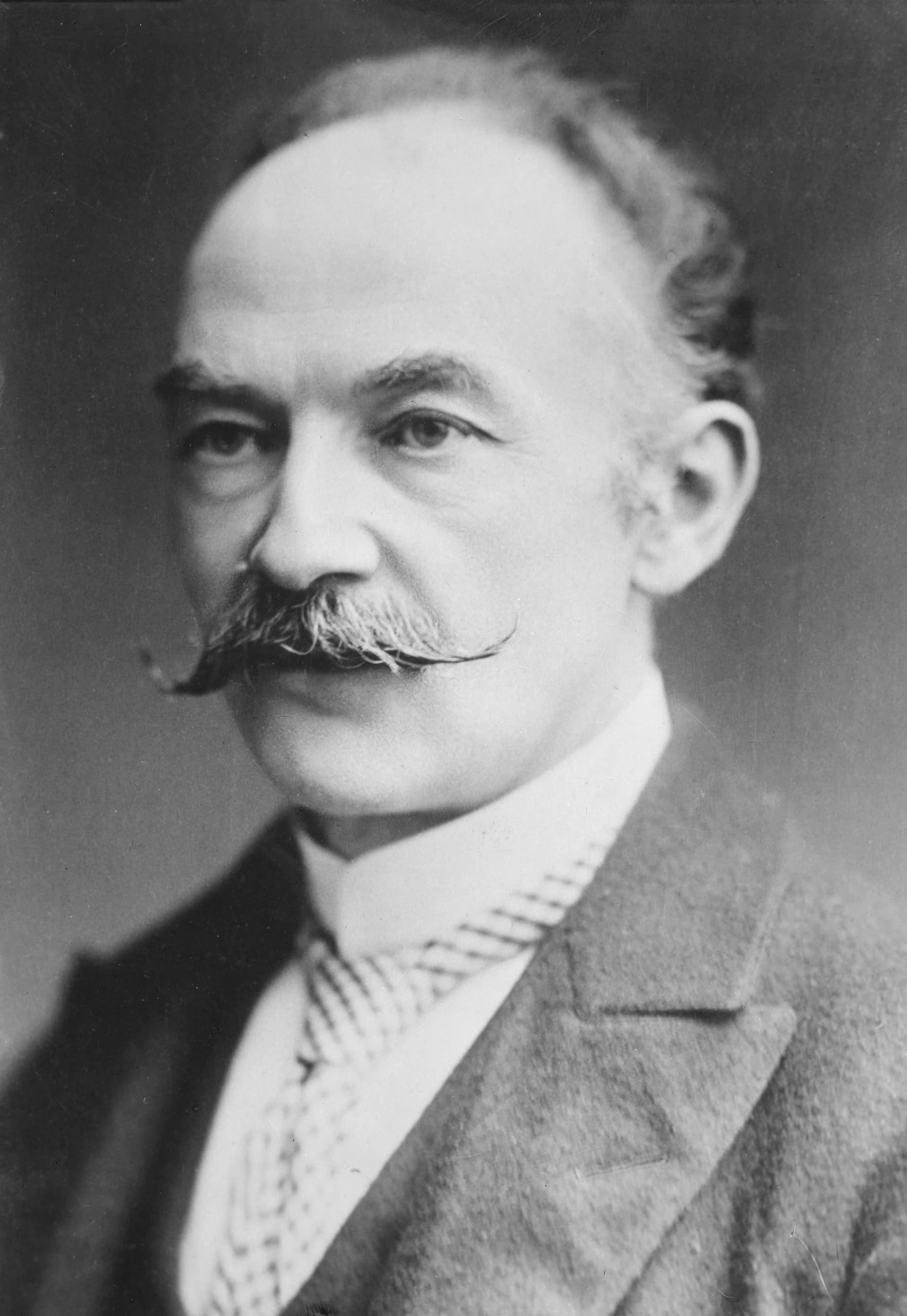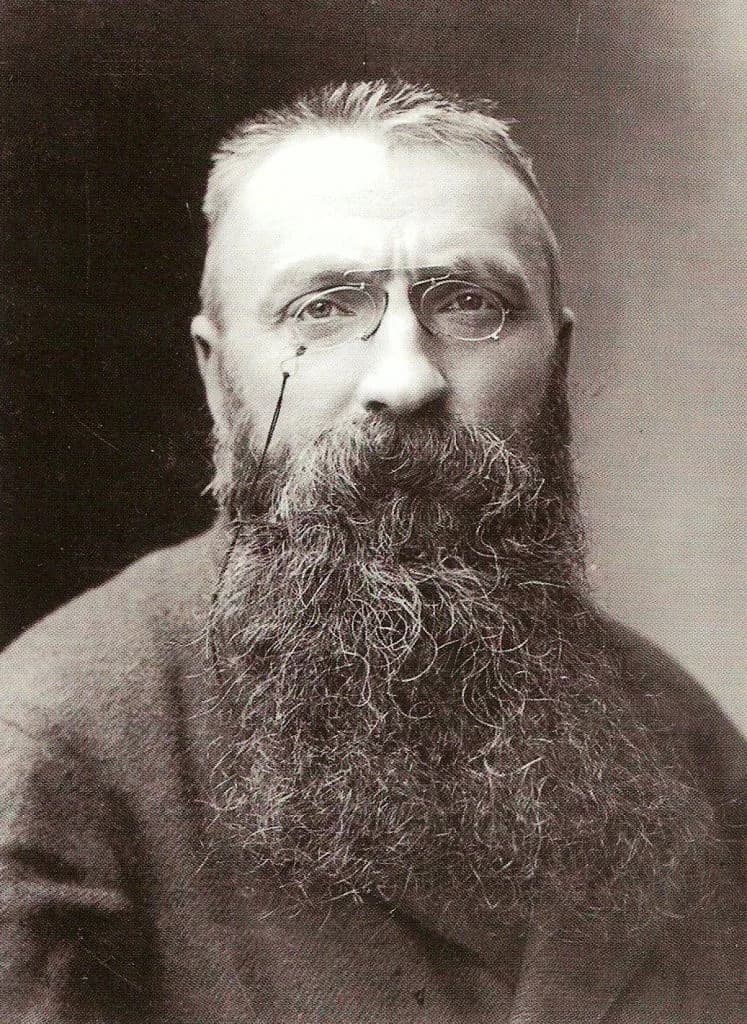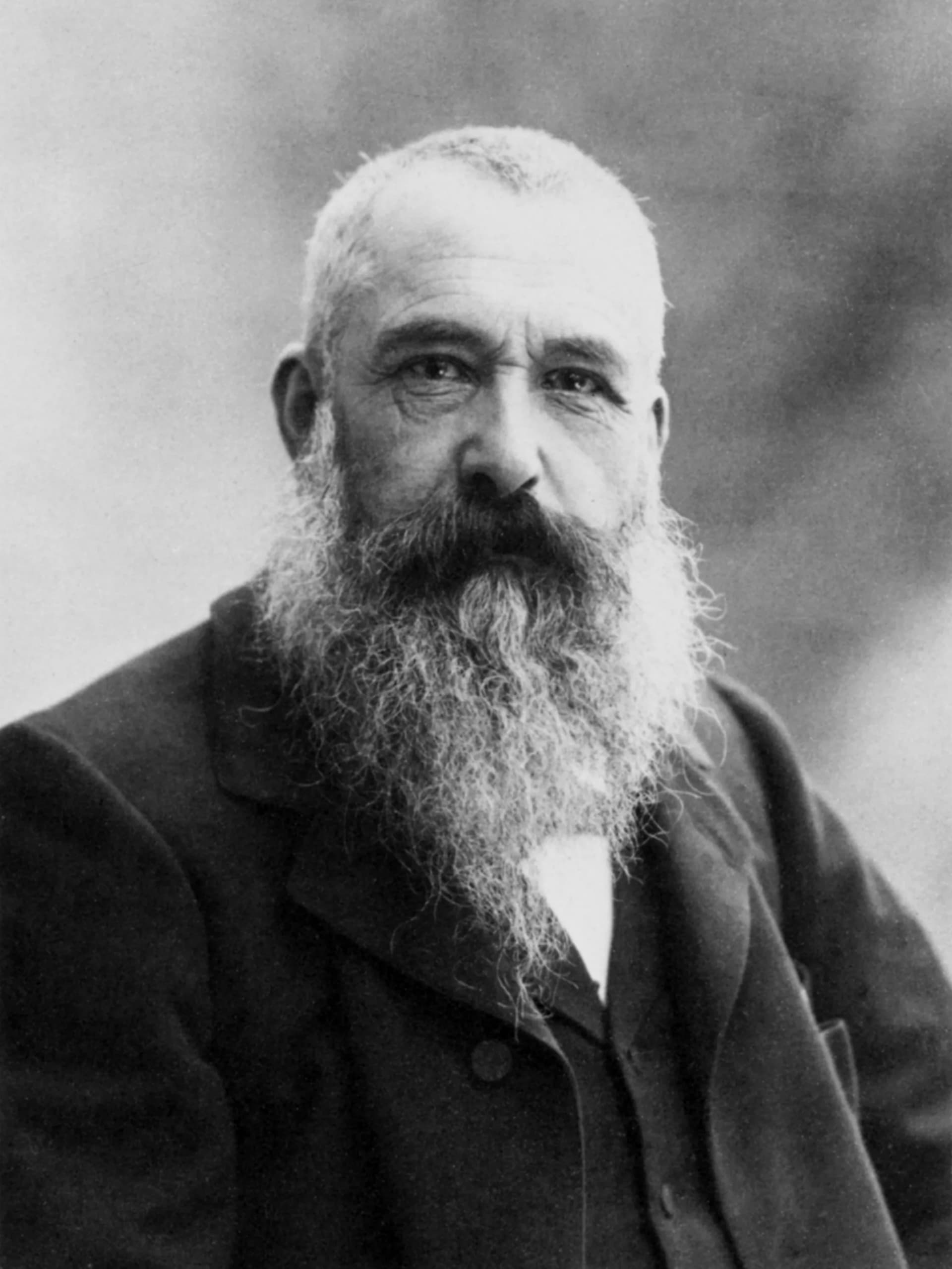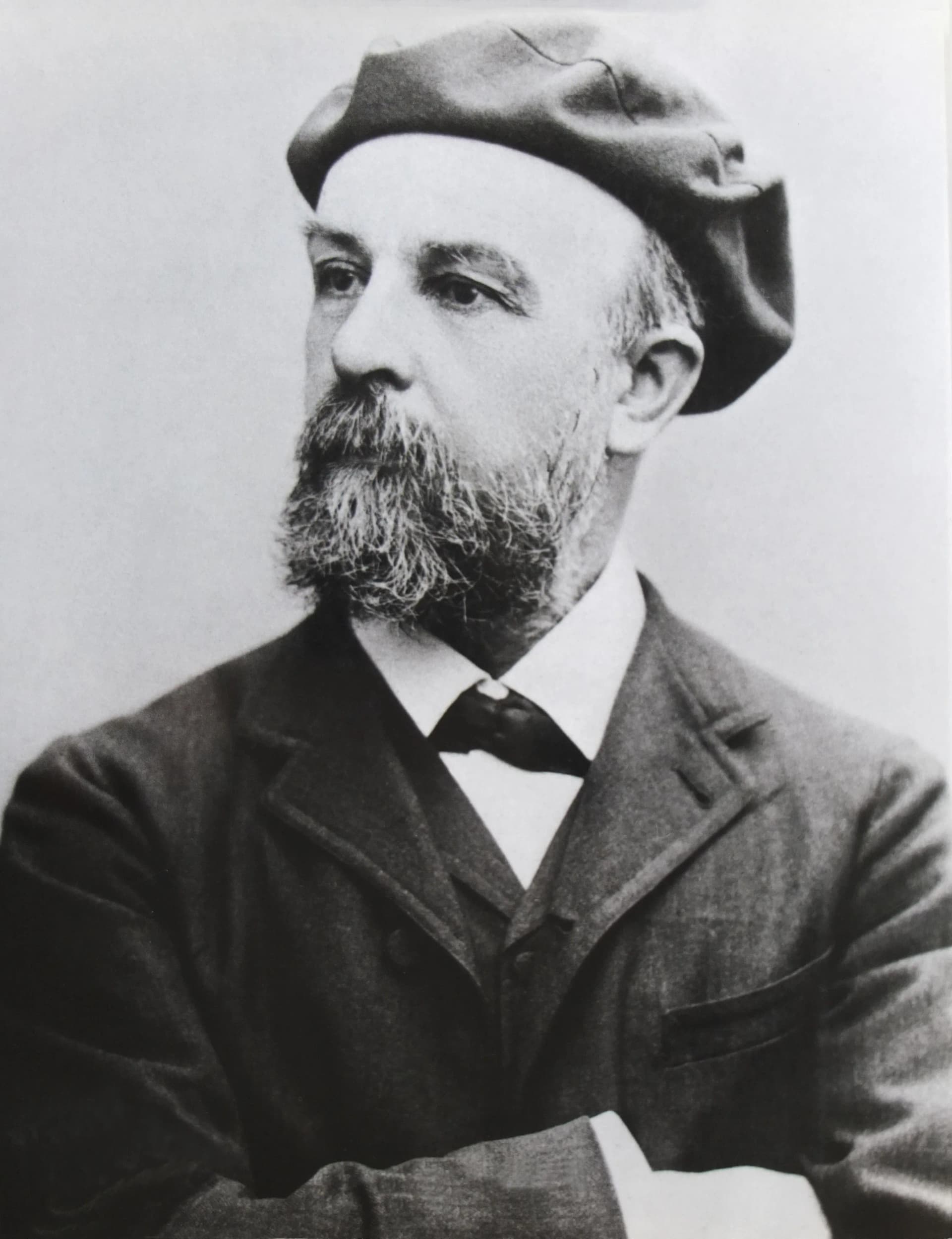
Ganwyd
April 2, 1840
Paris, France
Bu farw
September 29, 1902
9th arrondissement of Paris, France
Yn adnabyddus am
French novelist, journalist, playwright, and poet
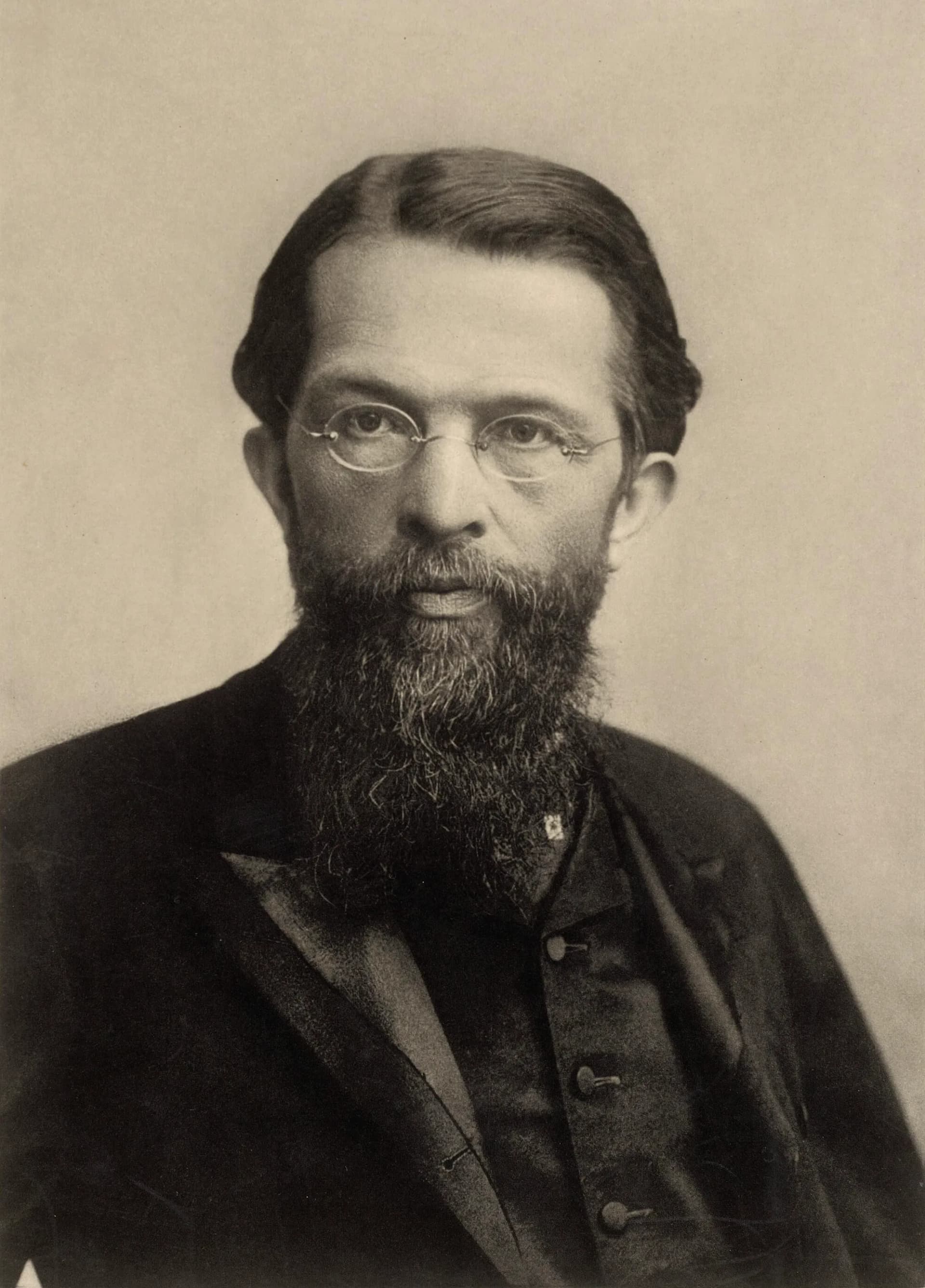
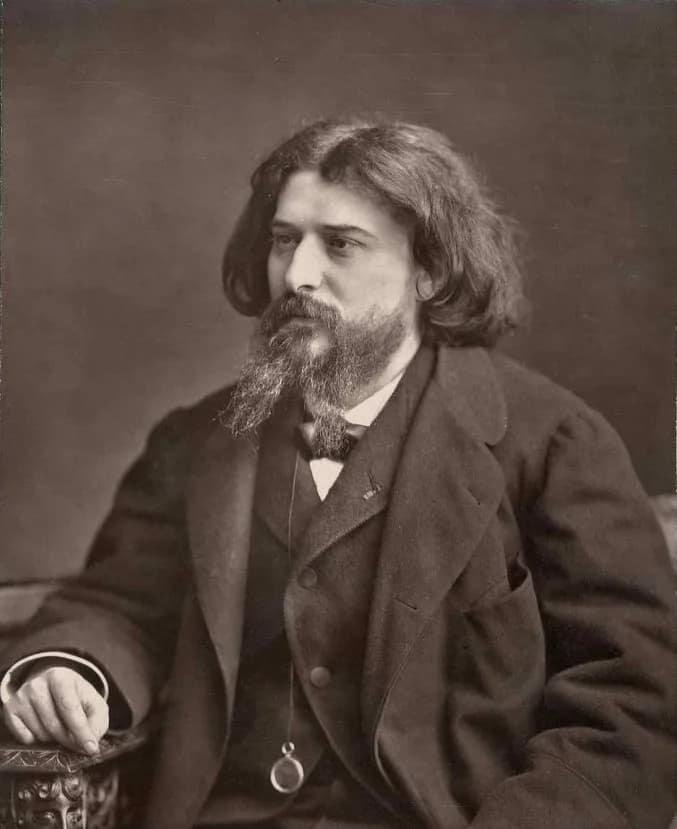
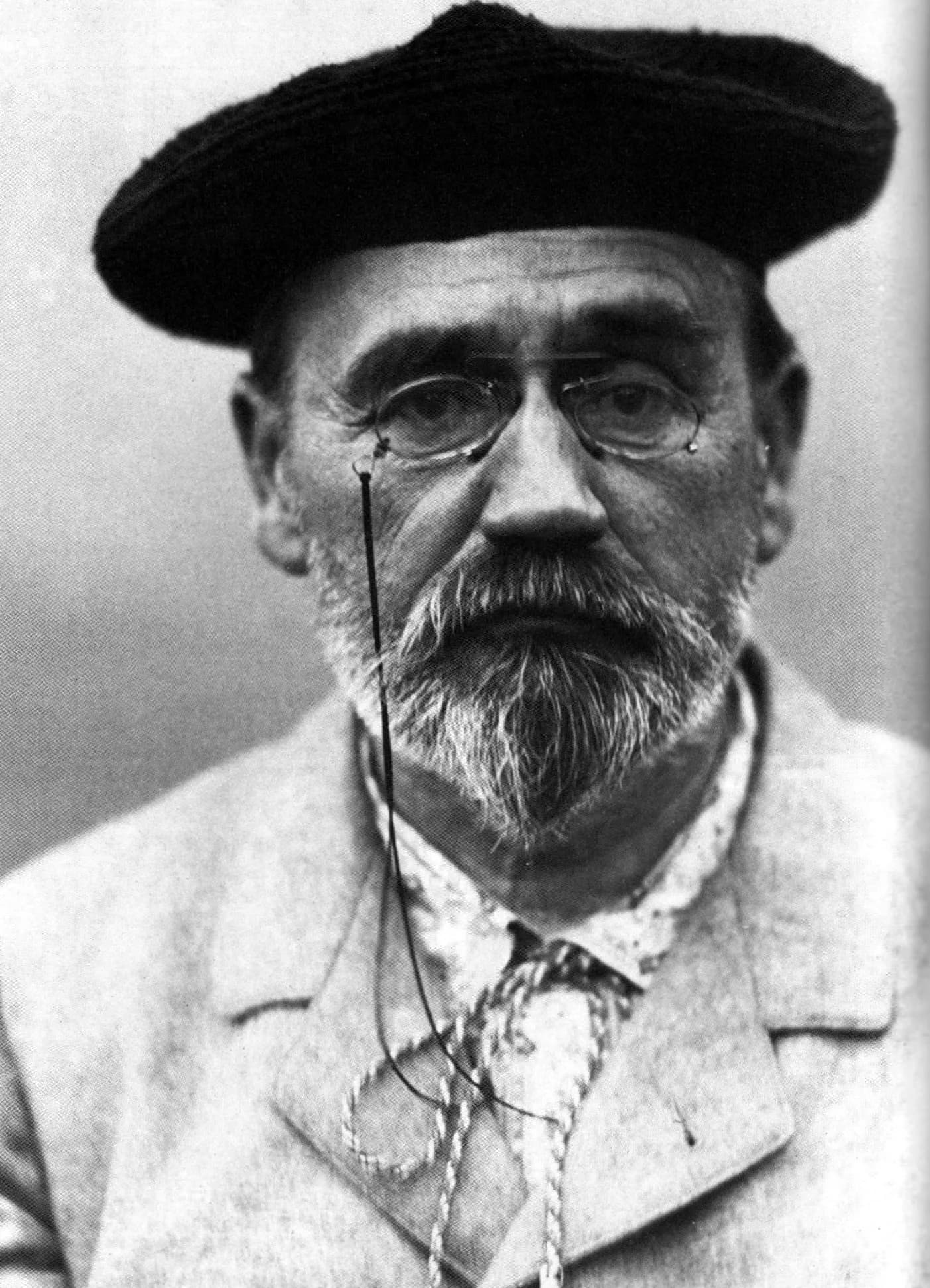
Émile Zola (1840–1902) was France best known for French novelist, journalist, playwright, and poet.
Émile Zola (April 2, 1840 – September 29, 1902) was a French novelist, journalist, and playwright, renowned as the leading practitioner of literary naturalism. He was a major figure in the political liberalization of France, famously championing justice in the Dreyfus Affair with his opinion "J'Accuse...!". His legacy profoundly shaped literature and social activism.
Bywyd mewn eiliadau
Yr eiliadau a luniodd fywyd
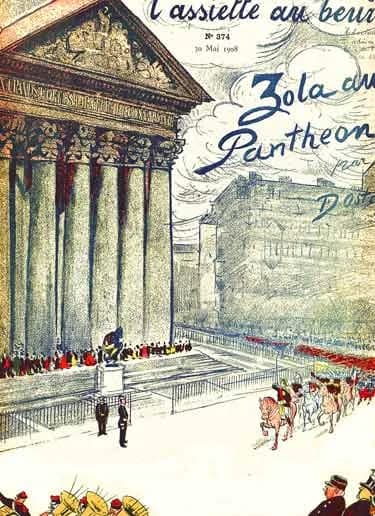
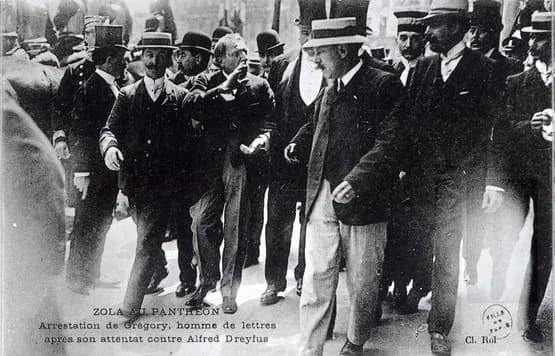
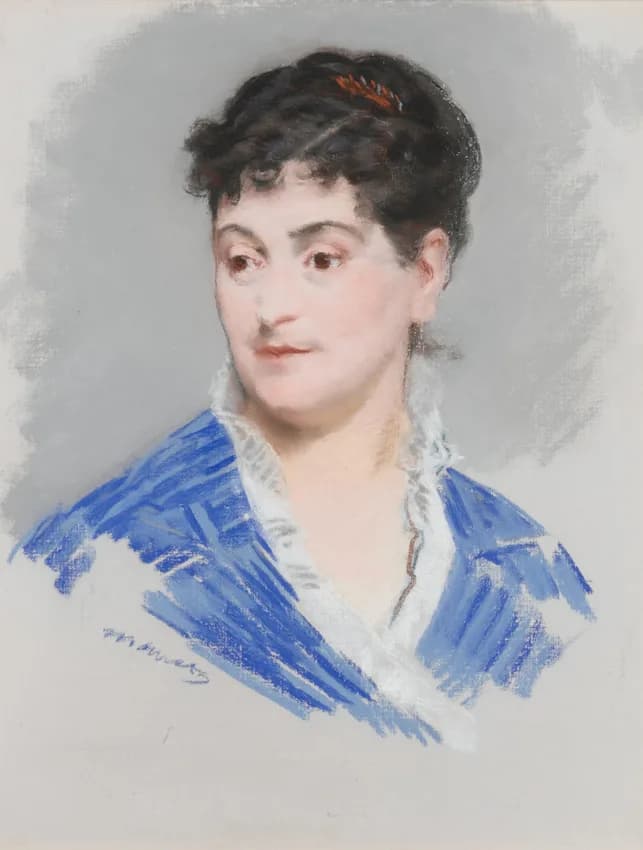
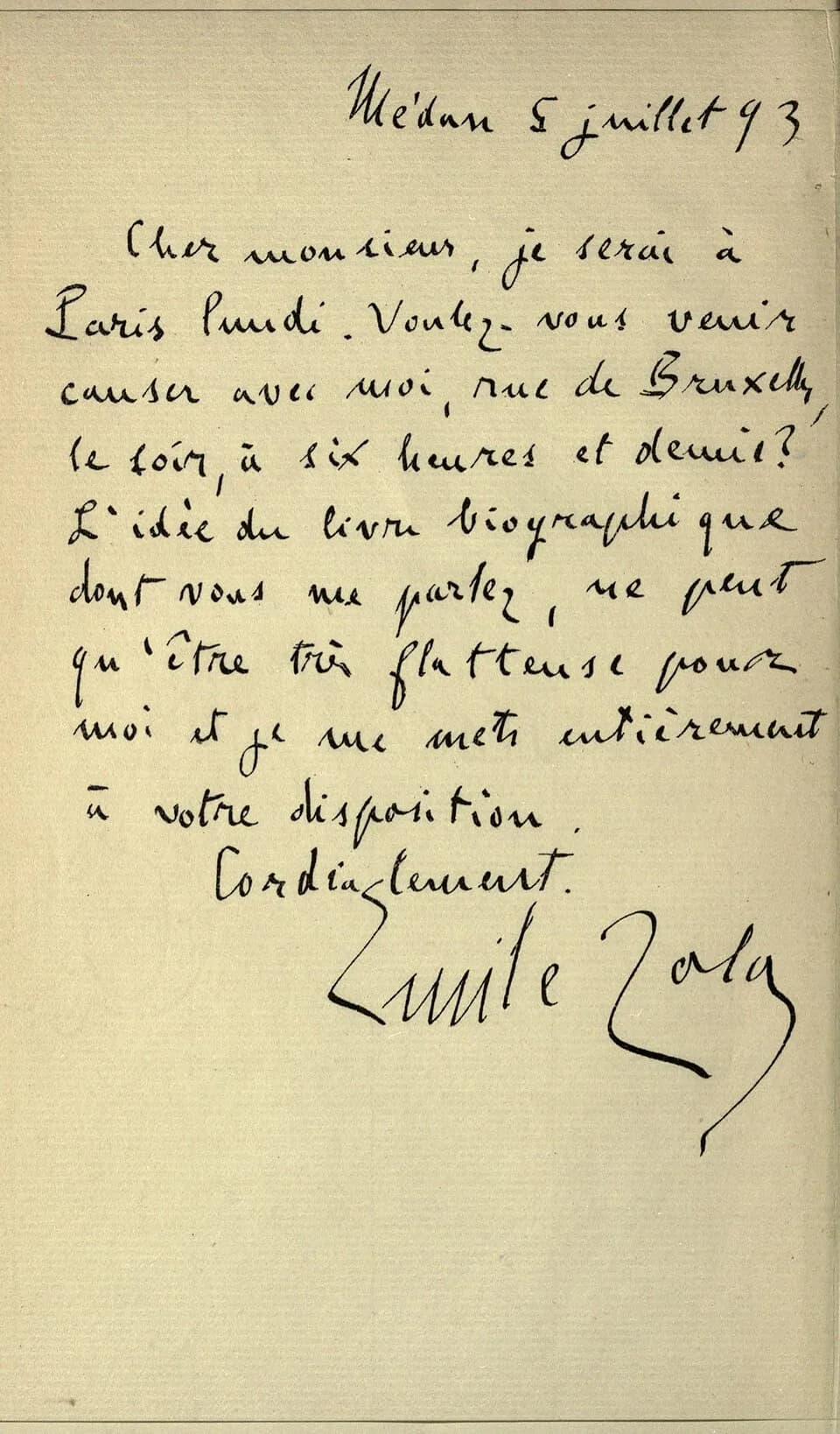
Pennod
Penodau bywyd
Pennod 1 · 1840· Pennod 1 o 6
Early Life and Origins
Émile Zola's life began in the vibrant city of Paris, France, where he was born on April 2, 1840. The bustling metropolis, already a cultural and intellectual hub, would serve as a constant backdrop and inspiration for much of his groundbreaking work. His early experiences in the capital undoubtedly shaped his keen observational skills and his later focus on the social fabric of French society.
Pennod 2· Pennod 2 o 6
Career Beginnings and Diverse Professions
Zola's career was characterized by an extraordinary breadth of professional engagement, showcasing his restless intellect and profound artistic curiosity. He embarked on his journey as a writer, quickly expanding his talents into multiple domains. His early work laid the foundation for his future prominence as a novelist, a role through which he would become the leading voice of naturalism.
Beyond his fiction, Zola was a prolific journalist, using his pen to comment on contemporary issues and shape public discourse. He also distinguished himself as a poet and playwright, contributing to the burgeoning theatrical scene of his era. His critical acumen was applied to both art and literature, serving as an influential art critic and literary critic, shaping tastes and fostering new movements.
Further showcasing his versatility, Zola worked as a librettist, collaborating on musical productions. His keen observations of human behavior and societal structures were also captured through his lens as a photographer, an often-overlooked aspect of his artistic endeavors. He contributed extensively as an essayist, short story writer, political reporter, and theatre critic, demonstrating a lifelong commitment to chronicling and interpreting the world around him through various mediums.
Pennod 3· Pennod 3 o 6
Major Achievements and Career Highlights
Émile Zola's career was marked by several defining achievements that cemented his place in history, both literary and political. He rose to international prominence as the leading exponent of literary naturalism, a movement characterized by its unflinching depiction of reality and its focus on the deterministic influence of environment and heredity. Zola's meticulous research and observational skills brought a scientific rigor to his fictional narratives, transforming the novel into a tool for social inquiry.
His contributions to theatrical naturalism were equally important, advocating for a more realistic and psychologically nuanced approach to drama on stage. Zola pushed for plays that reflected everyday life and explored complex human motivations, challenging the conventions of traditional theater. This advocacy helped to usher in a new era of dramatic expression, influencing playwrights and directors for generations.
Perhaps his most courageous and impactful achievement outside of literature was his pivotal role in the Dreyfus Affair. In 1898, Zola risked his own freedom and reputation by publishing "J'Accuse...!", an open letter in the newspaper L'Aurore. This powerful opinion piece directly accused high-ranking members of the French government and military of obstruction of justice and antisemitism in the wrongful conviction of Captain Alfred Dreyfus, an act that deeply divided France but ultimately pushed the nation toward justice.
Zola's bold intervention sparked a national and international outcry, mobilizing public opinion and becoming a major catalyst in the political liberalization of France. His stand for truth and justice ultimately contributed to Dreyfus's exoneration and served as a powerful example of an intellectual using his platform for moral good. In recognition of his enduring literary brilliance and his profound moral courage, Émile Zola was nominated for the inaugural Nobel Prize in Literature in 1901 and again in 1902, underscoring his global stature.
Pennod 4· Pennod 4 o 6
Notable Works and Contributions
Émile Zola's extensive bibliography reflects his dedication to realism and social commentary, with his novels often forming cycles that explored different facets of French society. Among his most celebrated literary achievements is "Germinal," a powerful novel that vividly depicts the harsh lives of coal miners and their struggles for survival. This work stands as a stark and compassionate portrayal of industrial labor and social injustice.
His exploration of societal institutions and human experiences continued in works like "Lourdes" and "Rome," which examine themes of faith, doubt, and the role of the church. Zola's keen eye for detail and his commitment to presenting life as it truly was are evident throughout these narratives. His political engagement is powerfully showcased in "La vérité en marche" and "Affaire Dreyfus," which directly address the controversies surrounding the Dreyfus Affair and his personal involvement in the fight for justice.
Other notable literary contributions include "Lettre à la France" and his collected correspondence, such as "Correspondance: lettres à Maître Labori, 1898-1902," which offer valuable insights into his thoughts and political activities during a turbulent period. Works like "Au Bonheur des Dames" from the collection "Carmen - Au Bonheur des Dames - le Cid," delve into the rise of modern department stores and their impact on Parisian society, while "Am häuslichen Herd" and "Les mystères de Marseille" further demonstrate his versatility in capturing various aspects of human existence and mystery.
Beyond his written words, Émile Zola also produced a significant body of photographic work, revealing another dimension of his artistic vision. His photographs served as visual complements to his naturalist principles, meticulously documenting the world around him. Among his notable artworks are intimate portraits such as "Denise Zola" (circa 1900) and a compelling portrait of his contemporary, "Edouard Manet" (1867), both held by the Met Museum.
Zola's photography extended to capturing scenes that echoed the themes of his novels, as seen in images related to "L'Assommoir" (1878), with examples at both the Met Museum and the Art Institute of Chicago (AIC). He also documented significant societal events and landscapes, including a series on "The World's Fair" (1900) in Paris, which includes an "overview of the fair The Celestial Globe with the Maréoram and the Panorama Transatlantique," as well as specific architectural details like "the Pavillon Bleu (restaurant)" and "entrance to the Palace of Fabrics and Clothing," all preserved at the AIC. His candid observations of everyday life are evident in photographs such as "Setting up market stands, Mantes-la-Jolie" (1890s), "Saint Nicolas Church, Mézière sur Seine, France" (1890s), and "Neuil, France" (1890s), also held at the AIC, showcasing his profound commitment to visual realism.
Pennod 5 · 1901· Pennod 5 o 6
Later Years
In his later years, Émile Zola continued to be a formidable presence in both literary and political spheres. His dedication to social commentary and artistic innovation remained undiminished, even as he faced legal and public repercussions for his outspokenness during the Dreyfus Affair. The immense recognition he garnered for his literary achievements was highlighted by his nominations for the first and second Nobel Prizes in Literature in 1901 and 1902, placing him among the most esteemed writers of his time.
Tragically, Zola's impactful life came to an end on September 29, 1902, in the 9th arrondissement of Paris, France. His passing left a profound void in the literary world and among those who championed justice and truth. His death marked the close of an era, but his influence would continue to resonate for generations to come, securing his place as an enduring figure of modern French culture.
Pennod 6· Pennod 6 o 6
Legacy and Impact
Émile Zola's legacy is vast and enduring, cementing his status as one of France's most important literary figures. He is remembered as the best-known practitioner of naturalism, a literary school he defined and popularized, forever altering the course of novel writing. His meticulous research, detailed observations, and commitment to depicting reality unvarnished, laid the groundwork for future generations of authors exploring social realism and psychological depth.
Beyond literature, Zola's impact on theatrical naturalism helped to revolutionize dramatic arts, promoting a more authentic and emotionally resonant style of performance. His diverse professional life, encompassing roles as a journalist, critic, and photographer, demonstrated a holistic approach to understanding and portraying the human condition. His photographic works, in particular, offer a unique visual archive that complements his written narratives, showcasing his innovative spirit.
However, it is arguably his unwavering moral stance during the Dreyfus Affair that stands as one of his most powerful contributions to humanity. His courageous publication of "J'Accuse...!" not only played a critical role in exonerating an innocent man but also set a precedent for the intellectual's responsibility to speak truth to power. Zola's actions remain a potent symbol of integrity and the fight against injustice, resonating far beyond the borders of France. His life exemplified the power of art and intellect to effect real social and political change, ensuring his place in history as both a literary giant and a moral compass.
Cwestiynau Cyffredin
Cwestiynau a ofynnir yn aml
Pryd y bu farw Émile Zola?
Bu farw Émile Zola ar 29 Medi 1902 yn 9th arrondissement of Paris, France yn 62 oed.
Ble cafodd Émile Zola ei eni?
Cafodd Émile Zola ei eni yn Paris, France ar 2 Ebrill 1840.
Am beth y mae Émile Zola fwyaf adnabyddus?
Mae Émile Zola fwyaf adnabyddus am French novelist, journalist, playwright, and poet.
Faint oedd oed Émile Zola pan fu farw?
Roedd Émile Zola yn 62 oed pan fu farw.
Pa genedligrwydd oedd Émile Zola?
Roedd Émile Zola o France.
Llinell amser
Bywyd ar olwg
Oriel luniau
Bywyd mewn lluniau
Cliciwch unrhyw polaroid i'w ehangu · 48 llun
Cod QR
Rhannu'r Cofiant Hwn
Argraffu a Rhannu
Sganio i ymweld â'r dudalen cofiant hon. Argraffu ar gyfer digwyddiadau, arddangosfeydd, neu ddeunyddiau addysgol.