Ganwyd
March 13, 1941
Al-Birwa, Mandatory Palestine
Bu farw
August 9, 2008
Houston, United States
Yn adnabyddus am
The national Palestinian poet, and author
Mahmoud Darwish (1941–2008) was Mandatory Palestine best known for The national Palestinian poet, and author.
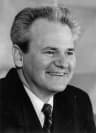
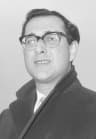
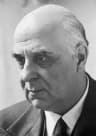
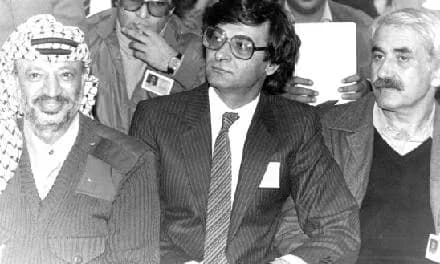
Mahmoud Darwish (March 13, 1941 – August 9, 2008) was a Palestinian author and poet. Widely regarded as the national Palestinian poet, he famously wrote the Palestinian Declaration of Independence in November 1988. His extensive works explored themes of identity, exile, and homeland, earning him international acclaim.
Pennod
Penodau bywyd
Pennod 1 · 1941· Pennod 1 o 6
Early Life and Origins
Mahmoud Darwish entered the world in Al-Birwa, a village situated in what was then Mandatory Palestine, on March 13, 1941. This period was marked by intense political and social change, deeply influencing the trajectory of his life and his artistic output. His early experiences in a homeland under mandate instilled in him a powerful sense of place and belonging, themes that would echo through his poetry for decades.
The historical context of his birth in Mandatory Palestine provided a poignant backdrop for his literary development, as he would later articulate the struggles and hopes of a displaced people. His childhood environment, while not explicitly detailed, undeniably shaped his perspective, fueling his commitment to using his words as a medium for cultural and national expression. This foundational period laid the groundwork for a life dedicated to articulating the Palestinian experience.
Pennod 2· Pennod 2 o 6
Career Beginnings
Darwish began his literary journey as a young man, quickly establishing himself as a compelling voice in Arabic poetry. His early works showcased a remarkable command of language and a deep emotional resonance, drawing attention to his unique talent. He started his professional life not only as a poet but also as a correspondent, honing his ability to observe and articulate the world around him with precision and depth.
His initial forays into writing provided the platform for a career that would evolve to include various literary professions, from author to translator. These early experiences allowed him to refine his craft, exploring different forms of expression while maintaining a consistent thematic core centered on his heritage. The seeds of his later influence were sown in these formative years, as he tirelessly developed his poetic and authorial voice.
Pennod 3 · 1988· Pennod 3 o 6
Major Achievements and Career Highlights
One of Mahmoud Darwish's most significant contributions was his authorship of the Palestinian Declaration of Independence, formally established in November 1988. This historic document articulated the aspirations for statehood, offering a profound statement of national identity and sovereignty. His words provided a foundational text for the State of Palestine, imbuing it with poetic grace and historical weight.
He is widely regarded as the country's national poet, a title reflecting the deep connection his work forged with the Palestinian people. This recognition underscored his role not just as a writer, but as a cultural leader whose poetry gave voice to collective memory and hope. His literary contributions garnered numerous international awards, although specific award names are not detailed, indicating widespread recognition of his artistic merit and global standing.
Darwish's linguistic abilities were also a notable aspect of his career; while his primary publication language was Arabic, he was also proficient in English, French, and Hebrew. This multilingualism likely broadened his understanding of diverse cultures and literary traditions, enriching his own writing. His command of multiple languages facilitated a wider engagement with international audiences and literary forms.
Pennod 4· Pennod 4 o 6
Notable Works and Contributions
Mahmoud Darwish’s extensive bibliography includes many works that have become cornerstones of modern Arabic literature. Collections such as The Raven's Ink demonstrate his unique style and lyrical prowess, engaging readers with his intricate verse. His longer poetic works, like Mural, explored expansive themes with profound emotional depth, showcasing his mastery of poetic form.
Other significant contributions include Almond Blossoms and Beyond and Palestine as Metaphor, where he delved into the complex relationship between land, identity, and memory. These titles explicitly reveal his persistent focus on the Palestinian experience, using rich imagery and evocative language to convey his message. His poetry frequently addressed themes of displacement, longing, and resistance, encapsulating the spirit of a people.
Works such as Why Did You Leave the Horse Alone? and If I were another further exemplify his capacity for deep introspection and philosophical inquiry, inviting readers to contemplate universal questions through a specific cultural lens. His diaries, including Yawmīyāt al-ḥuzn al-ʻādī (Diaries of Ordinary Sadness) and River Dies of Thirst: (Diaries), offered personal reflections, providing intimate glimpses into his thoughts and emotions, thereby enriching his public persona as a national poet.
Pennod 5· Pennod 5 o 6
Later Years
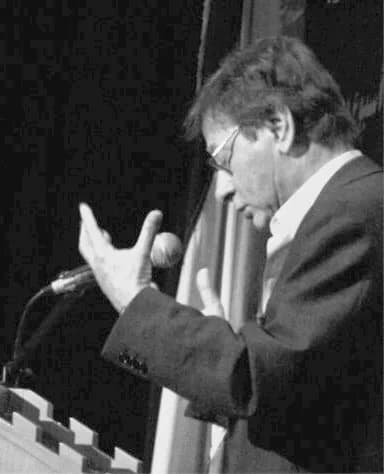
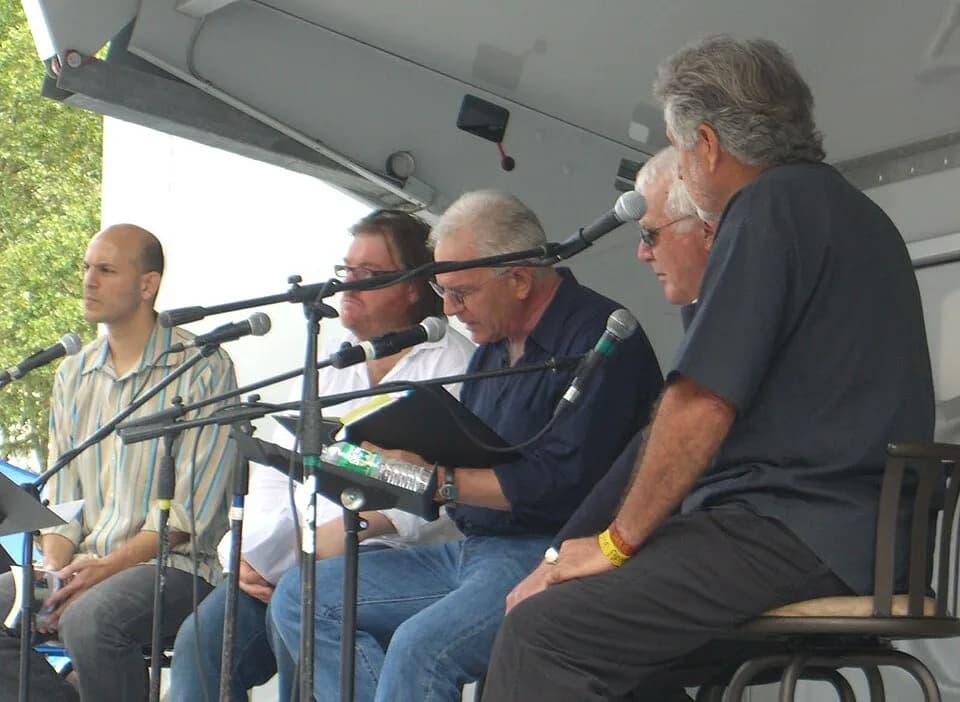
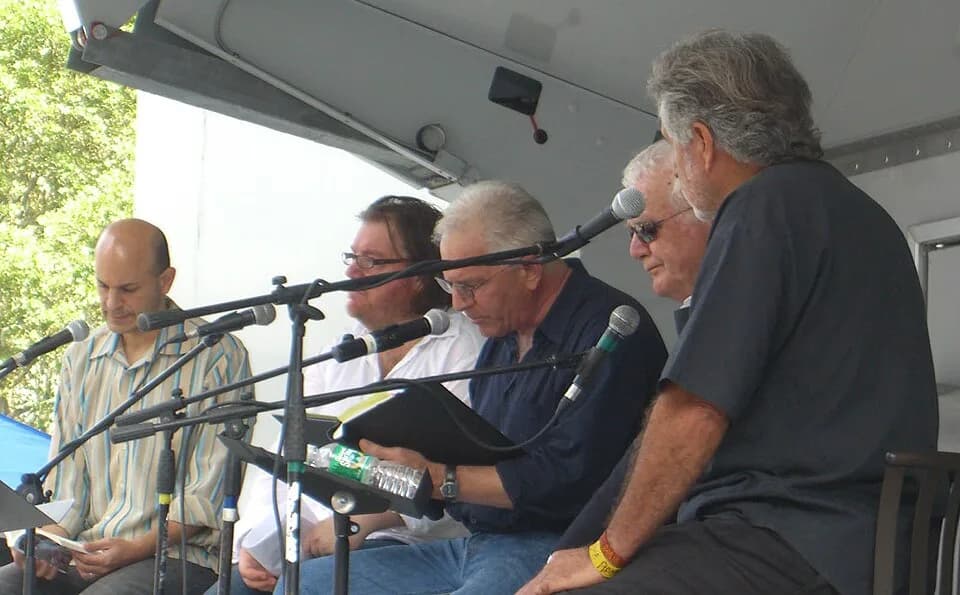
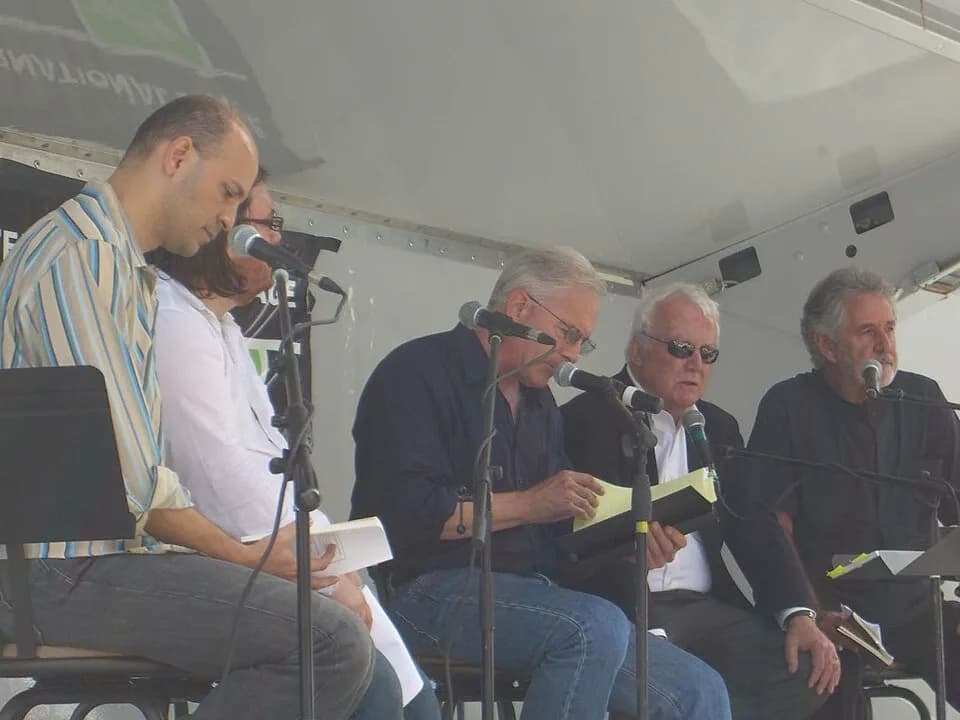
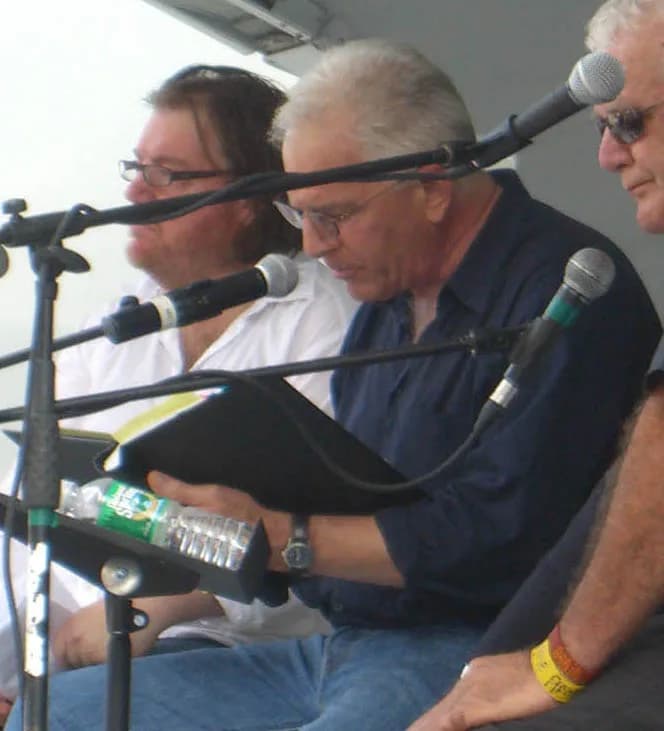
In his later years, Mahmoud Darwish continued to produce powerful and introspective works, sustaining his presence as a leading literary figure. Despite the passage of time, his commitment to his craft and his engagement with the issues facing his people remained unwavering. He maintained an active role in literary and cultural discourse, participating in events and panel discussions.
Darwish passed away on August 9, 2008, in Houston, United States, leaving behind a monumental legacy that continues to resonate globally. His passing marked the end of an era for Palestinian and Arabic literature, but his words secured his immortality. Even in his final years, he upheld the standards of literary excellence and dedication that defined his entire career.
Pennod 6· Pennod 6 o 6
Legacy and Impact
Mahmoud Darwish's legacy is immense, positioning him as one of the defining literary voices of the 20th and early 21st centuries. He effectively transformed the political struggle of a nation into universal poetry, making the Palestinian narrative accessible and moving for readers across the world. His artistry elevated themes of exile, identity, and nationhood to a level of profound human experience.
His influence extended far beyond the literary community; as the national Palestinian poet, Darwish became a symbol of cultural resistance and steadfast hope. His ability to articulate complex emotions and historical grievances with such elegance provided comfort and strength to millions. His work fostered a deeper understanding of the Palestinian cause, ensuring its story was heard through the beauty and power of verse. Generations of writers and activists continue to draw inspiration from his courage and poetic brilliance.
Bywyd mewn eiliadau
Yr eiliadau a luniodd fywyd
Cwestiynau Cyffredin
Cwestiynau a ofynnir yn aml
Pryd y bu farw Mahmoud Darwish?
Bu farw Mahmoud Darwish ar 9 Awst 2008 yn Houston, United States yn 67 oed.
Ble cafodd Mahmoud Darwish ei eni?
Cafodd Mahmoud Darwish ei eni yn Al-Birwa, Mandatory Palestine ar 13 Mawrth 1941.
Am beth y mae Mahmoud Darwish fwyaf adnabyddus?
Mae Mahmoud Darwish fwyaf adnabyddus am The national Palestinian poet, and author.
Faint oedd oed Mahmoud Darwish pan fu farw?
Roedd Mahmoud Darwish yn 67 oed pan fu farw.
Pa genedligrwydd oedd Mahmoud Darwish?
Roedd Mahmoud Darwish o Mandatory Palestine.
Llinell amser
Bywyd ar olwg
Oriel luniau
Bywyd mewn lluniau
Cliciwch unrhyw polaroid i'w ehangu · 19 llun
Cod QR
Rhannu'r Cofiant Hwn
Argraffu a Rhannu
Sganio i ymweld â'r dudalen cofiant hon. Argraffu ar gyfer digwyddiadau, arddangosfeydd, neu ddeunyddiau addysgol.