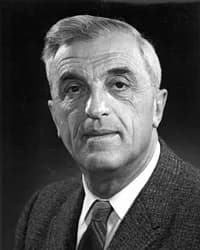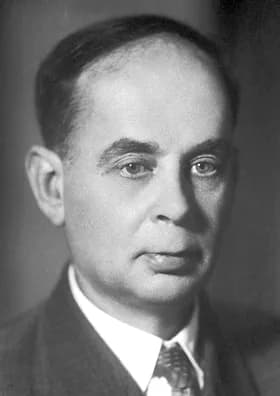
Ganwyd
October 23, 1927
Radom, Poland
Bu farw
July 17, 2009
Oxford, United Kingdom
Yn adnabyddus am
Philosopher, historian of ideas
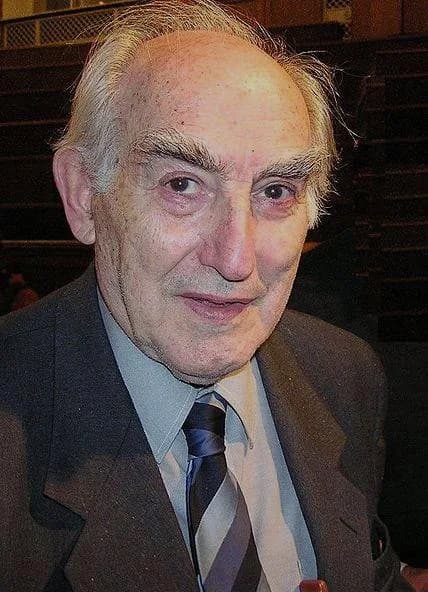
Leszek Kołakowski (1927–2009) was Poland best known for Philosopher, historian of ideas.
Leszek Kołakowski (October 23, 1927 – July 17, 2009) was a Polish philosopher and historian of ideas from Radom, Poland. He is best known for his critical analysis of Marxist thought, particularly in his work 'Main Currents of Marxism.' His legacy includes a deep exploration of religious questions and the purpose of history.
Bywyd mewn eiliadau
Yr eiliadau a luniodd fywyd
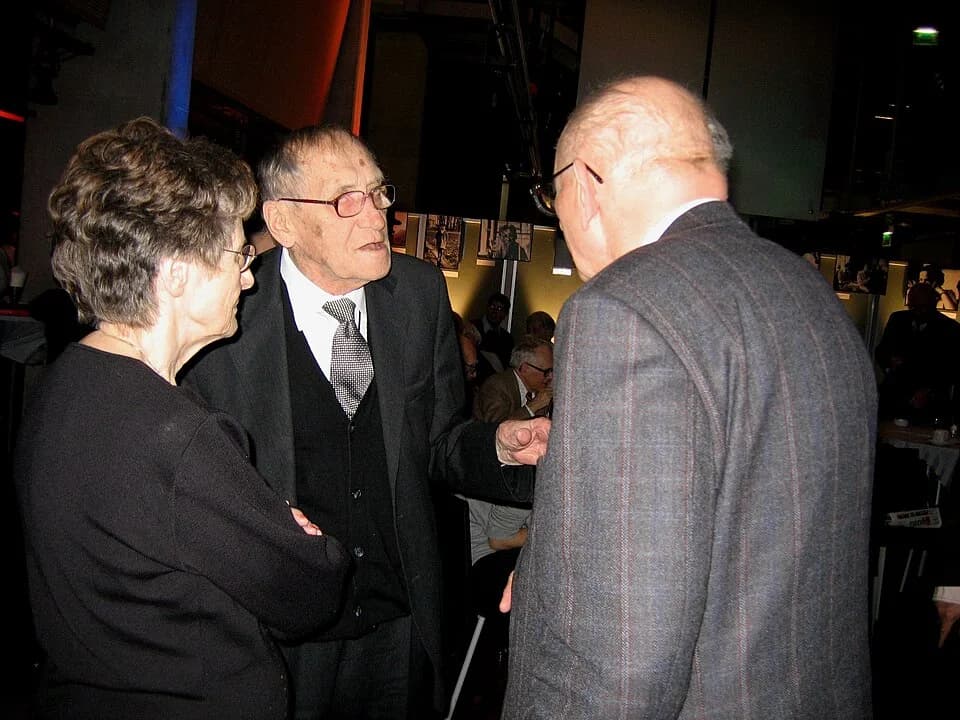
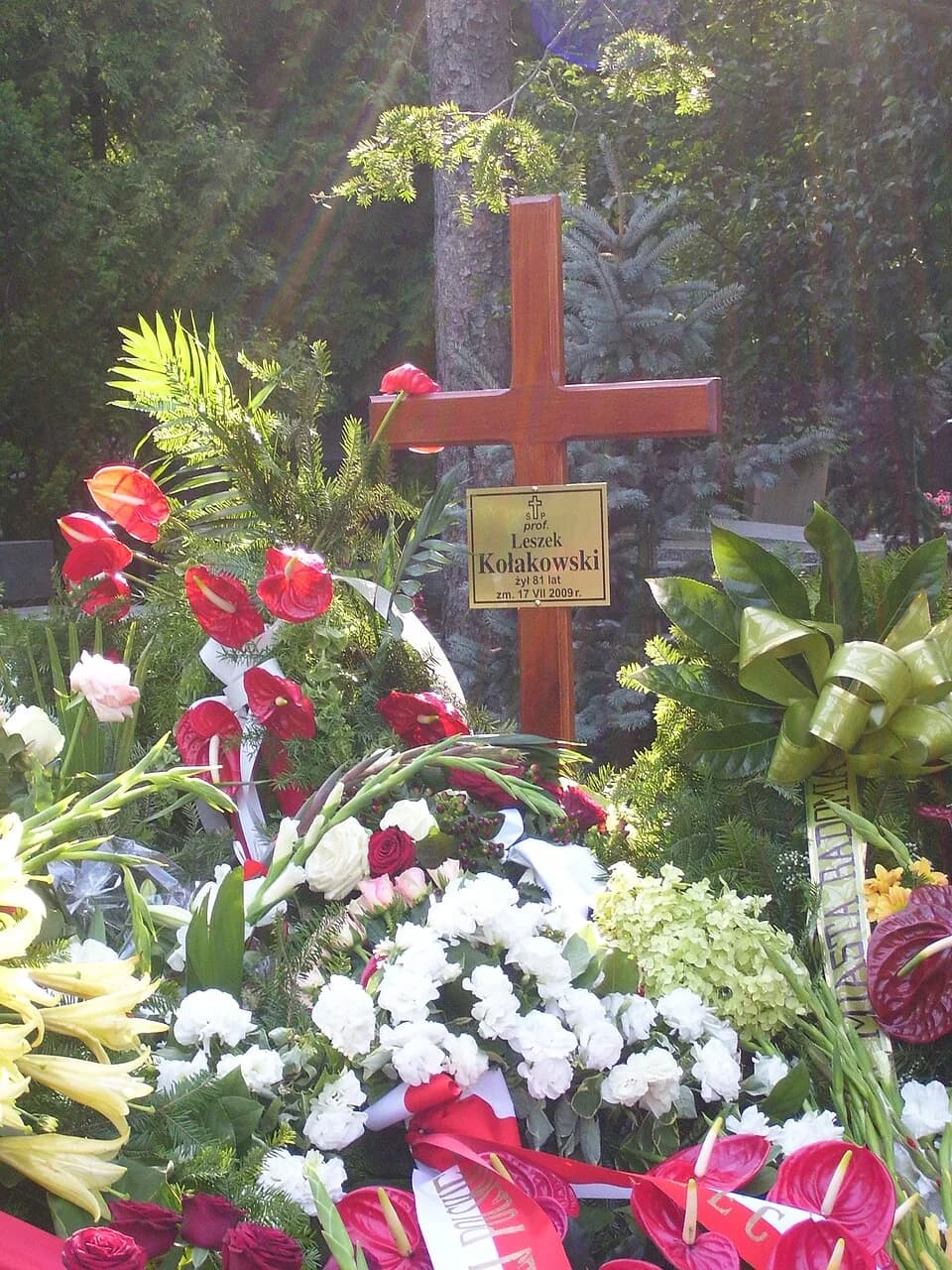
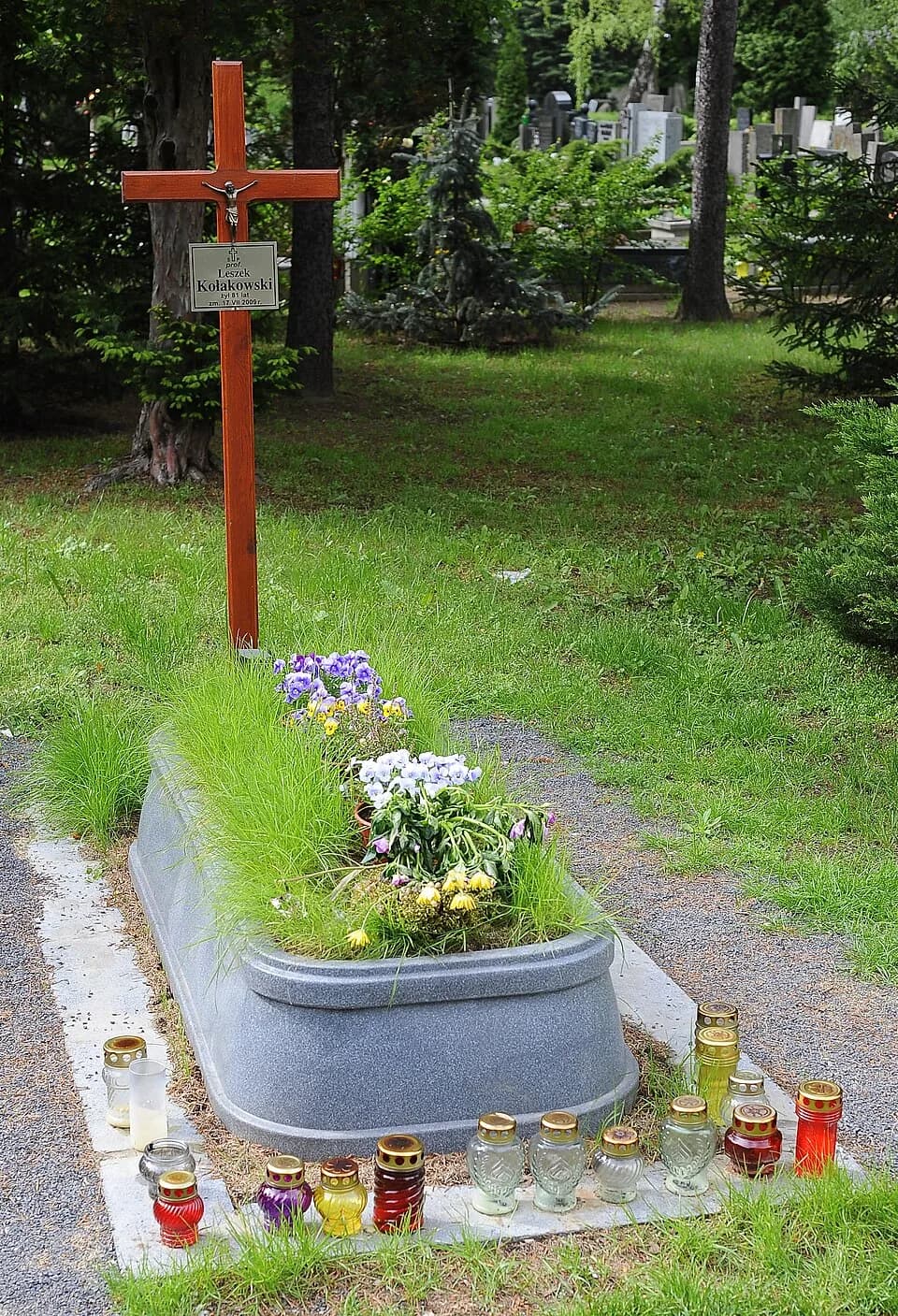
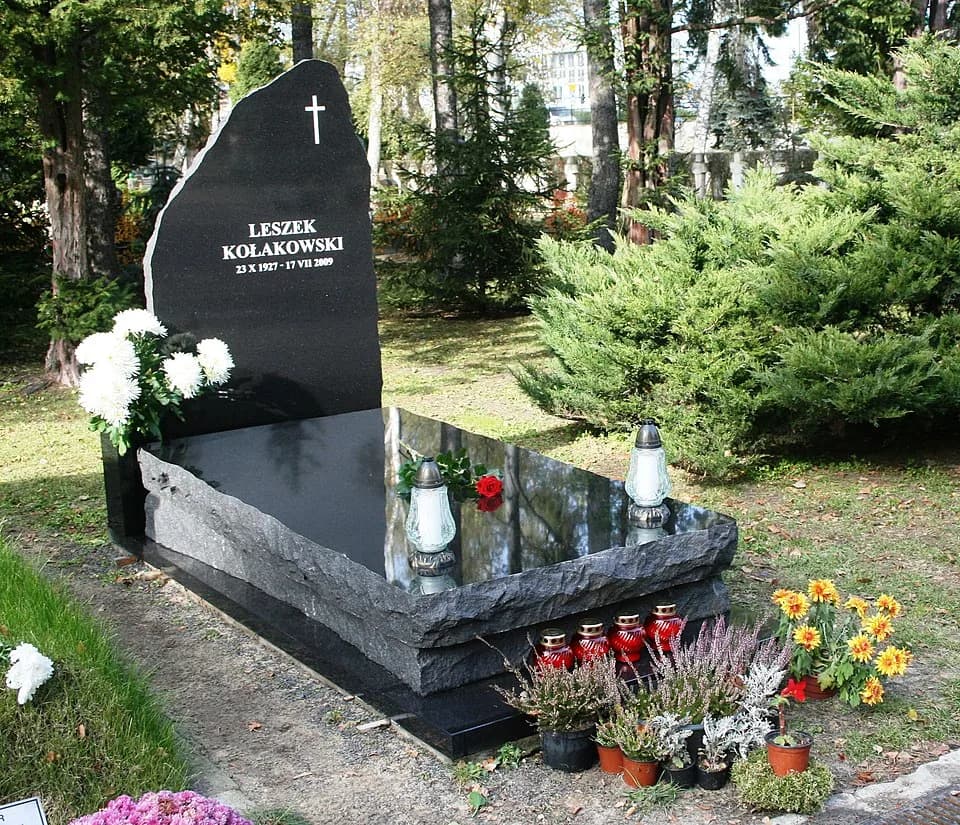
Pennod
Penodau bywyd
Pennod 1 · 1927· Pennod 1 o 6
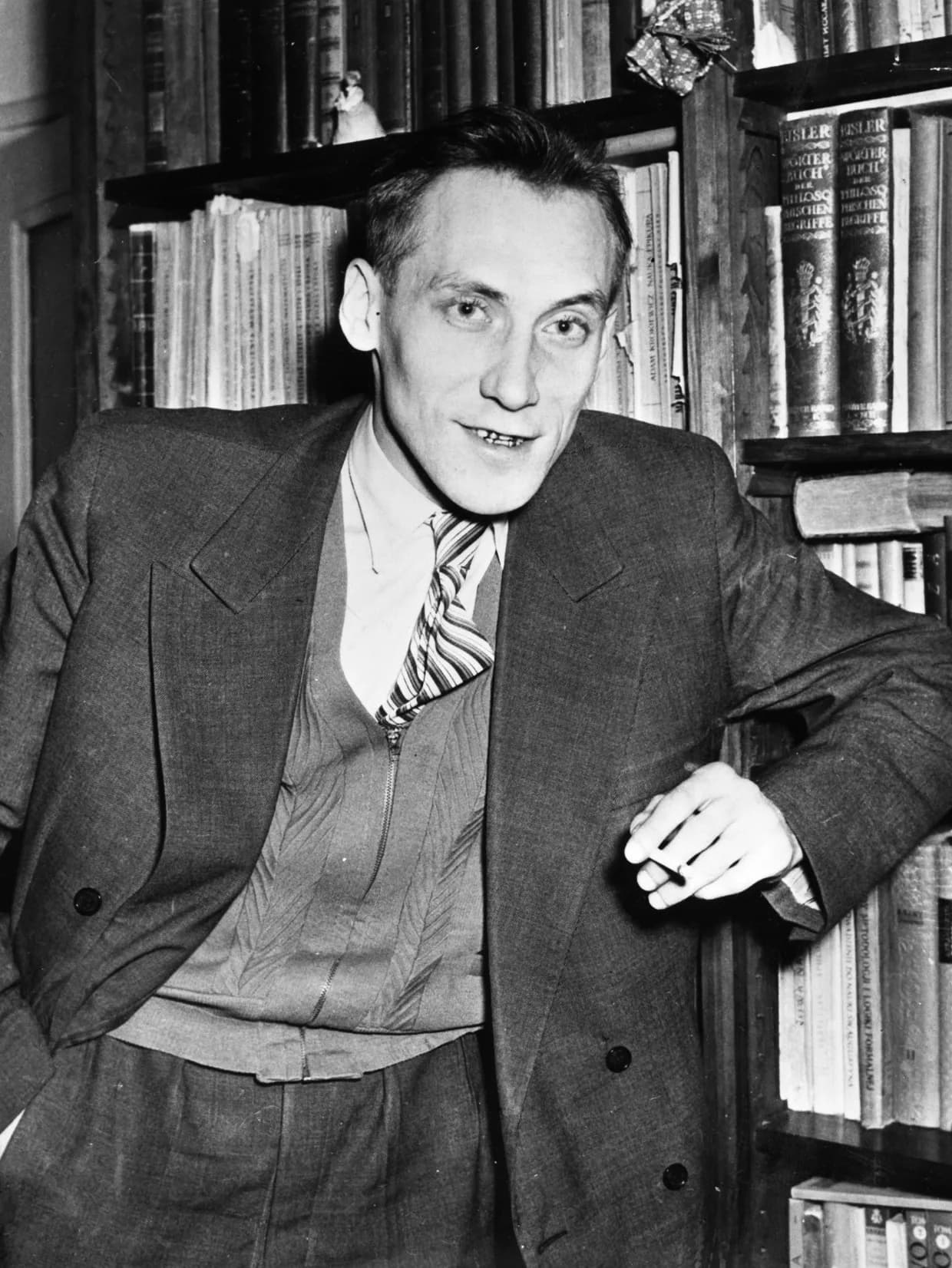
Early Life and Origins
Born on October 23, 1927, in Radom, Poland, Leszek Kołakowski's early life took root in his native country. The socio-political environment of post-war Poland undoubtedly played a significant role in shaping his intellectual development and philosophical inquiries. While specific details of his family and early education are not provided in detail, his origins in Radom are a fundamental part of his biographical record.
Pennod 2· Pennod 2 o 6
Career Beginnings
Kołakowski embarked on his professional life as a dedicated writer, historian, and academic, quickly immersing himself in the intellectual currents of his time. His early work established him as a keen observer and analytical thinker within the philosophical community, setting the stage for his future scholarly pursuits. These initial efforts paved the way for his later, more influential contributions to the history of ideas and critical theory. He consistently demonstrated a capacity for deep thought and persuasive argumentation from the outset of his career.
Pennod 3 · 1976· Pennod 3 o 6
Major Achievements and Career Highlights
Kołakowski's reputation was cemented by his groundbreaking three-volume history of Marxist philosophy, "Main Currents of Marxism," published in 1976. This extensive work provided a comprehensive and critical analysis of contemporary Marxist thought and theory, making him a central figure in the field of intellectual history. It remains a definitive reference for scholars studying the subject.
Another significant career highlight was his influential 1986 Jefferson Lecture, where he shared his unique perspective on historical understanding. He asserted that "we learn history not in order to know how to behave or how to succeed, but to know who we are," a statement that captured his philosophical outlook. His insights from this lecture continue to be widely quoted and discussed, reflecting their enduring resonance.
Pennod 4· Pennod 4 o 6
Notable Works or Contributions
Beyond his seminal work on Marxism, Leszek Kołakowski authored a diverse range of publications exploring philosophy, existence, and society. His bibliography includes thought-provoking titles such as "理性的異化," "Filozofia egzystencjalna," and "Stalinism," each offering unique and critical perspectives on complex subjects. These works showcased his broad intellectual curiosity and ability to engage with challenging concepts across various cultural contexts.
Other significant works include "La clef céleste," "Die Suche nach der verlorenen Gewißheit. Denk- Wege mit Edmund Husserl," and the profound existential query "Why is there something rather than nothing?". He also penned "Si Dios no existe...," "Las preguntas de los grandes filósofos," and "Marxism and Beyond - On Historical Understanding and Individual Responsibility," alongside "Toward a Marxist Humanism." His academic contributions are also reflected in works such as "Moje słuszne poglądy na wszystko," published in 2011, which garnered 21 citations.
Pennod 5 · 2009· Pennod 5 o 6
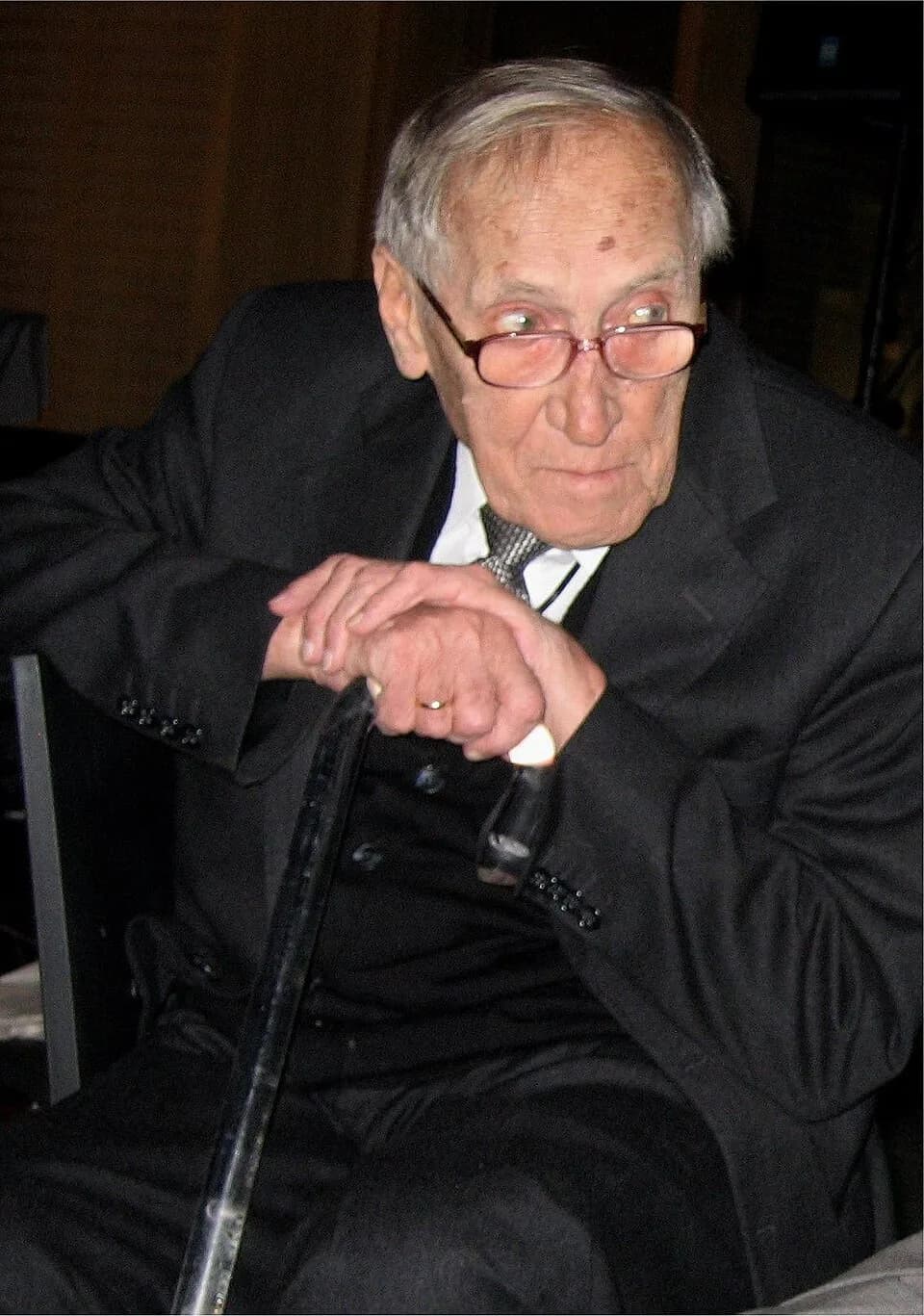
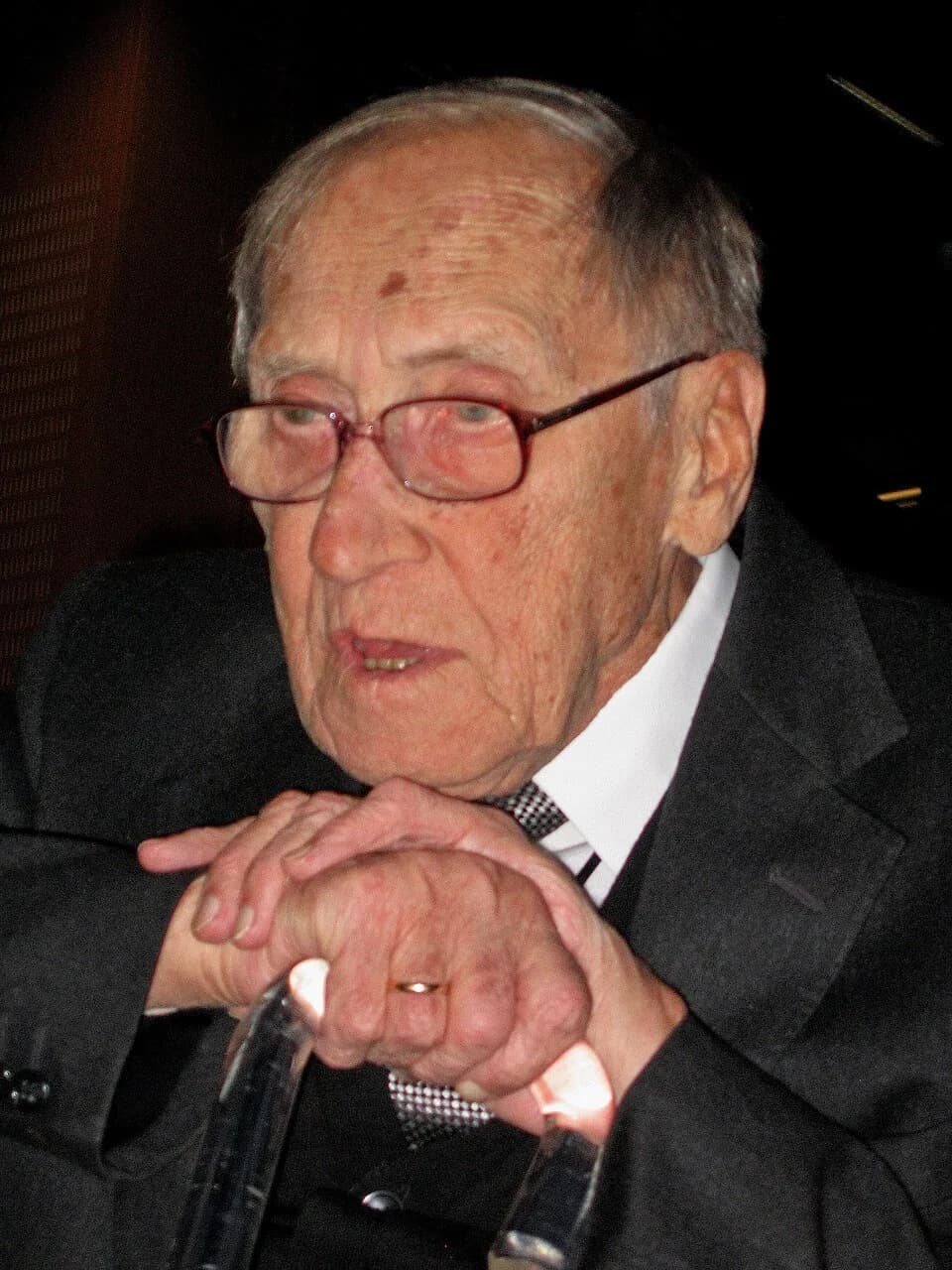
Later Years
In the latter part of his career, Leszek Kołakowski increasingly turned his intellectual attention to religious questions, a natural progression for a philosopher of his depth. This shift highlighted his persistent search for meaning and understanding beyond the confines of political philosophy, demonstrating an evolving intellectual journey. He continued to shape philosophical discourse until his passing on July 17, 2009, in Oxford, United Kingdom, leaving behind a remarkably rich body of work.
Pennod 6· Pennod 6 o 6
Legacy and Impact
Leszek Kołakowski's legacy is defined by his courageous intellect, his unwavering commitment to philosophical inquiry, and his pursuit of truth. His critical assessment of Marxist theory had a lasting influence, prompting re-evaluations across academic and political spheres for decades. Through his meticulous scholarship and clear, persuasive writing, he reshaped how many understood the history of ideas. His profound insights into history and human nature, exemplified by his Jefferson Lecture, continue to inspire critical reflection and intellectual courage in new generations.
Cwestiynau Cyffredin
Cwestiynau a ofynnir yn aml
Pryd y bu farw Leszek Kołakowski?
Bu farw Leszek Kołakowski ar 17 Gorffennaf 2009 yn Oxford, United Kingdom yn 81 oed.
Ble cafodd Leszek Kołakowski ei eni?
Cafodd Leszek Kołakowski ei eni yn Radom, Poland ar 23 Hydref 1927.
Am beth y mae Leszek Kołakowski fwyaf adnabyddus?
Mae Leszek Kołakowski fwyaf adnabyddus am Philosopher, historian of ideas.
Faint oedd oed Leszek Kołakowski pan fu farw?
Roedd Leszek Kołakowski yn 81 oed pan fu farw.
Pa genedligrwydd oedd Leszek Kołakowski?
Roedd Leszek Kołakowski o Poland.
Llinell amser
Bywyd ar olwg
Oriel luniau
Bywyd mewn lluniau
Cliciwch unrhyw polaroid i'w ehangu · 25 llun
Cod QR
Rhannu'r Cofiant Hwn
Argraffu a Rhannu
Sganio i ymweld â'r dudalen cofiant hon. Argraffu ar gyfer digwyddiadau, arddangosfeydd, neu ddeunyddiau addysgol.