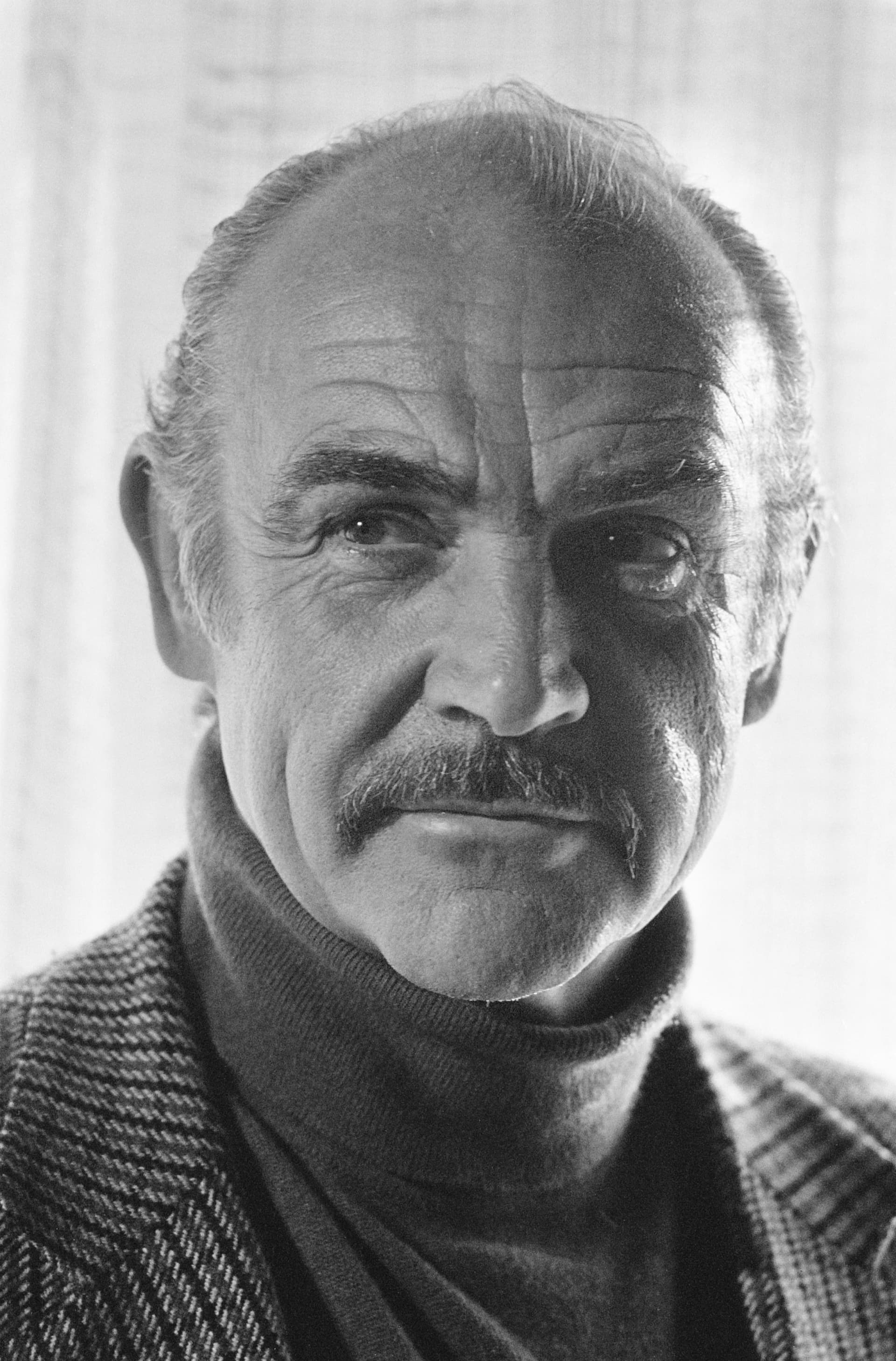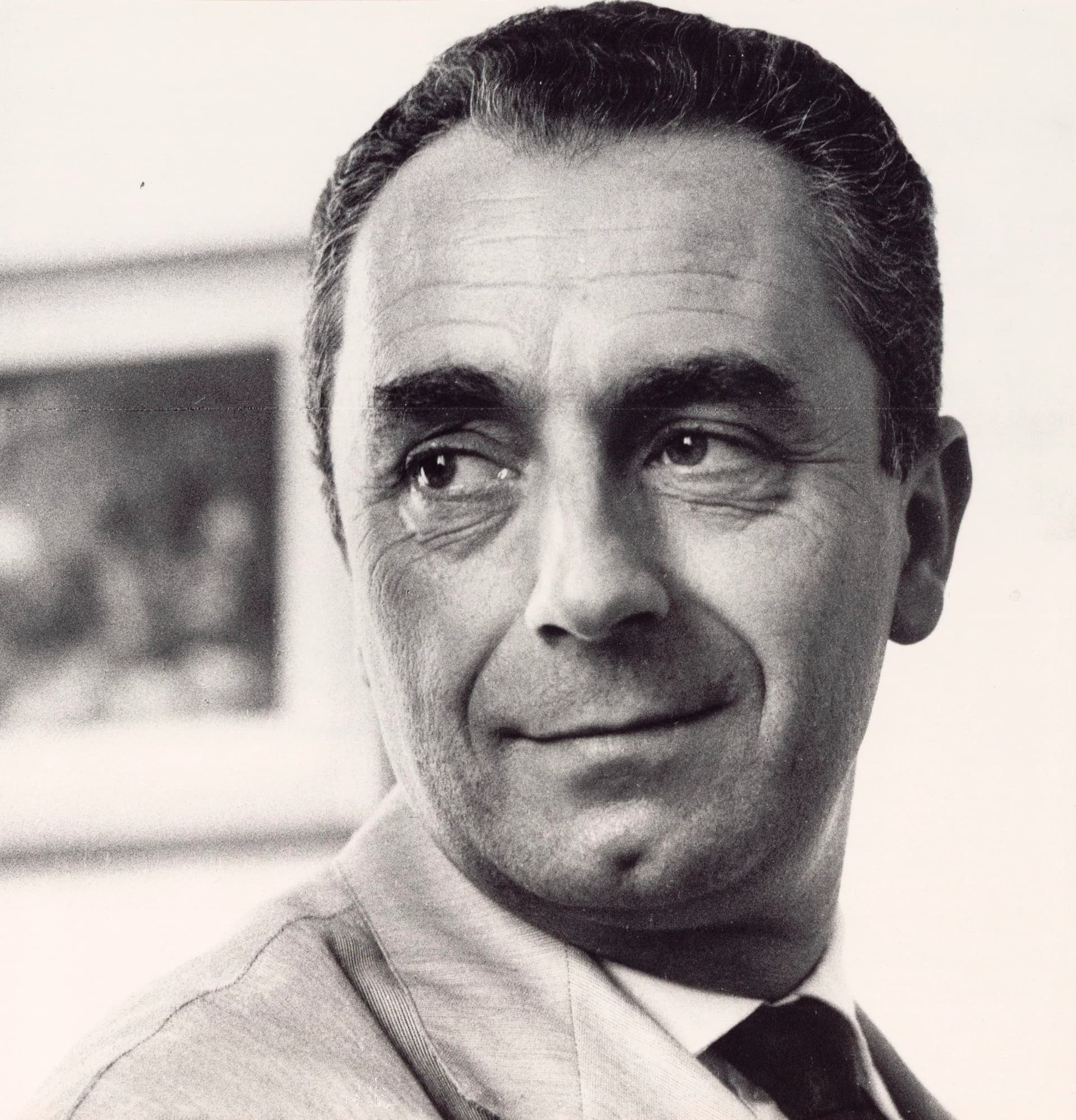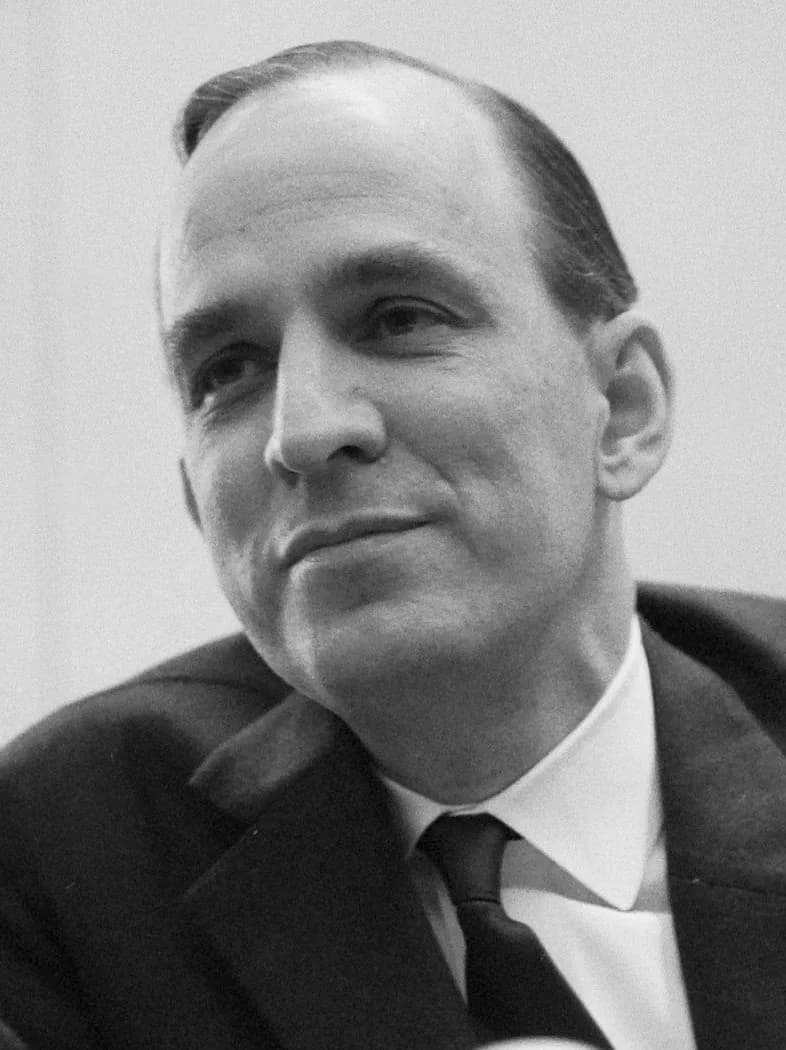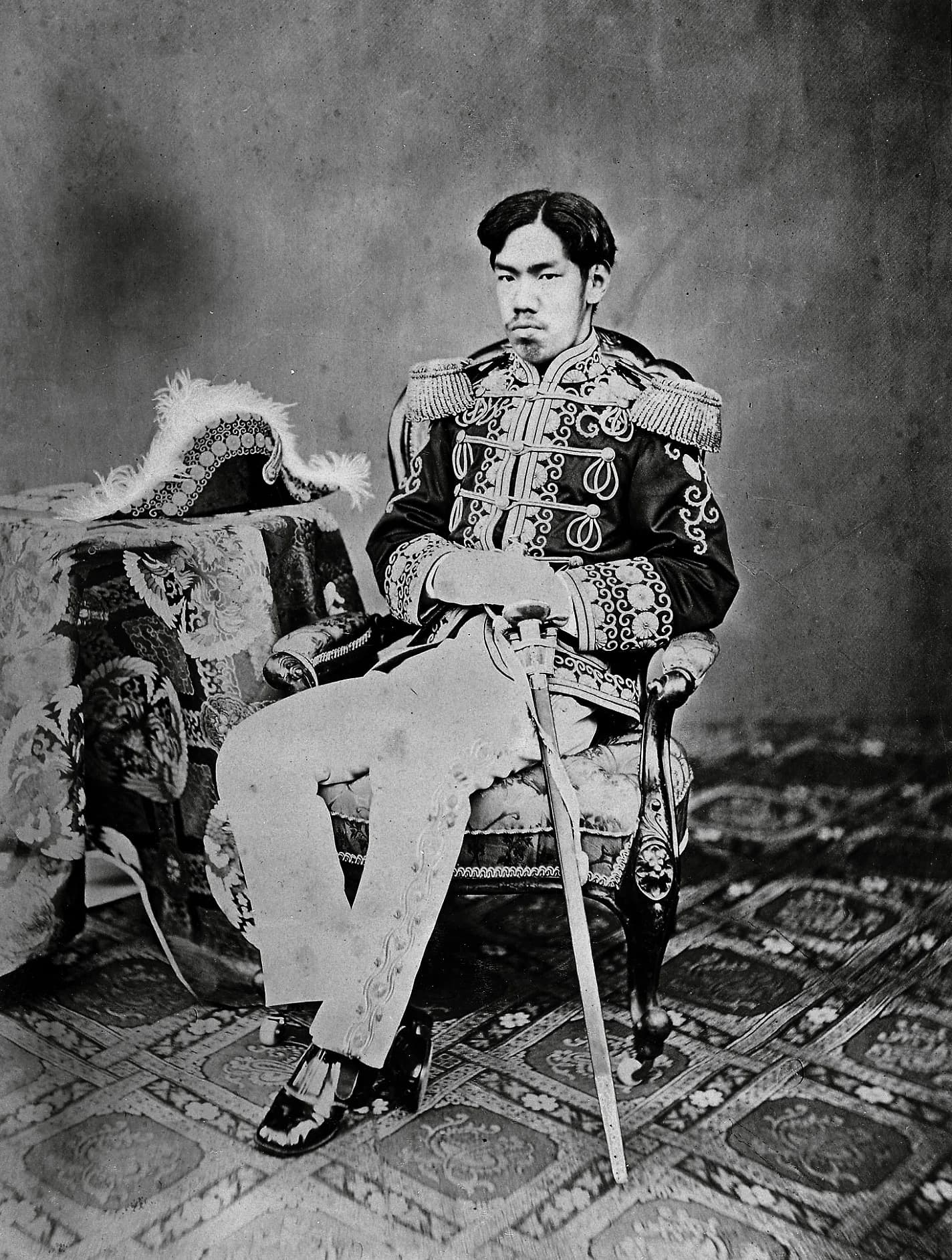
Ganwyd
January 15, 1923
Sanshi village, Taiwan under Japanese rule
Bu farw
July 30, 2020
Taipei Veterans General Hospital, Taiwan
Yn adnabyddus am
7-9th President of Republic of China(Taiwan)
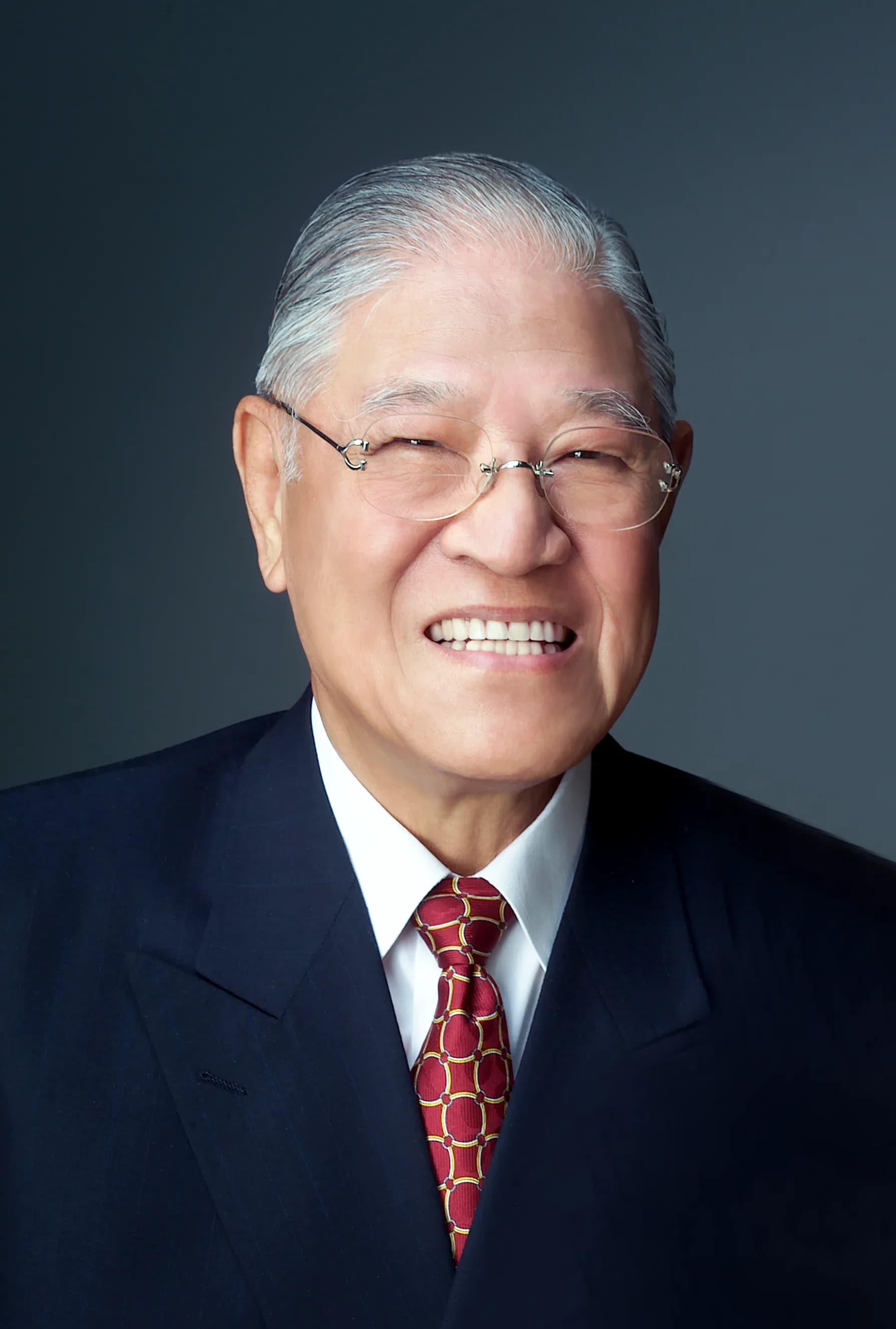
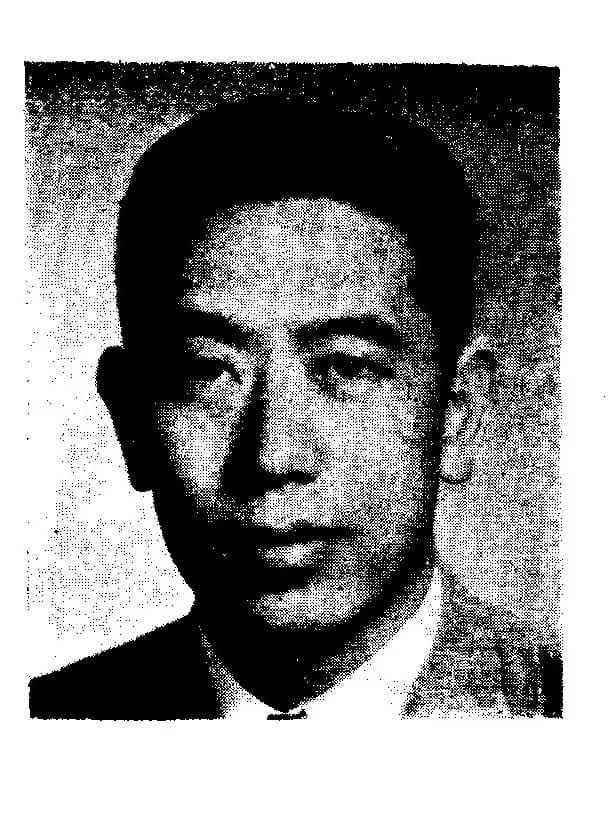
Lee Teng-hui (1923–2020) was Taiwan under Japanese rule best known for 7-9th President of Republic of China(Taiwan).
Lee Teng-hui (January 15, 1923 – July 30, 2020) was a politician and agricultural economist from Taiwan. He served as the 7th-9th President of the Republic of China, overseeing its transition to direct presidential elections. His leadership helped shape modern Taiwan.
Bywyd mewn eiliadau
Yr eiliadau a luniodd fywyd
Pennod
Penodau bywyd
Pennod 1 · 1923· Pennod 1 o 7
Opening
Lee Teng-hui, born on January 15, 1923, and passed away on July 30, 2020, was a distinguished Taiwanese politician and an accomplished agricultural economist. He notably served as the 7th through 9th President of the Republic of China, commonly known as Taiwan, a tenure that spanned from 1988 to 2000. His presidency marked a profoundly transformative era for Taiwan, characterized by significant democratic reforms and a strengthening of its unique national identity. Lee Teng-hui holds the significant distinction of being the first president of the Republic of China to be born in Taiwan itself, symbolizing a pivotal new chapter for the nation's self-governance.
Pennod 2 · 1923· Pennod 2 o 7
Early Life and Origins
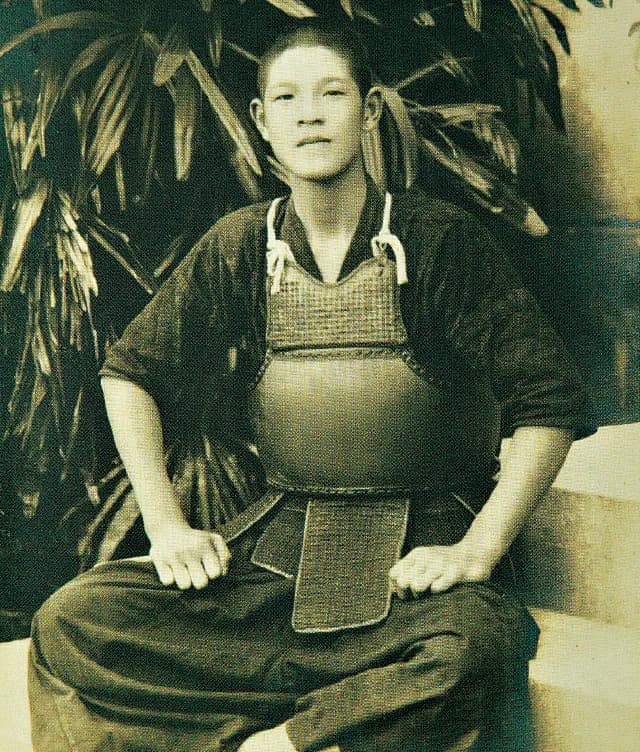
Lee Teng-hui entered the world on January 15, 1923, in Sanshi village, located in Taiwan, during the period of Japanese rule. This era under Japanese administration profoundly shaped a generation of Taiwanese, who experienced a unique blend of cultural and educational influences during their formative years. From an early age, he demonstrated a strong aptitude for academics, laying the groundwork for his future intellectual pursuits and eventual rise in public life. He pursued higher education that specifically focused on agricultural economics and agronomy, fields in which he developed considerable expertise and passion.
His academic journey saw him delve deeply into the scientific and economic aspects of agriculture, establishing a solid theoretical and practical understanding. These rigorous academic foundations proved crucial, as they later informed his pragmatic and evidence-based approach to economic policy-making and public service throughout his extensive and influential career. The knowledge gained from these studies provided him with a unique perspective on national development, linking economic prosperity directly to the well-being of the populace.
Pennod 3· Pennod 3 o 7
Career Beginnings
Lee Teng-hui commenced his professional life as an agricultural economist, a discipline where he not only became highly proficient but also garnered significant respect for his intellectual contributions. His initial career phase was dedicated to applying his specialized knowledge to enhance agricultural development, which was then a cornerstone of Taiwan's burgeoning economy. This strong academic and practical background provided him with an invaluable, deep understanding of the nation's foundational economic structures and rural communities. His insights into these areas were instrumental in shaping early government policies.
His subsequent transition into the political arena saw him rise steadily through the ranks of public administration, eventually becoming a prominent figure within the ruling Kuomintang (KMT) party. This move into politics was a natural progression for someone with his dedication to national service and economic reform. His combination of practical economic insight, honed through years of study and application, and burgeoning political acumen ultimately set the stage for his impactful and transformative leadership roles within the Republic of China government.
Pennod 4 · 1988· Pennod 4 o 7
Major Achievements and Career Highlights
Lee Teng-hui's political journey reached its apex when he assumed the dual roles of president of the Republic of China and chairman of the Kuomintang in 1988. As the fourth president, he skillfully guided Taiwan through a profoundly transformative period, characterized by rapid democratic transition, remaining in office until 2000. A particularly significant accomplishment during his tenure was his instrumental role in transitioning Taiwan from an authoritarian system to a vibrant, multi-party democracy. He oversaw the dismantling of old political structures and the establishment of new, more representative institutions.
He holds the unique distinction of being the last president to be indirectly elected by the National Assembly, yet he also became the first to be directly elected by the populace in 1996, a truly landmark moment in Taiwan's democratic evolution. This democratic progression, spearheaded by Lee, solidified his legacy as a leader who effectively empowered the Taiwanese people with the fundamental right to choose their own head of state. His leadership ensured that Taiwan's political future would be determined by its citizens, not by a select few.
Pennod 5 · 1999· Pennod 5 o 7
Notable Works or Contributions
Beyond his distinguished political career, Lee Teng-hui also made significant contributions to academia, particularly within his original field of agricultural economics, demonstrating his intellectual depth. His scholarly output is noted by an h-index of 1, reflecting five academic papers that showcase his analytical capabilities. Among his most recognized works is "The road to democracy," published in 1999, which has garnered three citations for its timely insights into political development and governance. This publication reflects his deep engagement with the theoretical underpinnings of his political actions.
Other noteworthy contributions include "Interview de Lee Teng-hui" from 1994, which received one citation, offering personal insights into his perspectives. His portfolio also contains "Exclusive Interview with Voice of Germany (July 9, 1999)," published in 2002, providing a global audience with his views. Furthermore, his academic endeavors included "Let the Descendents of the Yellow Emperor Stand Up (April 8, 1995)," also from 2002, and "Special State-to-State Relations: Saying “Yes” to Reality," published in 1999. These diverse publications collectively offer a valuable window into his intellectual perspective on governance, the intricate process of democratization, and Taiwan's distinctive position within the international community, highlighting his comprehensive approach to national and global issues.
Pennod 6 · 2000· Pennod 6 o 7
Later Years
Following the conclusion of his presidential term in 2000, Lee Teng-hui continued to be an influential and respected figure in Taiwan's political and social discourse. Although no longer in office, he remained actively engaged in public life, frequently advocating for the democratic principles and national identity he had championed throughout his extensive public career. His later years were characterized by a continued deep commitment to issues important to Taiwan's future, often offering seasoned perspectives on national policy and direction.
Lee Teng-hui passed away peacefully at the age of 97 on July 30, 2020, bringing to a close the remarkable life of a seminal figure in the nation's modern history. His passing occurred at Taipei Veterans General Hospital in Taipei, Taiwan, a location that marked the final chapter of his journey. His long life and profound contributions left an enduring legacy that continues to resonate within Taiwan and beyond its borders.
Pennod 7· Pennod 7 o 7
Legacy and Impact
Lee Teng-hui's enduring legacy is intrinsically tied to his profound influence on Taiwan's democratic maturation and the articulation of its national identity. As the very first president born on the island, he profoundly symbolized a new and self-reliant era for the nation, fostering a distinct Taiwanese identity. He expertly navigated the complex and often challenging process of democratization, steering the Republic of China away from its authoritarian past towards a fully democratic system characterized by direct popular elections, a monumental achievement for the young democracy.
His steadfast leadership during these pivotal years has left an unmistakable and lasting mark, fundamentally shaping modern Taiwan into the vibrant democratic society it is recognized as today. His unwavering commitment to principles of self-determination and democratic governance continues to serve as a guiding inspiration for future generations in Taiwan. Lee Teng-hui's vision for a democratic and self-aware Taiwan cemented his place as a national icon and a true architect of its modern political landscape.
Cwestiynau Cyffredin
Cwestiynau a ofynnir yn aml
Pryd y bu farw Lee Teng-hui?
Bu farw Lee Teng-hui ar 30 Gorffennaf 2020 yn Taipei Veterans General Hospital, Taiwan yn 97 oed.
Ble cafodd Lee Teng-hui ei eni?
Cafodd Lee Teng-hui ei eni yn Sanshi village, Taiwan under Japanese rule ar 15 Ionawr 1923.
Am beth y mae Lee Teng-hui fwyaf adnabyddus?
Mae Lee Teng-hui fwyaf adnabyddus am 7-9th President of Republic of China(Taiwan).
Faint oedd oed Lee Teng-hui pan fu farw?
Roedd Lee Teng-hui yn 97 oed pan fu farw.
Pa genedligrwydd oedd Lee Teng-hui?
Roedd Lee Teng-hui o Taiwan under Japanese rule.
Llinell amser
Bywyd ar olwg
Oriel luniau
Bywyd mewn lluniau
Cliciwch unrhyw polaroid i'w ehangu · 24 llun
Cod QR
Rhannu'r Cofiant Hwn
Argraffu a Rhannu
Sganio i ymweld â'r dudalen cofiant hon. Argraffu ar gyfer digwyddiadau, arddangosfeydd, neu ddeunyddiau addysgol.