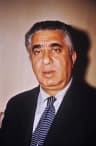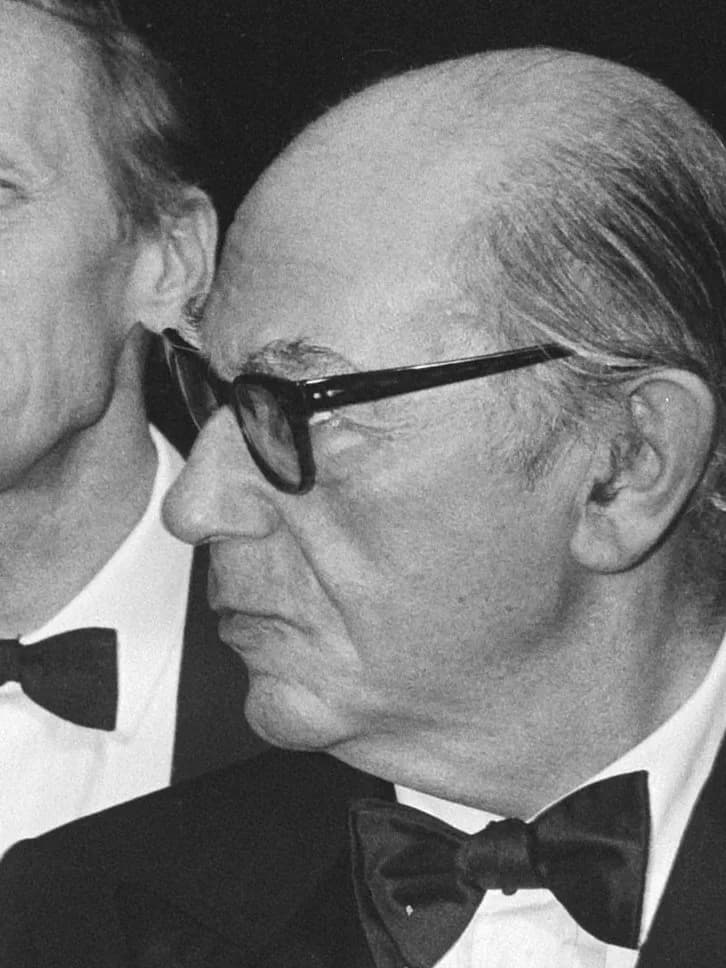
Ganwyd
June 6, 1909
Riga, Latvia
Bu farw
November 5, 1997
Oxford, United Kingdom
Yn adnabyddus am
Russo-British-Latvian Jewish social and political theorist, philosopher and historian of ideas
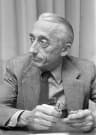
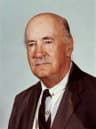
Isaiah Berlin (1909–1997) was Latvia best known for Russo-British-Latvian Jewish social and political theorist, philosopher and historian of ideas.
Sir Isaiah Berlin (June 6, 1909 – November 5, 1997) was a distinguished Russo-British social and political theorist, philosopher, and historian of ideas. Known for his improvised lectures and talks, his extensive body of work explored human liberty and political thought. His contributions continue to shape academic discourse.
Pennod
Penodau bywyd
Pennod 1 · 1909· Pennod 1 o 7
Early Life and Origins
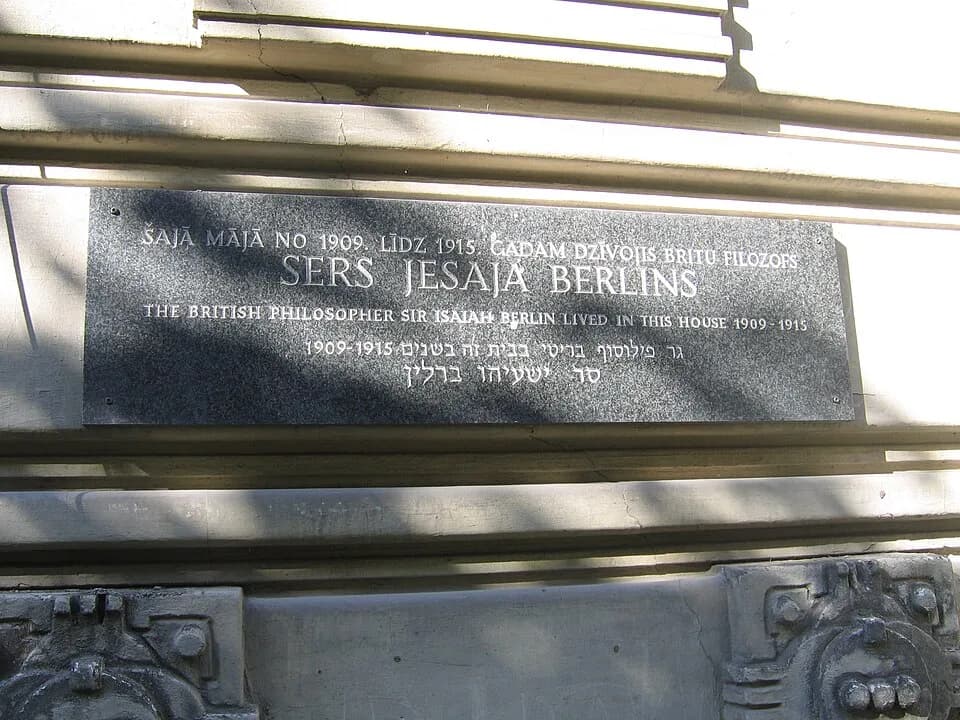
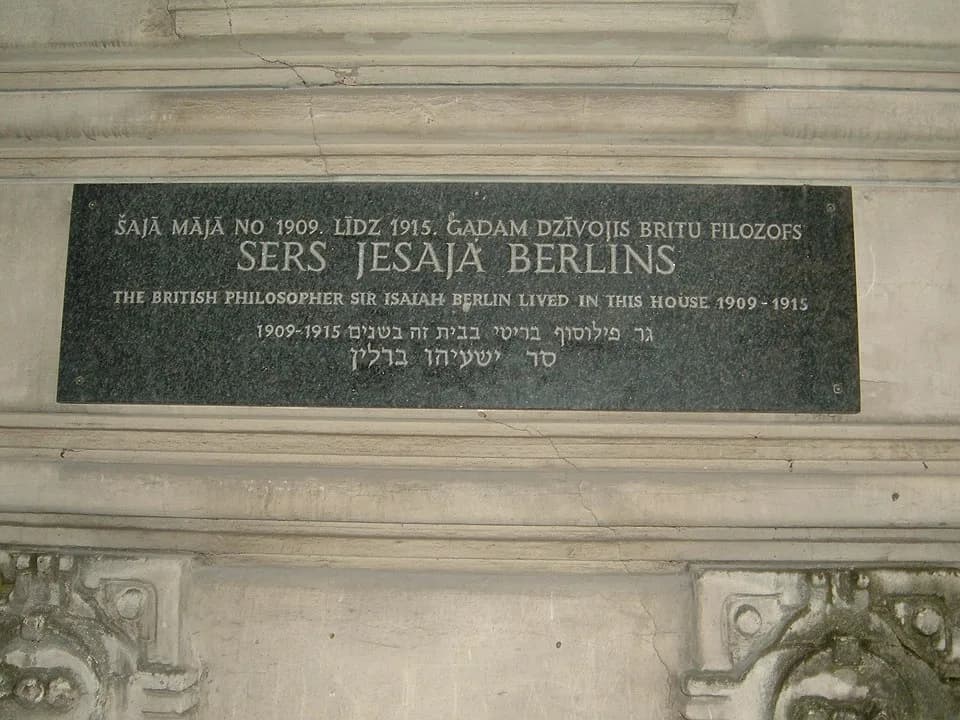
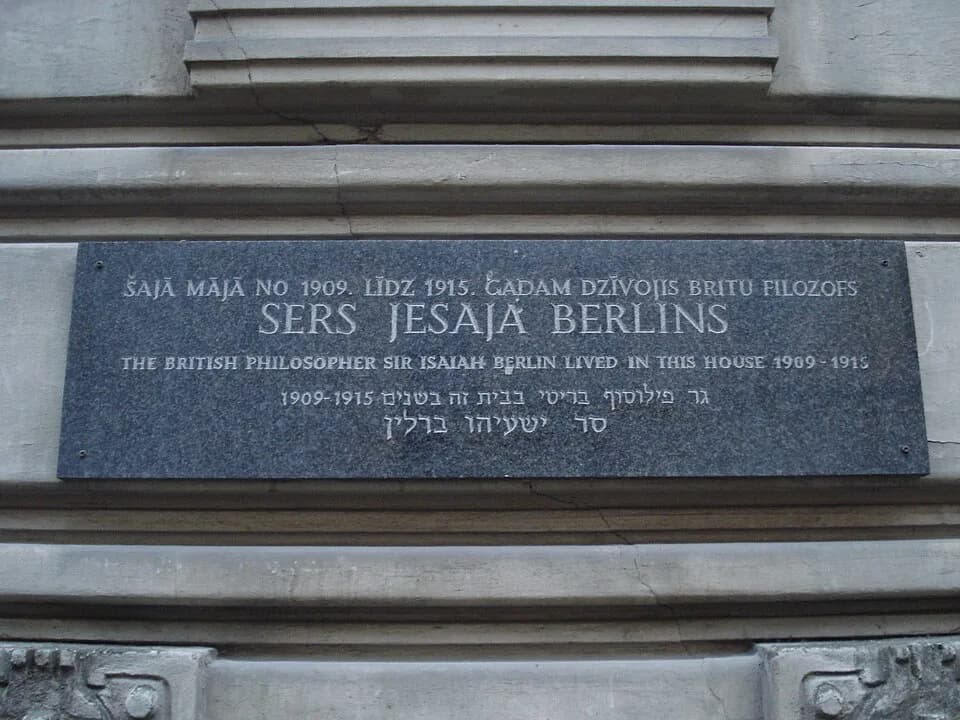
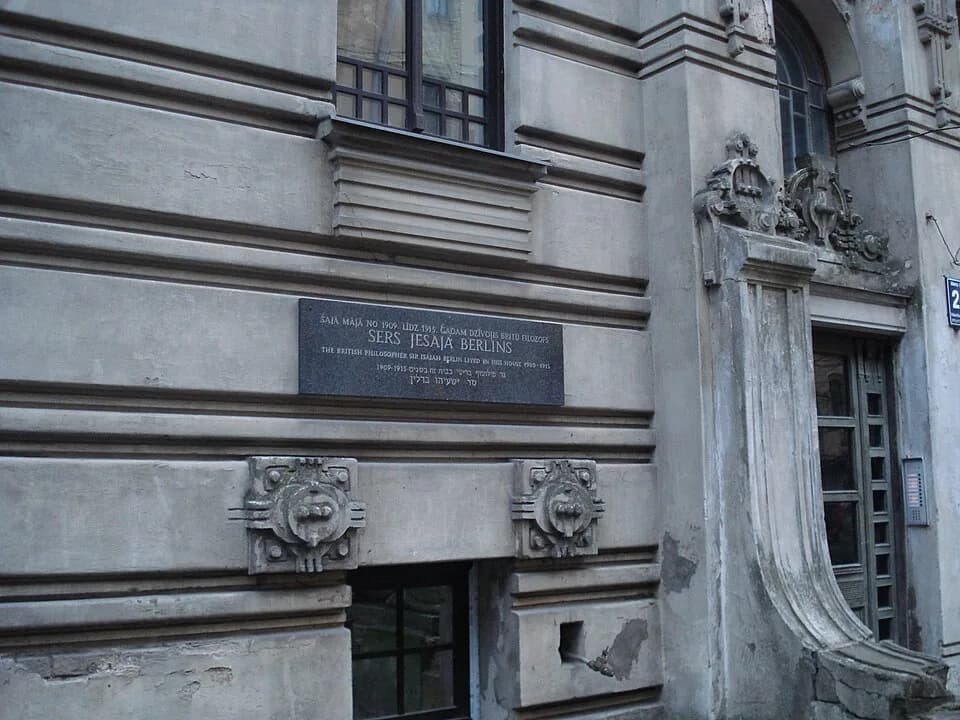
Isaiah Berlin was born on June 6, 1909, in Riga, Latvia, a city that was then part of the Russian Empire. His background as a Latvian Jew provided him with a unique perspective on identity and culture, which later informed his nuanced explorations of nationalism and diverse societal structures. The significant political changes occurring in the region during his early childhood, particularly the aftermath of the Russian Revolution, profoundly shaped his understanding of history and governance.
His family's subsequent relocation to the United Kingdom played a crucial role in his development as a Russo-British intellectual. This bicultural upbringing allowed him to bridge different intellectual traditions and perspectives, enriching his contributions to philosophy and political theory. These early experiences provided a foundational lens through which he analyzed the competing forces that drive human societies and shape historical events.
Pennod 2· Pennod 2 o 7
Career Beginnings
Isaiah Berlin embarked on a diverse and distinguished professional journey early in his career, beginning his service as a diplomat. This role provided him with firsthand exposure to international relations and the practicalities of political engagement, broadening his understanding of global dynamics. His initial contributions to the academic sphere established him as a university teacher, where he began to share his burgeoning ideas with students and colleagues.
In addition to his diplomatic and teaching roles, Berlin quickly established himself as a historian and political scientist, fields that allowed him to delve into the theoretical underpinnings of social structures. His work as a sociologist further expanded his analytical scope, enabling him to examine the broader patterns and forces within human communities. These early engagements laid the groundwork for his comprehensive approach to the study of ideas and their impact on society.
Pennod 3· Pennod 3 o 7
Major Achievements and Career Highlights
Sir Isaiah Berlin's career was characterized by a synthesis of diverse academic disciplines, an achievement that solidified his reputation as a leading intellectual of his time. He masterfully integrated his roles as a political theorist, philosopher, and historian of ideas, offering fresh perspectives on complex social phenomena. His ability to connect historical events with enduring philosophical questions was a hallmark of his unique scholarly method.
A significant highlight of his career was his influence on the discourse surrounding liberalism and pluralism, concepts he articulated with clarity and intellectual rigor. While he became increasingly averse to writing for direct publication, his impact was magnified through his improvised lectures and talks. These spoken words, often recorded and meticulously transcribed, became the foundation for many of his influential published works, reaching a wider audience than traditional academic writing might have allowed.
Berlin's unique approach to scholarship also involved a fruitful collaboration with his principal editor, Henry Hardy, starting from 1974. Hardy played an instrumental role in converting many of Berlin's eloquent spoken words into published essays and books, ensuring his intellectual legacy would be preserved and widely disseminated. This method of publication underscored Berlin's primary strength as a captivating orator and a thinker who thrived on immediate engagement with ideas.
Pennod 4· Pennod 4 o 7
Personal Life
Details of Isaiah Berlin's personal life are not extensively documented in the provided information. However, his identity as a Russo-British-Latvian Jew speaks to a rich cultural heritage that undoubtedly informed his intellectual pursuits. His profound interest in human values, freedom, and the diversity of moral outlooks suggests a deeply reflective individual who valued human experience in all its variations.
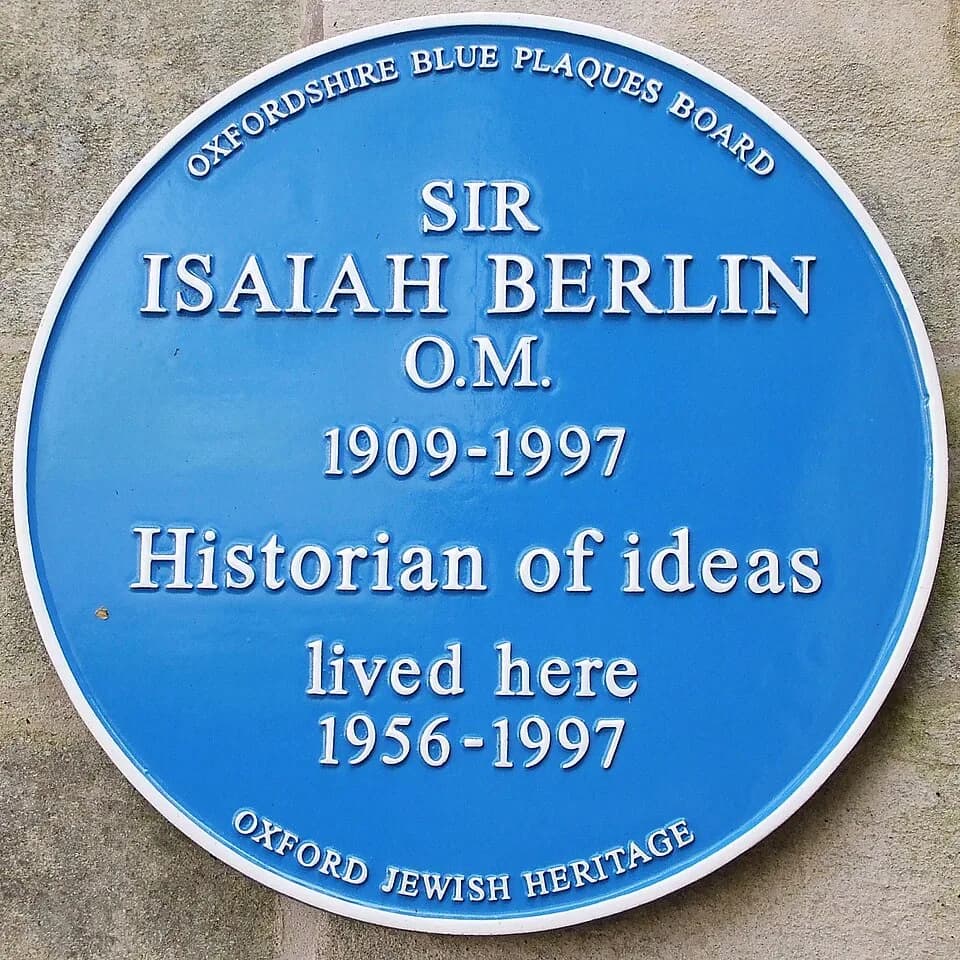
Living in Oxford, United Kingdom, for much of his life and ultimately passing there, Berlin was deeply integrated into the academic and intellectual community. This environment likely provided him with stimulating interactions and strong personal connections, enriching his personal and professional spheres. While specific family or relationship details are not given, his life was clearly dedicated to the exploration and understanding of complex human ideas.
Pennod 5· Pennod 5 o 7
Notable Works or Contributions
Isaiah Berlin's substantial contributions to political philosophy and the history of ideas are evident in his diverse bibliography. Among his significant works is Karl Marx, his life and environment, which offered a critical examination of the influential German philosopher's life and intellectual context. This work provided valuable insights into the origins and development of Marxist thought, showcasing Berlin's analytical depth as a historian.
Another seminal work is Historical inevitability, a piece that challenged deterministic views of history and championed the role of individual choice and contingency. He also explored distinct philosophical concepts in ha-Ḳipod ṿeha-shuʻal (The Hedgehog and the Fox), which introduced a famous distinction between two fundamental types of thinkers. These texts, alongside others like ha-Enoshut, bul ʻets ʻiḳesh and El poder de las ideas, demonstrate his wide-ranging intellectual interests and his ability to address complex subjects across various languages and cultural contexts.
His bibliography also includes works such as Chaim Weizmann as leader, reflecting his interest in significant historical figures and their impact on political movements. Further contributions include Der magus in Norden, در جست و جوى آزادى (In Search of Freedom), Teḥushat ha-metsiʾut, and Yamai u-maḥshevotai, each offering unique perspectives on leadership, freedom, and the nature of reality. These publications, many originating from his transcribed lectures, cemented his place as a leading voice in intellectual discourse.
Pennod 6· Pennod 6 o 7
Later Years
In his later years, Isaiah Berlin continued to be a vibrant intellectual presence, even as his approach to publishing evolved. His aversion to formal writing for publication became a defining characteristic of his later career, favoring the spontaneity and directness of lectures and discussions. This preference meant that his profound insights were often captured through recordings and transcriptions, preserving his unique style of intellectual engagement.
His principal editor, Henry Hardy, played an essential role in these final decades, diligently compiling and editing Berlin's spoken words into the published essays and books that enriched his bibliography. Berlin's sustained presence in Oxford, United Kingdom, where he eventually passed away, maintained his connection to a rich academic environment. Even as he aged, his ideas continued to circulate and influence new generations of thinkers, solidifying his legacy within the philosophical community.
Pennod 7· Pennod 7 o 7
Legacy and Impact
Sir Isaiah Berlin's legacy is defined by his profound and lasting impact on social and political theory, philosophy, and the history of ideas. He is remembered for his robust defense of negative liberty and his nuanced articulation of pluralism, arguing for the inherent value of diverse human ends and values. His work continues to provide a vital framework for understanding the complexities of political freedom and moral choice in a diverse world.
His method of disseminating ideas, largely through articulate and impromptu lectures meticulously transcribed by others, highlights his skill as an orator and an engaging intellectual. Berlin’s ability to draw from his experience as a diplomat, historian, political scientist, sociologist, and university teacher allowed him to craft a uniquely integrated worldview. His intellectual honesty and commitment to exploring difficult questions ensure his ideas remain a vital resource for contemporary thought, continuing to shape discussions on liberty, justice, and the human condition long after his passing.
Bywyd mewn eiliadau
Yr eiliadau a luniodd fywyd
Cwestiynau Cyffredin
Cwestiynau a ofynnir yn aml
Pryd y bu farw Isaiah Berlin?
Bu farw Isaiah Berlin ar 5 Tachwedd 1997 yn Oxford, United Kingdom yn 88 oed.
Ble cafodd Isaiah Berlin ei eni?
Cafodd Isaiah Berlin ei eni yn Riga, Latvia ar 6 Mehefin 1909.
Am beth y mae Isaiah Berlin fwyaf adnabyddus?
Mae Isaiah Berlin fwyaf adnabyddus am Russo-British-Latvian Jewish social and political theorist, philosopher and historian of ideas.
Faint oedd oed Isaiah Berlin pan fu farw?
Roedd Isaiah Berlin yn 88 oed pan fu farw.
Pa genedligrwydd oedd Isaiah Berlin?
Roedd Isaiah Berlin o Latvia.
Llinell amser
Bywyd ar olwg
Oriel luniau
Bywyd mewn lluniau
Cliciwch unrhyw polaroid i'w ehangu · 31 llun
Cod QR
Rhannu'r Cofiant Hwn
Argraffu a Rhannu
Sganio i ymweld â'r dudalen cofiant hon. Argraffu ar gyfer digwyddiadau, arddangosfeydd, neu ddeunyddiau addysgol.