Ganwyd
February 26, 1808
Marseille, France
Bu farw
February 10, 1879
Valmondois, France
Yn adnabyddus am
French artist
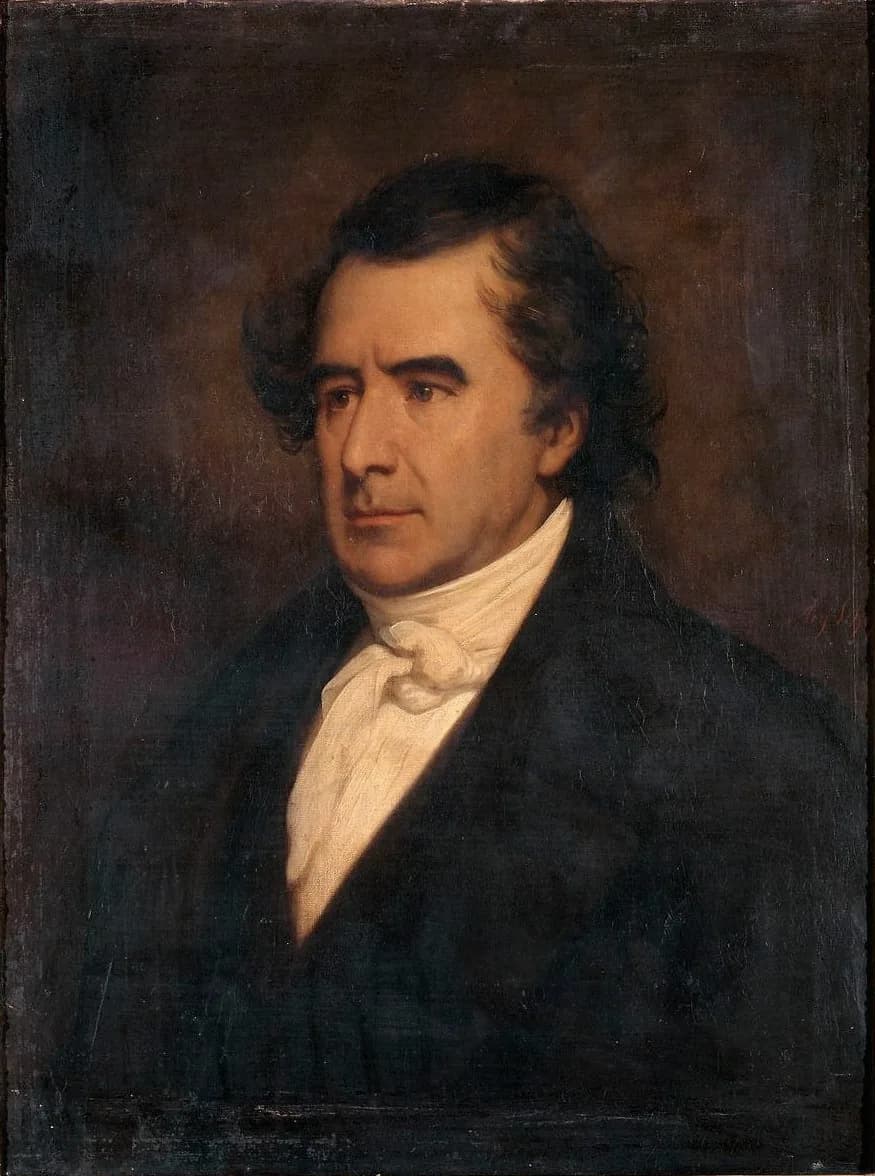
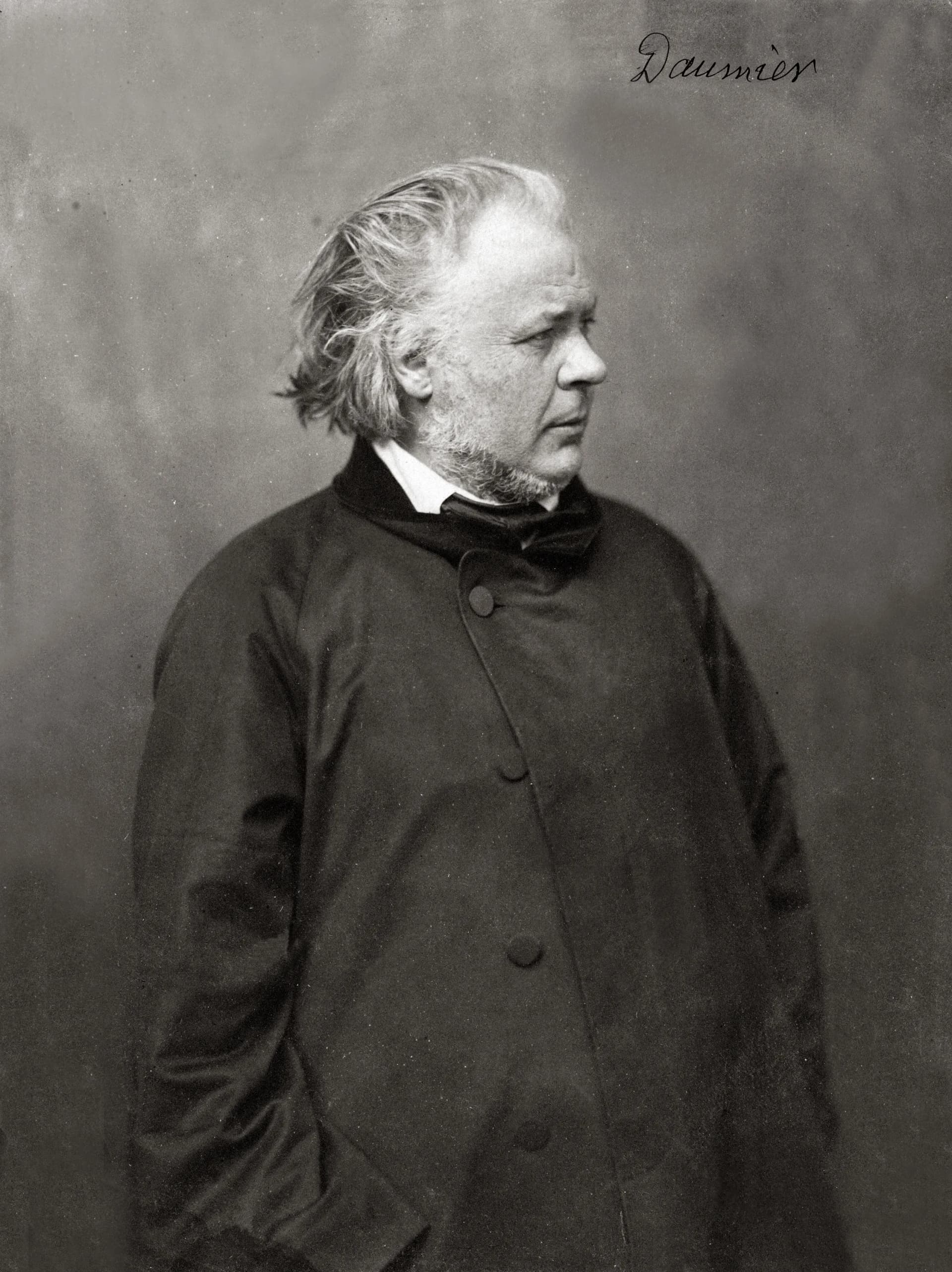
Honoré Daumier (1808–1879) was France best known for French artist.
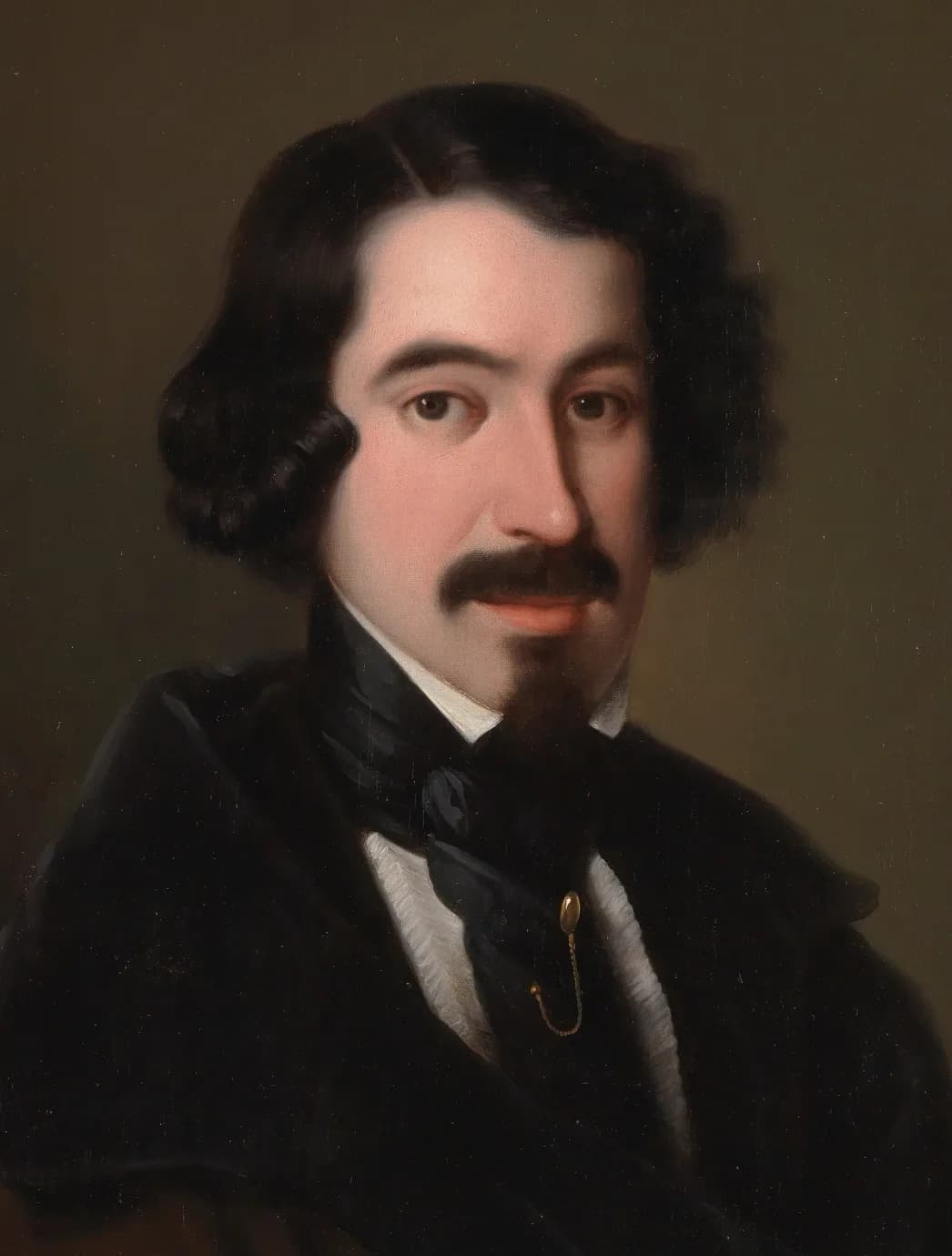
Honoré Daumier (February 26, 1808 – February 10, 1879) was a French artist from Marseille, France. He was celebrated for his powerful social and political commentary conveyed through caricatures and paintings. Daumier's works offer a unique perspective on 19th-century French society.
Bywyd mewn eiliadau
Yr eiliadau a luniodd fywyd
Pennod
Penodau bywyd
Pennod 1 · 1808· Pennod 1 o 6
Early Life and Origins
Honoré-Victorin Daumier was born on February 26, 1808, in the vibrant port city of Marseille, France. Details about his early family life and upbringing are not extensively documented, yet his origins in this bustling city likely exposed him to a wide spectrum of society from a young age. This early exposure may have contributed to his later keen eye for human behavior and social dynamics.
Though information regarding his formal education is scarce, Daumier's artistic inclinations developed early, leading him towards a path that would see him master multiple visual art forms. His early environment in Marseille provided a backdrop for the formative years of an artist who would eventually become a powerful voice in French culture.
Pennod 2· Pennod 2 o 6
Career Beginnings
Daumier's artistic journey began by honing his skills as an engraver and lithographer, crafts that were foundational to the burgeoning print media of the 19th century. These technical proficiencies allowed him to quickly establish himself in the world of publishing. He soon found a significant platform for his artistic and critical voice in influential newspapers and periodicals of the era.
He earned his living primarily by producing a vast array of caricatures and cartoons for publications such as La Caricature and Le Charivari. These roles propelled him into the public consciousness, making him a well-known figure during his lifetime. His contributions to these widely circulated publications allowed his distinctive style and sharp wit to reach a broad audience.
Pennod 3· Pennod 3 o 6
Major Achievements and Career Highlights
Honoré Daumier’s career was marked by extraordinary versatility, encompassing a wide array of artistic professions that included engraver, illustrator, painter, and sculptor. He also excelled as a graphic artist, visual artist, caricaturist, and lithographer. His proficiency even extended to architectural draftsperson and general draftsperson, demonstrating his comprehensive command of visual representation.
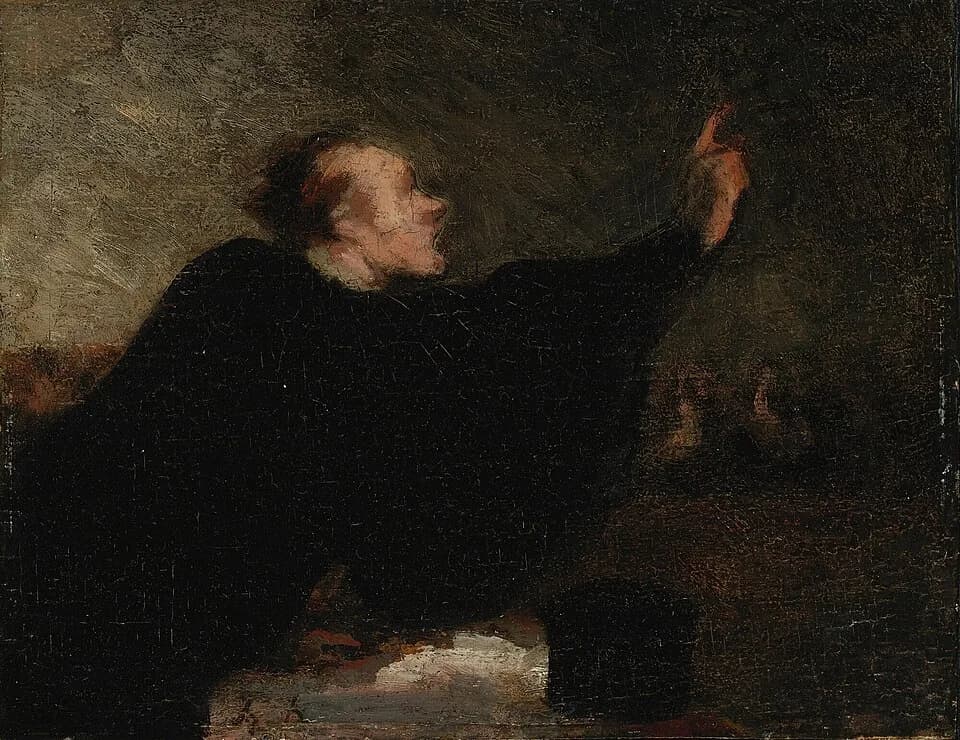
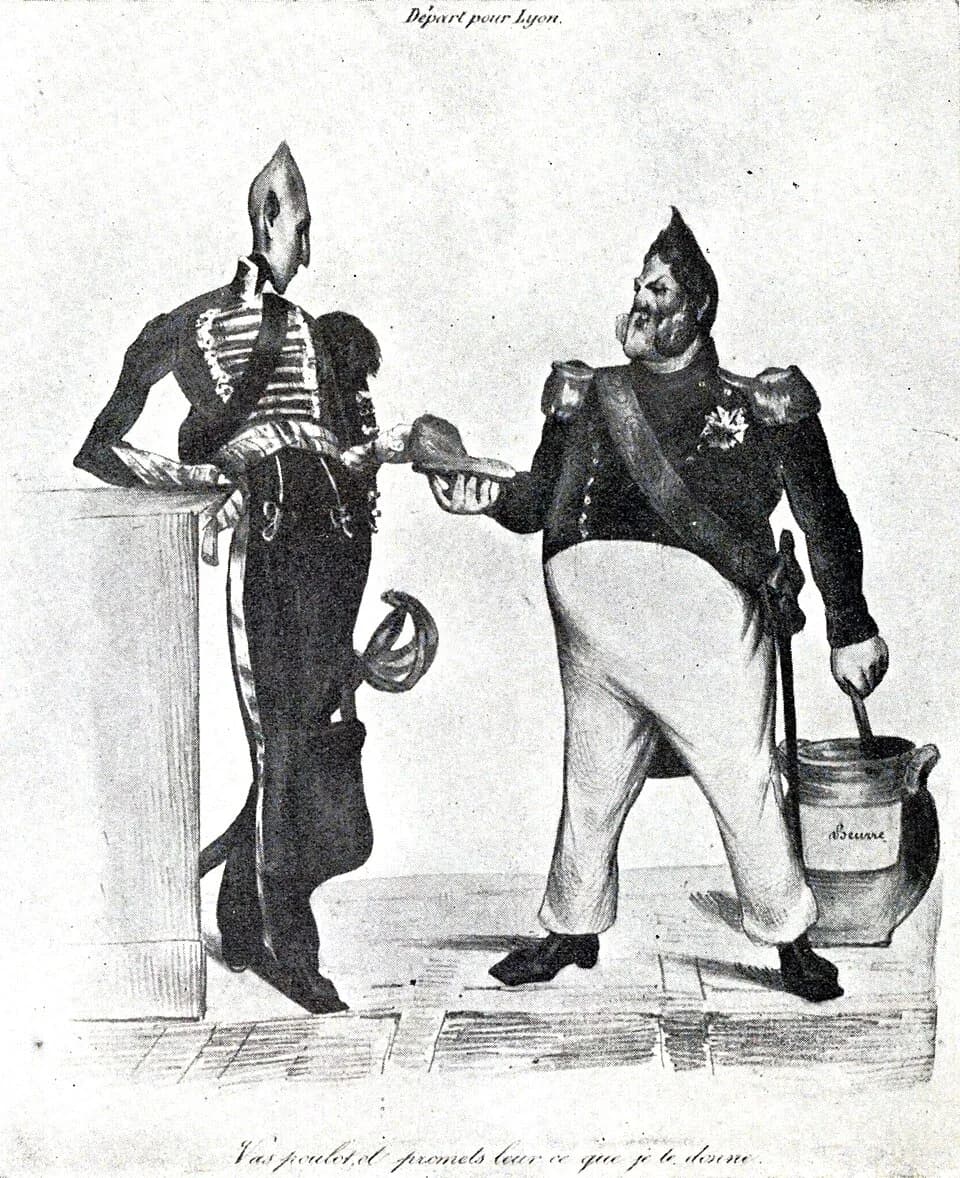
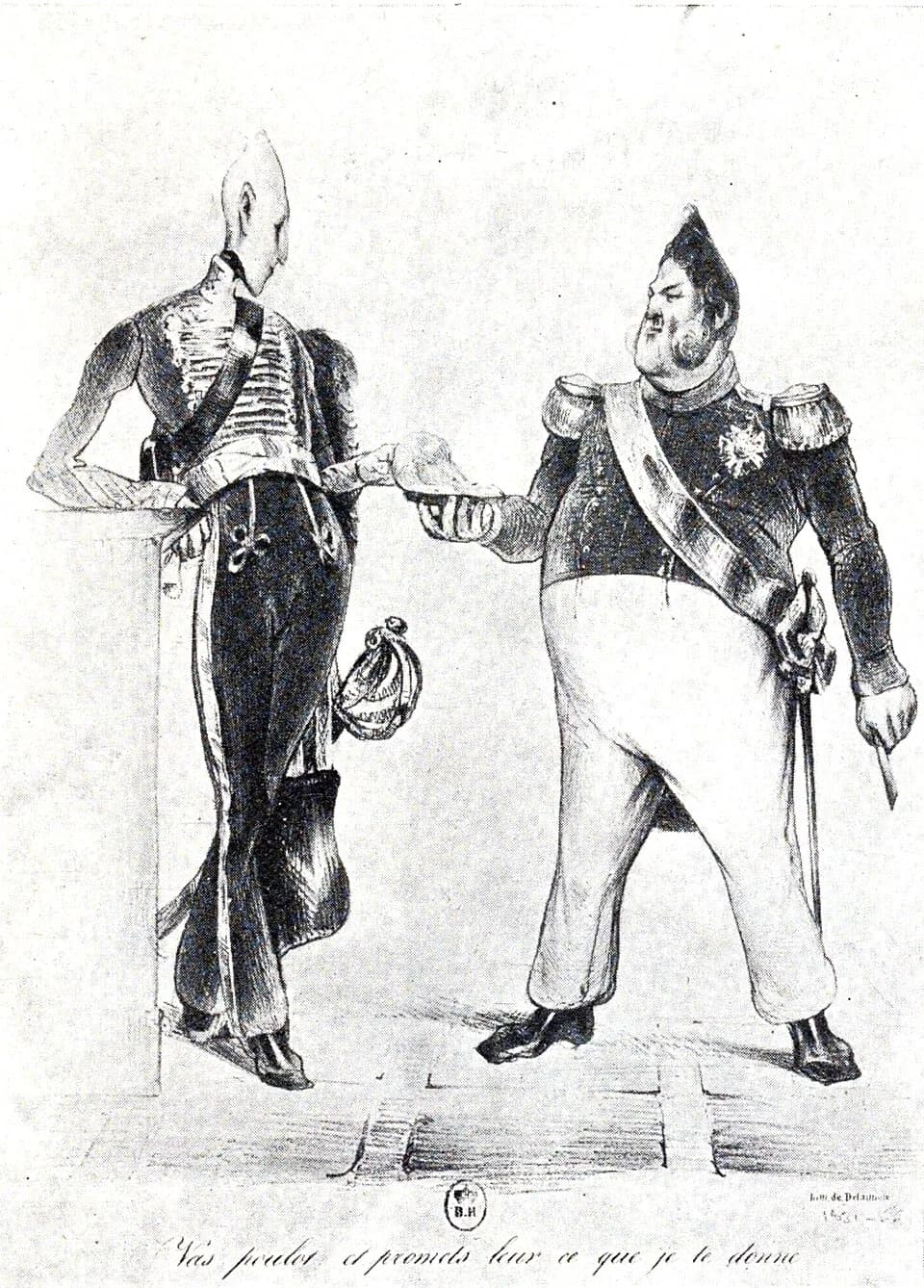
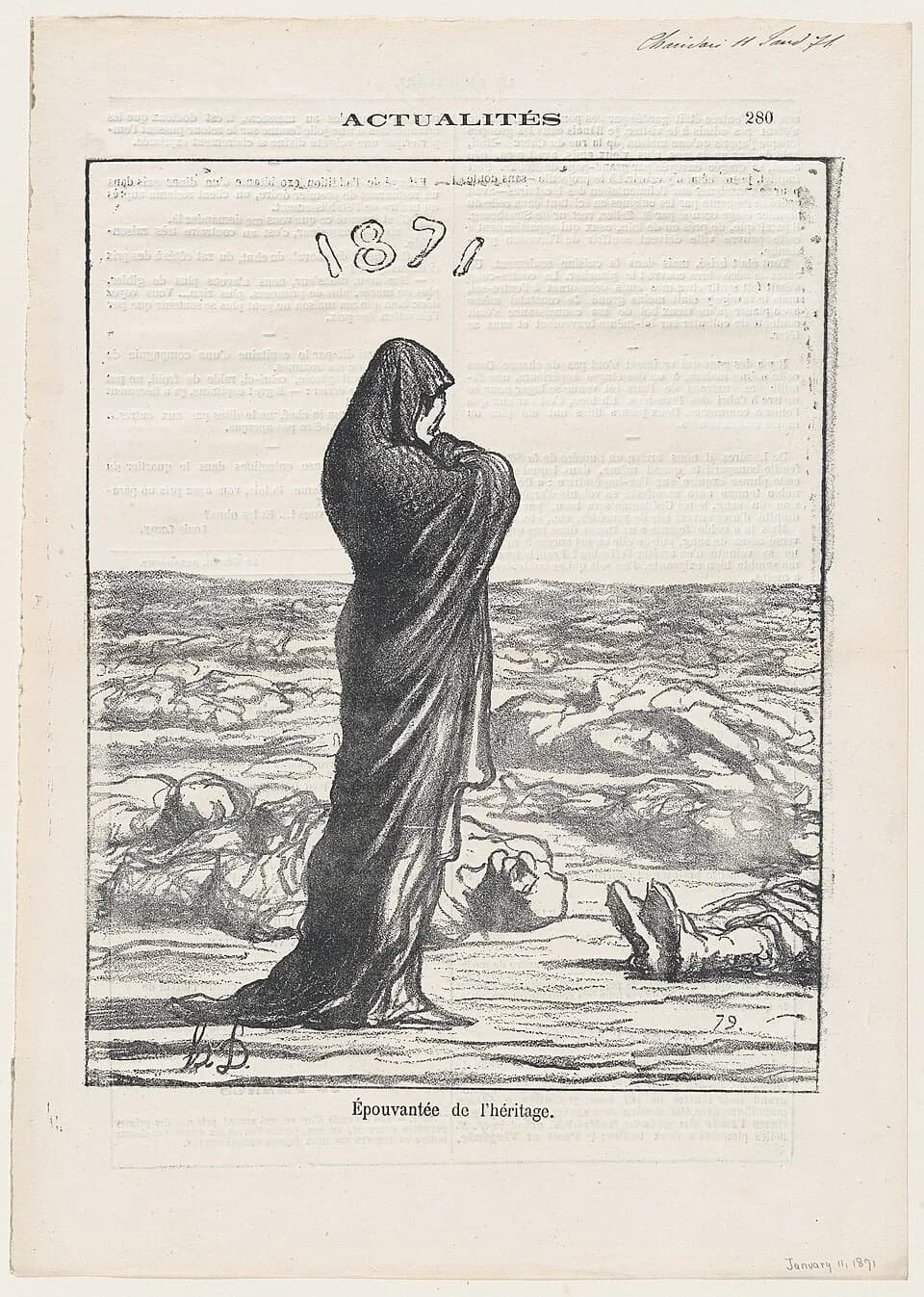
His most significant achievement lies in his powerful and sustained commentary on French social and political life, which he expressed across a vast output of over 4,000 lithographs, 300 paintings, and 100 sculptures. Daumier's art chronicled four decades of French history, from the 1830 Revolution to the 1870 fall of the Second French Empire. As a staunch republican democrat, he consistently employed satire to lampoon the monarchy, the aristocracy, and the clergy, challenging the established powers of his day.
Daumier's critical gaze also extended to the various institutions and individuals within society, including politicians, the judiciary, lawyers, police, and detectives. He frequently targeted the wealthy, the military, and the bourgeoisie, dissecting their pretensions and foibles with unsparing wit. Beyond specific societal groups, Daumier also satirized his countrymen and human nature in general, revealing universal aspects of vanity, greed, and folly that continue to resonate.
Pennod 4 · 1864· Pennod 4 o 6
Notable Works or Contributions
Honoré Daumier’s extensive oeuvre includes many celebrated pieces that showcase his profound artistic skill and keen observational abilities. His painting, The Third-Class Carriage (1864), held by the Met Museum, powerfully depicts the weary lives of ordinary people in 19th-century France. Similarly, The Laundress (circa 1863), also at the Met Museum, portrays the daily grind of working-class existence with empathy and realism.
Daumier frequently explored the world of art and its collectors. Works like The Connoisseur (ca. 1860–65) at the Met Museum and The Print Collector (c. 1860) at the Art Institute of Chicago offer humorous and insightful glimpses into the characters who populate the art world. His piece The Drinkers (by 1861) at the Met Museum exemplifies his portrayal of everyday social scenes.
His political caricatures remain some of his most iconic contributions. Rue Transnonain, on April 15, 1834, plate 24 from L’Association mensuelle (October 2, 1834), held by the Art Institute of Chicago, is a stark and somber depiction of state violence. Daumier's wit also shone through in works like Nadar Elevating Photography to the Heights of Art, plate 367 from Souvenirs d’artistes (1862), at the Art Institute of Chicago, which playfully critiques the emerging art form of photography.
Many of his print series captured contemporary events and social absurdities. An example includes "- Can you see the comet?... just there, at the tip of my finger ... don't lose sight of my finger tip!," plate 5 from La Comète De 1857 (1857), also at the Art Institute of Chicago, which captures public fascination with celestial events. He also portrayed intimate family dynamics in works such as Family Scene (c. 1865).
Daumier's sharp satirical observations on Parisian life are well represented in his Types Parisiens series. Pieces like "- What a fuss this sour-face from the fifth floor is making! Wearing a hat just to buy two cups of milk for one sou! - Oh, Madame Capitaine, aren't we fancy today...," plate 36 Types Parisiens (1840) and "- My God! Madame Bombec, what happened to you? - Don't mention it, my dear, it's horrible. The world is going from bad to worse, I would rather be janitor at the botanical garden! You know that Bézuchet from the fifth floor, the one that always insists that her good-for-nothing daughter who is fat around the hips has become..... I only replied: Ah, well! - And that's the person who… - Of course, even a blind man can see that!," plate 30 from Types Parisiens (1840) capture the eccentricities and conversations of urban dwellers with humor and precision.
Pennod 5· Pennod 5 o 6
Later Years
Honoré Daumier continued his prolific artistic output well into his later years, maintaining his distinctive voice and observational acuity. Despite facing periods of financial hardship, his dedication to his craft remained unwavering. He consistently produced works that reflected his ongoing engagement with the social and political climate of France.
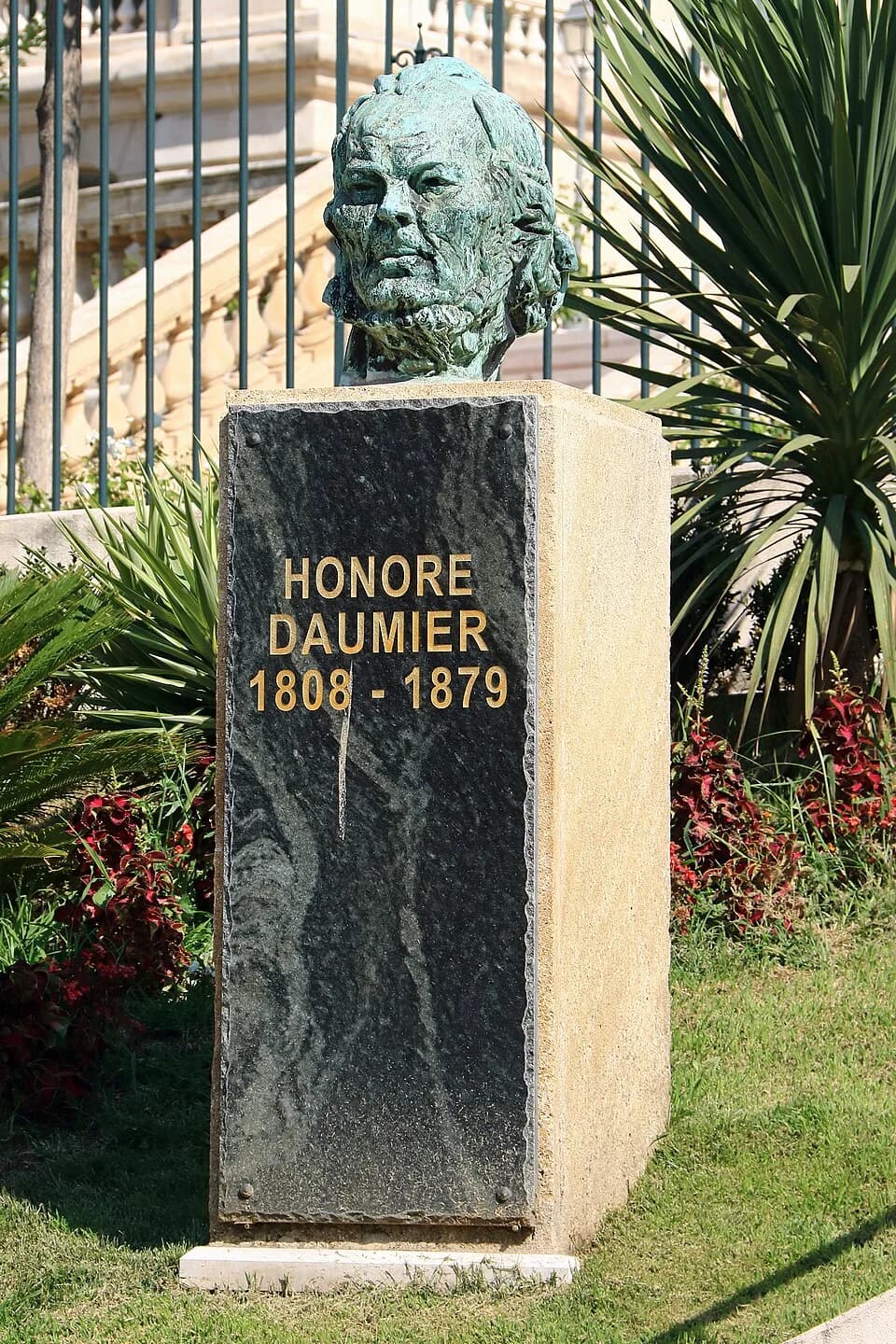
Daumier passed away on February 10, 1879, in Valmondois, France, just sixteen days before his 71st birthday. His final years were spent in relative quiet, yet his extensive body of work had already secured his place in art history. The sheer volume and quality of his creations continued to be appreciated long after his passing.
Pennod 6· Pennod 6 o 6
Legacy and Impact
Honoré Daumier is still widely remembered today, and his artistic legacy continues to resonate globally. He is celebrated as a pioneer who elevated caricature and lithography to a high art form, demonstrating their potential for serious social and political commentary. His works provide an invaluable visual record of 19th-century French society, capturing its figures, manners, and significant historical shifts.
Daumier's influence extends far beyond his own time, inspiring generations of artists, illustrators, and satirists to utilize their craft for social critique. His ability to fuse biting humor with profound human insight ensured that his art remains relevant. He stands as a powerful reminder of art's capacity to reflect, challenge, and shape public discourse.
Cwestiynau Cyffredin
Cwestiynau a ofynnir yn aml
Pryd y bu farw Honoré Daumier?
Bu farw Honoré Daumier ar 10 Chwefror 1879 yn Valmondois, France yn 70 oed.
Ble cafodd Honoré Daumier ei eni?
Cafodd Honoré Daumier ei eni yn Marseille, France ar 26 Chwefror 1808.
Am beth y mae Honoré Daumier fwyaf adnabyddus?
Mae Honoré Daumier fwyaf adnabyddus am French artist.
Faint oedd oed Honoré Daumier pan fu farw?
Roedd Honoré Daumier yn 70 oed pan fu farw.
Pa genedligrwydd oedd Honoré Daumier?
Roedd Honoré Daumier o France.
Llinell amser
Bywyd ar olwg
Oriel luniau
Bywyd mewn lluniau
Cliciwch unrhyw polaroid i'w ehangu · 50 llun
Cod QR
Rhannu'r Cofiant Hwn
Argraffu a Rhannu
Sganio i ymweld â'r dudalen cofiant hon. Argraffu ar gyfer digwyddiadau, arddangosfeydd, neu ddeunyddiau addysgol.