Ganwyd
December 26, 1891
Yorkville, United States
Bu farw
June 7, 1980
Pacific Palisades, United States
Yn adnabyddus am
American novelist
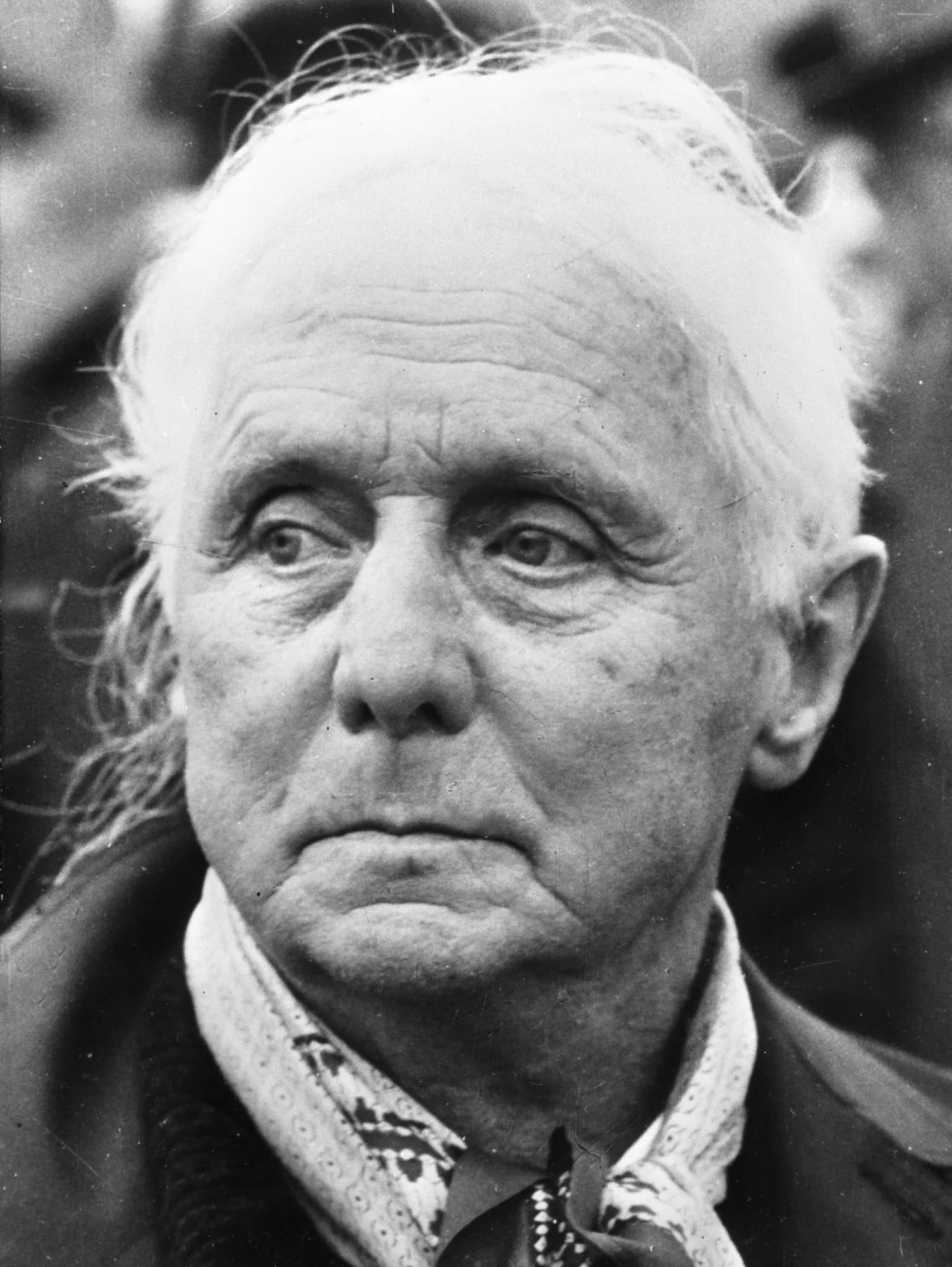
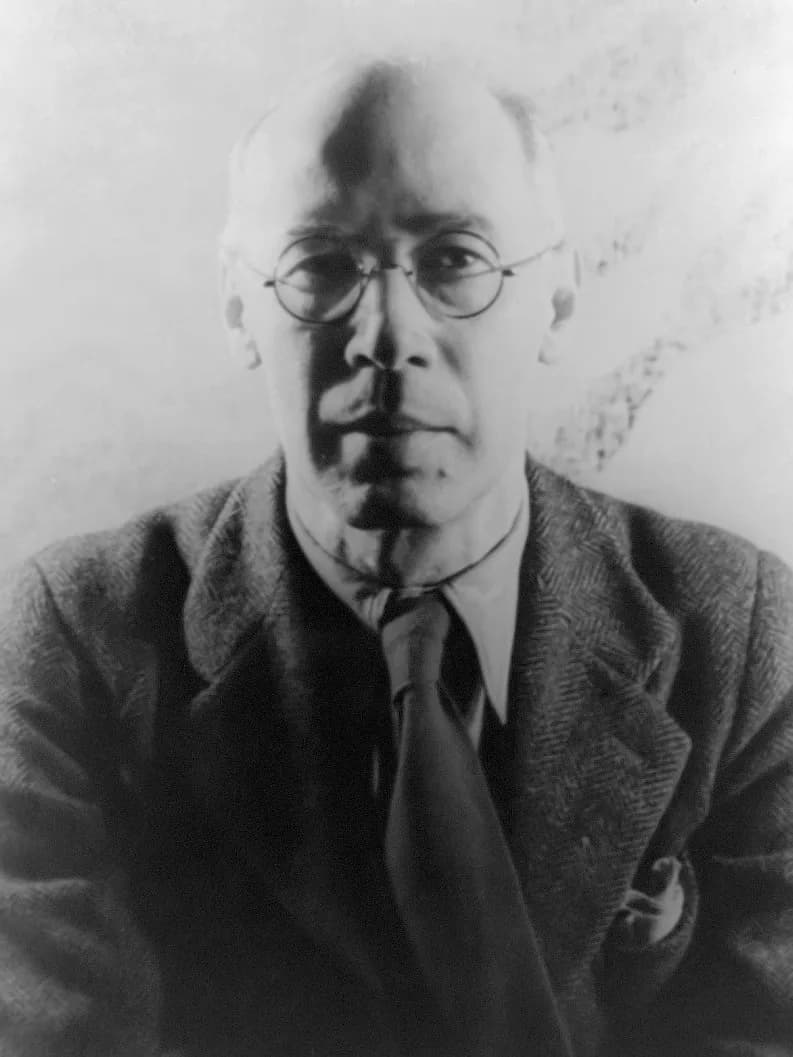
Henry Miller (1891–1980) was United States best known for American novelist.
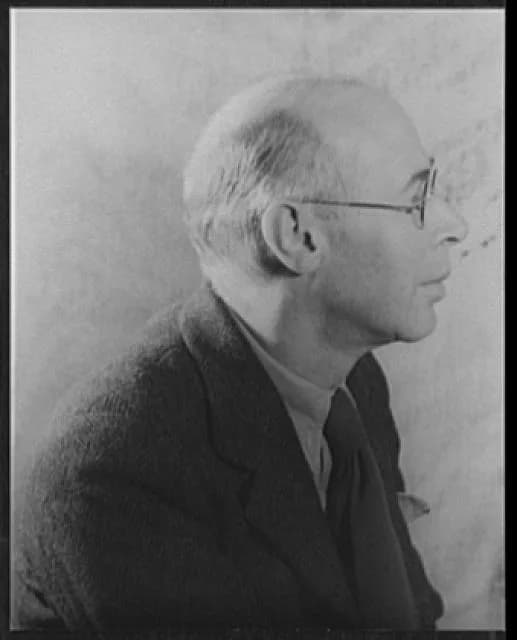
Henry Miller (December 26, 1891 – June 7, 1980) was an American novelist from Yorkville, United States. He revolutionized literature with semi-autobiographical novels that challenged existing forms, often containing explicit language. His works, including *Tropic of Cancer*, explored new narrative techniques and themes.
Bywyd mewn eiliadau
Yr eiliadau a luniodd fywyd
Pennod
Penodau bywyd
Pennod 1 · 1891· Pennod 1 o 7
Opening
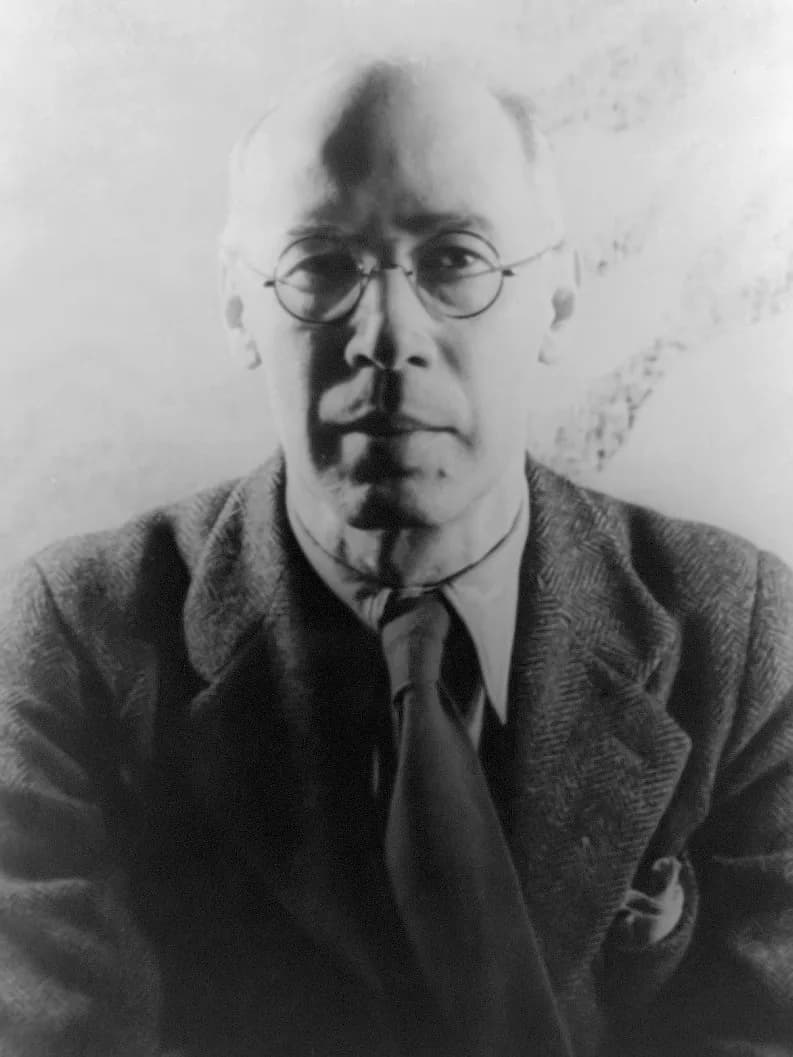
Henry Miller, who lived from December 26, 1891, to June 7, 1980, was a distinguished American novelist, short story writer, and essayist. He is recognized for his distinctive semi-autobiographical novels that diverged significantly from conventional literary structures. Miller's approach involved a unique fusion of character study, social criticism, philosophical depth, stream of consciousness, explicit language, and surrealist elements.
His characteristic works, such as Tropic of Cancer and Tropic of Capricorn, were initially met with controversy and faced bans in the United States until 1961. Beyond his literary pursuits, Miller was also an accomplished artist and painter, particularly known for his watercolors. His contributions expanded the boundaries of literary expression, challenging readers and critics alike with his honest and unconventional narratives.
Pennod 2 · 1891· Pennod 2 o 7
Early Life and Origins
Henry Valentine Miller was born on December 26, 1891, in Yorkville, which is located in the United States. His early life in this American setting provided the foundational experiences that would later influence his distinctive literary voice. While specific details of his upbringing are not extensively documented in the provided information, his origins in Yorkville marked the beginning of a life that would reshape American literature.
Pennod 3· Pennod 3 o 7
Career Beginnings
Miller's literary career was defined by his decision to break away from existing literary forms and forge a new path. He developed a revolutionary type of semi-autobiographical novel, distinct from anything seen before. This innovative style incorporated a blend of character study, incisive social criticism, and deep philosophical reflection.
His narratives were characterized by a stream of consciousness technique, explicit language, depictions of sexuality, surrealist free association, and elements of mysticism. This daring approach established his unique position in literature, attracting both fervent admirers and staunch critics. The method he cultivated became the hallmark of his most characteristic and enduring works.
Pennod 4· Pennod 4 o 7
Major Achievements and Career Highlights
Among Henry Miller's most significant achievements are his characteristic semi-autobiographical novels, which brought him both notoriety and literary recognition. Works such as Tropic of Cancer, Black Spring, and Tropic of Capricorn exemplify his groundbreaking style. These novels, along with the trilogy The Rosy Crucifixion, drew heavily from his personal experiences in New York City and Paris, creating a vibrant, unfiltered portrayal of life.
These seminal works faced considerable censorship, being banned in the United States for an extended period, until their legality was affirmed in 1961. Beyond his prolific writing career, Miller also distinguished himself as an artist, creating numerous watercolors. His dual commitment to writing and visual art highlights his diverse creative talents and his desire to express himself across different mediums.
Pennod 5· Pennod 5 o 7
Notable Works or Contributions
Henry Miller's literary output is extensive and varied, featuring works that challenged conventional narratives and societal norms. His notable bibliography includes Tropic of Capricorn, Fleḳsus, Nexus (Volume 1), and The Colossus of Maroussi. Other significant titles are Leer en el retrete, Nexus (The rosy crucifixion), A winter reunion, World of Sex, and Death of a Dunbar girl.
In addition to his written works, Miller was also a notable artist, producing a range of visual art. His notable artworks include the historic The Henry F. Miller Grand and Upright Pianofortes, from May 1905, housed at the Met Museum. Other pieces collected by the Art Institute of Chicago include Tropic of Capricorn (published 1939; rebound 1939-1950), Frederick Douglass (1847-52), Nude Bent Forward, Paris (c. 1930), Sunlight (c. 1913), Window with Bird Design (c. 1925), and Joseph Cornell (1932/34).
Pennod 6· Pennod 6 o 7
Later Years
Throughout his later career, Henry Miller continued to write, with his experiences from New York City and Paris serving as rich material for his characteristic works. He expanded his repertoire to include travel memoirs and literary criticism, showcasing the breadth of his intellectual curiosity. His creative energy persisted, contributing to his legacy as a versatile and prolific writer and artist.
Henry Miller passed away on June 7, 1980, in Pacific Palisades, located in the United States. His final years in Pacific Palisades marked the conclusion of a life dedicated to artistic exploration and the fearless pursuit of literary innovation. His passing left a void in the literary world, but his works continued to resonate.
Pennod 7· Pennod 7 o 7
Legacy and Impact
Henry Miller's legacy is defined by his courage to break with established literary conventions and forge a new narrative style. His unique blend of explicit language, deep philosophical reflection, and raw honesty influenced subsequent generations of writers. The semi-autobiographical structure he pioneered allowed for a more personal and introspective form of storytelling that continues to inspire.
Despite the initial controversy and bans, his works ultimately gained acceptance and recognition for their artistic merit and cultural significance. Miller's exploration of themes often considered taboo helped to expand the scope of what was permissible in literature. His lasting impact lies in his ability to push boundaries and encourage a more authentic and uninhibited literary expression.
Cwestiynau Cyffredin
Cwestiynau a ofynnir yn aml
Pryd y bu farw Henry Miller?
Bu farw Henry Miller ar 7 Mehefin 1980 yn Pacific Palisades, United States yn 88 oed.
Ble cafodd Henry Miller ei eni?
Cafodd Henry Miller ei eni yn Yorkville, United States ar 26 Rhagfyr 1891.
Am beth y mae Henry Miller fwyaf adnabyddus?
Mae Henry Miller fwyaf adnabyddus am American novelist.
Faint oedd oed Henry Miller pan fu farw?
Roedd Henry Miller yn 88 oed pan fu farw.
Pa genedligrwydd oedd Henry Miller?
Roedd Henry Miller o United States.
Llinell amser
Bywyd ar olwg
- 1891
Opening
- 1891
Early Life and Origins
Oriel luniau
Bywyd mewn lluniau
Cliciwch unrhyw polaroid i'w ehangu · 22 llun
Cod QR
Rhannu'r Cofiant Hwn
Argraffu a Rhannu
Sganio i ymweld â'r dudalen cofiant hon. Argraffu ar gyfer digwyddiadau, arddangosfeydd, neu ddeunyddiau addysgol.