Ganwyd
July 26, 1855
Oldenswort, Germany
Bu farw
April 9, 1936
Kiel, Germany
Yn adnabyddus am
German sociologist, economist and philosopher
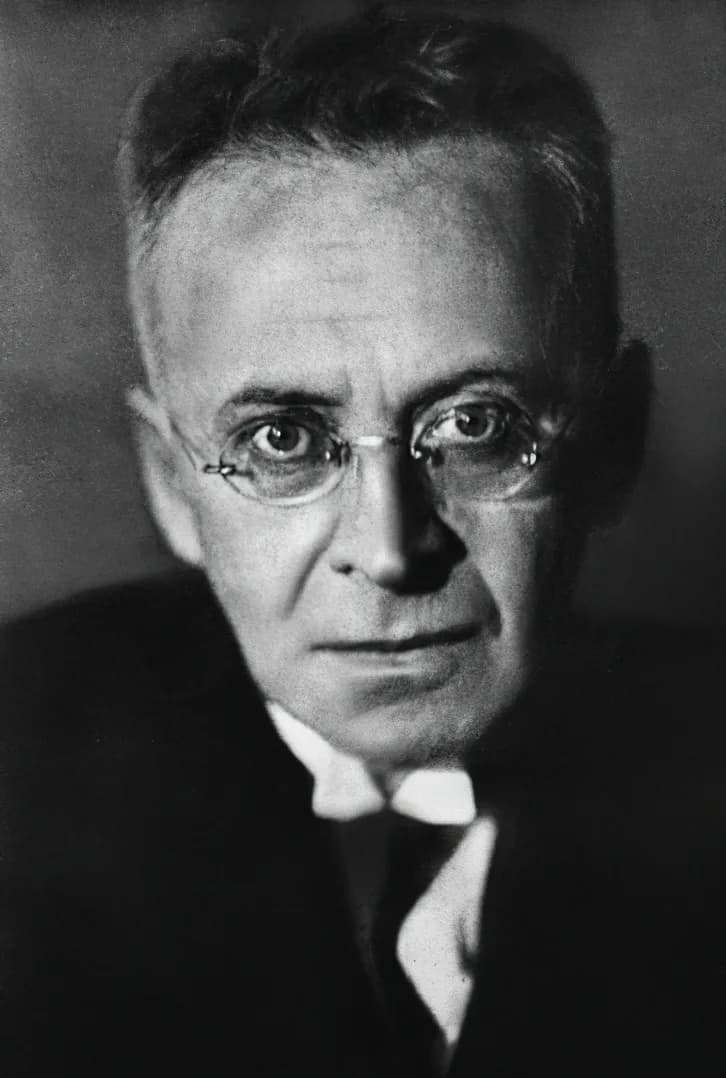
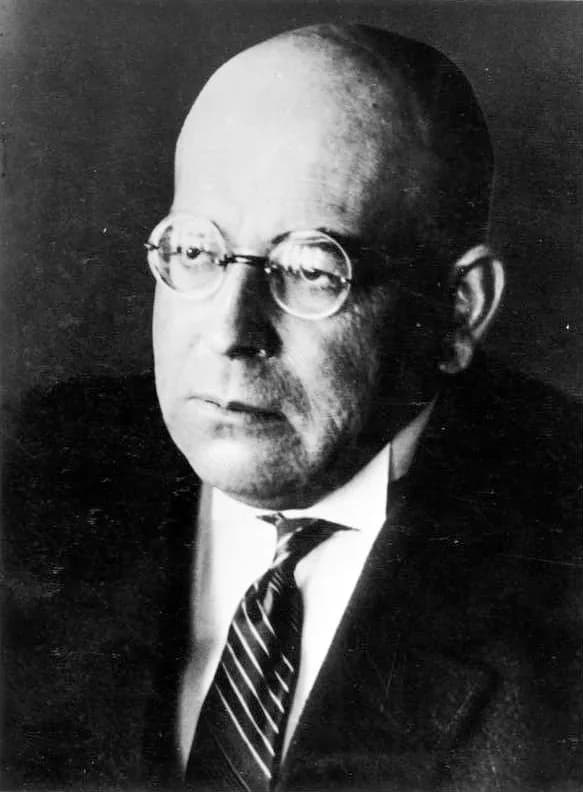
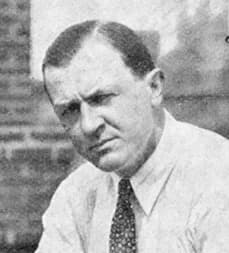
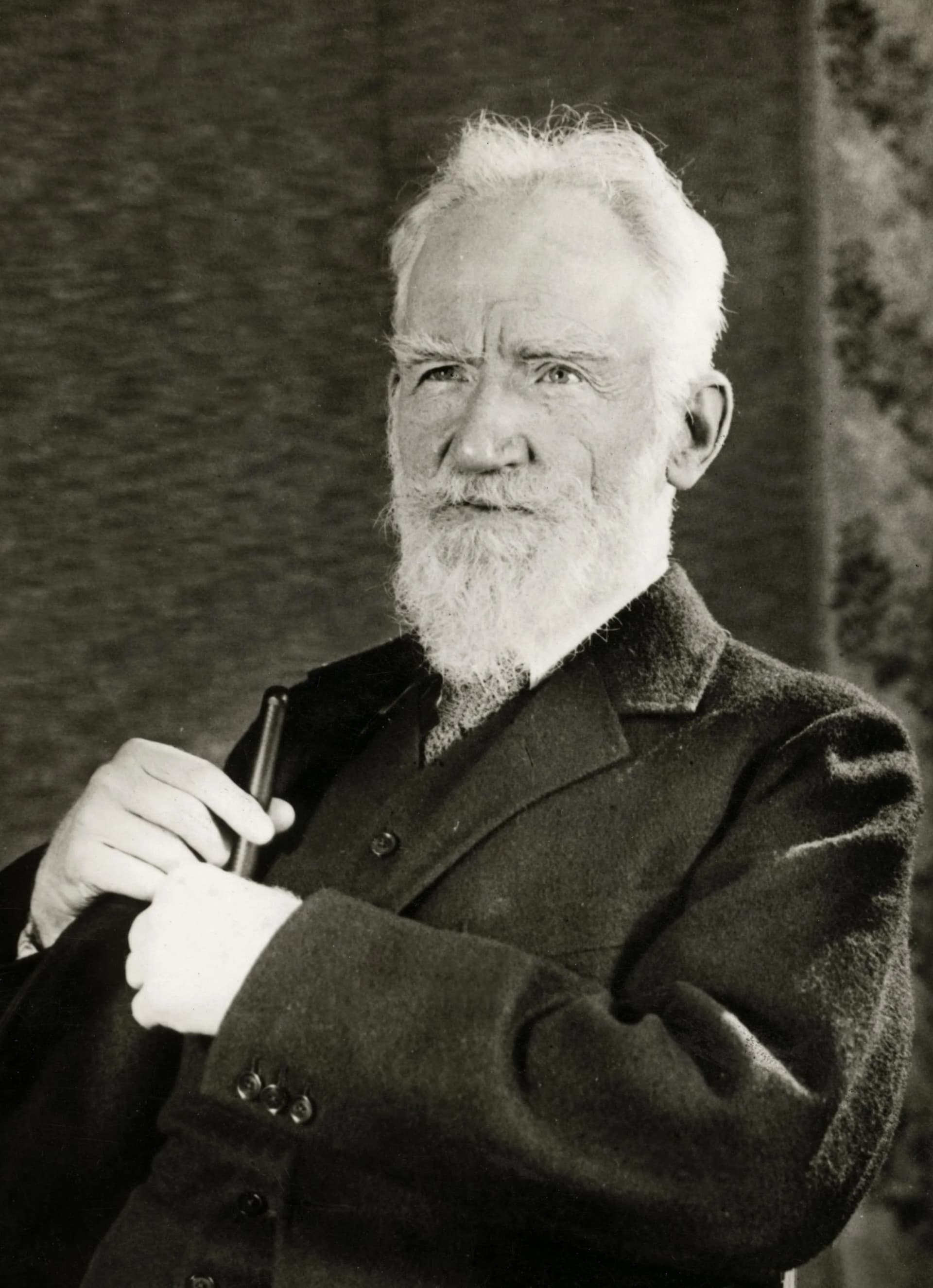
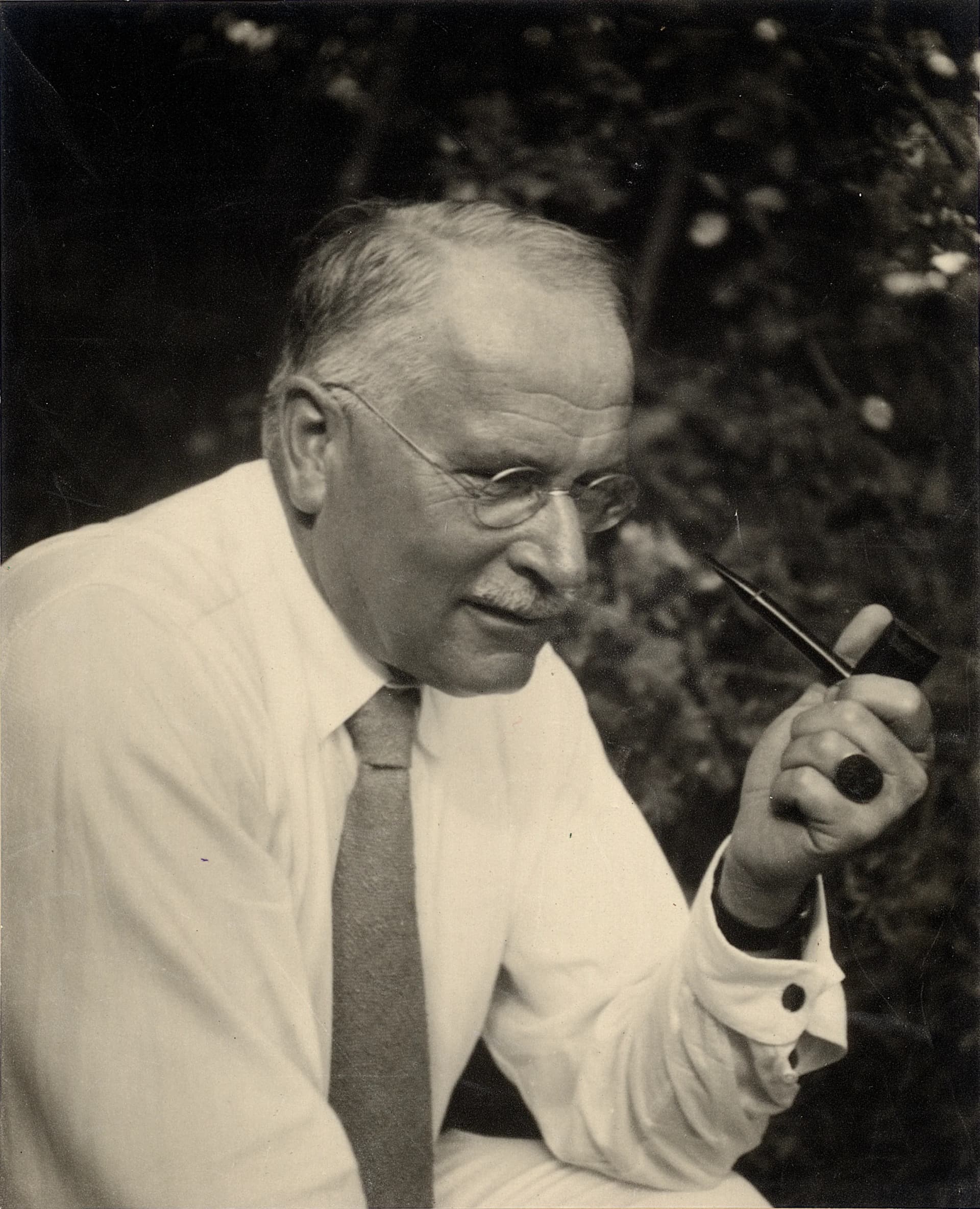
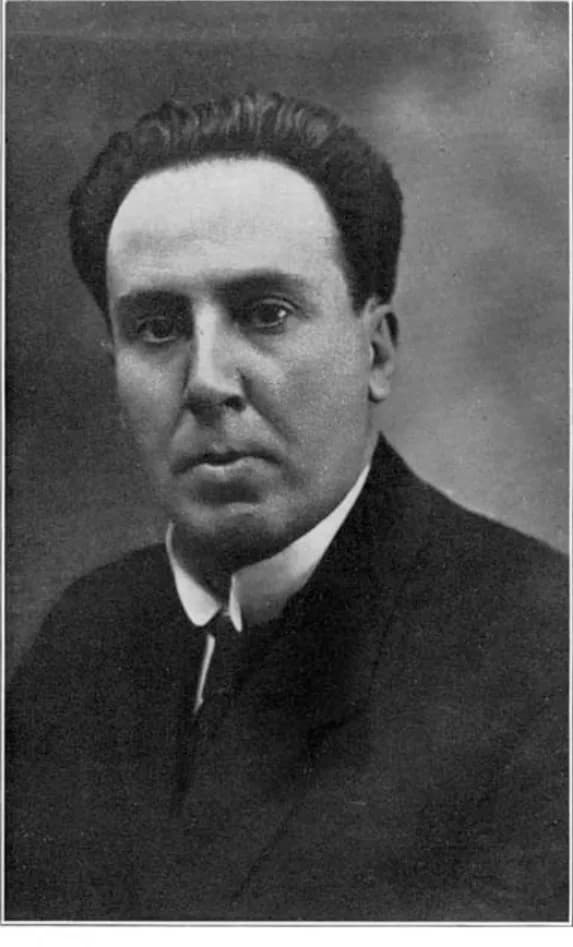
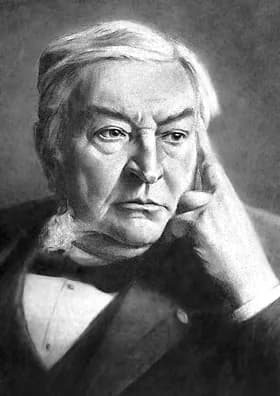
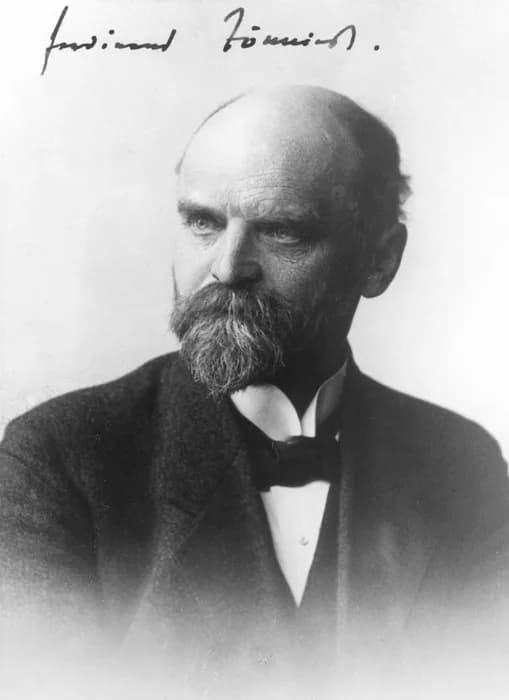
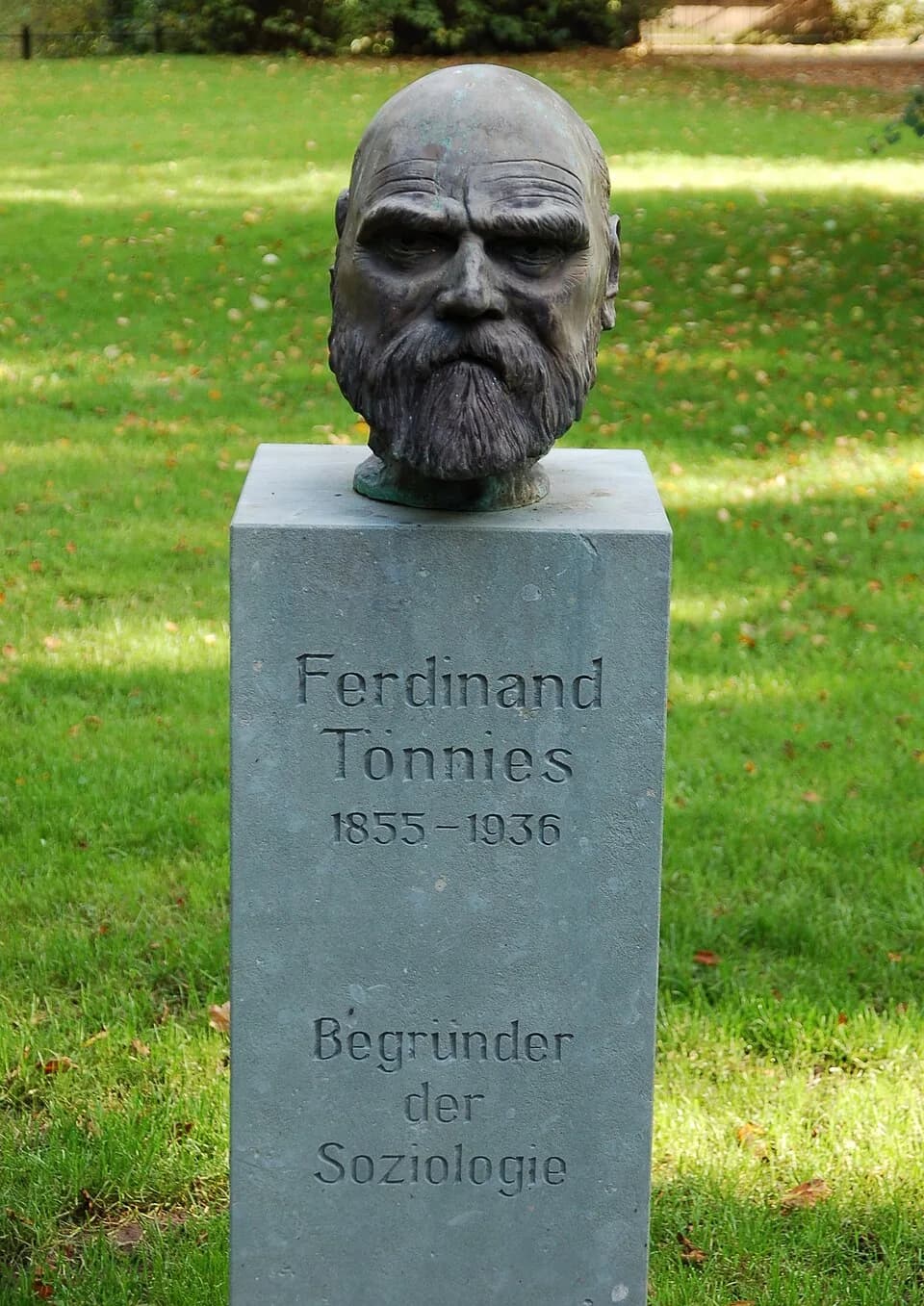
Ferdinand Tönnies (1855–1936) was Germany best known for German sociologist, economist and philosopher.
Ferdinand Tönnies (July 26, 1855 – April 9, 1936) was a German sociologist, economist, and philosopher. He is renowned for his distinction between Gemeinschaft and Gesellschaft, profoundly shaping sociological theory. He co-founded the German Sociological Association and is considered a founding father of classical German sociology.
Bywyd mewn eiliadau
Yr eiliadau a luniodd fywyd

Pennod
Penodau bywyd
Pennod 2 · 1855· Pennod 2 o 8
Early Life and Origins
Born in Oldenswort, Germany, on July 26, 1855, Ferdinand Tönnies' early life laid the foundation for his later intellectual pursuits. His upbringing in a rural setting likely influenced his deep understanding of traditional community structures. While specific details about his family and education beyond his birthplace are not provided, his eventual extensive academic career suggests a rigorous early intellectual development.
Pennod 3· Pennod 3 o 8
Career Beginnings
Tönnies embarked on a distinguished academic career, contributing significantly to emerging fields of sociology, economics, and philosophy. A crucial moment in his early professional life was the co-founding of the German Sociological Association. This organization, established with notable contemporaries like Max Weber and Georg Simmel, underscored his early commitment to formalizing and advancing sociological inquiry.
Pennod 4 · 1909· Pennod 4 o 8
Major Achievements and Career Highlights
His most enduring achievement is the conceptual framework of Gemeinschaft and Gesellschaft, which provided a powerful lens for analyzing the evolution of social relationships from traditional communities to modern societies. Tönnies served as president of the German Sociological Association from 1909 to 1933, guiding its early development. He was also regarded as the first proper German sociologist, a testament to his pioneering efforts in the field.
His career was marked by prolific output, with over 900 published works covering diverse areas of sociology and philosophy. His steadfast critique of the Nazis led to his ousting from the presidency in 1933, demonstrating his intellectual integrity and moral courage. This act highlighted his unwavering commitment to academic freedom and ethical principles.
Pennod 5· Pennod 5 o 8
Personal Life
While Ferdinand Tönnies' public and academic life is well-documented through his extensive writings and institutional roles, specific details about his personal life, family, relationships, or interests beyond his academic pursuits are not available in the provided information. His enduring legacy rests primarily on his profound scholarly contributions and his impact on the social sciences.
Pennod 6· Pennod 6 o 8
Notable Works and Contributions
Tönnies' intellectual output was vast and influential, highlighted by seminal works such as "Gemeinschaft und Gesellschaft," which introduced his most famous theoretical distinction. Other significant contributions include "The elements of law, natural & politic," "Behemoth," and "Reine und angewandte Soziologie." His bibliography also features works like "Die Verhütung des Verbrechens," "Kritik der öffentlichen Meinung," and "Die Entwicklung der Technik," showcasing the breadth of his scholarly interests and his engagement with critical social issues.
His dedication to academic rigor is reflected in his h-index of 9, derived from 34 papers, with "Ferdinand Tönnies: Community and Civil Society: Tönnies's preface to the first edition, 1887" being a highly cited work. Other top academic contributions include "GPU-based optical simulation of the DARWIN detector" (2022) and "The Present Problems of Social Structure" (2015), illustrating his diverse range of intellectual engagement over time.
Pennod 7 · 1933· Pennod 7 o 8
Later Years
The final years of Ferdinand Tönnies' life saw him facing political adversity due to his unwavering principles. His outspoken criticism of the Nazis led to his removal from the presidency of the German Sociological Association in 1933, a testament to his moral courage in challenging totalitarian ideologies. He passed away in Kiel, Germany, on April 9, 1936, leaving behind a monumental body of work and an inspiring example of intellectual integrity.
Pennod 8· Pennod 8 o 8
Legacy and Impact
Ferdinand Tönnies is rightfully celebrated as one of the founding fathers of classical German sociology, alongside contemporaries like Max Weber and Georg Simmel. His theoretical contributions, particularly the Gemeinschaft and Gesellschaft distinction, continue to provide invaluable tools for sociological analysis and remain a cornerstone of social theory. While recent academic interest has seen a resurgence in Weber and Simmel, Tönnies' foundational insights into social groups and societal development ensure his lasting importance in the history of social thought. His work laid essential groundwork for understanding complex societal transformations and the nature of human association, impacting generations of scholars.
Cwestiynau Cyffredin
Cwestiynau a ofynnir yn aml
Pryd y bu farw Ferdinand Tönnies?
Bu farw Ferdinand Tönnies ar 9 Ebrill 1936 yn Kiel, Germany yn 80 oed.
Ble cafodd Ferdinand Tönnies ei eni?
Cafodd Ferdinand Tönnies ei eni yn Oldenswort, Germany ar 26 Gorffennaf 1855.
Am beth y mae Ferdinand Tönnies fwyaf adnabyddus?
Mae Ferdinand Tönnies fwyaf adnabyddus am German sociologist, economist and philosopher.
Faint oedd oed Ferdinand Tönnies pan fu farw?
Roedd Ferdinand Tönnies yn 80 oed pan fu farw.
Pa genedligrwydd oedd Ferdinand Tönnies?
Roedd Ferdinand Tönnies o Germany.
Llinell amser
Bywyd ar olwg
Oriel luniau
Bywyd mewn lluniau
Cliciwch unrhyw polaroid i'w ehangu · 16 llun
Cod QR
Rhannu'r Cofiant Hwn
Argraffu a Rhannu
Sganio i ymweld â'r dudalen cofiant hon. Argraffu ar gyfer digwyddiadau, arddangosfeydd, neu ddeunyddiau addysgol.