Ganwyd
July 30, 1818
Thornton, United Kingdom
Bu farw
December 19, 1848
Haworth, United Kingdom
Yn adnabyddus am
English novelist and poet
Emily Brontë (1818–1848) was United Kingdom best known for English novelist and poet.
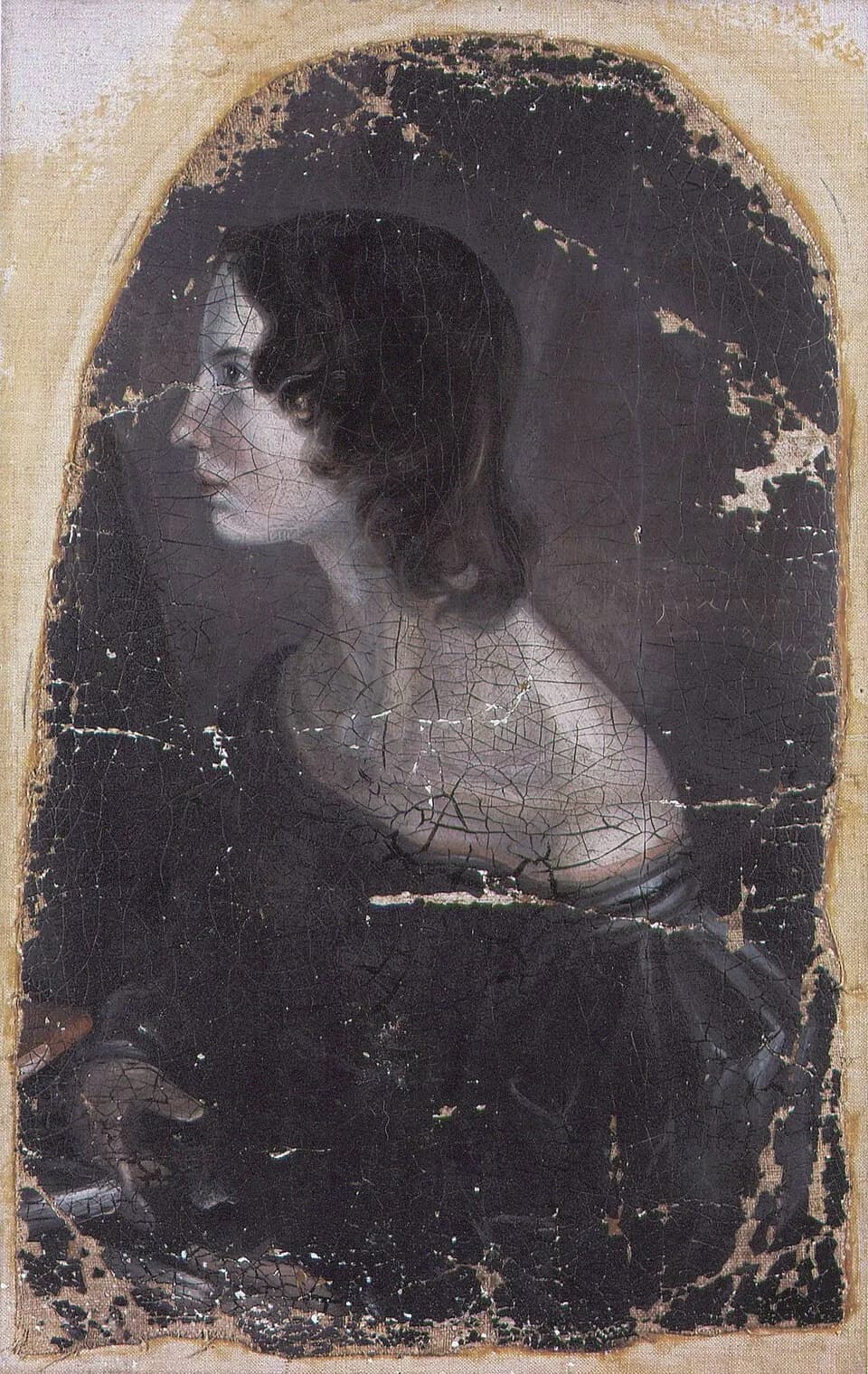
Emily Jane Brontë (July 30, 1818 – December 19, 1848) was an English novelist and poet from Thornton, United Kingdom. She is best known for her iconic and influential novel <i>Wuthering Heights</i>, published in 1847. Her work profoundly shaped English literature and continues to be studied globally.
Bywyd mewn eiliadau
Yr eiliadau a luniodd fywyd
Pennod
Penodau bywyd
Pennod 1 · 1818· Pennod 1 o 7
Early Life and Origins
Born on July 30, 1818, in Thornton, United Kingdom, Emily Brontë was the fifth of six children to Patrick Brontë, a clergyman, and Maria Branwell Brontë. The family soon moved to Haworth, a remote village nestled on the rugged Yorkshire moors. It was within the confines of the Haworth parsonage and the expansive, wild beauty of the surrounding landscape that Emily spent nearly her entire life.
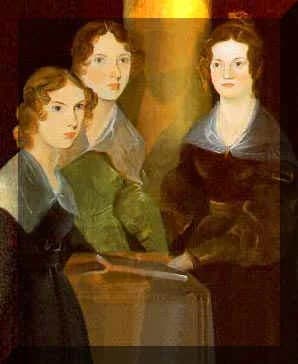
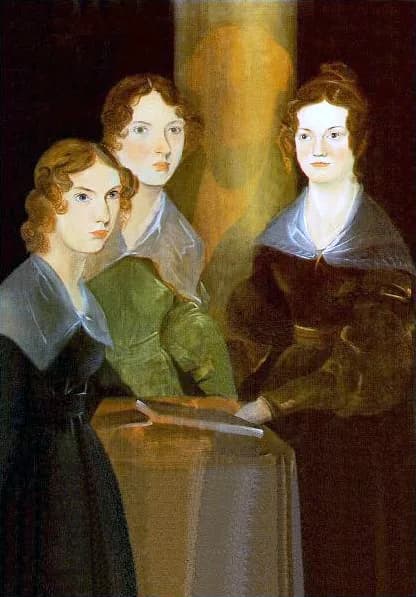
This isolated upbringing, coupled with the early loss of her mother and two elder sisters, fostered a uniquely introspective and imaginative spirit within Emily. She received much of her education at home alongside her siblings, Charlotte, Branwell, and Anne. Their shared intellectual environment and vibrant imaginative play, often set in fictional kingdoms like Angria and Gondal, were crucial to their development as writers.
Pennod 2· Pennod 2 o 7
Career Beginnings
From a young age, Emily Brontë, like her sisters, channeled her creativity into writing, crafting detailed narratives and lyrical poetry within their shared imaginary worlds. These early literary endeavors were instrumental in refining her distinctive voice and storytelling abilities. The seclusion of their home provided a fertile ground for their collaborative artistic pursuits.
Although she briefly ventured outside the parsonage, working as a teacher at Miss Wooler's school and later as a governess, these experiences were often challenging for her reserved nature. She returned to Haworth, finding her truest vocation and inspiration in her home environment and the beloved moors. These practical experiences, however brief, likely provided insights into the wider world beyond her immediate surroundings.
Pennod 3 · 1847· Pennod 3 o 7
Major Achievements and Career Highlights
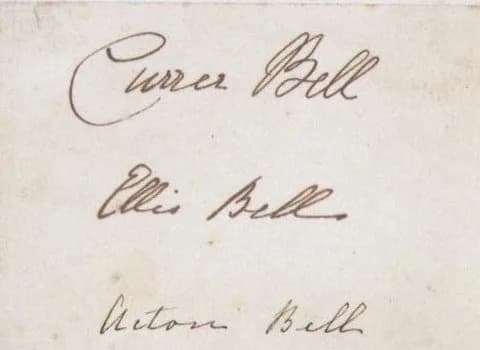
Emily Brontë's major literary achievement arrived with the publication of her only novel, Wuthering Heights, in 1847. This powerful work was released under the male pseudonym Ellis Bell, a common practice for female authors of the era seeking to have their writing judged on its merits rather than their gender. The novel quickly garnered attention for its intense narrative and complex characters.
Prior to her novel's debut, Emily co-authored a collection of poetry with her sisters Charlotte and Anne. Titled Poems by Currer, Ellis, and Acton Bell, and published in 1846, this volume featured 21 of her own poems. The collection introduced her unique poetic voice to the world, showcasing her command of rhythm, imagery, and emotional depth. These publications together marked her formal entry into the literary world, establishing her as a writer of considerable talent.
Pennod 4· Pennod 4 o 7
Personal Life
Emily Brontë was known for her deeply private and reserved nature, preferring the solitude of her family home and the expansive moors to societal engagements. Her life was inextricably linked to the Haworth parsonage, which served as both her sanctuary and her primary source of inspiration. She found immense solace and profound joy in long walks across the wild, untamed landscape of the Yorkshire moors, a connection that infused much of her writing.
The relationships with her siblings, particularly her sisters Charlotte and Anne, formed the central axis of her personal world and literary collaboration. Their shared intellectual curiosity and mutual support were fundamental to their creative endeavors. Emily’s quiet intensity and profound love for nature were defining aspects of her personality, reflecting the deep, untamed spirit often found in her works.
Pennod 5 · 1847· Pennod 5 o 7
Notable Works or Contributions
Emily Brontë's magnum opus, Wuthering Heights, published in 1847, remains an unparalleled work in English literature. It boldly explores themes of destructive love, revenge, social class, and the elemental forces of nature against the stark and haunting backdrop of the Yorkshire moors. The novel's revolutionary narrative structure and passionate characterizations broke new ground for its time.
Her poetic contributions, including the 21 poems featured in Poems by Currer, Ellis, and Acton Bell, also hold significant literary value. These poems, such as "No Coward Soul Is Mine," reveal her philosophical depth and lyrical artistry. Other posthumously published works like selections from The Shakespeare Head Brontë and Stories from Angria offer further glimpses into her creative mind. Her writings continue to be studied, analyzed, and celebrated globally, captivating new generations of readers through numerous editions, including translated versions like 嵐が丘 (Japanese) and 폭풍 의 언덕 (Korean).
Pennod 6· Pennod 6 o 7
Later Years
Emily Brontë's literary career, though brilliant, was tragically brief. Shortly after the publication of Wuthering Heights, her health began to decline rapidly. She contracted tuberculosis, a prevalent and often fatal illness during the 19th century. Despite her worsening condition, she maintained her characteristic stoicism and resisted medical intervention until her final days.
She passed away on December 19, 1848, at the age of 30, in Haworth, United Kingdom. Her early death, following closely on the heels of her brother Branwell's passing and preceding Anne's, marked a period of profound sorrow for the Brontë family. Her final years were characterized by both the immense satisfaction of her literary achievement and the quiet struggle against her terminal illness.
Pennod 7· Pennod 7 o 7
Legacy and Impact
Emily Brontë's legacy is firmly established by the enduring power and critical acclaim of Wuthering Heights, a novel that expanded the scope of romantic fiction and psychological realism. Her work pushed the boundaries of conventional storytelling, offering a raw and unflinching look at human passion and the darker aspects of the soul. She challenged the literary norms of her era, creating characters and narratives that were deeply original.
She is remembered as a pioneering figure in English literature, influencing countless subsequent writers with her unique narrative voice and her exploration of complex emotional landscapes. Her impact continues to be felt in literary studies, adaptations across various media, and popular culture, affirming her status as a literary icon. Emily Brontë's vision ensures that her work remains as compelling and relevant today as it was in the 19th century.
Cwestiynau Cyffredin
Cwestiynau a ofynnir yn aml
Pryd y bu farw Emily Brontë?
Bu farw Emily Brontë ar 19 Rhagfyr 1848 yn Haworth, United Kingdom yn 30 oed.
Ble cafodd Emily Brontë ei eni?
Cafodd Emily Brontë ei eni yn Thornton, United Kingdom ar 30 Gorffennaf 1818.
Am beth y mae Emily Brontë fwyaf adnabyddus?
Mae Emily Brontë fwyaf adnabyddus am English novelist and poet.
Faint oedd oed Emily Brontë pan fu farw?
Roedd Emily Brontë yn 30 oed pan fu farw.
Pa genedligrwydd oedd Emily Brontë?
Roedd Emily Brontë o United Kingdom.
Llinell amser
Bywyd ar olwg
Oriel luniau
Bywyd mewn lluniau
Cliciwch unrhyw polaroid i'w ehangu · 23 llun
Cod QR
Rhannu'r Cofiant Hwn
Argraffu a Rhannu
Sganio i ymweld â'r dudalen cofiant hon. Argraffu ar gyfer digwyddiadau, arddangosfeydd, neu ddeunyddiau addysgol.