Ganwyd
September 22, 1932
Rokiškis, Lithuania
Bu farw
June 26, 2010
Vilnius, Lithuania
Yn adnabyddus am
Lithuanian politician
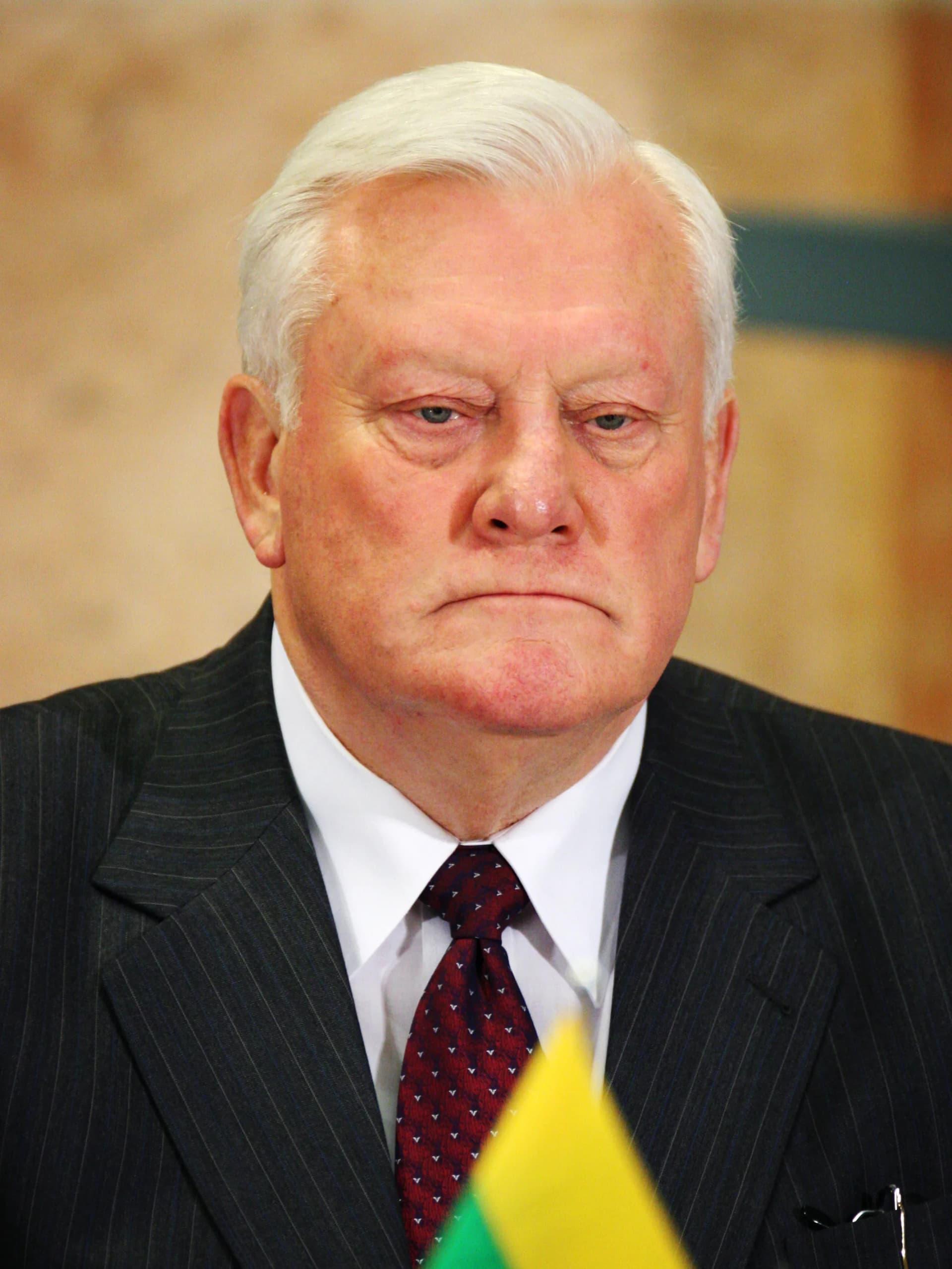
Algirdas Brazauskas (1932–2010) was Lithuania best known for Lithuanian politician.
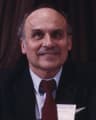
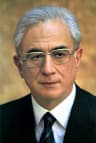
Algirdas Mykolas Brazauskas (September 22, 1932 – June 26, 2010) was a politician and university teacher from Lithuania. He served as the first democratically elected president of post-Soviet Lithuania (1993-1998) and later as Prime Minister (2001-2006). His leadership guided the nation through democratic re-establishment.
Pennod
Penodau bywyd
Pennod 1· Pennod 1 o 6
Early Life and Education
Algirdas Brazauskas's ascent into the political sphere began within the structures of his time. He steadily progressed through various roles, accumulating significant experience in governance. This initial period was crucial for him to develop a comprehensive grasp of state administration and public policy. He distinguished himself through a pragmatic approach to issues and a thoughtful leadership style.
Pennod 2 · 1993· Pennod 2 o 6
Career Beginnings
The defining chapter of his political career commenced with his election as the fourth President of Lithuania. He held this esteemed office from 1993 to 1998. This period marked a significant shift for Lithuania, moving definitively away from its Soviet past towards a democratic future.
Algirdas Brazauskas holds the historic distinction of being the first democratically elected president of post-Soviet Lithuania. His election was a powerful symbol of national self-determination and the successful establishment of a new democratic order. This achievement resonated deeply with the aspirations of the Lithuanian people for freedom and sovereignty.
Pennod 3· Pennod 3 o 6
Major Achievements and Career Highlights
During his presidential term, Brazauskas was tasked with the immense responsibility of stabilizing a newly independent state. He spearheaded efforts to consolidate democratic institutions and establish the rule of law. His leadership was instrumental in navigating the often-turbulent political and economic environment of the immediate post-Soviet era.
He oversaw crucial reforms aimed at building a robust market economy and fostering a vibrant civil society. These initiatives were essential for Lithuania's integration into the broader European community and for securing its long-term prosperity. His vision helped to lay solid foundations for the nation's future growth and international standing.
Following his impactful presidency, Algirdas Brazauskas continued his dedicated service to Lithuania, assuming the role of Prime Minister. He served in this high office from 2001 to 2006. His return to executive leadership underscored his unwavering commitment to the nation's progress and stability.
Pennod 4· Pennod 4 o 6
Guiding Lithuania as Prime Minister
As Prime Minister, Brazauskas focused on the practical implementation of national policies and further economic development. He brought a wealth of experience and a steady hand to the challenges of daily governance. His administration addressed a wide array of domestic issues, seeking to enhance the well-being of Lithuanian citizens.
His tenure as Prime Minister also involved strengthening Lithuania's international relations and its position within Europe. He worked to ensure the country's voice was heard on global stages and to foster strong diplomatic ties. This period solidified Lithuania's place as an independent, democratic state within the European framework.
Pennod 5 · 2006· Pennod 5 o 6
Later Years and Enduring Influence
Even after stepping down from the Prime Minister's office in 2006, Algirdas Brazauskas remained a respected and influential figure in Lithuanian public life. He continued to contribute to public discourse, offering perspectives informed by his extensive career. His insights were valued by many within the political community and beyond.
Algirdas Brazauskas passed away on June 26, 2010, in Vilnius, Lithuania, the capital city where he had dedicated so much of his life's work. His passing marked the close of an era, and he was deeply mourned by the nation. His life demonstrated his persistent dedication to his country.
Pennod 6· Pennod 6 o 6
Legacy and Impact
The legacy of Algirdas Brazauskas is inextricably linked to Lithuania’s re-establishment of independence and democracy. As the first democratically elected president in the post-Soviet period, he represents a crucial bridge between two distinct historical epochs. He helped guide Lithuania to become a modern European state.
He is remembered as a statesman who navigated his nation through complex transitions with pragmatism and resolve. His work as both President and Prime Minister shaped the fundamental structures of contemporary Lithuania. Algirdas Brazauskas's enduring influence continues to inspire and inform the ongoing development of the Lithuanian Republic.
Bywyd mewn eiliadau
Yr eiliadau a luniodd fywyd
Cwestiynau Cyffredin
Cwestiynau a ofynnir yn aml
Pryd y bu farw Algirdas Brazauskas?
Bu farw Algirdas Brazauskas ar 26 Mehefin 2010 yn Vilnius, Lithuania yn 77 oed.
Ble cafodd Algirdas Brazauskas ei eni?
Cafodd Algirdas Brazauskas ei eni yn Rokiškis, Lithuania ar 22 Medi 1932.
Am beth y mae Algirdas Brazauskas fwyaf adnabyddus?
Mae Algirdas Brazauskas fwyaf adnabyddus am Lithuanian politician.
Faint oedd oed Algirdas Brazauskas pan fu farw?
Roedd Algirdas Brazauskas yn 77 oed pan fu farw.
Pa genedligrwydd oedd Algirdas Brazauskas?
Roedd Algirdas Brazauskas o Lithuania.
Llinell amser
Bywyd ar olwg
Oriel luniau
Bywyd mewn lluniau
Cliciwch unrhyw polaroid i'w ehangu · 25 llun
Cod QR
Rhannu'r Cofiant Hwn
Argraffu a Rhannu
Sganio i ymweld â'r dudalen cofiant hon. Argraffu ar gyfer digwyddiadau, arddangosfeydd, neu ddeunyddiau addysgol.