Narozen
September 8, 1760
Florence, Kingdom of Italy
Zemřel
March 15, 1842
Paris, France
Známý díky
Italian Classical and Romantic composer
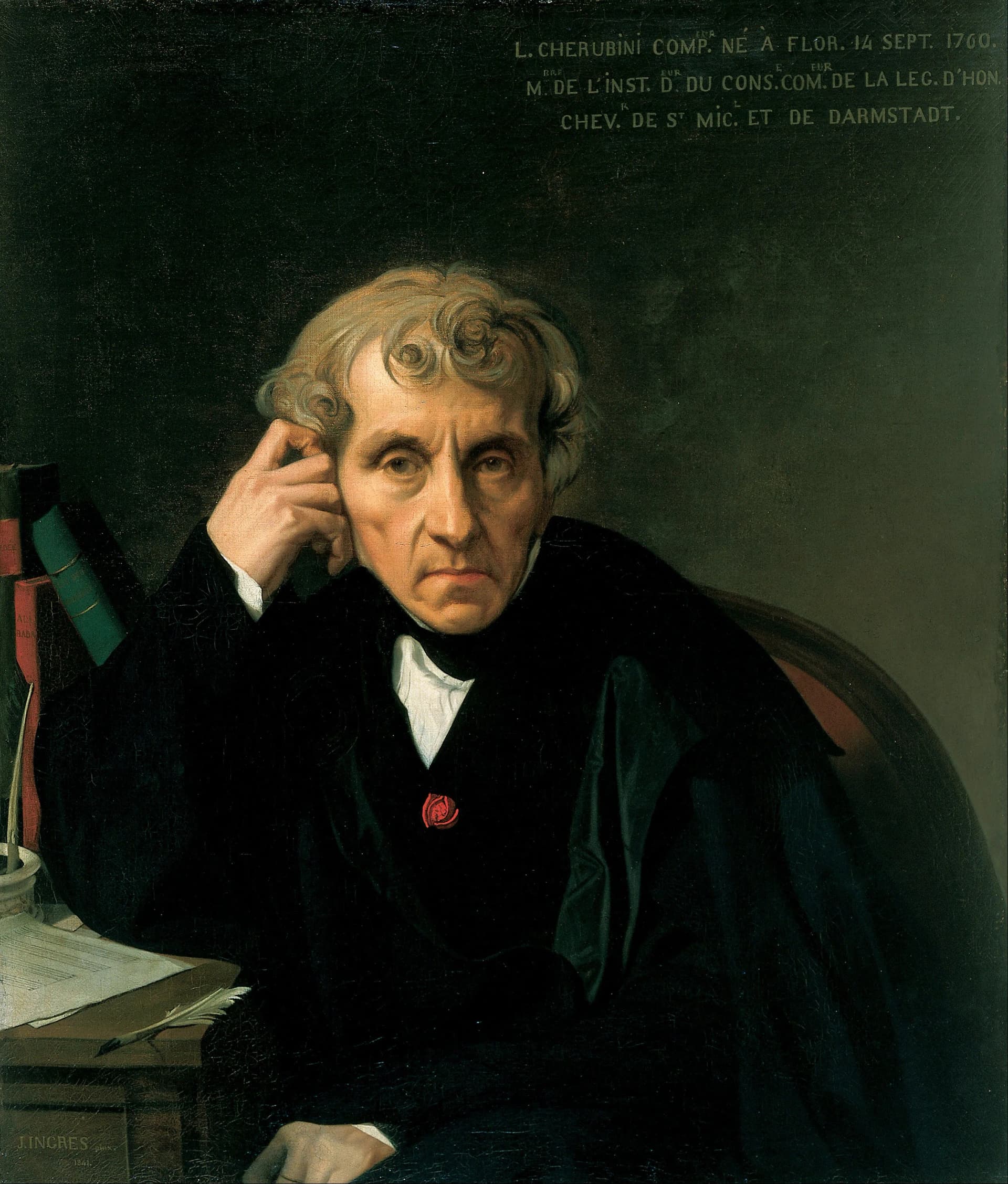
Luigi Cherubini (1760–1842) was Kingdom of Italy best known for Italian Classical and Romantic composer.
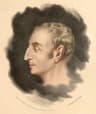
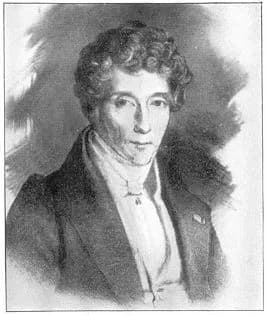
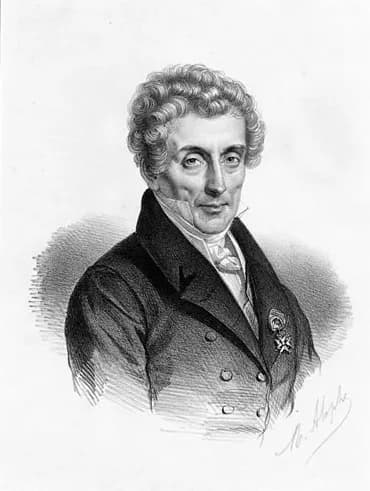
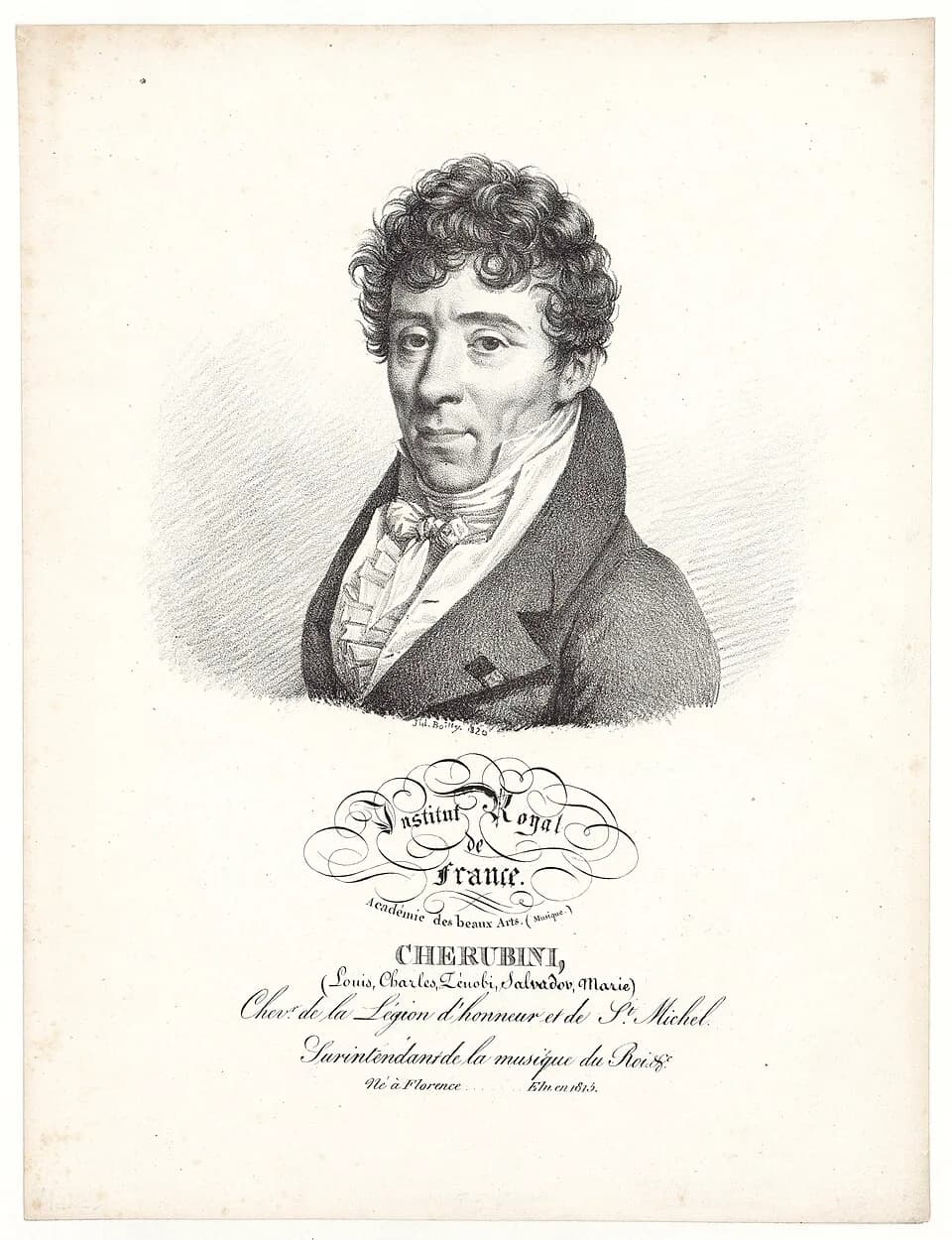
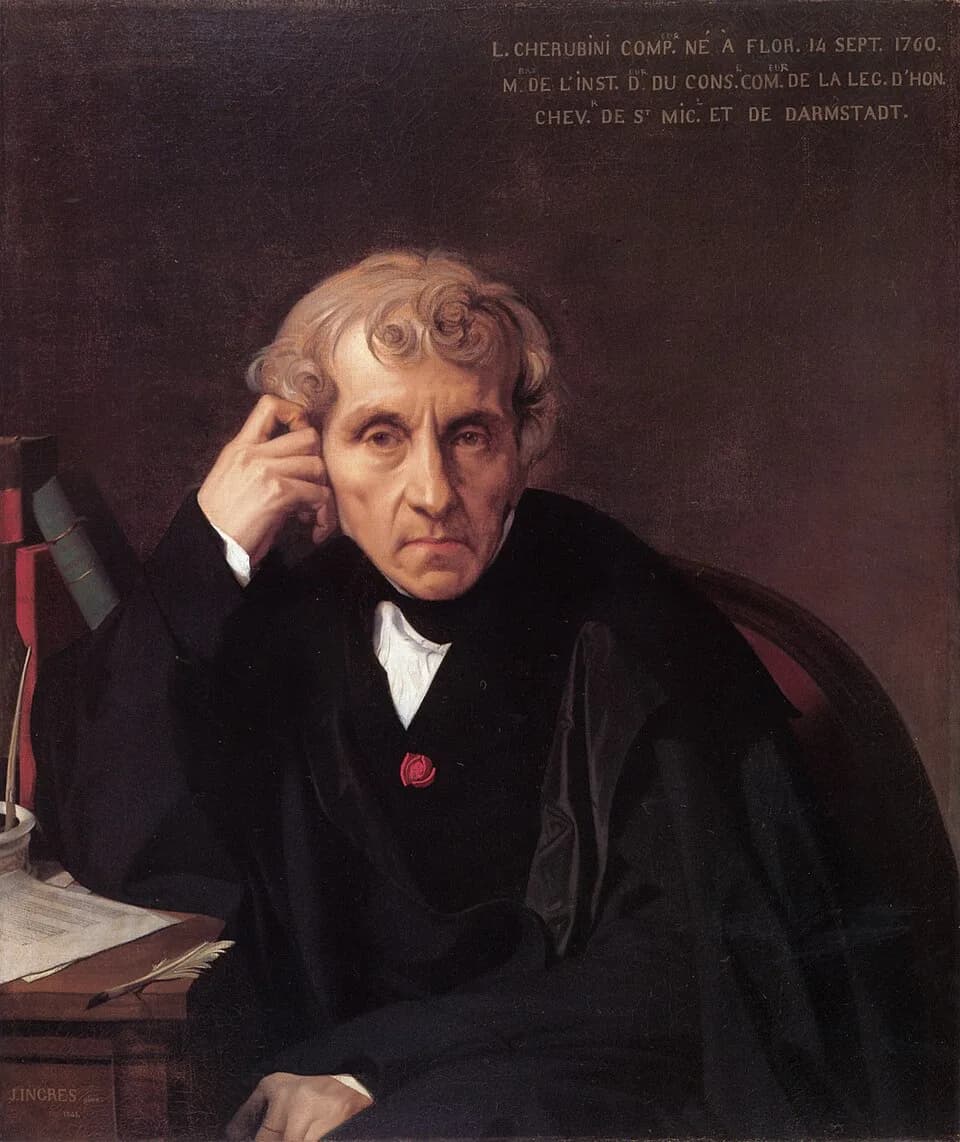
Luigi Cherubini (September 8, 1760 – March 15, 1842) was an Italian Classical and Romantic composer, conductor, and educator. He was celebrated by Beethoven as the greatest living composer of his era. His operas and sacred music remain significant works in the classical repertoire.
Kapitola
Životní kapitoly
Kapitola 1 · 1760· Kapitola 1 z 8
Remembering Luigi Cherubini
Luigi Cherubini (September 8, 1760 – March 15, 1842) was a revered Italian composer, conductor, musicologist, music theorist, and music educator. He became a significant figure in both Classical and Romantic music. His legacy includes notable operas and sacred works that continue to be studied and performed across generations. Cherubini's influence on his contemporaries was immense, shaping the direction of music in his era.
Kapitola 2 · 1760· Kapitola 2 z 8
Early Life and Origins
Luigi Cherubini, born Maria Luigi Carlo Zenobio Salvatore Cherubini, entered the world on September 8, 1760, in the historically rich city of Florence, which was then part of the Kingdom of Italy. His upbringing in this cultural hub provided a fertile ground for his musical development. The artistic traditions of Florence undoubtedly contributed to the foundation of his extensive and varied musical career.
Kapitola 3· Kapitola 3 z 8
Career Beginnings
Cherubini began his professional journey as a composer, meticulously developing his craft across various musical forms. His talent for composition became apparent early on, establishing him as an important voice in European music. From his initial endeavors, he dedicated himself to creating works that would eventually define his distinct classical and romantic style. His early efforts quickly garnered attention within musical circles.
Kapitola 4· Kapitola 4 z 8
Major Achievements and Career Highlights
Throughout his illustrious career, Luigi Cherubini achieved significant acclaim from his most respected peers. Ludwig van Beethoven, a towering figure of classical music, held Cherubini in the highest regard, considering him the greatest living composer of his era. The celebrated opera composer Gioachino Rossini also expressed immense admiration for Cherubini's operas, frequently praising and interpreting them. These endorsements from such influential musicians highlight the considerable respect and impact Cherubini commanded within the musical world.
Kapitola 5· Kapitola 5 z 8
Personal Life
While Luigi Cherubini's extensive musical contributions are well-documented and celebrated, specific details regarding his personal life, family, and relationships are not readily available within the provided information. His life appears to have been predominantly dedicated to his prolific musical output and his roles as an educator and theorist. This focus allowed him to leave a profound artistic heritage.
Kapitola 6 · 1957· Kapitola 6 z 8
Notable Works or Contributions
Cherubini's most significant compositions predominantly fall within two major genres: opera and sacred music. His masterful ability to craft compelling dramatic narratives and profound spiritual pieces solidified his reputation as a versatile composer. Operas like "Medea," famously recorded in 1957, demonstrate his enduring impact on the operatic stage, continuing to resonate with audiences centuries later.
His sacred music, including the emotionally powerful "Requiem in D minor," released in 1975, and the "Requiem in C minor," recorded in both 1979 and 1990, remains a vital part of the choral repertoire. Beyond these, his discography includes diverse works such as "C.P.E. Bach: Cello Concertos / Cherubini: 13 Contredanses" from 1989 and "The String Quartets" from the same year. Cherubini's versatility is further evident in "Lodoïska" (1991), "Original 19th-Century Music for Brass" (1991), and "Sei Sonate per pianoforte" (1991), showcasing his mastery across various instrumental and vocal forms.
Kapitola 7 · 1842· Kapitola 7 z 8
Later Years
Luigi Cherubini remained actively engaged in composing and influencing the musical landscape through his later years. He passed away on March 15, 1842, in Paris, France, leaving behind an extraordinary catalogue of compositions and a lasting educational legacy. His final decades were spent contributing to the vibrant musical scene of Paris, where his artistic presence continued to shape and inspire. His death marked the end of an era for many musicians.
Kapitola 8· Kapitola 8 z 8
Legacy and Impact
The legacy of Luigi Cherubini continues to thrive through his exceptional contributions to both Classical and Romantic music. As a distinguished composer, conductor, musicologist, music theorist, and music educator, he significantly influenced the musical tastes and understanding of his time. His works, particularly his beloved operas and deeply moving sacred music, are still performed and cherished by audiences around the globe. He stands as a crucial transitional figure, bridging the stylistic characteristics of the Classical and Romantic periods with his unique voice and innovative compositions.
Život v okamžicích
Okamžiky, které utvářely život
Časté otázky
Často kladené otázky
Kdy zemřel(a) Luigi Cherubini?
Luigi Cherubini zemřel(a) 15. března 1842 v Paris, France ve věku 81 let.
Kde se narodil(a) Luigi Cherubini?
Luigi Cherubini se narodil(a) v Florence, Kingdom of Italy dne 8. září 1760.
Čím je Luigi Cherubini nejznámější?
Luigi Cherubini je nejznámější díky Italian Classical and Romantic composer.
Kolik bylo Luigi Cherubini v době smrti?
Luigi Cherubini bylo v době smrti 81 let.
Jakou národnost měl(a) Luigi Cherubini?
Luigi Cherubini pocházel(a) z Kingdom of Italy.
Časová osa
Život v kostce
Fotogalerie
Život v obrazech
Klikněte na jakýkoli polaroid pro zvětšení · 25 fotografií
QR kód
Sdílet tento životopis
Tisk a sdílení
Naskenujte pro návštěvu této životopisné stránky. Vytiskněte pro akce, výstavy nebo vzdělávací materiály.