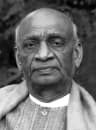
Narozen
October 31, 1760
Honjo, Japan
Zemřel
May 10, 1849
Asakusa, Japan
Známý díky
Japanese artist
Katsushika Hokusai (1760–1849) was Japan best known for Japanese artist.
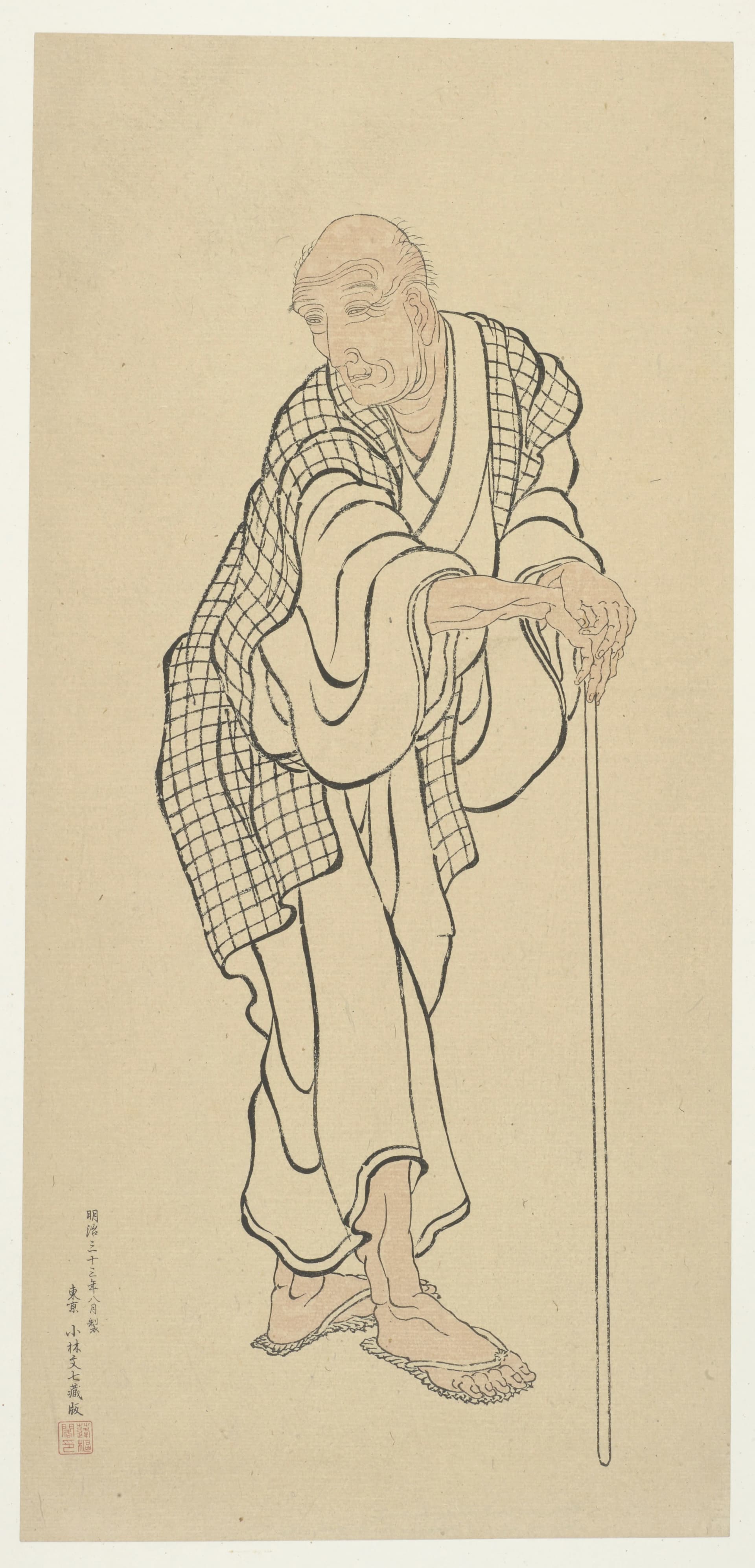
Katsushika Hokusai (October 31, 1760 – May 10, 1849) was a Japanese artist from Honjo, Japan. He was instrumental in developing ukiyo-e and is renowned for his iconic print, The Great Wave off Kanagawa. His work profoundly influenced Western artists like Van Gogh and Monet.
Kapitola
Životní kapitoly
Kapitola 1 · 1760· Kapitola 1 z 7
Early Life and Origins
Katsushika Hokusai was born on October 31, 1760, in Honjo, Japan, which was then part of Edo (modern-day Tokyo). Details about his early family life and upbringing are not extensively documented in the provided information. He lived and worked within a vibrant artistic community during a formative period in Japanese history.
Kapitola 2· Kapitola 2 z 7
Career Beginnings
Hokusai began his extensive professional life as an artist, quickly gaining recognition for his versatile skills. He was active in various artistic roles including illustrator, painter, and xylographer. Throughout his career, he excelled as a graphic artist, visual artist, and designer, demonstrating a wide array of technical and creative abilities. He specifically honed his craft as a printmaker and became a prominent ukiyo-e artist, defining a significant aspect of his professional identity. He also worked as an architectural draftsperson and general draftsperson.
Kapitola 3· Kapitola 3 z 7
Major Achievements and Career Highlights
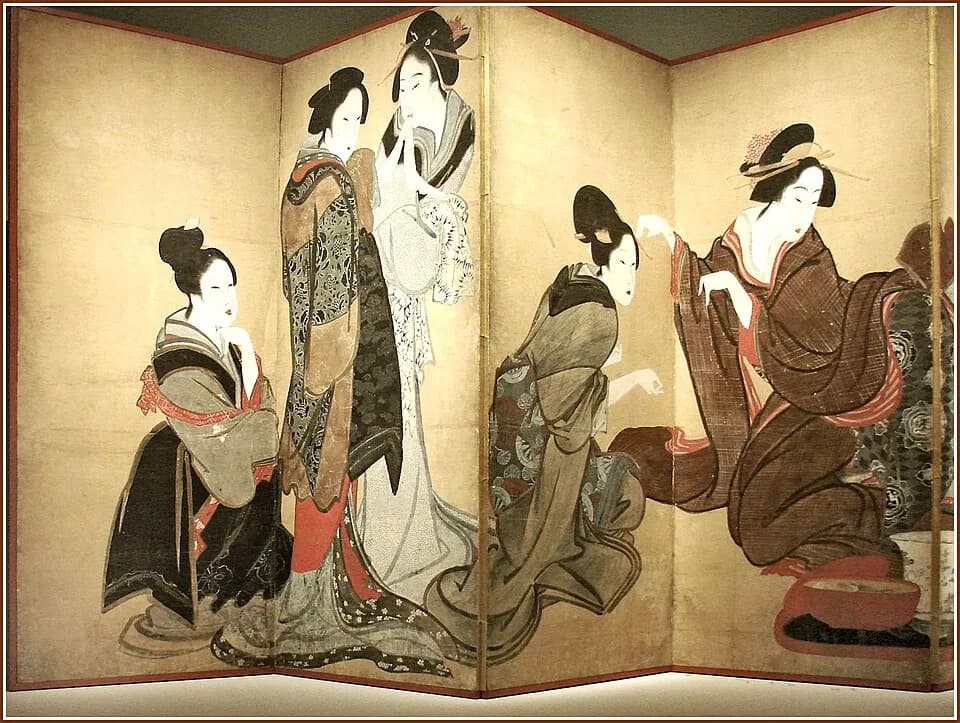
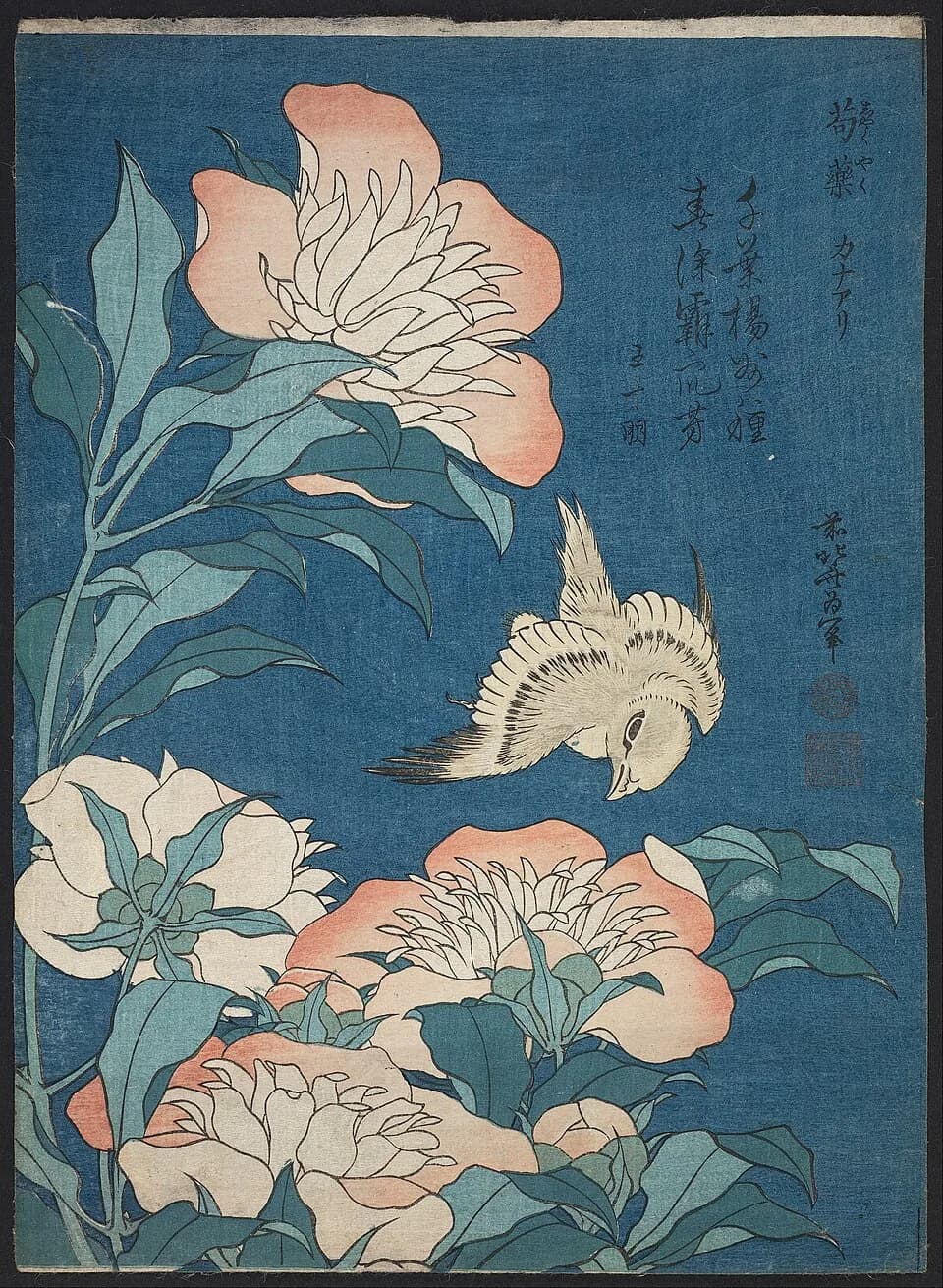
Hokusai was instrumental in expanding the scope of ukiyo-e art beyond its traditional focus on portraits of courtesans and actors. He pioneered a broader style that embraced landscapes, plants, and animals, diversifying the subjects considered worthy of artistic depiction. His seminal woodblock print series, "Thirty-Six Views of Mount Fuji," represents a peak in his career, showcasing his mastery of landscape composition and capturing the majesty of Japan's sacred mountain. This series solidified his reputation and influence within the art world.
Kapitola 4 · 1760· Kapitola 4 z 7
Personal Life
Born in Honjo, Japan, on October 31, 1760, Katsushika Hokusai spent his long life dedicated to his art. He passed away on May 10, 1849, in Asakusa, Japan. While detailed personal accounts of his family or relationships are not provided, his extensive body of work speaks volumes about his artistic passion and disciplined approach to his craft across nearly nine decades.
Kapitola 5 · 1830· Kapitola 5 z 7
Notable Works or Contributions
Among his vast output, several artworks stand out for their beauty and enduring appeal. The most famous is "Under the Wave off Kanagawa (Kanagawa oki nami ura)," widely known as "The Great Wave," from his series "Thirty-six Views of Mount Fuji (Fugaku sanjūrokkei)," created between approximately 1830 and 1832. This print, held in prestigious institutions like the Met Museum and the Art Institute of Chicago (AIC), is celebrated for its dramatic composition and powerful depiction of nature.
His "Thirty-six Views of Mount Fuji" series also includes other masterpieces such as "Nakahara in Sagami Province (Sōshū Nakahara)" and "Shower Below the Summit (Sanka hakuu)," both dating to around 1830-1833. Beyond Mount Fuji, Hokusai explored other natural and architectural themes. The series "Remarkable Views of Bridges in Various Provinces (Shokoku meikyō kiran)" features works like "Yahagi Bridge at Okazaki on the Tōkaidō (Tōkaidō Okazaki Yahagi no hashi)" (ca. 1834) and "The Suspension Bridge on the Border of Hida and Etchū Provinces (Hietsu no sakai tsuribashi)" (ca. 1830).
Hokusai also produced works in other series and as individual pieces, showcasing his range. "Cherry Blossoms at Yoshino (Yoshino)" from "Snow, Moon, and Flowers (Setsugekka)" (ca. 1833) highlights his sensitivity to natural beauty. His "Fifty-three Stations of the Tokaido (Tokaido gojusan tsugi)" series, including "Hara," "Odawara," "Sakanoshita," and "Shinagawa," (c. 1806) demonstrates his talent for depicting travel scenes. He even delved into the supernatural with "Kohada Koheiji" from "One Hundred Ghost Tales (Hyaku monogatari)" (1831-32) and captured delicate imagery like "Cranes on snow-covered pine" (c. 1834).
Kapitola 6 · 1849· Kapitola 6 z 7
Later Years
Katsushika Hokusai continued his artistic endeavors throughout his long life, demonstrating an unwavering dedication to his craft until his passing. He died on May 10, 1849, in Asakusa, Japan, at the remarkable age of 88. His later years were marked by continued productivity and a deepening of his artistic vision, further enriching the world with his unique creations.
Kapitola 7· Kapitola 7 z 7
Legacy and Impact
The artistic contributions of Katsushika Hokusai extend far beyond his lifetime, leaving a lasting mark on global art. His works had a significant influence on prominent European artists such as Vincent van Gogh and Claude Monet. This influence was a key component of the Japonisme movement that swept across Europe in the late 19th century, introducing Japanese aesthetic principles to Western art. Hokusai's innovation in expanding ukiyo-e subjects from portraits to diverse natural scenes redefined the genre, ensuring his place as an enduring master. He remains celebrated for his technical skill, imaginative compositions, and his ability to capture the spirit of his time.
Život v okamžicích
Okamžiky, které utvářely život
![Katsushika Hokusai - The Japanese art of Ukiyo-e (“Pictures of the floating [or sorrowful] world”) developed in the city of Edo (now Tokyo) during the Tokugawa or Edo Period (1600-1868), a relatively](/_next/image?url=https%3A%2F%2Fcdn.whowasthisguy.com%2Fgallery_wikimedia_commons_1777817818786_2_7cd39b3a1e.webp&w=1920&q=75)
Časté otázky
Často kladené otázky
Kdy zemřel(a) Katsushika Hokusai?
Katsushika Hokusai zemřel(a) 10. května 1849 v Asakusa, Japan ve věku 88 let.
Kde se narodil(a) Katsushika Hokusai?
Katsushika Hokusai se narodil(a) v Honjo, Japan dne 31. října 1760.
Čím je Katsushika Hokusai nejznámější?
Katsushika Hokusai je nejznámější díky Japanese artist.
Kolik bylo Katsushika Hokusai v době smrti?
Katsushika Hokusai bylo v době smrti 88 let.
Jakou národnost měl(a) Katsushika Hokusai?
Katsushika Hokusai pocházel(a) z Japan.
Časová osa
Život v kostce
Fotogalerie
Život v obrazech
Klikněte na jakýkoli polaroid pro zvětšení · 49 fotografií
QR kód
Sdílet tento životopis
Tisk a sdílení
Naskenujte pro návštěvu této životopisné stránky. Vytiskněte pro akce, výstavy nebo vzdělávací materiály.