Nascut
April 15, 1920
New Palace, Germany
Mort
January 31, 2015
Berlin, Margraviate of Brandenburg
Conegut per
President of Germany from 1984 to 1994
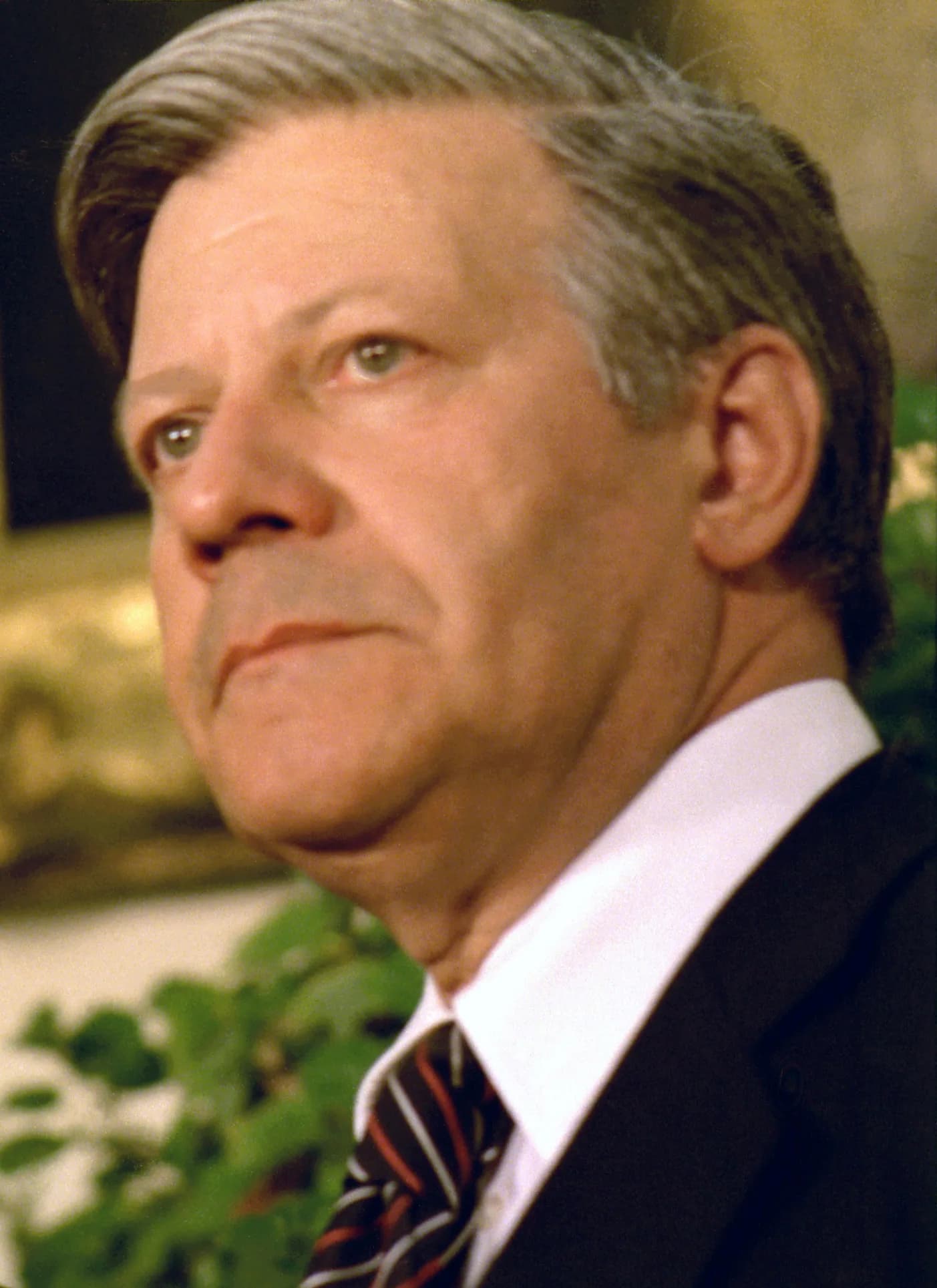
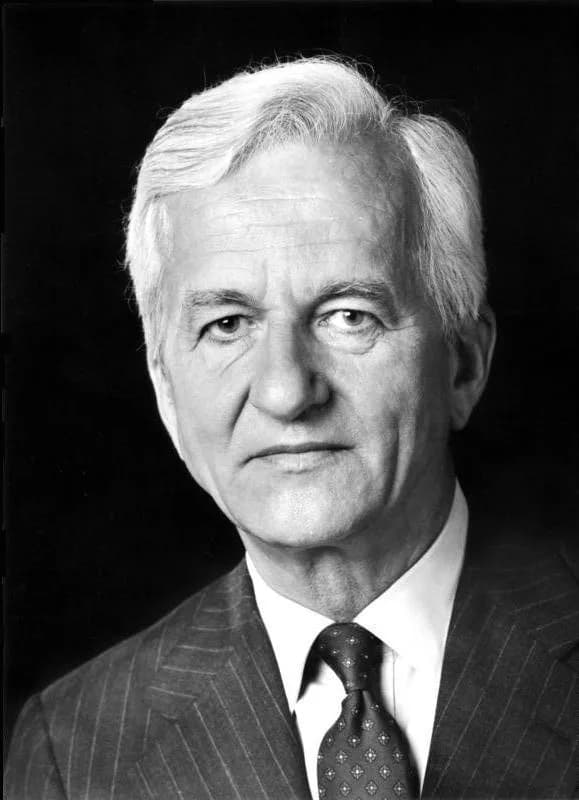
Richard von Weizsäcker (1920–2015) was Germany best known for President of Germany from 1984 to 1994.
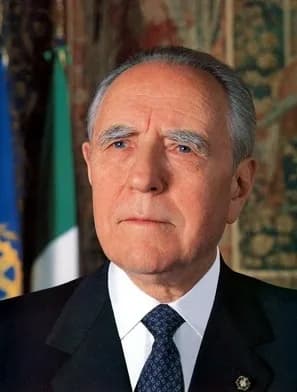
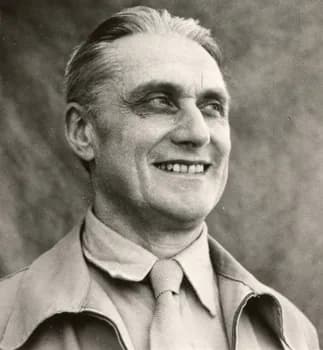
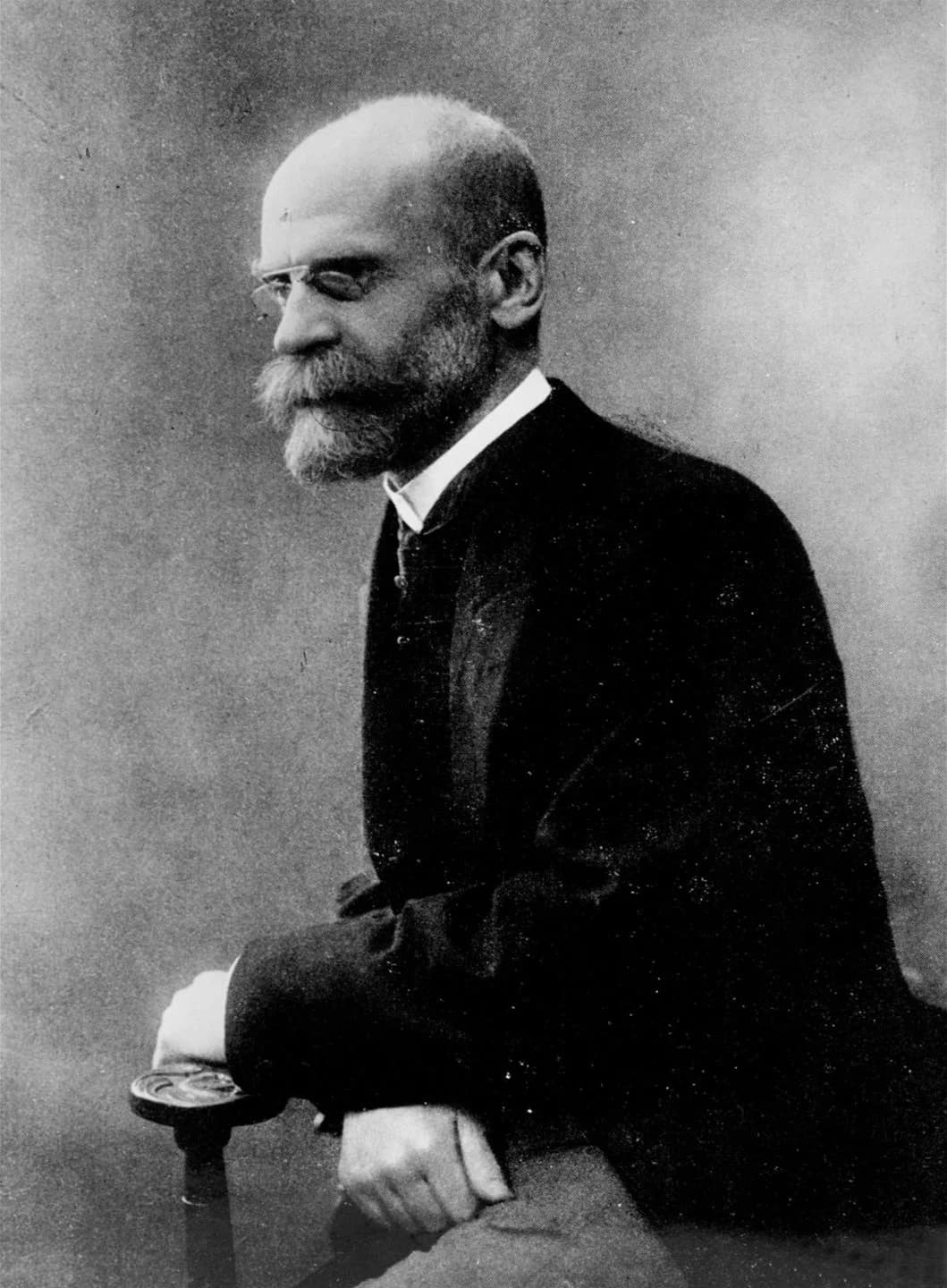
Richard von Weizsäcker (April 15, 1920 – January 31, 2015) was a German lawyer, military personnel, and politician. He served as President of Germany from 1984 to 1994, guiding the nation through a decade of significant change. His statesmanship left a lasting mark on German politics.
Una vida en moments
Els moments que van marcar una vida
Capítol
Capítols de la vida
Capítol 1 · 1920· Capítol 1 de 7
Early Life and Origins
Richard von Weizsäcker entered the world on April 15, 1920, at the New Palace in Germany, a location steeped in historical grandeur. His upbringing was within the notable aristocratic Weizsäcker family, providing him with a distinguished heritage. This lineage surely influenced his perspectives and his eventual dedication to public service in Germany.
Capítol 2· Capítol 2 de 7
Career Beginnings
Before his prominent political career, Richard von Weizsäcker initially found his footing in public life through religious institutions. He took on his first official positions within the Protestant Church in Germany. These early experiences likely shaped his understanding of community and governance, laying a foundation for his later endeavors.
Capítol 3 · 1984· Capítol 3 de 7
Major Achievements and Career Highlights
Richard von Weizsäcker's career reached its zenith with his election as President of Germany. He held this prestigious office for a full decade, from 1984 to 1994, guiding the nation through a period of immense historical significance. As a member of the Christian Democratic Union (CDU), he was a prominent German politician whose tenure as president was marked by steady leadership and statesmanship.
His presidency coincided with the fall of the Berlin Wall and the subsequent reunification of Germany, events where his calm and unifying presence was invaluable. Weizsäcker's ability to navigate complex domestic and international issues solidified his reputation as a respected national leader. He consistently demonstrated a commitment to democratic values and reconciliation during a crucial era for his country.
Capítol 4· Capítol 4 de 7
Personal Life
Born into the aristocratic Weizsäcker family, Richard carried the title of Freiherr, indicating his noble background. This heritage connected him to a long line of influential figures in German history. While specific details about his immediate family life beyond his birth into this distinguished lineage are not provided, his family origins clearly placed him within a particular social and cultural context.
Capítol 5· Capítol 5 de 7
Notable Works or Contributions
Although not known for specific literary works or scientific inventions, Richard von Weizsäcker's primary contribution lies in his extensive public service and his distinguished tenure as President of Germany. His leadership during the momentous years leading up to and including German reunification stands as his most significant 'work.' He was instrumental in fostering a sense of national unity and in representing Germany on the global stage with integrity.
Capítol 6 · 1994· Capítol 6 de 7
Later Years
After concluding his presidential term in 1994, Richard von Weizsäcker continued to be a respected voice in German public discourse. He maintained an active interest in political and social affairs, often offering his insights on national and international issues. Richard von Weizsäcker passed away on January 31, 2015, in Berlin, a city that had been central to much of his distinguished career, in the historic region of the Margraviate of Brandenburg.
Capítol 7· Capítol 7 de 7
Legacy and Impact
Richard von Weizsäcker's legacy is firmly rooted in his decade-long presidency, particularly his role during the pivotal moment of German reunification. He is remembered as a unifying force, a statesman who emphasized reconciliation and democratic principles. His thoughtful speeches and his steady hand in leadership helped shape Germany's identity in the post-Cold War era.
As a seasoned lawyer, military officer, and politician, Weizsäcker brought a unique breadth of experience to his highest office. His commitment to public service and his measured approach to governance set a high standard for future leaders. Richard von Weizsäcker remains an enduring symbol of German democracy and reunification.
FAQ
Preguntes freqüents
Quan va morir Richard von Weizsäcker?
Richard von Weizsäcker va morir el 31 de gener del 2015 a Berlin, Margraviate of Brandenburg, als 94 anys.
On va néixer Richard von Weizsäcker?
Richard von Weizsäcker va néixer a New Palace, Germany el 15 d’abril del 1920.
Per què és més conegut/da Richard von Weizsäcker?
Richard von Weizsäcker és conegut/da sobretot per President of Germany from 1984 to 1994.
Quants anys tenia Richard von Weizsäcker quan va morir?
Richard von Weizsäcker tenia 94 anys en el moment de la seva mort.
Quina nacionalitat tenia Richard von Weizsäcker?
Richard von Weizsäcker era de Germany.
Cronologia
La vida en un cop d'ull
Galeria de fotos
Una vida en imatges
Feu clic a qualsevol polaroid per ampliar · 48 fotos
Codi QR
Comparteix aquesta biografia
Imprimeix i comparteix
Escaneja per visitar aquesta pàgina de biografia. Imprimeix per a esdeveniments, exposicions o materials educatius.