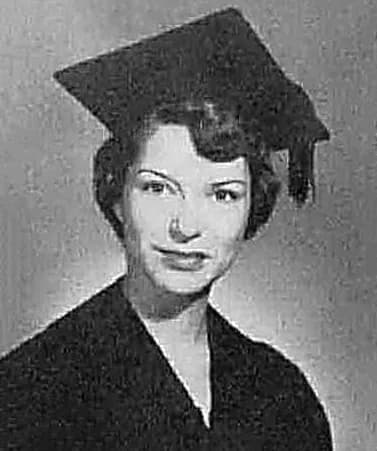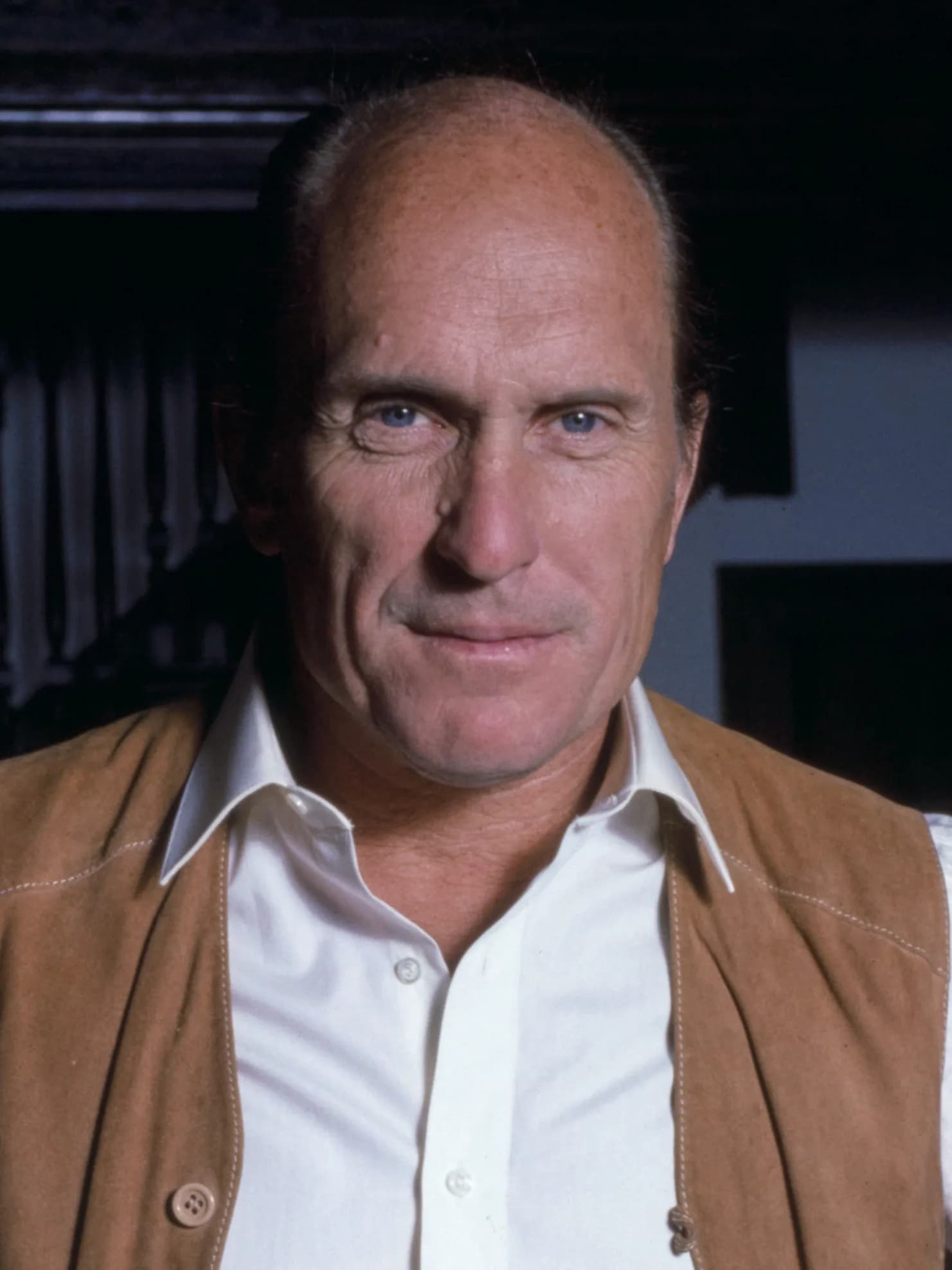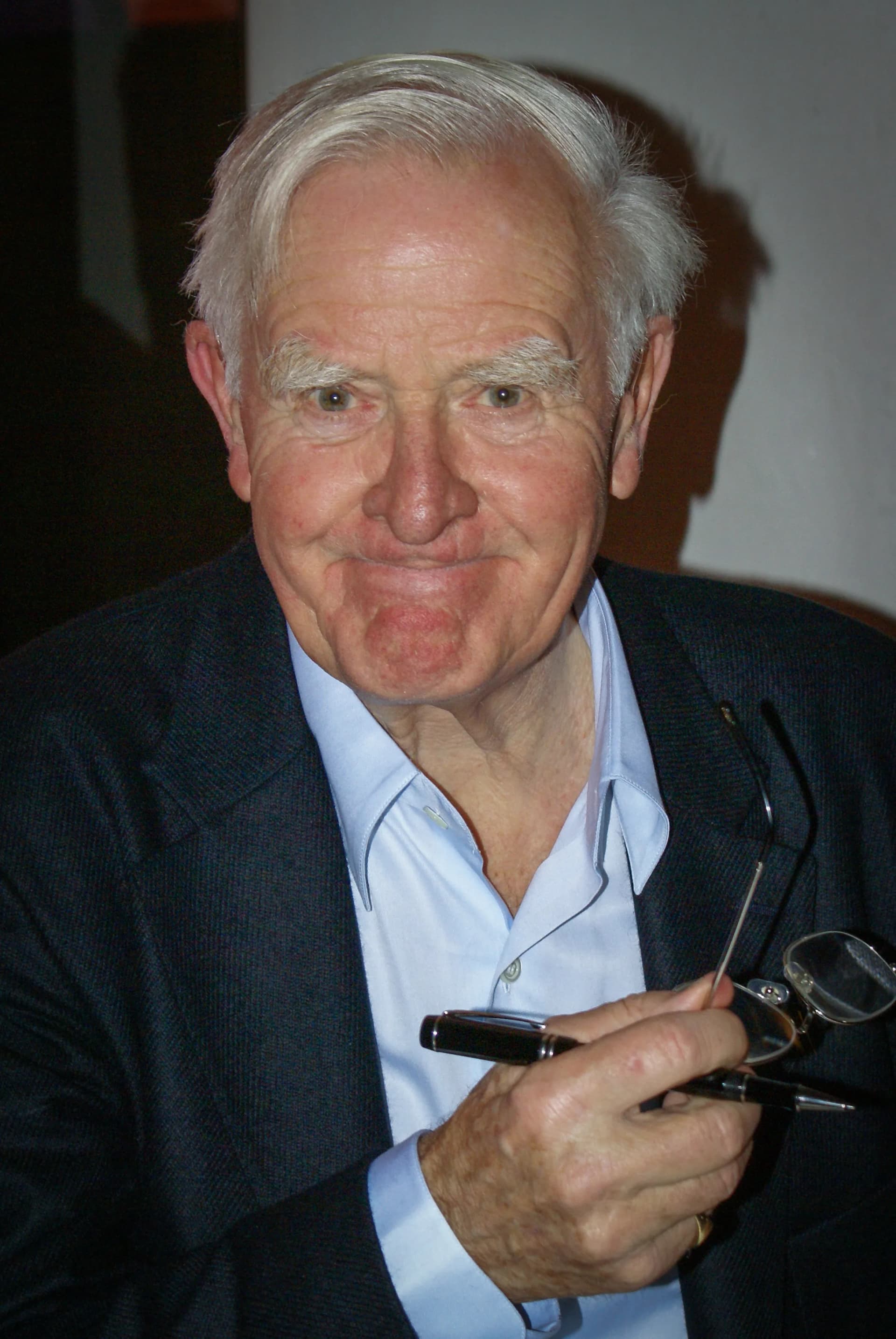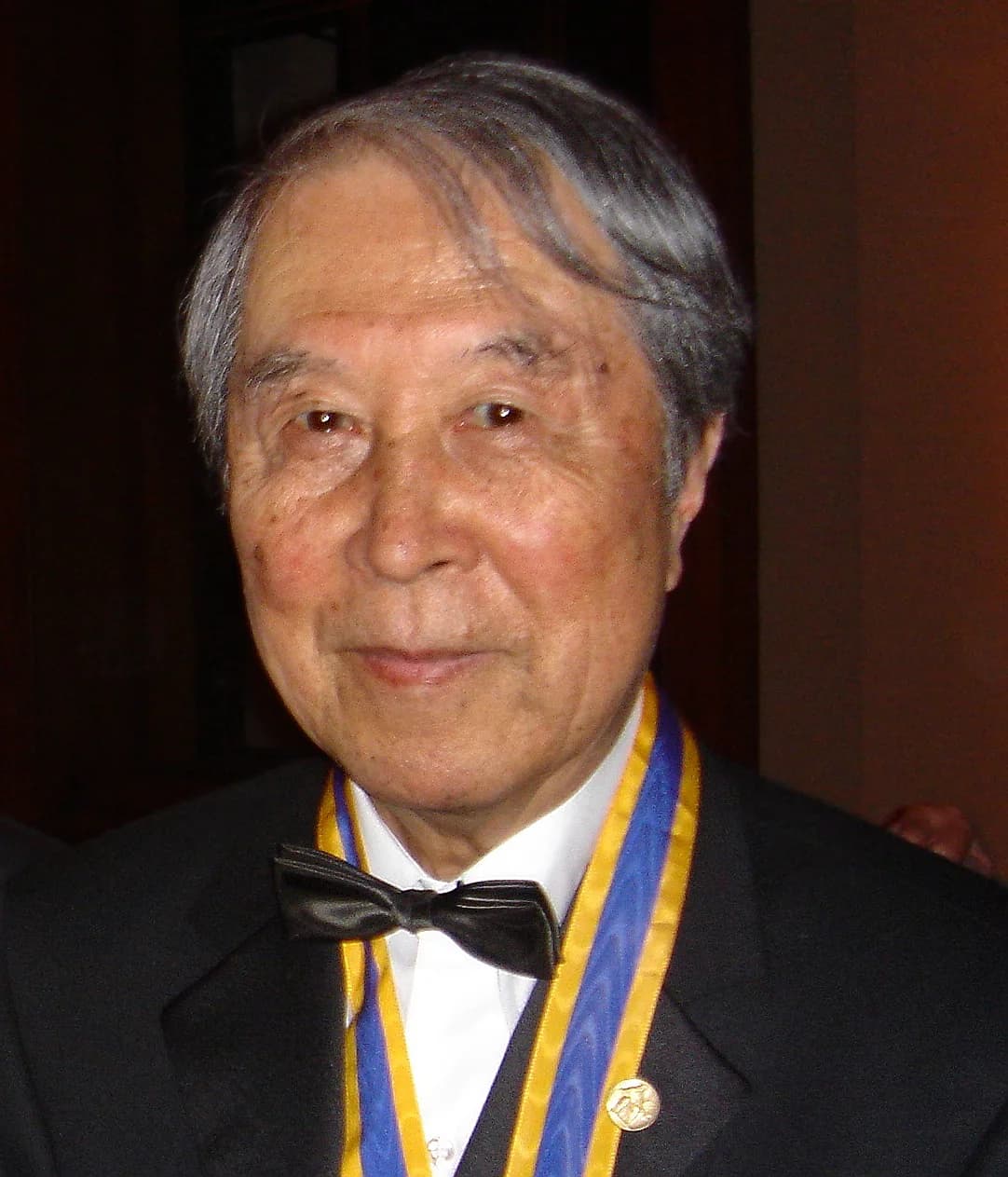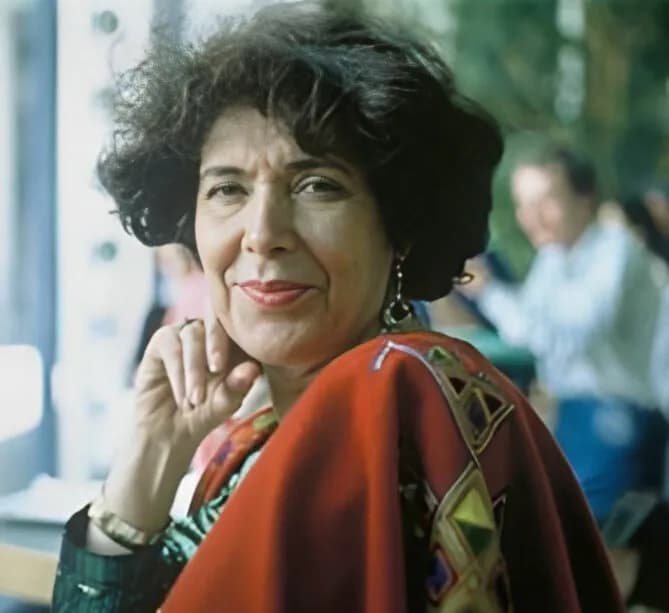
Nascut
April 15, 1931
Stockholm, Sweden
Mort
March 26, 2015
Stockholm, Sweden
Conegut per
Swedish poet, psychologist and translator
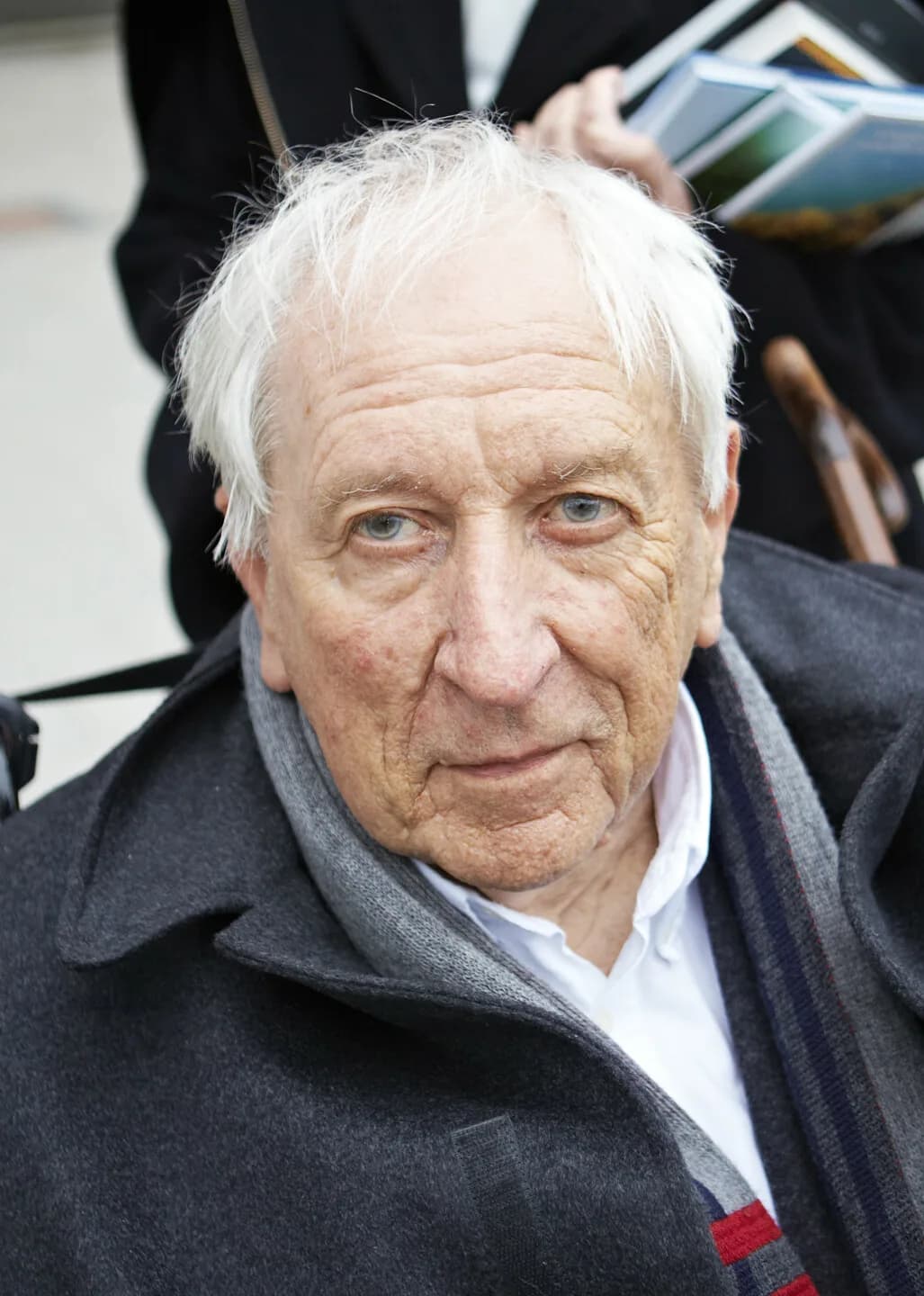
Tomas Tranströmer (1931–2015) was Sweden best known for Swedish poet, psychologist and translator.
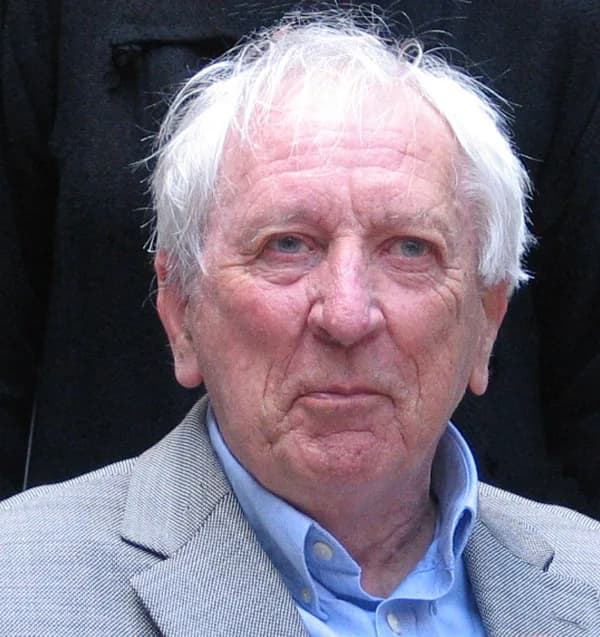
Tomas Tranströmer (April 15, 1931 – March 26, 2015) was a Swedish poet, psychologist, and translator from Stockholm. He was awarded the Nobel Prize in Literature in 2011 for his condensed, translucent images. His work provides fresh access to reality through its deep connection to nature and everyday mystery.
Una vida en moments
Els moments que van marcar una vida
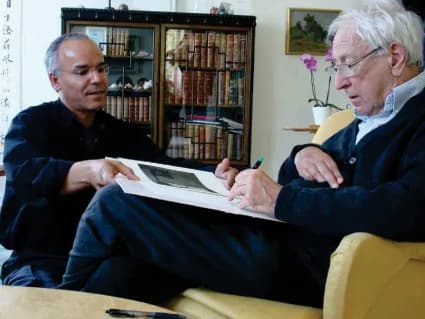
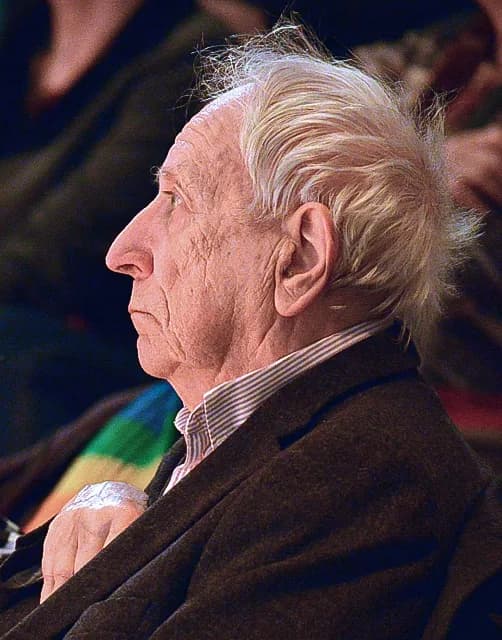
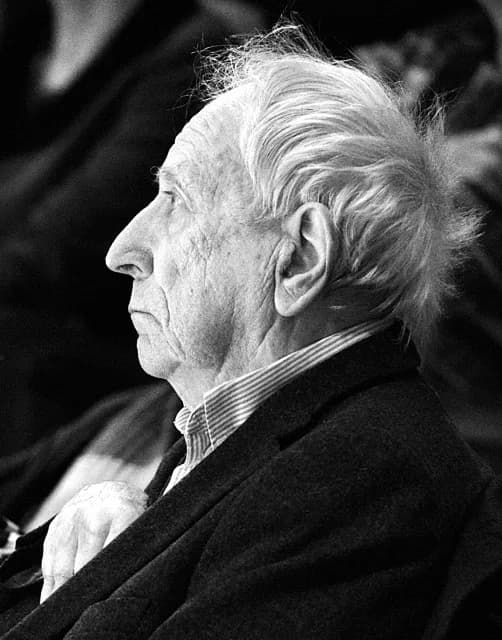
Capítol
Capítols de la vida
Capítol 1 · 1931· Capítol 1 de 7
Remembering Tomas Tranströmer: Swedish Poet and Nobel Laureate
Tomas Gösta Tranströmer, a distinguished Swedish poet, psychologist, and translator, left an enduring mark on literature during his lifetime from April 15, 1931, to March 26, 2015. He was celebrated globally for his unique poetic voice, which earned him the prestigious Nobel Prize in Literature in 2011.
Capítol 2 · 1931· Capítol 2 de 7
Early Life and Origins
Tomas Tranströmer was born on April 15, 1931, in Stockholm, Sweden, the very city where he would later pass away. His early life in Stockholm set the stage for a career deeply intertwined with observation and reflection. Though details of his family and specific upbringing are not extensively provided, his Swedish roots profoundly influenced his later artistic output.
Capítol 3· Capítol 3 de 7
Career Beginnings
Tranströmer pursued careers as both a writer and a psychologist, disciplines that undoubtedly informed his introspective poetry. His initial work began to capture the essence of the Swedish landscape, particularly the long, atmospheric winters and the rhythmic cycle of the seasons. He honed a style that explored the palpable beauty of nature, infusing it with a sense of wonder.
As a psychologist, linguist, and translator, Tranströmer engaged with the intricacies of the human mind and language, enriching his poetic perspective. This dual professional path likely contributed to his ability to uncover deeper meanings in everyday experiences. His early poems laid the foundation for themes of mystery and the underlying marvels of routine life, qualities that would become hallmarks of his oeuvre.
Capítol 4 · 2011· Capítol 4 de 7
Major Achievements and Career Highlights
The pinnacle of Tomas Tranströmer's career arrived in 2011 when he was awarded the Nobel Prize in Literature. The Swedish Academy cited his achievement "because, through his condensed, translucent images, he gives us fresh access to reality." This award recognized decades of masterful poetic contribution.
Tranströmer’s work is characterized by a distinctive style that combines sharp imagery with profound emotional depth. His ability to distill complex thoughts and feelings into vivid, accessible language resonated with readers and critics worldwide. He has also been described as a Christian poet, suggesting a spiritual dimension often present in his explorations of life's mysteries.
Capítol 5· Capítol 5 de 7
Notable Works and Contributions
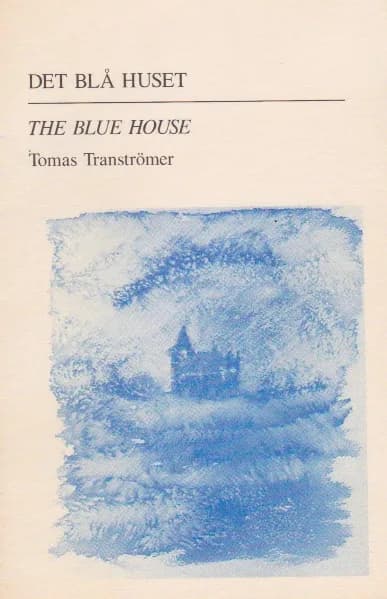
Throughout his prolific career, Tomas Tranströmer authored numerous collections that garnered international acclaim. Among his celebrated poetic works are titles such as Para vivos y muertos, El árbol y la nube, and the widely recognized Blue House. These collections showcase his signature style of condensed, evocative imagery.
Other significant contributions to his bibliography include Visión de la memoria, Sorgegondolen, and baltics, which further exemplify his engagement with memory, landscape, and human experience. His poems reached diverse audiences through translations like Les souvenirs m'observent (French Edition) and The Deleted World.
Beyond his poetic volumes, Tranströmer also contributed to academic discourse. His academic publications include works like Upright, published in 2020 and cited 12 times, demonstrating his continued intellectual presence. Other published papers include Med älven, and: With the River, and: Utkantsområde, and: On the Fringes, and: Nattjour, and: Night Duty, also from 2020, and Hē penthimē gondola : poiēmata from 2000, further illustrating his diverse literary and psychological engagement.
Capítol 6 · 2011· Capítol 6 de 7
Later Years
Tomas Tranströmer continued to write and influence the literary world in his later years. The recognition of the Nobel Prize in 2011 solidified his place as one of the most important poets of his generation. He passed away on March 26, 2015, in Stockholm, Sweden, the city of his birth, leaving behind a profound body of work.
Capítol 7· Capítol 7 de 7
Legacy and Impact
Tomas Tranströmer's legacy is defined by his distinctive poetic voice that offers "fresh access to reality" through "condensed, translucent images." His work continues to resonate with readers by exploring universal themes of nature, memory, mystery, and the spiritual dimensions found within everyday life. He showed how the mundane could reveal the wondrous.
His deep connection to the Swedish landscape, expressed through vivid depictions of its long winters and the rhythm of its seasons, provides a unique sense of place in his poetry. Tranströmer's ability to imbue routine existence with a sense of mystery and wonder has solidified his enduring influence on contemporary poetry. His contributions as a poet, psychologist, and translator continue to inspire new generations of writers and thinkers.
FAQ
Preguntes freqüents
Quan va morir Tomas Tranströmer?
Tomas Tranströmer va morir el 26 de març del 2015 a Stockholm, Sweden, als 83 anys.
On va néixer Tomas Tranströmer?
Tomas Tranströmer va néixer a Stockholm, Sweden el 15 d’abril del 1931.
Per què és més conegut/da Tomas Tranströmer?
Tomas Tranströmer és conegut/da sobretot per Swedish poet, psychologist and translator.
Quants anys tenia Tomas Tranströmer quan va morir?
Tomas Tranströmer tenia 83 anys en el moment de la seva mort.
Quina nacionalitat tenia Tomas Tranströmer?
Tomas Tranströmer era de Sweden.
Cronologia
La vida en un cop d'ull
Galeria de fotos
Una vida en imatges
Feu clic a qualsevol polaroid per ampliar · 44 fotos
Codi QR
Comparteix aquesta biografia
Imprimeix i comparteix
Escaneja per visitar aquesta pàgina de biografia. Imprimeix per a esdeveniments, exposicions o materials educatius.