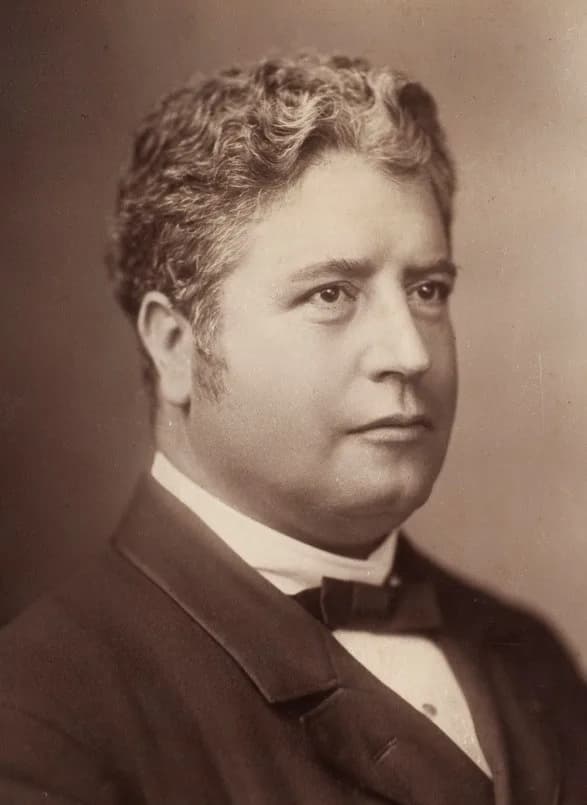
Nascut
April 21, 1864
Erfurt, Kingdom of Prussia
Mort
June 14, 1920
Munich, Germany
Conegut per
German sociologist, philosopher, and political economist
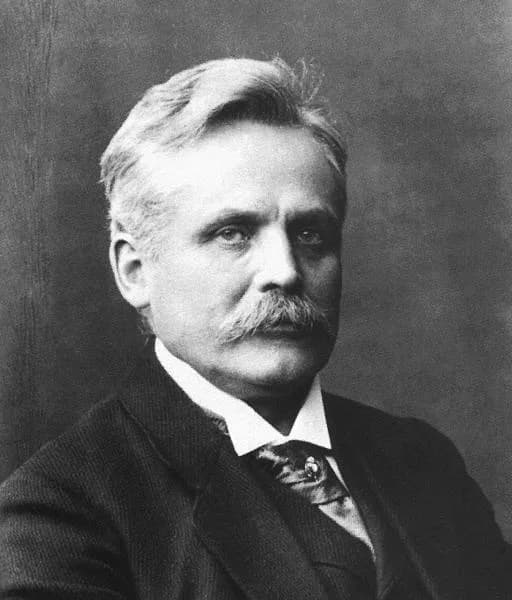
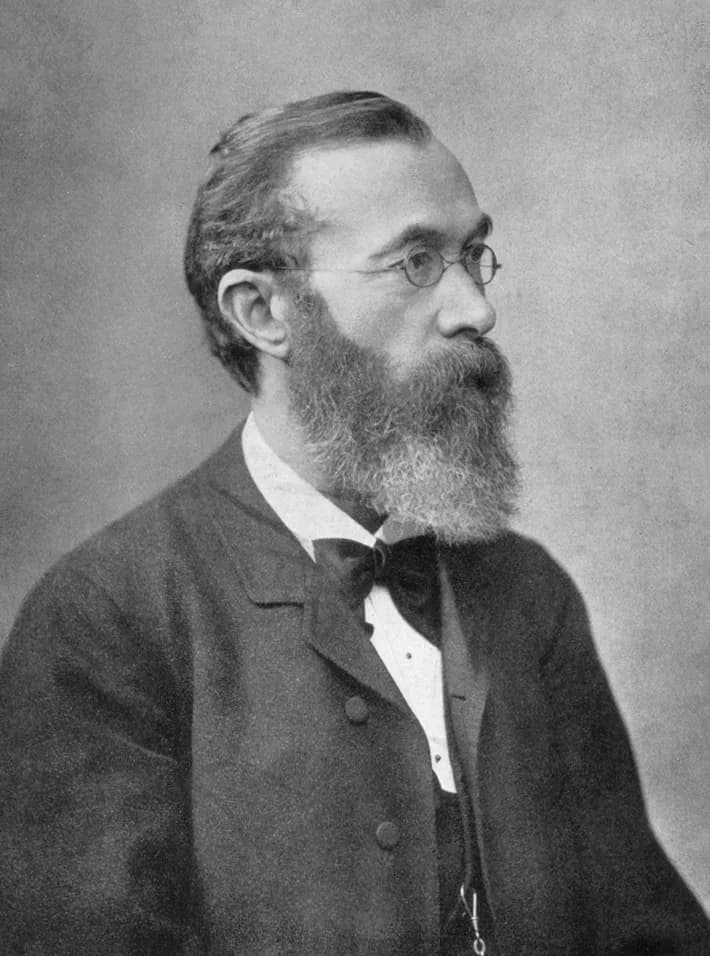
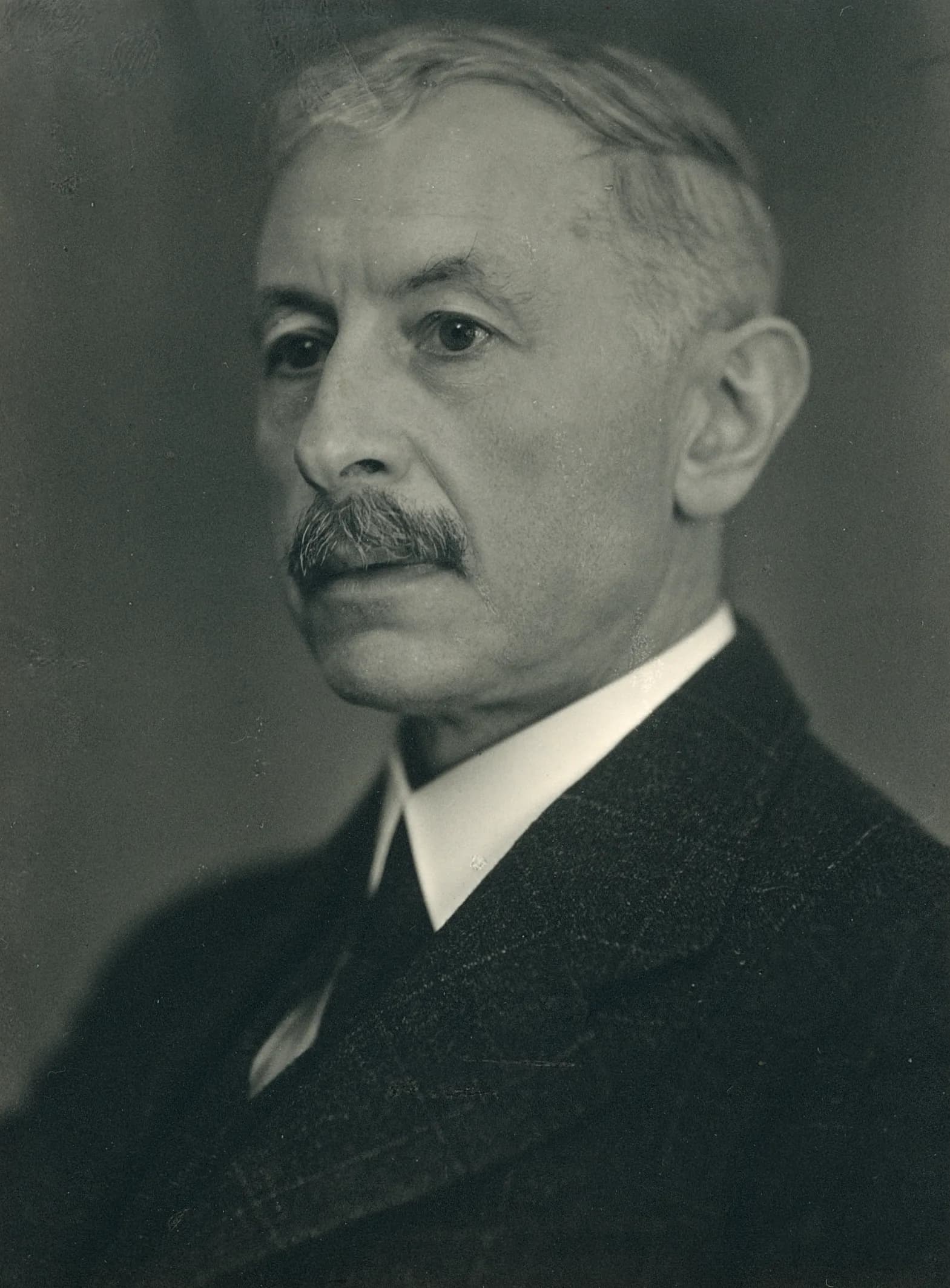
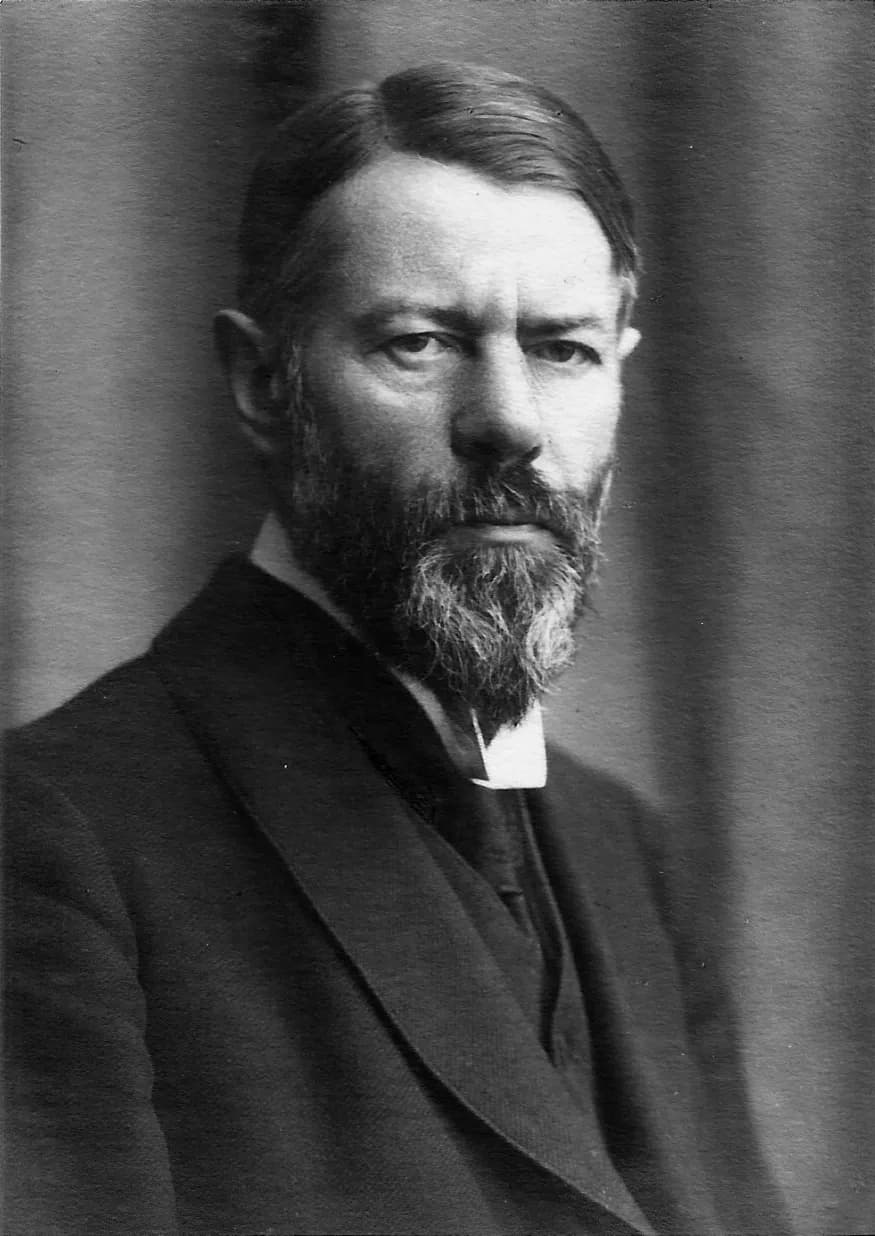
Max Weber (1864–1920) was Kingdom of Prussia best known for German sociologist, philosopher, and political economist.
Max Weber (April 21, 1864 – June 14, 1920) was a German sociologist, philosopher, and political economist from the Kingdom of Prussia. He was a central figure in the development of sociology and the social sciences. His ideas continue to influence social theory and research.
Una vida en moments
Els moments que van marcar una vida
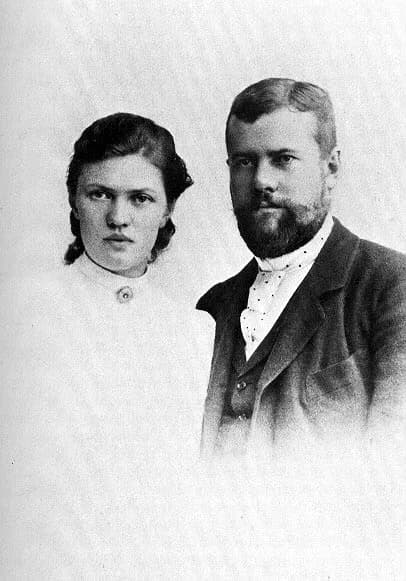
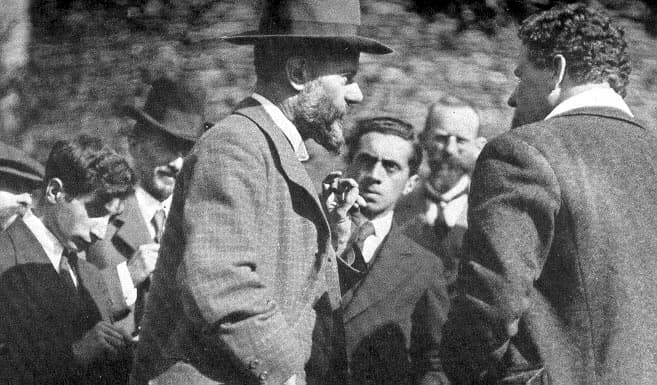
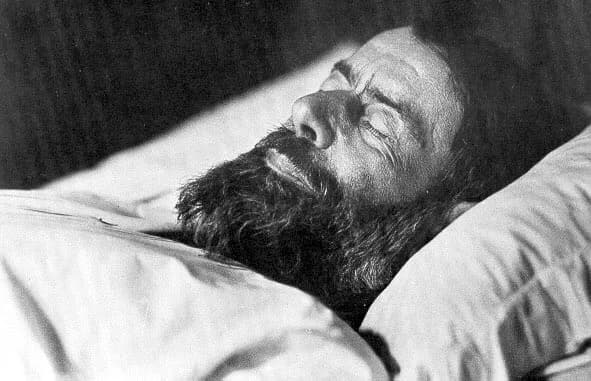
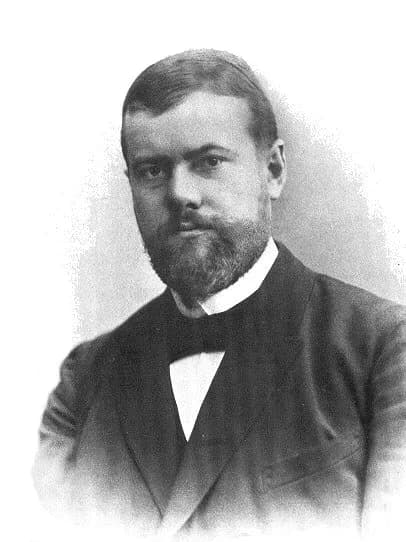
Capítol
Capítols de la vida
Capítol 1 · 1864· Capítol 1 de 6
Early Life and Origins
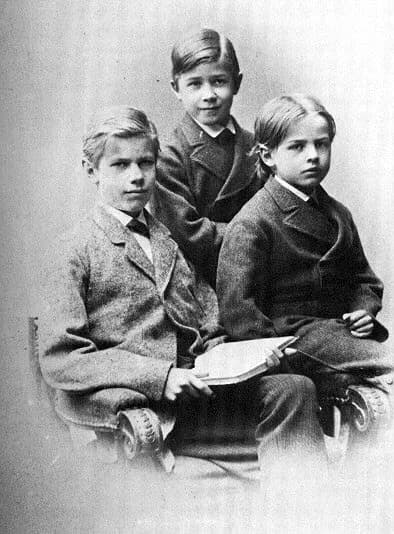
Max Weber’s life began in Erfurt, a city within the Kingdom of Prussia, on April 21, 1864. Born into a Germany undergoing rapid industrialization and significant political evolution, his early environment likely fostered an inquisitive spirit and a deep interest in societal structures. While specific details about his family life are not provided, his eventual path reflects a formidable intellect and a commitment to academic inquiry.
Capítol 2· Capítol 2 de 6
Career Beginnings
Weber embarked on his intellectual journey initially through the study of law, distinguishing himself as a skilled jurist and lawyer. This early legal background provided a precise framework for his analytical explorations into the organization and functioning of society. His foundational understanding of legal systems significantly informed his later theories on legitimate authority and bureaucracy.
Beyond law, Weber also cultivated expertise as an economist and a historian, roles that broadened his perspective on human societies. His multifaceted early career established a unique interdisciplinary approach, allowing him to connect economic structures with historical developments and legal frameworks. This comprehensive intellectual foundation became a hallmark of his academic output.
Capítol 3· Capítol 3 de 6
Major Achievements and Career Highlights
Throughout his distinguished career, Max Weber served as a university teacher, profoundly impacting generations of students and scholars with his innovative ideas. His ability to synthesize knowledge from various fields made him a captivating educator and a sought-after mentor. He was instrumental in shaping the intellectual climate of early 20th-century Germany.
Weber’s professional expertise spanned an extraordinary array of disciplines, including his work as a politician and an anthropologist. He brought a unique blend of practical and theoretical understanding to his studies of social phenomena. His insights as a musicologist further demonstrate the expansive nature of his intellectual curiosity and analytical capabilities.
As a philosopher, he engaged with profound questions about rationality, values, and the meaning of human action within social contexts. His contributions as a sociologist and political economist firmly established him as a leading voice in the nascent social sciences. He was revered for his systematic approach to understanding complex societal forces.
Capítol 4· Capítol 4 de 6
Notable Works or Contributions
Among Max Weber's most seminal contributions is "Wirtschaft und Gesellschaft" (Economy and Society), a colossal treatise exploring the intricate relationships between economic action, law, power, and religion. This work provided foundational typologies for understanding social organization and authority, remaining a cornerstone of sociological and economic thought.
His "Gesammelte Aufsätze zur Wissenschaftslehre" (Collected Essays on the Sociology of Science) meticulously examined the methodology and epistemological challenges inherent in social scientific research. Weber grappled with questions of objectivity, values, and the distinct nature of inquiry into human society, critically shaping debates on the philosophy of social science.
Weber also made significant political analyses, notably in "Parlament und Regierung im neugeordneten Deutschland" (Parliament and Government in a Reordered Germany). In this work, he addressed contemporary political challenges and offered incisive commentary on Germany's constitutional future, actively contributing to public discourse and advising on the shape of democratic institutions.
Further demonstrating his breadth, "Rechtssoziologie" (Sociology of Law) offered a systematic analysis of legal systems within historical and social contexts. He also explored fundamental questions in "Fragen der Rationalisierung" (Questions of Rationalization), examining the increasing dominance of instrumental reason in modern life and providing critical insights into the evolving nature of social order.
His bibliography includes international engagements, such as "Istoricheskīĭ ocherk osvoboditelʹnago dvizhenīi︠a︡ v Rossīi i polozhenīe burzhuaznoĭ demokratīi" (Historical Sketch of the Liberation Movement in Russia and the Position of Bourgeois Democracy), reflecting his interest in global political developments. Other key titles like "Soziologie, universalgeschichtliche Analysen, Politik," "Max Weber's proposal for sociological study of voluntary associations," "社會科學方法論" (Methodology of the Social Sciences), and "مفاهىم اساسى جامعهشناسى" (Basic Concepts of Sociology) underscore his commitment to defining and advancing the rigorous study of society. These texts solidified his place as a primary theorist who sought to establish systematic frameworks for sociological inquiry, leaving a legacy rich with detailed and influential analyses.
Capítol 5 · 1920· Capítol 5 de 6
Later Years
Max Weber’s life concluded in Munich, Germany, on June 14, 1920, at the relatively young age of 56. Despite his untimely death, his final years were marked by an intense period of productivity and profound intellectual output. He continued to refine his theories and contribute to significant public debates, leaving behind a wealth of posthumously published and highly influential works.
Capítol 6· Capítol 6 de 6
Legacy and Impact
Max Weber's ideas continue to profoundly influence social theory and research, establishing him as an indispensable figure in the canon of social thought. Concepts such as the "ideal type," the sociology of religion, and his analysis of bureaucracy remain central to sociological inquiry. His framework for understanding power, legitimacy, and the process of rationalization still informs contemporary discussions.
He is rightly considered one of the architects of the modern social sciences, having championed a rigorous, value-free approach to scholarship while also acknowledging the subjective nature of human experience. Weber’s enduring methodological and theoretical contributions ensure his place as a constant reference point for anyone seeking to understand the complexities of modern society.
FAQ
Preguntes freqüents
Quan va morir Max Weber?
Max Weber va morir el 14 de juny del 1920 a Munich, Germany, als 56 anys.
On va néixer Max Weber?
Max Weber va néixer a Erfurt, Kingdom of Prussia el 21 d’abril del 1864.
Per què és més conegut/da Max Weber?
Max Weber és conegut/da sobretot per German sociologist, philosopher, and political economist.
Quants anys tenia Max Weber quan va morir?
Max Weber tenia 56 anys en el moment de la seva mort.
Quina nacionalitat tenia Max Weber?
Max Weber era de Kingdom of Prussia.
Cronologia
La vida en un cop d'ull
Galeria de fotos
Una vida en imatges
Feu clic a qualsevol polaroid per ampliar · 49 fotos
Codi QR
Comparteix aquesta biografia
Imprimeix i comparteix
Escaneja per visitar aquesta pàgina de biografia. Imprimeix per a esdeveniments, exposicions o materials educatius.