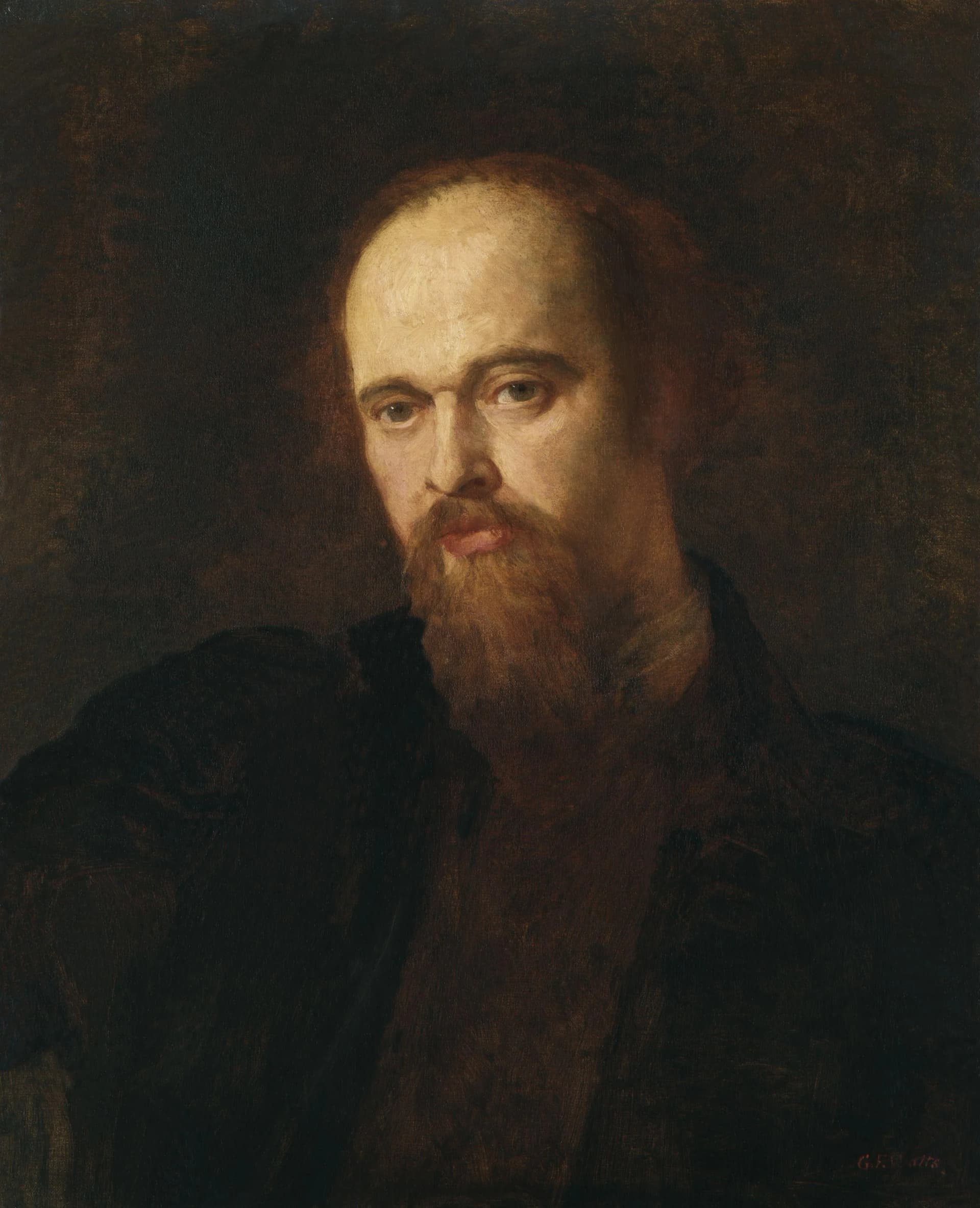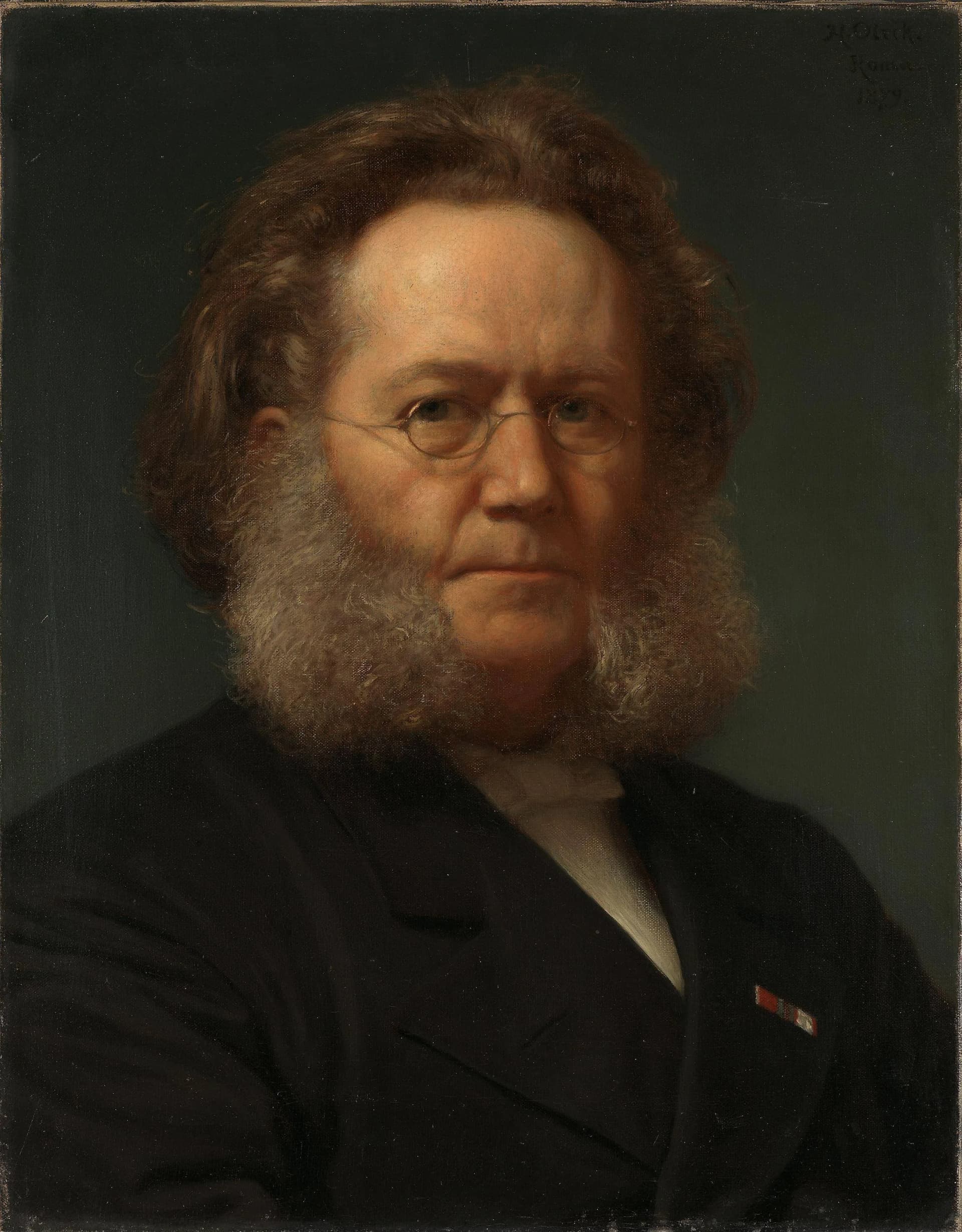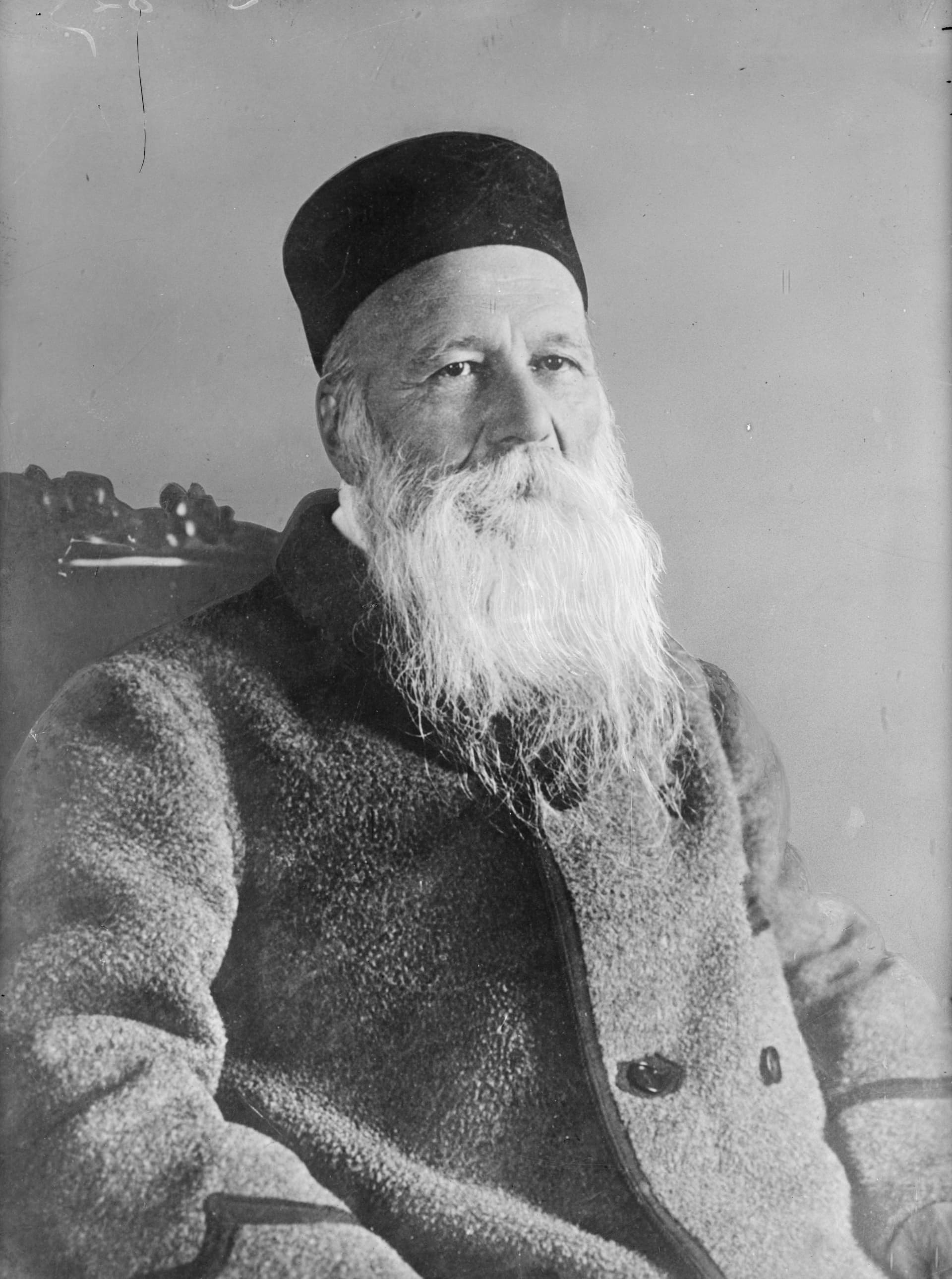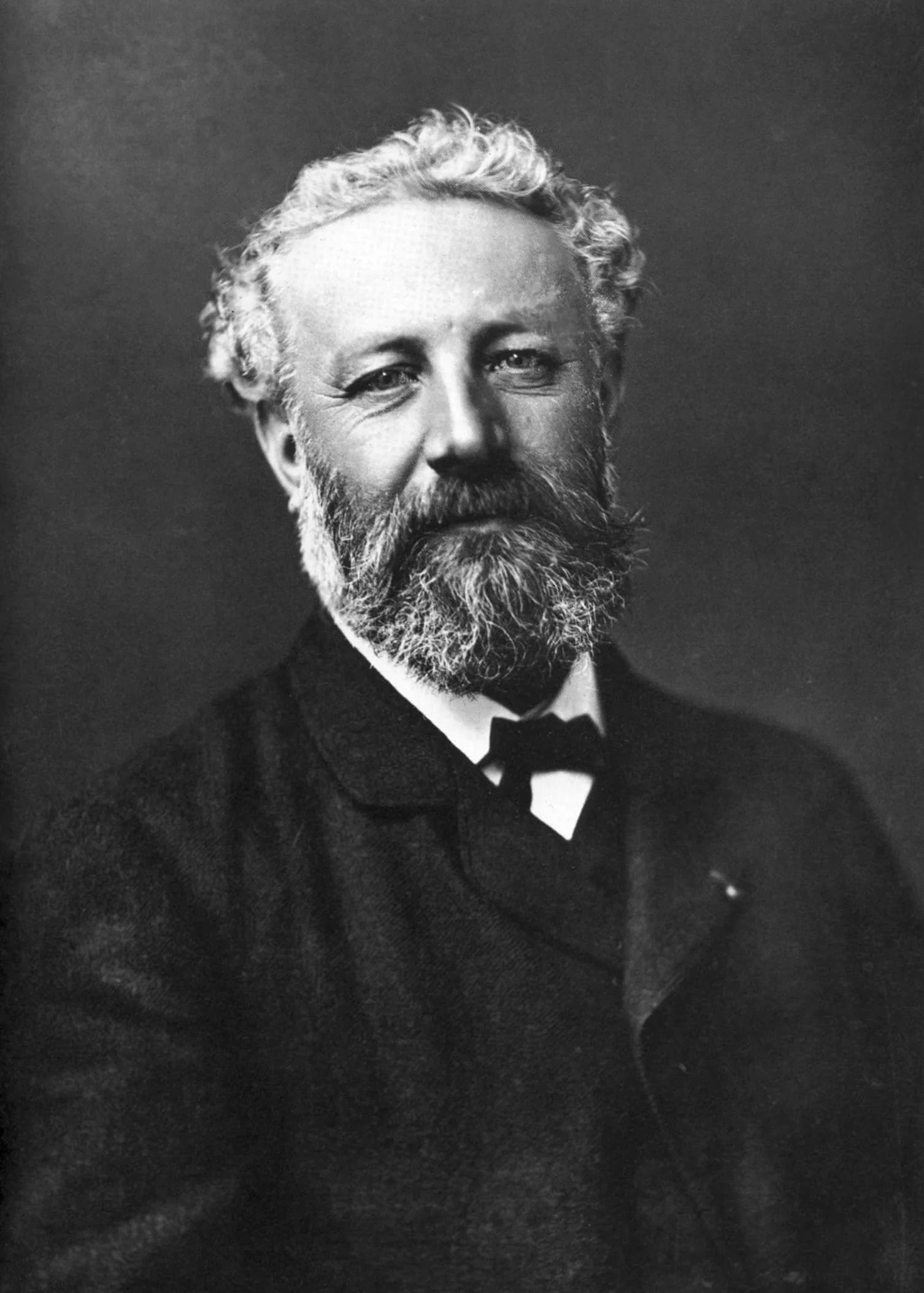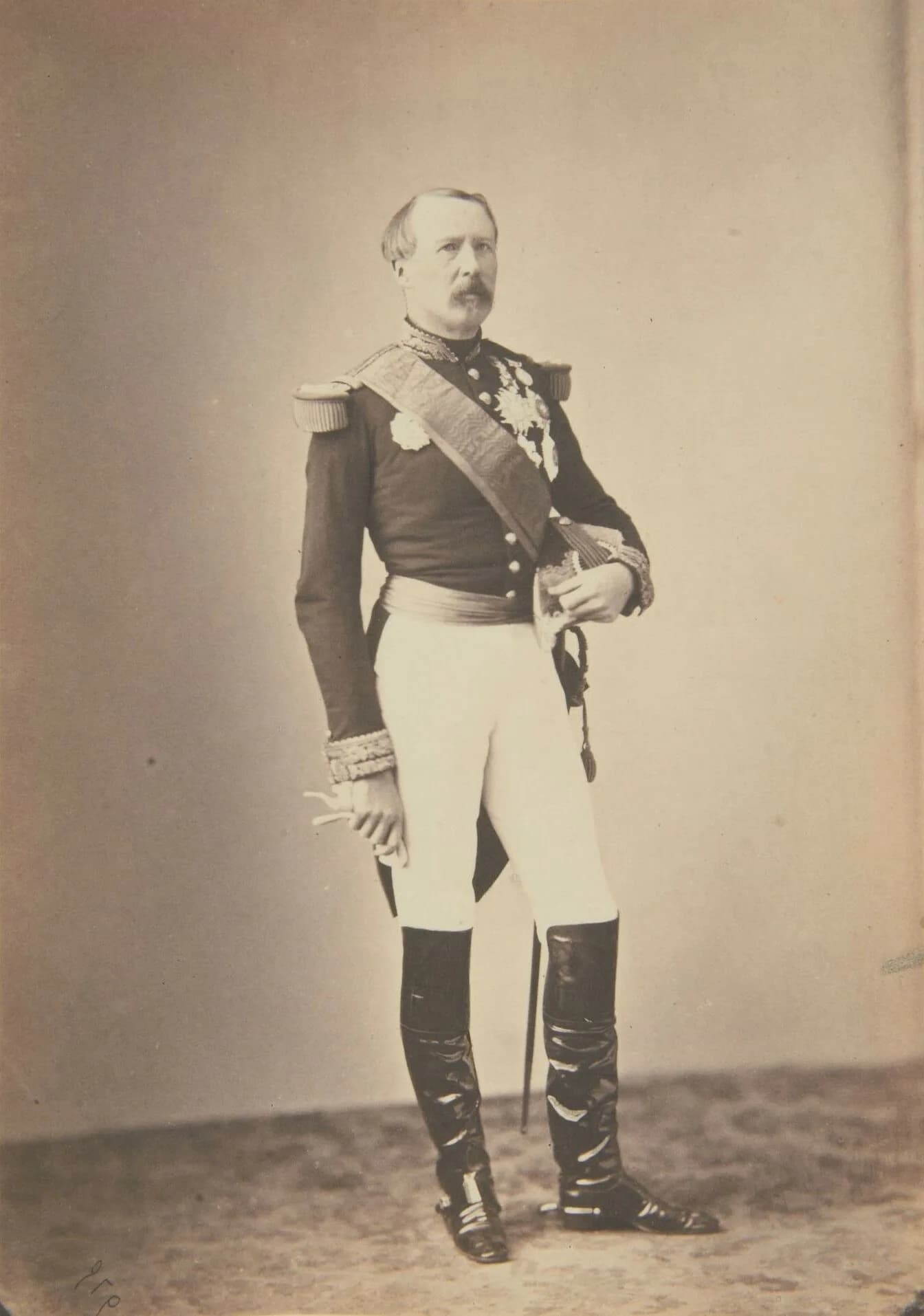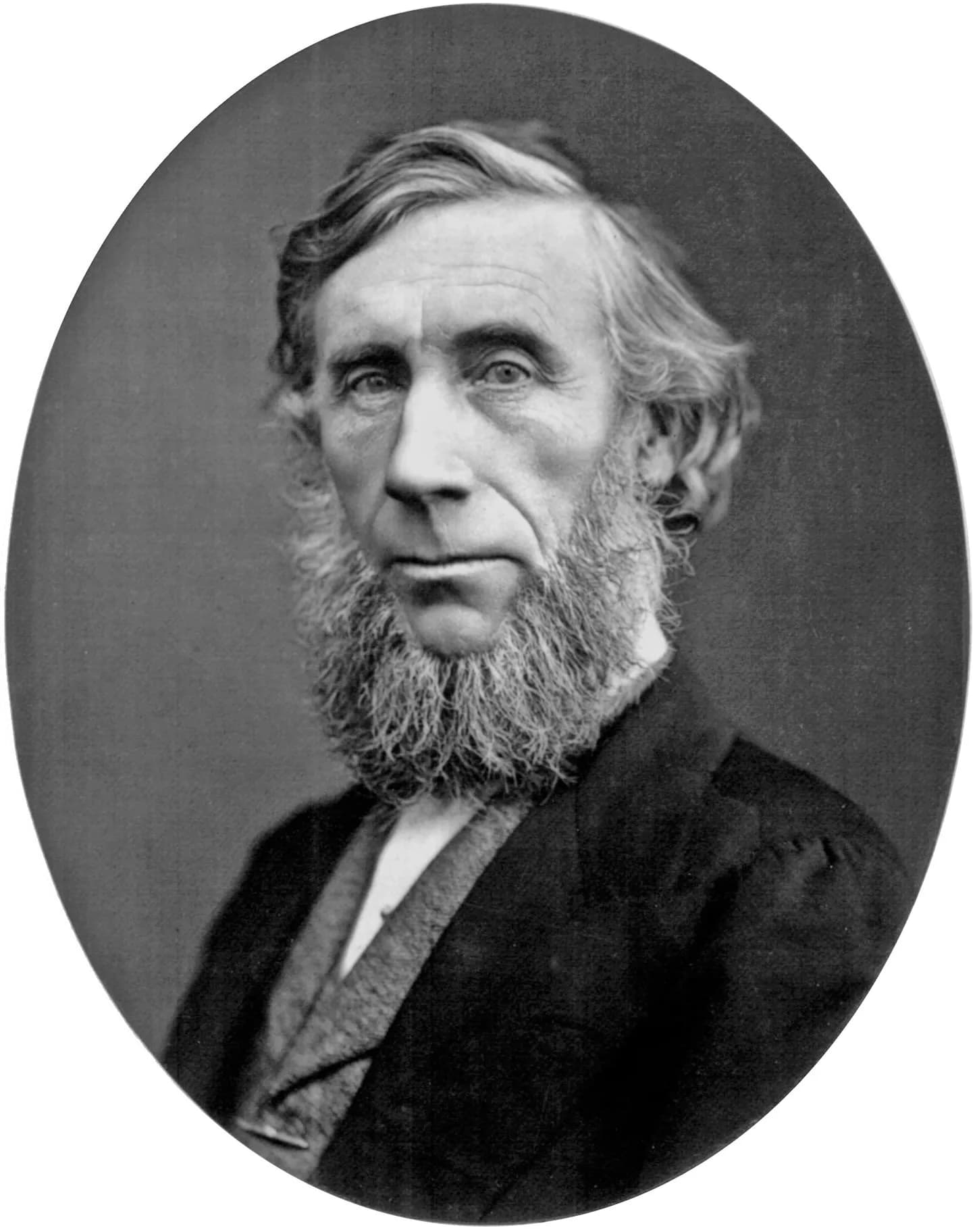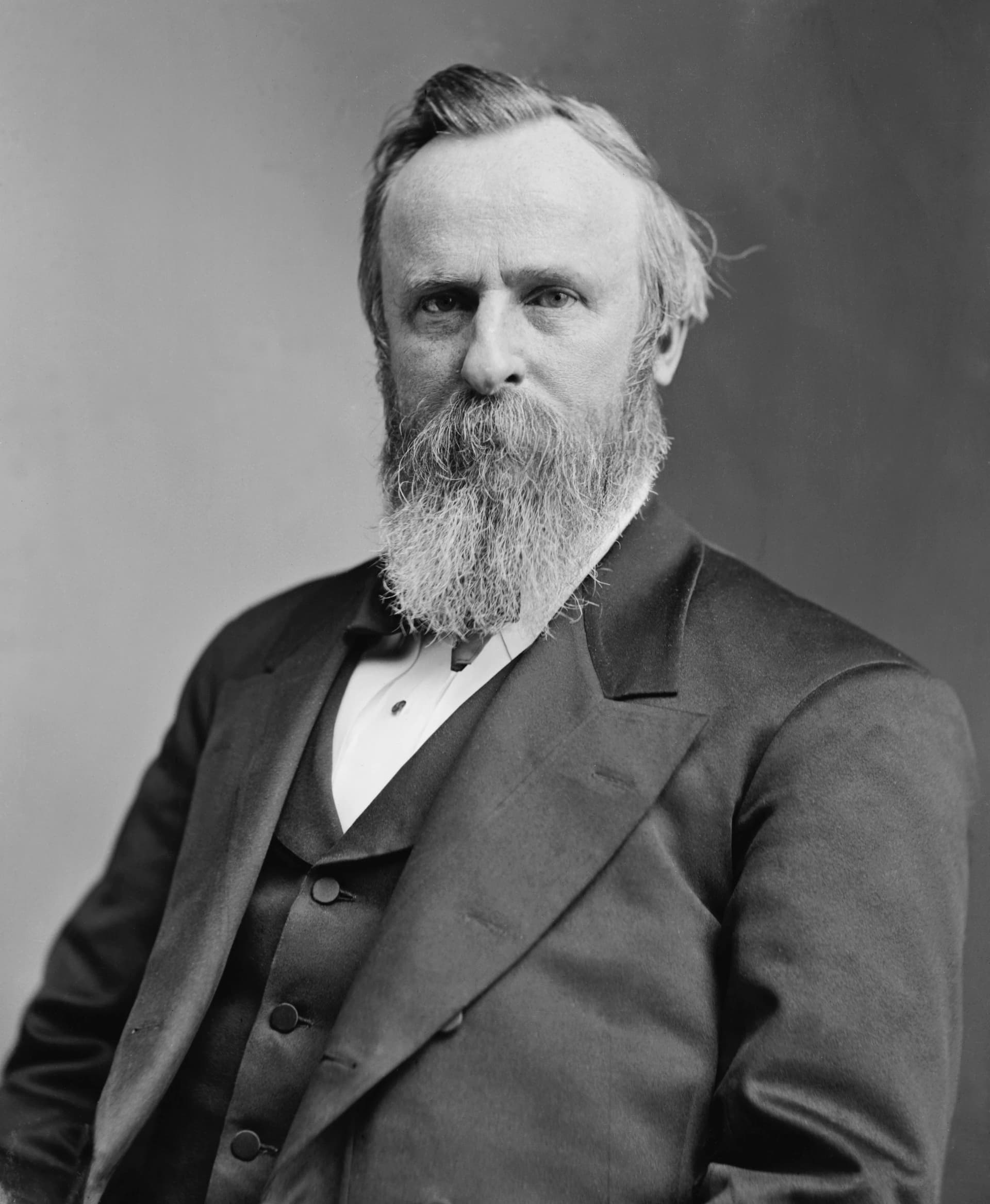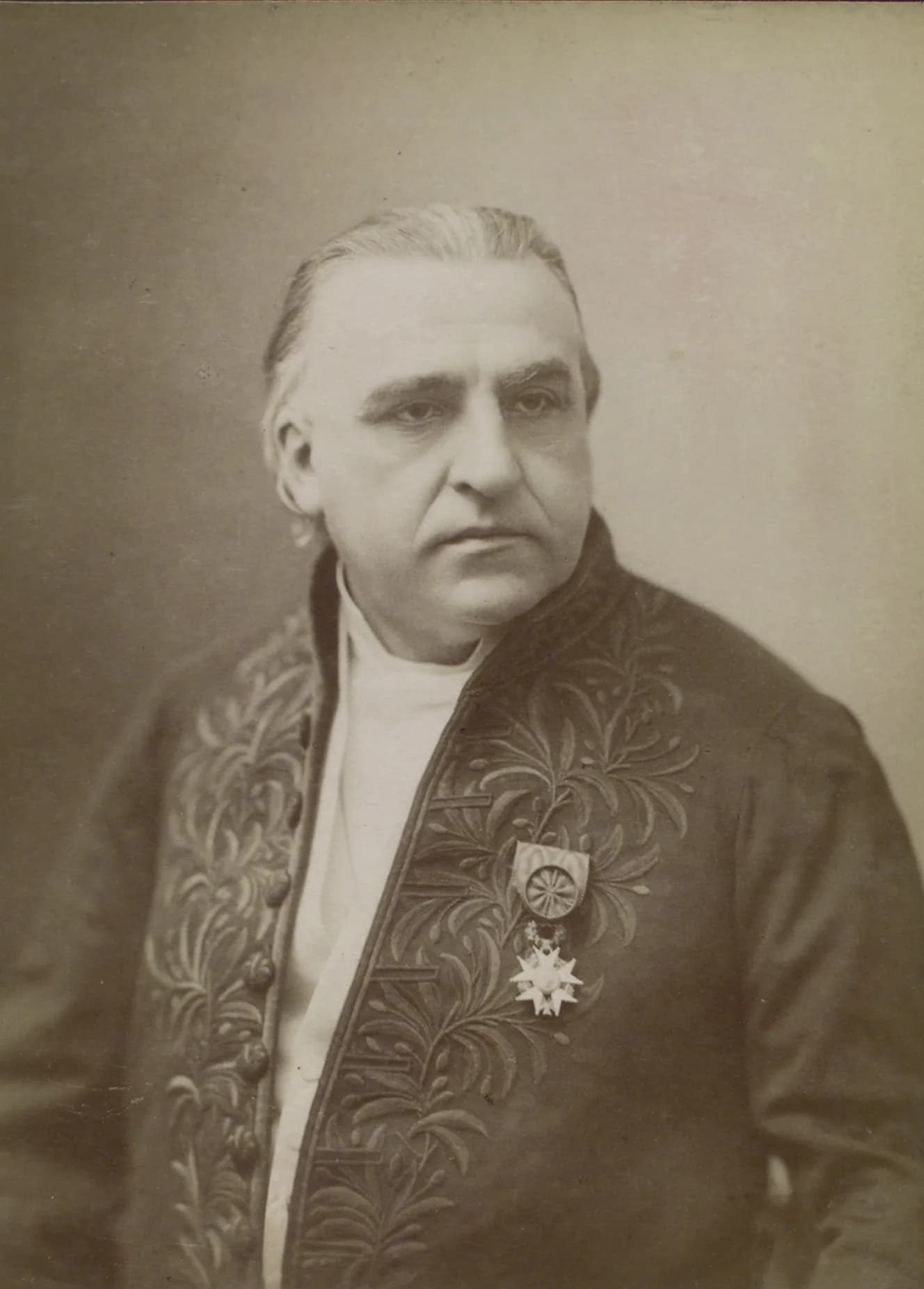
Nascut
April 21, 1828
Vouziers, France
Mort
March 5, 1893
rue Cassette, France
Conegut per
French literary critic and historian
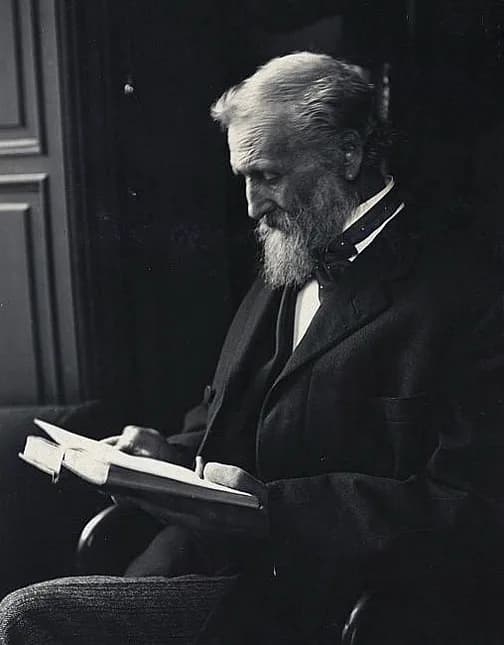
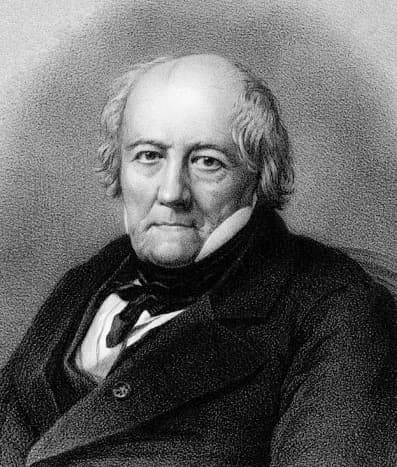
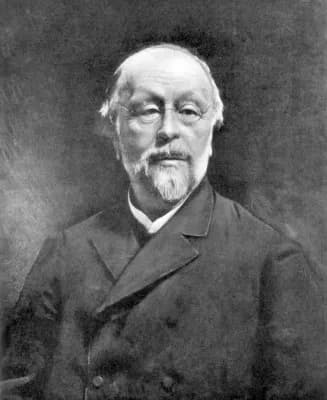
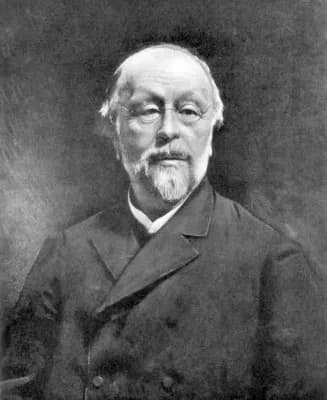
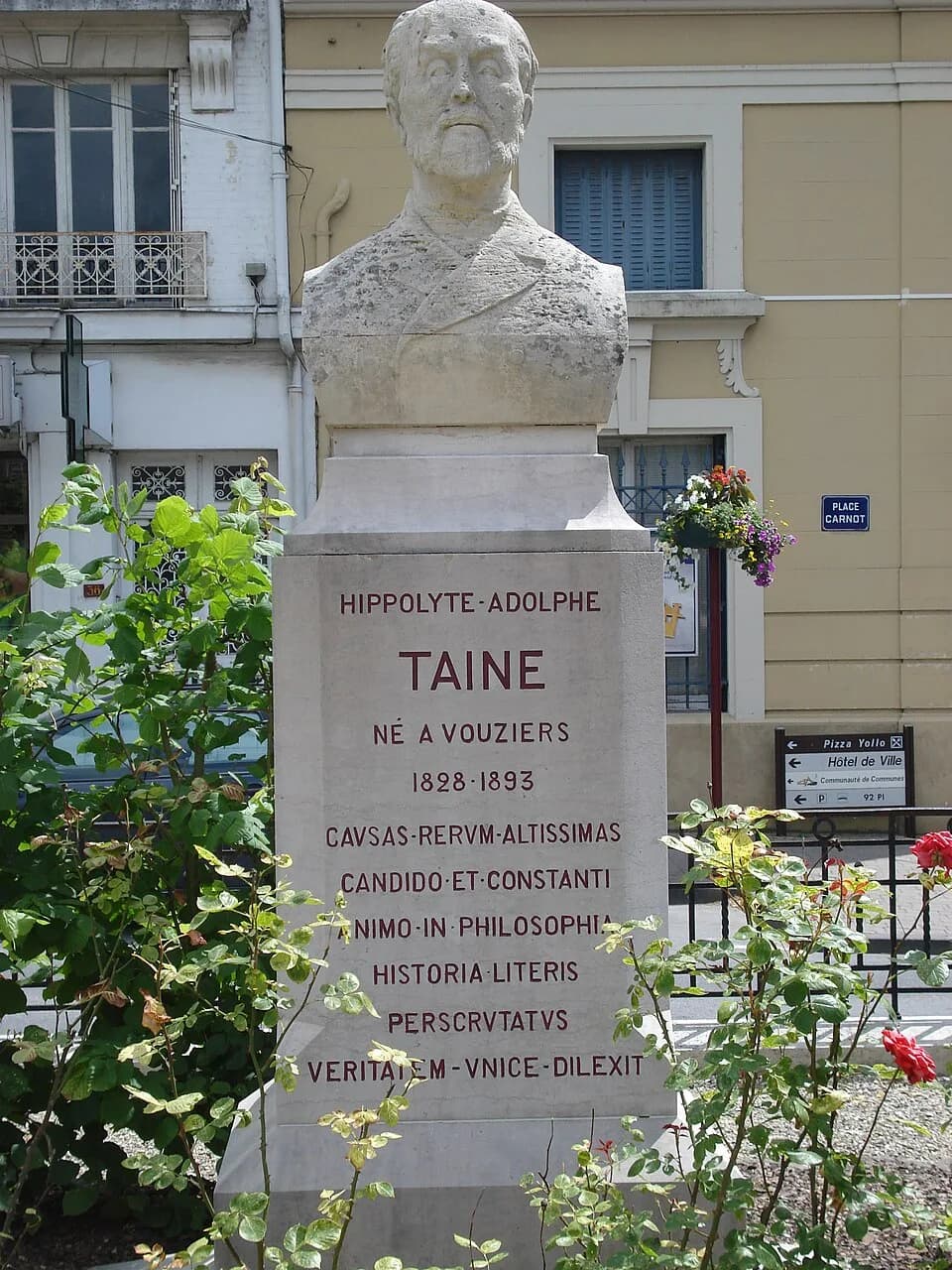
Hippolyte Taine (1828–1893) was France best known for French literary critic and historian.
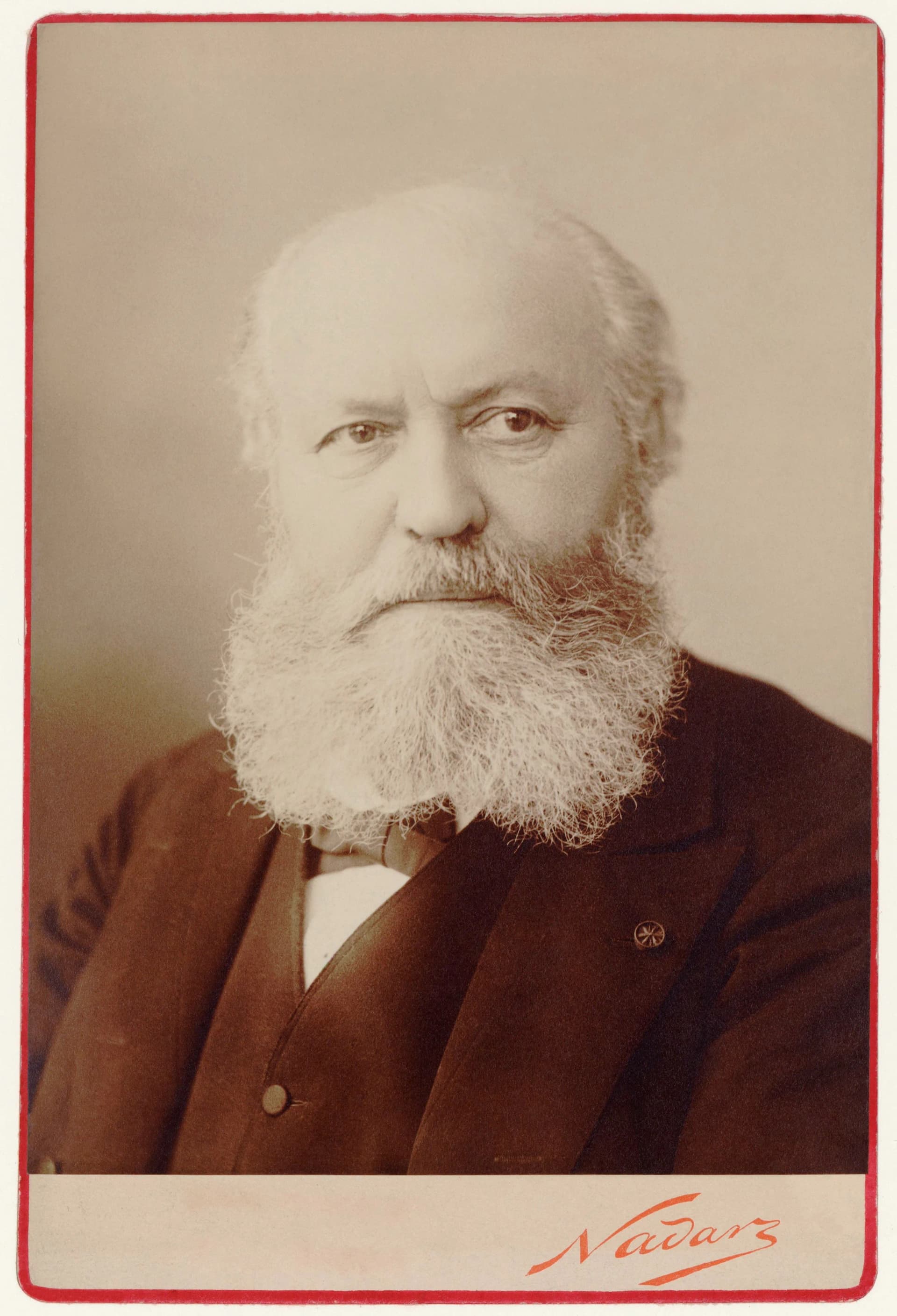
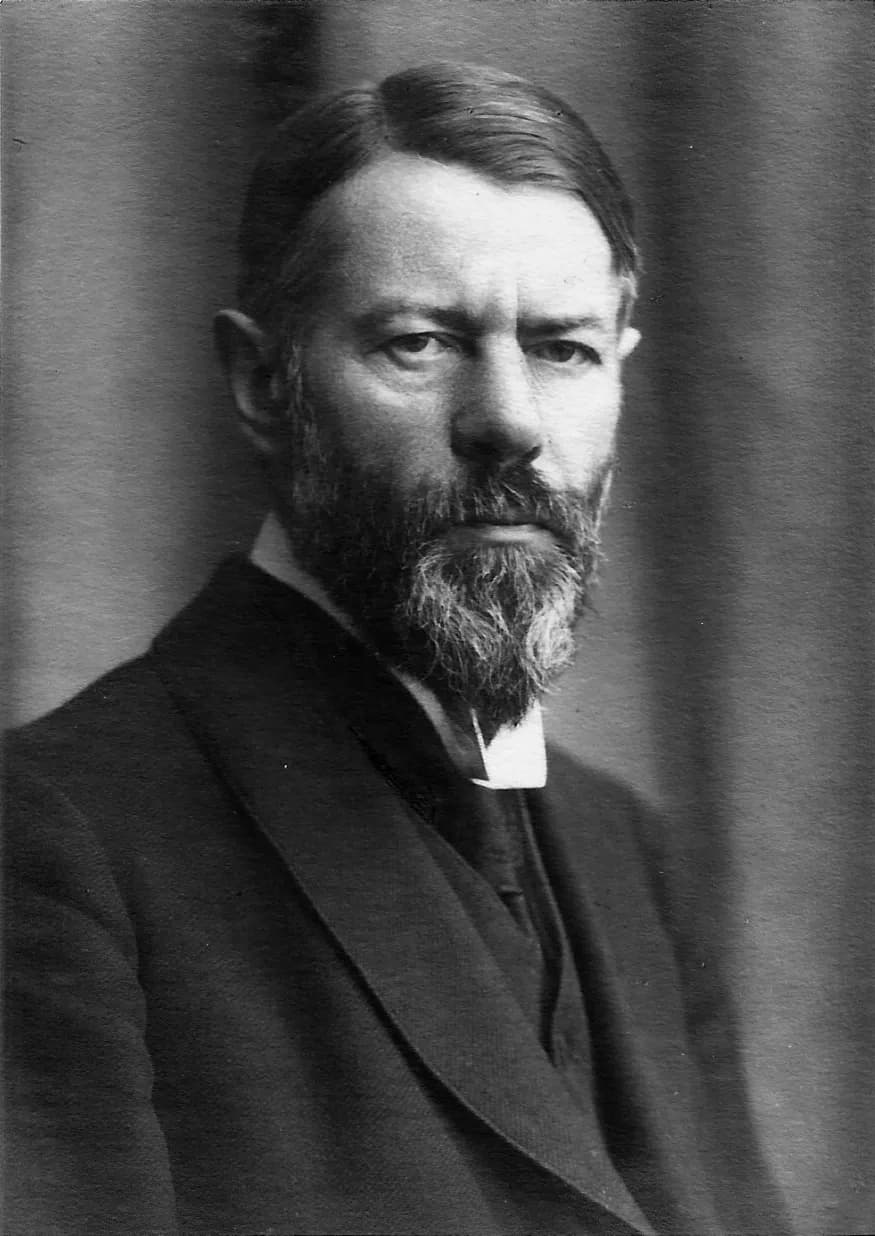
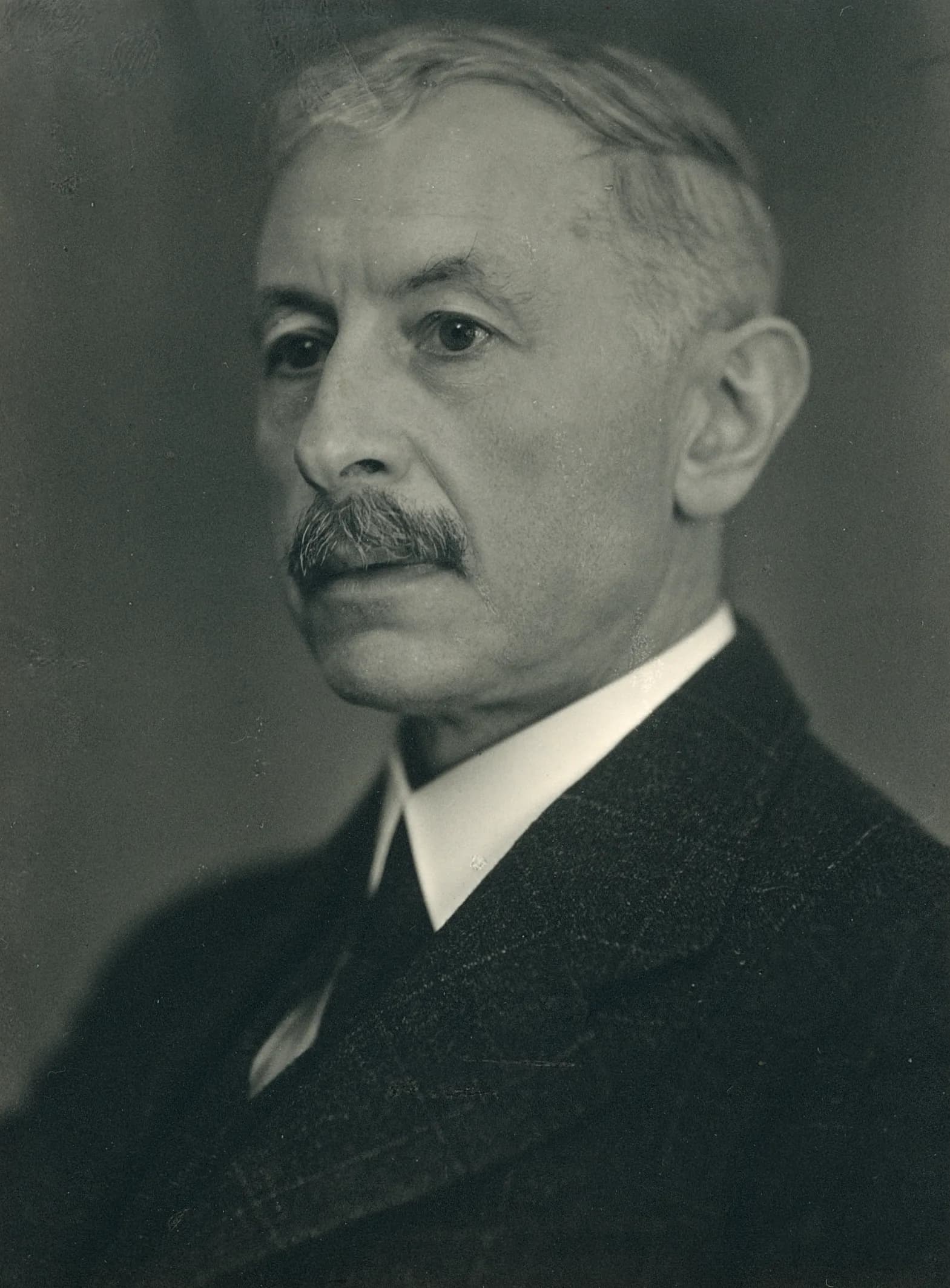
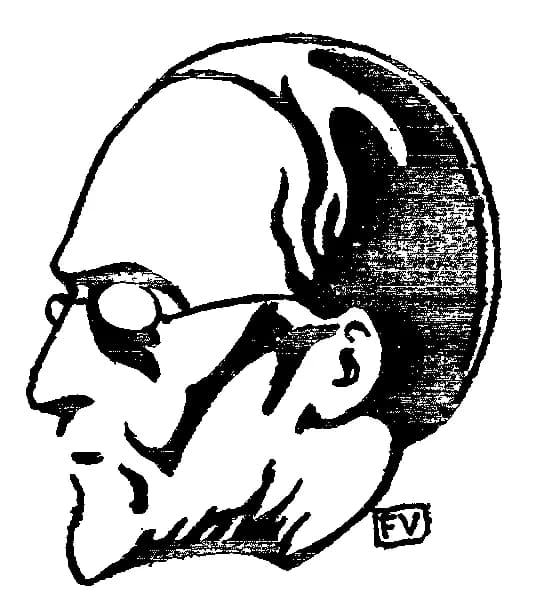
Hippolyte Taine (April 21, 1828 – March 5, 1893) was a French literary critic and historian from Vouziers, France. He was a chief theoretical influence on French naturalism and a pioneer of historicist criticism. Taine is remembered for his attempts to provide a scientific account of literature.
Una vida en moments
Els moments que van marcar una vida
Capítol
Capítols de la vida
Capítol 1 · 1828· Capítol 1 de 6
Early Life and Origins
Hippolyte Taine began his life in Vouziers, France, where he was born on April 21, 1828, in the quiet countryside of the Ardennes region. This provincial setting provided the initial backdrop for his intellectual development, though specific details regarding his family background or childhood upbringing beyond his birthplace are not extensively documented in the available information. His early experiences in Vouziers, however, likely fostered an early appreciation for the diverse societal factors that later became central to his critical framework.
Capítol 2· Capítol 2 de 6
Career Beginnings
Taine embarked on his distinguished career with a firm conviction that the study of literature and history could, and should, adhere to the same rigorous analytical principles found in the natural sciences. From the outset, he sought to move beyond subjective interpretations, aiming instead for an empirical and deterministic understanding of cultural phenomena. This foundational commitment positioned him as an innovator, challenging traditional scholarly methodologies and setting the stage for his subsequent theoretical contributions.
Capítol 3· Capítol 3 de 6
Major Achievements and Career Highlights
One of Hippolyte Taine's most significant achievements was his role as the chief theoretical influence on French naturalism, a powerful literary movement that advocated for extreme realism and determinism in artistic representation. He also emerged as a major proponent of sociological positivism, a philosophical system that emphasized empirical observation and the scientific method as the primary sources of knowledge, particularly concerning social phenomena. Taine's advocacy for these movements transformed the intellectual landscape, encouraging scholars and artists alike to consider the environmental and historical forces shaping human experience.
His pioneering work extended to the field of literary criticism, where Hippolyte Taine is widely regarded as one of the first practitioners of historicist criticism. This innovative approach contended that literary works must be understood within their historical, social, and cultural contexts, rather than as isolated creations. Indeed, literary historicism as a critical movement is frequently said to originate directly with his groundbreaking methodologies, firmly placing him at the forefront of critical theory. Taine’s tireless efforts to provide a scientific account of literature became a hallmark of his distinguished academic career.
Capítol 4· Capítol 4 de 6
Notable Works or Contributions
Hippolyte Taine's extensive bibliography showcases his diverse interests and prolific output across several academic disciplines, forming a substantial body of work. His monumental multi-volume series, "Les origines de la France contemporaine," stands as a cornerstone of his historical scholarship, meticulously dissecting the roots of modern France through critical periods such as "The ancient régime" and "The revolution." These comprehensive historical analyses exemplify his commitment to understanding societal evolution through a rigorous, contextual lens.
Beyond his historical projects, Taine delved into philosophical and art historical studies, notably with "On intelligence," which explored the mechanisms of human thought and perception using his characteristic empirical approach. His deep appreciation for the visual arts led to significant contributions like "The philosophy of art," systematically examining the conditions for artistic styles, and travelogues such as "Italy" and "Italy, Rome and Naples," offering insightful observations on Italian culture and art. These works collectively demonstrate his ability to traverse disciplinary boundaries in pursuit of comprehensive cultural understanding, including "Venetik ew venetkean nkarchʻutʻiwn," highlighting his global perspective.
Taine's critical acumen was also directed towards specific literary figures and broader academic publications, exemplified by his detailed study of "Charles Dickens" and his collected "Kriticheskie opyty." His academic influence is further reflected in titles like "HISTORY OF ENGLISH LITERATURE VOL.4" (2010), which garnered 13 citations, and "Italy, Florence and Venice" (2011), accruing 2 citations, both indicating their continued scholarly relevance. Even works like "A Tour through The Pyrenees," translated by J. Safford Fiske with illustrations by Gustave Doré (2012), showcase his observational skills, while the inclusion of "History of English Literature;; Volume 2" (2010) and mentions of "The contemporary text-oriented literary theories..." in his academic output, despite the latter being published posthumously, highlight the enduring engagement with his pioneering critical frameworks.
Capítol 5· Capítol 5 de 6
Later Years
In his later years, Hippolyte Taine continued to be a highly active and influential figure, observing the profound impact of his theoretical frameworks on contemporary thought and scholarship. His persistent dedication to intellectual inquiry meant he remained engaged with the academic community, continually refining his ideas and extending his analyses to new subjects. The sustained interest in his publications, even decades after their initial release, confirms his continued intellectual prominence.
His final years were characterized by the solidification of a formidable academic and critical legacy that had reshaped multiple disciplines. Hippolyte Taine peacefully passed away on March 5, 1893, in rue Cassette, France, concluding a lifetime devoted to rigorous thought and systematic inquiry. His death marked the end of an era for French intellectualism, but his ideas were by then firmly embedded in academic discourse, ensuring their enduring study and discussion.
Capítol 6· Capítol 6 de 6
Legacy and Impact
Hippolyte Taine's lasting legacy stems from his revolutionary approach to understanding literature, art, and history, which shifted academic paradigms toward contextual and deterministic analysis. By introducing and championing historicist criticism, he compelled scholars to consider the intricate interplay of background, environment, and moment in shaping cultural output. This framework fundamentally transformed how literary and historical texts were interpreted, moving beyond purely aesthetic or biographical readings.
His insistence on providing a "scientific account of literature" fundamentally altered the goals of literary criticism, encouraging empirical observation and systematic classification of artistic phenomena. Taine's influence is evident in the subsequent development of literary theory, where his ideas provided a critical foundation for later structuralist and post-structuralist inquiries into the determinants of meaning. He challenged the academic community to seek objective explanations for cultural expressions, paving the way for interdisciplinary studies.
The principles of sociological positivism, which Taine vigorously promoted, continue to inform research in fields ranging from sociology to cultural studies. His work serves as a powerful reminder of the importance of systematic inquiry and the examination of societal forces in understanding human creativity and intellectual development. Hippolyte Adolphe Taine, therefore, remains celebrated not merely for his vast bibliography, but for fundamentally changing the analytical tools and critical perspectives available to those who study the human condition.
FAQ
Preguntes freqüents
Quan va morir Hippolyte Taine?
Hippolyte Taine va morir el 5 de març del 1893 a rue Cassette, France, als 64 anys.
On va néixer Hippolyte Taine?
Hippolyte Taine va néixer a Vouziers, France el 21 d’abril del 1828.
Per què és més conegut/da Hippolyte Taine?
Hippolyte Taine és conegut/da sobretot per French literary critic and historian.
Quants anys tenia Hippolyte Taine quan va morir?
Hippolyte Taine tenia 64 anys en el moment de la seva mort.
Quina nacionalitat tenia Hippolyte Taine?
Hippolyte Taine era de France.
Cronologia
La vida en un cop d'ull
Galeria de fotos
Una vida en imatges
Feu clic a qualsevol polaroid per ampliar · 43 fotos
Codi QR
Comparteix aquesta biografia
Imprimeix i comparteix
Escaneja per visitar aquesta pàgina de biografia. Imprimeix per a esdeveniments, exposicions o materials educatius.