Nascut
July 12, 1817
Wheeler-Minot Farmhouse, United States
Mort
May 6, 1862
Concord, United States
Conegut per
American essayist, poet, and philosopher
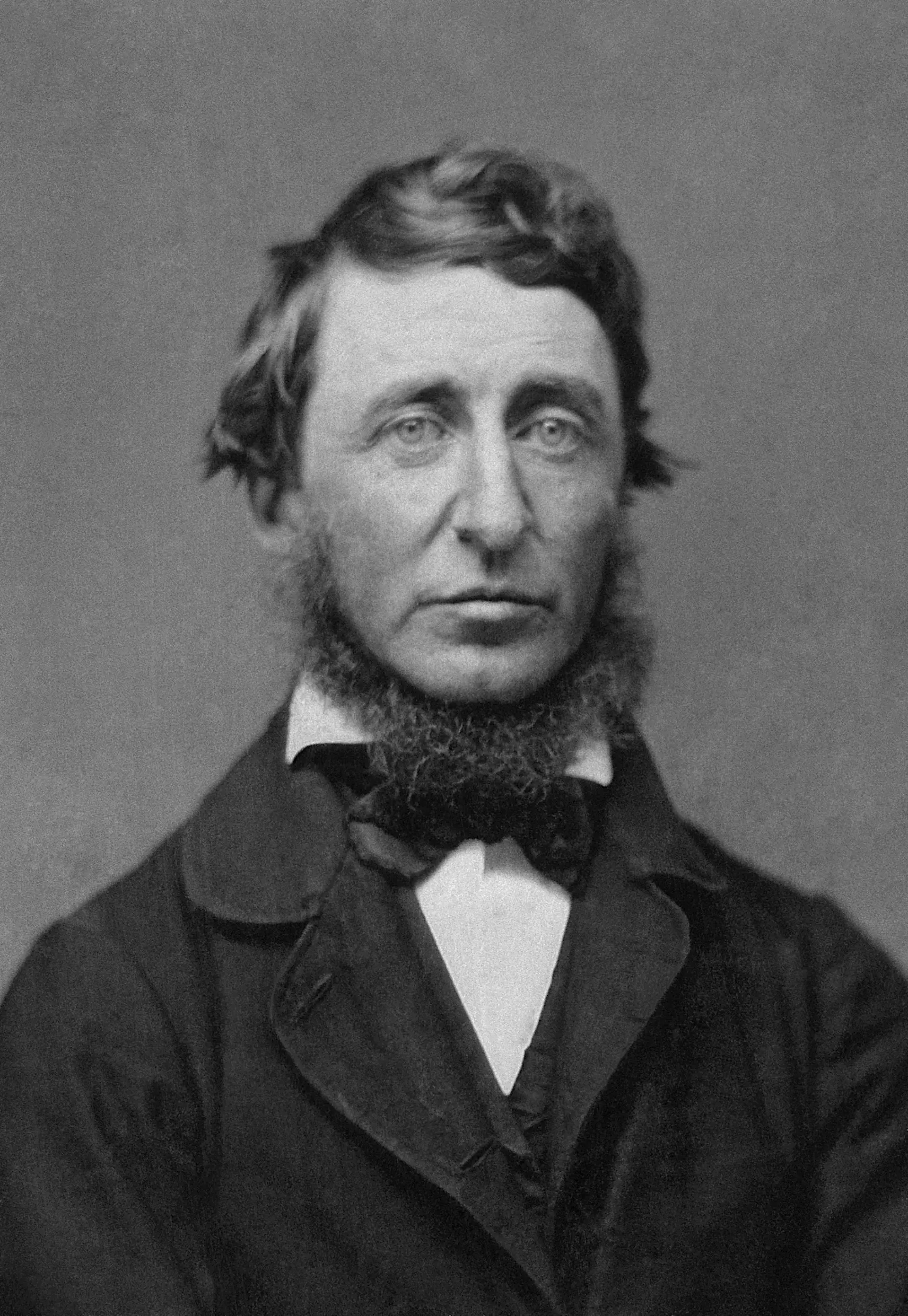
Henry David Thoreau (1817–1862) was United States best known for American essayist, poet, and philosopher.
Henry David Thoreau (July 12, 1817 – May 6, 1862) was an American naturalist, essayist, poet, and philosopher. He is renowned for his book Walden, a reflection on simple living, and his essay "Civil Disobedience," advocating citizen defiance against unjust states. His writings continue to inspire environmentalism and social activism.
Una vida en moments
Els moments que van marcar una vida

Capítol
Capítols de la vida
Capítol 1 · 1817· Capítol 1 de 6
Early Life and Origins
Henry David Thoreau was born on July 12, 1817, in Concord, United States, specifically at the Wheeler-Minot Farmhouse, marking the beginning of a life deeply connected to the natural landscape. His upbringing in Concord, a vibrant intellectual center, fostered a deep appreciation for independent thought and the wonders of the wilderness. This early environment, surrounded by nature and stimulating conversations, profoundly shaped his philosophical outlook and his later literary work. The rural setting of his youth provided the initial inspiration for his later dedication to observing and reflecting upon the natural world.
Capítol 2· Capítol 2 de 6
Career Beginnings
Thoreau began his varied professional life as a writer, naturalist, and poet, roles that allowed him to express his distinctive perspectives on society and nature. He also worked as a translator, environmentalist, and diarist, constantly expanding the breadth of his intellectual and practical pursuits. Early in his career, he engaged with abolitionist ideals and philosophical inquiry, becoming a leading transcendentalist alongside other prominent figures. These early experiences laid the groundwork for his most influential works, demonstrating his commitment to living thoughtfully and ethically.
Capítol 3· Capítol 3 de 6
Major Achievements and Career Highlights
Among Thoreau's most significant achievements was his articulation of the principles of transcendentalism, emphasizing individual intuition and the spiritual connection to nature. His two most famous contributions, "Walden, or Life in the Woods" and the essay "Civil Disobedience," became cornerstones of American thought and global activism. "Walden" offered a powerful reflection on simple living and self-sufficiency, derived from his two-year experiment at Walden Pond. "Civil Disobedience" advocated for moral resistance against unjust government actions, influencing countless movements for social change.
Capítol 4 · 1854· Capítol 4 de 6
Notable Works and Contributions
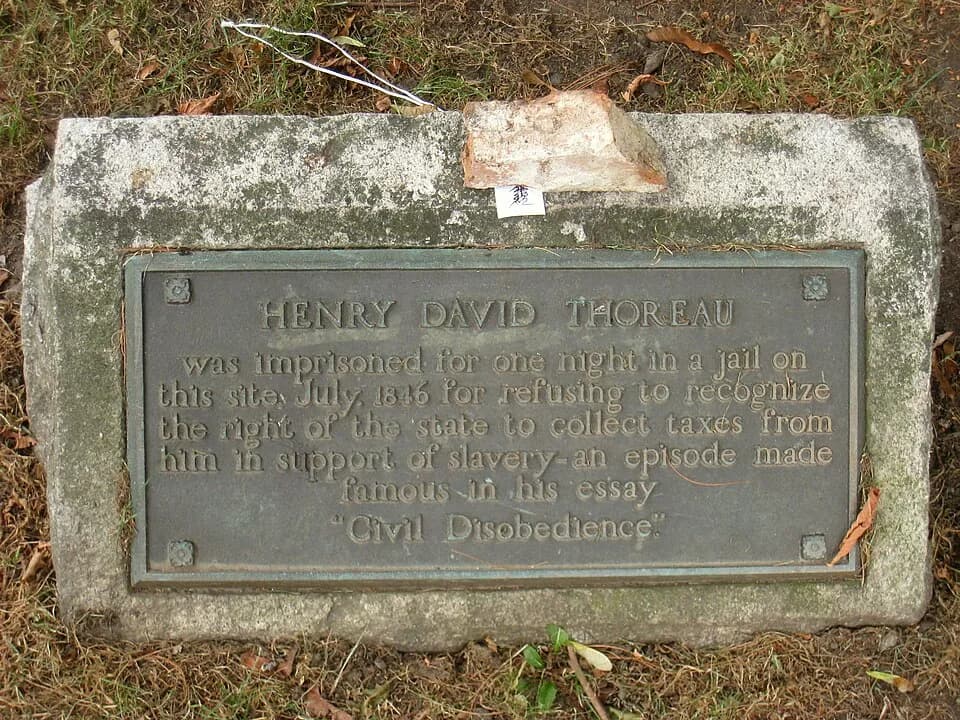
Thoreau's literary legacy is anchored by his seminal work, "Walden, or Life in the Woods," published in 1854, which meticulously details his experiences and philosophical reflections during his retreat to a cabin near Walden Pond. This book stands as a profound meditation on independence, observation, and the essential aspects of human existence, urging readers to simplify their lives. His powerful essay "Civil Disobedience," first published in 1849, emerged from his refusal to pay a poll tax in protest of slavery and the Mexican-American War, presenting a compelling argument for moral conscience over state law. Another significant early work is "A Week on the Concord and Merrimack Rivers," published in 1849, which chronicles a boating trip and interweaves elements of travelogue, history, and philosophical discourse.
Beyond these widely recognized texts, Thoreau's writings include numerous poems, such as "My life has been the poem," which explores the unity of life and art, and "The Summer Rain," celebrating the allure of natural spontaneity over structured learning. His poetic collection "Poems of Nature" captures his deep reverence for the environment, while "Familiar Letters of Henry David Thoreau," edited by F. B. Sanborn, provides personal insights into his thoughts and relationships. The Writings of Henry David Thoreau, spanning multiple volumes like V. 2, V. 3, V. 5, and V. 6, showcases the breadth of his essays, scientific observations, and journal entries. His continuing relevance is highlighted by modern academic works, with "A Week on the Concord and Merrimack Rivers" receiving 100 citations in 2024, showing the enduring scholarly interest in his work.
Thoreau also penned numerous poems, many reflecting his profound connection to the natural world and his philosophical outlook. "Within the Circuit of This Plodding Life" contemplates moments of pure beauty within daily routines, using vibrant natural imagery. His poem "Prayer" speaks to personal integrity and aspiring to one's highest self, while "Inspiration" contemplates the delicate balance between human effort and divine collaboration in creative work. These poetic expressions offer intimate glimpses into his perception of life, nature, and spirituality, serving as powerful distillations of his broader philosophical stance.
Capítol 5 · 1862· Capítol 5 de 6
Later Years
Henry David Thoreau continued his rigorous intellectual and literary pursuits until his passing on May 6, 1862, in Concord, United States, having made enduring contributions to American letters. His final years were characterized by the organization of his vast collection of journal entries and further engagement with natural history. Despite declining health, he maintained his commitment to documenting observations and developing his philosophical ideas on nature and society. He died relatively young, but his output during his lifetime and the subsequent publication of his journals ensured his lasting impact.
Capítol 6· Capítol 6 de 6
Legacy and Impact
The enduring legacy of Henry David Thoreau is observable across multiple disciplines, particularly in environmentalism, civil liberties, and American literature. He is often regarded as an early ecologist and environmentalist due to his advocacy for wildness and detailed natural observations, inspiring movements for conservation and sustainable living. The principles of nonviolent resistance outlined in "Civil Disobedience" directly influenced iconic figures such as Mahatma Gandhi and Martin Luther King Jr., demonstrating the global reach of his ethical arguments. Thoreau's work encourages critical thought, self-reliance, and a deep, personal connection to the natural world, ensuring his position as a foundational figure in American intellectual history.
FAQ
Preguntes freqüents
Quan va morir Henry David Thoreau?
Henry David Thoreau va morir el 6 de maig del 1862 a Concord, United States, als 44 anys.
On va néixer Henry David Thoreau?
Henry David Thoreau va néixer a Wheeler-Minot Farmhouse, United States el 12 de juliol del 1817.
Per què és més conegut/da Henry David Thoreau?
Henry David Thoreau és conegut/da sobretot per American essayist, poet, and philosopher.
Quants anys tenia Henry David Thoreau quan va morir?
Henry David Thoreau tenia 44 anys en el moment de la seva mort.
Quina nacionalitat tenia Henry David Thoreau?
Henry David Thoreau era de United States.
Cronologia
La vida en un cop d'ull
Galeria de fotos
Una vida en imatges
Feu clic a qualsevol polaroid per ampliar · 23 fotos
Codi QR
Comparteix aquesta biografia
Imprimeix i comparteix
Escaneja per visitar aquesta pàgina de biografia. Imprimeix per a esdeveniments, exposicions o materials educatius.