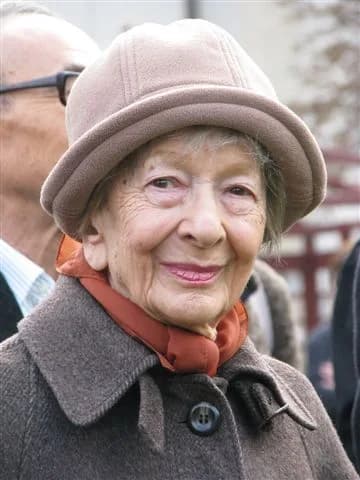
Rođen/a
July 2, 1923
Prowent, Poland
Umro/la
February 1, 2012
Kraków, Poland
Poznat/a po
Polish poet, Nobel Prize winner
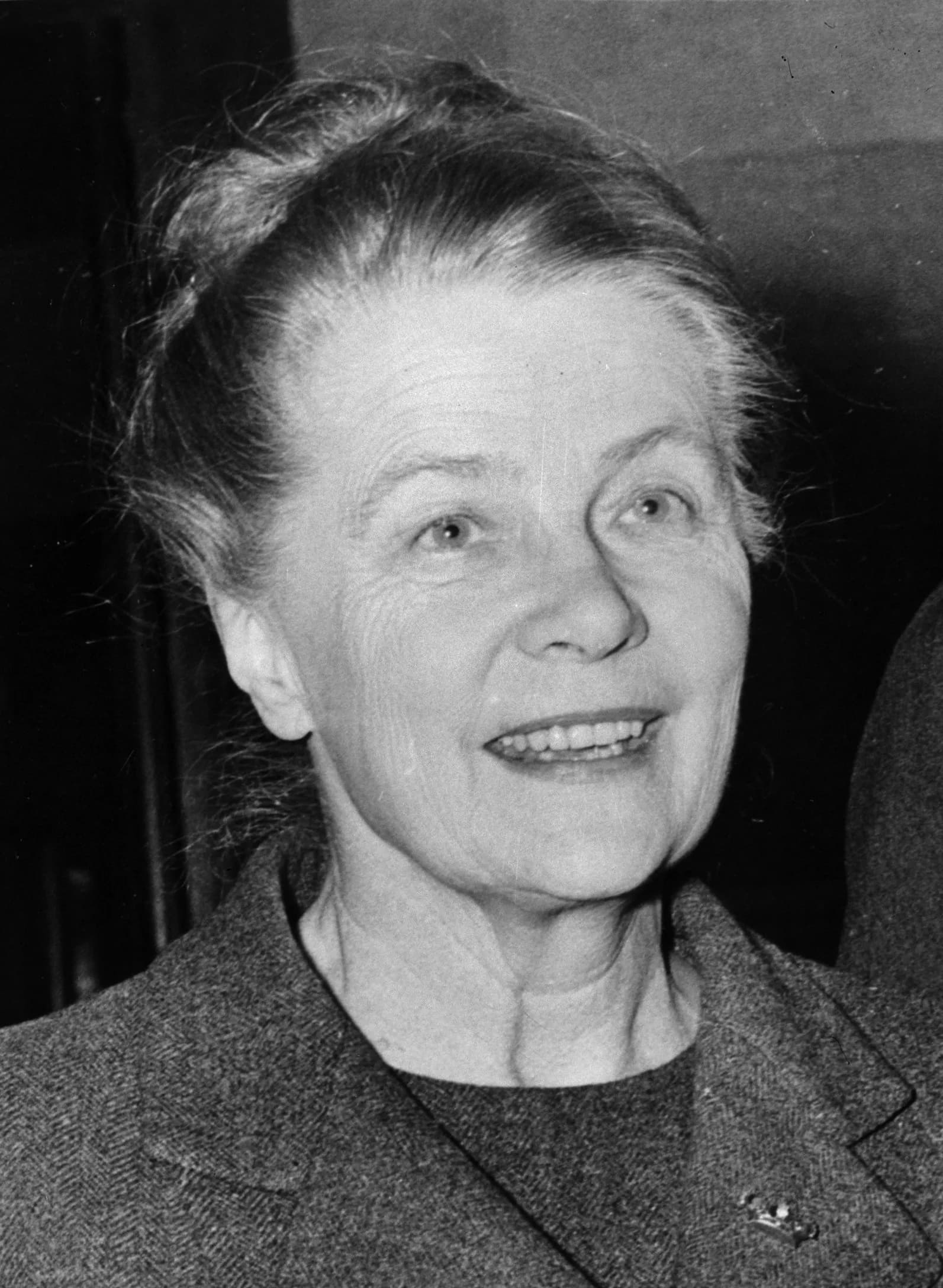
Wisława Szymborska (1923–2012) was Poland best known for Polish poet, Nobel Prize winner.
Maria Wisława Anna Szymborska (1923-2012) was a Polish poet and Nobel Prize winner from Kraków. She received the 1996 Nobel Prize in Literature for poetry marked by ironic precision that illuminated human reality. Her accessible yet profound work achieved remarkable popularity in Poland.
Život u trenucima
Trenuci koji su oblikovali život
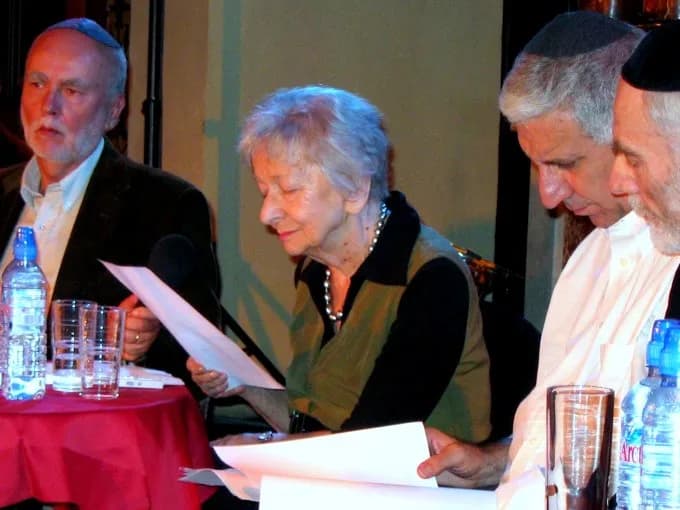
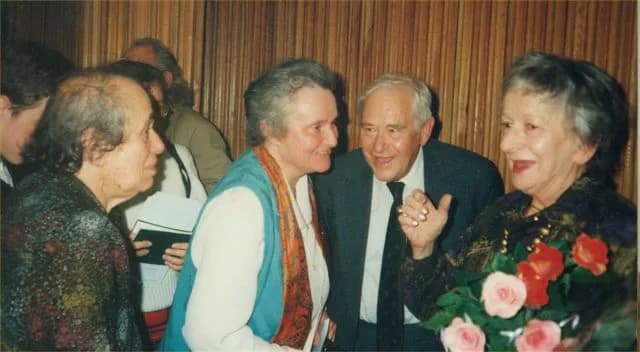
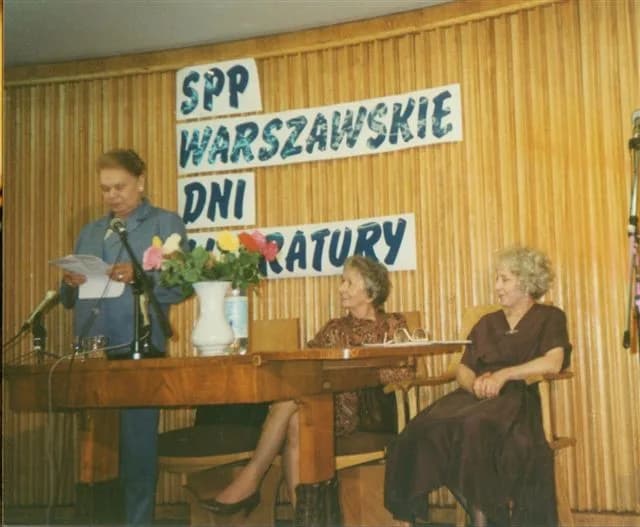
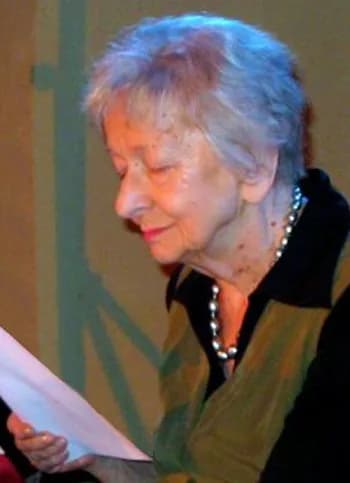
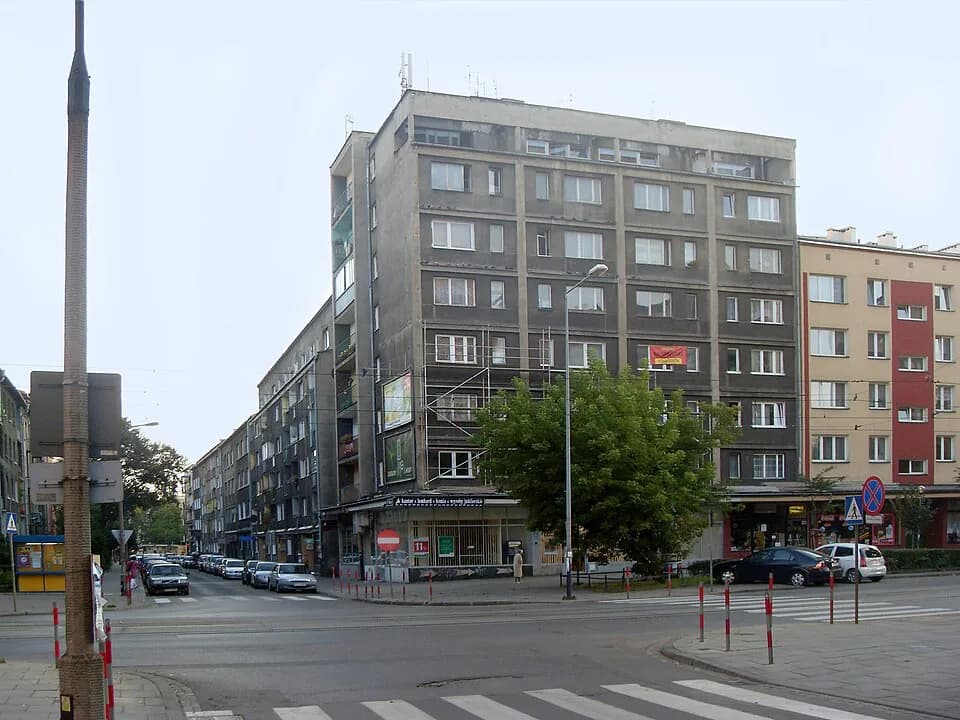
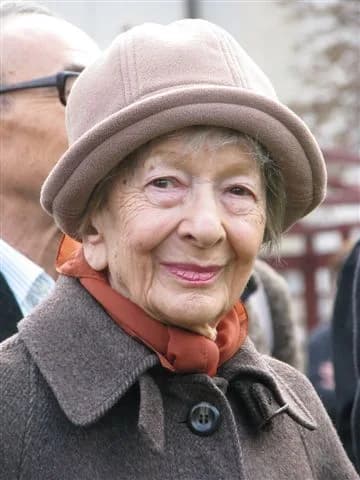
Poglavlje
Životna poglavlja
Poglavlje 1 · 1923· Poglavlje 1 od 7
Early Life and Origins
Wisława Szymborska was born on July 2, 1923, in Prowent, Poland, during a period of significant political and social transformation in the country. Her full name, Maria Wisława Anna Szymborska, reflected the Polish naming traditions of her era. Growing up in Poland during the interwar period, she witnessed firsthand the dramatic changes that would later influence her poetic voice and worldview.
Poglavlje 2· Poglavlje 2 od 7
Career Beginnings
Szymborska's path to poetry was not immediate or straightforward. Among her various professions, she worked as a mechanic, demonstrating the practical, grounded approach that would later characterize her literary work. She also served as a translator and literary critic, roles that deepened her understanding of language and literature. These diverse professional experiences contributed to the accessibility and relatability that made her poetry resonate with ordinary readers.
Poglavlje 3 · 1996· Poglavlje 3 od 7
Major Achievements and Career Highlights
The pinnacle of Szymborska's recognition came in 1996 when she received the Nobel Prize in Literature. The Swedish Academy honored her "for poetry that with ironic precision allows the historical and biological context to come to light in fragments of human reality." This award brought international attention to her work and cemented her status as one of the most important voices in contemporary poetry.
Her approach to poetry was characterized by its philosophical depth combined with everyday observations. She possessed a unique ability to find the extraordinary in the ordinary, often examining human existence through seemingly simple moments and objects. This distinctive style made complex philosophical ideas accessible to a broad readership.
Poglavlje 4· Poglavlje 4 od 7
Personal Life
Szymborska made Kraków her home early in her adult life and remained there until her death. The city became central to her identity as both a person and a poet. Kraków's rich cultural heritage and intellectual atmosphere provided the perfect environment for her literary development. Her deep connection to this historic Polish city influenced much of her work and perspective on life.
Poglavlje 5· Poglavlje 5 od 7
Notable Works and Contributions
Among her notable works were pieces that appeared in various international literature collections, including "Miłość od pierwszego wejrzenia" (Love at First Sight) and "Sto pociech" (One Hundred Consolations). Her poems were featured in prestigious educational anthologies such as Prentice Hall Literature collections, introducing her work to students worldwide. One of her most quoted pieces, "Some like poetry," reflected her humble yet realistic view of poetry's place in society.
Her role as an essayist and literary critic complemented her poetry, allowing her to engage with literature from multiple perspectives. This multifaceted approach to writing enriched both her creative work and her critical insights. Her translations also contributed to cross-cultural literary exchange, bringing foreign works to Polish readers while helping to shape her own artistic sensibilities.
Poglavlje 6· Poglavlje 6 od 7
Later Years
Following her Nobel Prize recognition, Szymborska continued to write and remained active in literary circles until her later years. She maintained her residence in Kraków, where she had built a lifetime of connections and memories. Her later work continued to exhibit the same ironic precision and philosophical depth that had earned her international acclaim.
Despite achieving global recognition, she remained grounded in her Polish identity and continued to explore themes that resonated with both local and universal human experiences. Her commitment to her craft never wavered, even as her health began to decline in her final years.
Poglavlje 7 · 2012· Poglavlje 7 od 7
Legacy and Impact
Wisława Szymborska passed away on February 1, 2012, in Kraków, the city she had called home for most of her adult life. Her death marked the end of an era in Polish literature, but her influence continues to inspire poets and readers worldwide. The Nobel Prize recognition brought Polish poetry to international attention and demonstrated how local, specific observations could achieve universal relevance.
Her unique voice in literature proved that poetry could be both intellectually rigorous and emotionally accessible. She challenged the notion that serious poetry must be difficult or obscure, instead demonstrating how profound insights could emerge from careful attention to everyday life. Her work continues to be studied and celebrated, ensuring that her distinctive perspective on human existence remains alive for future generations.
Česta pitanja
Često postavljana pitanja
Kada je umro/la Wisława Szymborska?
Wisława Szymborska je umro/la 1. februar 2012. u Kraków, Poland u 88. godini života.
Gdje je rođen(a) Wisława Szymborska?
Wisława Szymborska je rođen(a) u Prowent, Poland 2. juli 1923..
Po čemu je Wisława Szymborska najpoznatiji(a)?
Wisława Szymborska je najpoznatiji(a) po Polish poet, Nobel Prize winner.
Koliko je Wisława Szymborska imao/la godina u trenutku smrti?
Wisława Szymborska je imao/la 88 godina u trenutku smrti.
Kojeg porijekla je bio/la Wisława Szymborska?
Wisława Szymborska je bio/la iz Poland.
Vremenska linija
Život u kratkom pregledu
Galerija fotografija
Život u slikama
Kliknite bilo koji polaroid za uvećanje · 50 fotografija
QR kod
Podijelite ovu biografiju
Štampaj i podijeli
Skenirajte za posjetu ovoj biografskoj stranici. Štampajte za događaje, izložbe ili obrazovne materijale.