Rođen/a
December 15, 1907
Rio de Janeiro, Brazil
Umro/la
December 5, 2012
Rio de Janeiro, Brazil
Poznat/a po
Brazilian architect
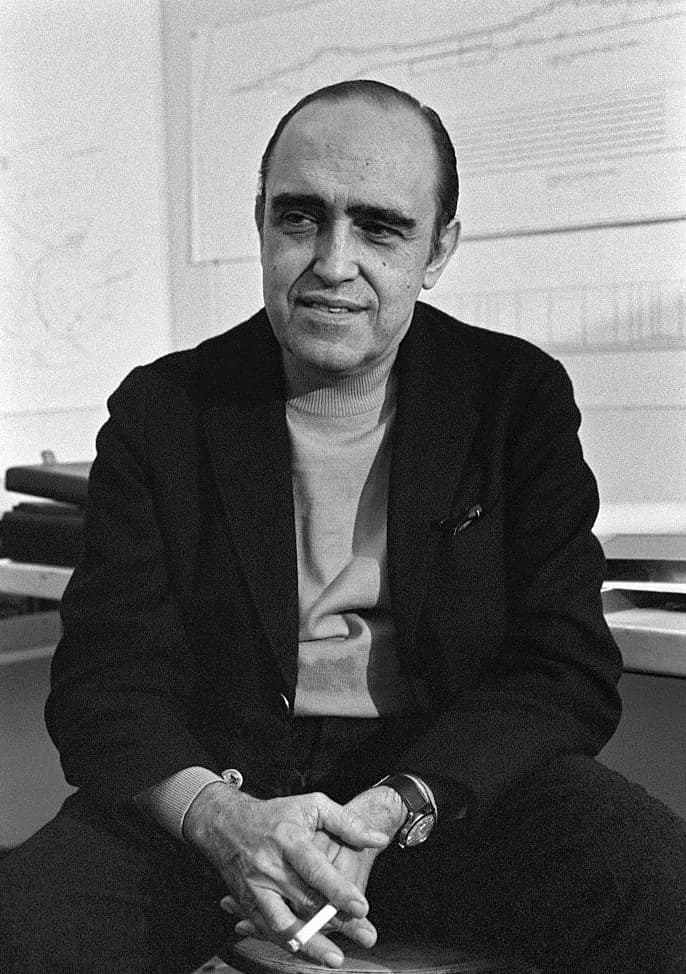
Oscar Niemeyer (1907–2012) was Brazil best known for Brazilian architect.
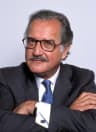
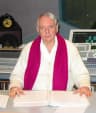
Oscar Ribeiro de Almeida Niemeyer Soares Filho (December 15, 1907 – December 5, 2012) was a Brazilian architect. He was best known for designing civic buildings for Brasília and exploring the aesthetic possibilities of reinforced concrete. His work greatly influenced modern architecture.
Poglavlje
Životna poglavlja
Poglavlje 1· Poglavlje 1 od 7
Early Life and Origins
Oscar Niemeyer was born and spent his entire life in Rio de Janeiro, Brazil, the city of his birth and death. This vibrant Brazilian city provided the backdrop for his formative years and much of his professional development. While specific details of his upbringing are not provided in available records, his roots in Rio de Janeiro undoubtedly informed his unique architectural perspective and connection to Brazilian culture. His early environment contributed to the distinct blend of modernism and local sensibility found in his designs.
Poglavlje 2· Poglavlje 2 od 7
Career Beginnings
Niemeyer's career began to take shape as he explored the aesthetic potential of architecture. He quickly established himself as a key figure, moving beyond traditional forms to embrace a modernist approach. One of his early significant international collaborations was on the headquarters of the United Nations in New York, where he worked alongside other prominent architects. This project showcased his emerging talent on a global stage, demonstrating his capacity for innovative design and collaboration within a complex, international setting. His contributions to this landmark building solidified his reputation early in his distinguished career.
Poglavlje 3 · 1960· Poglavlje 3 od 7
Major Achievements and Career Highlights
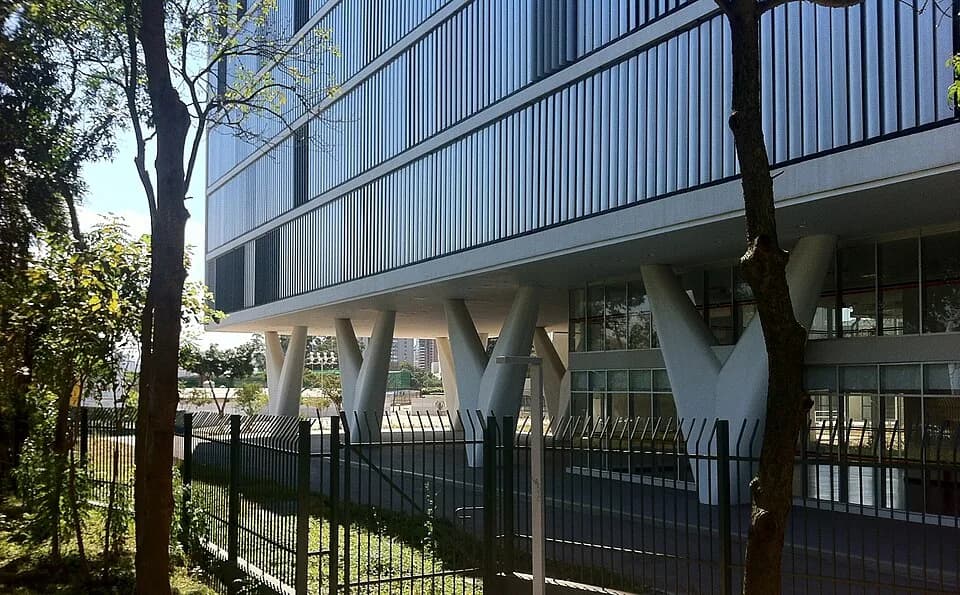
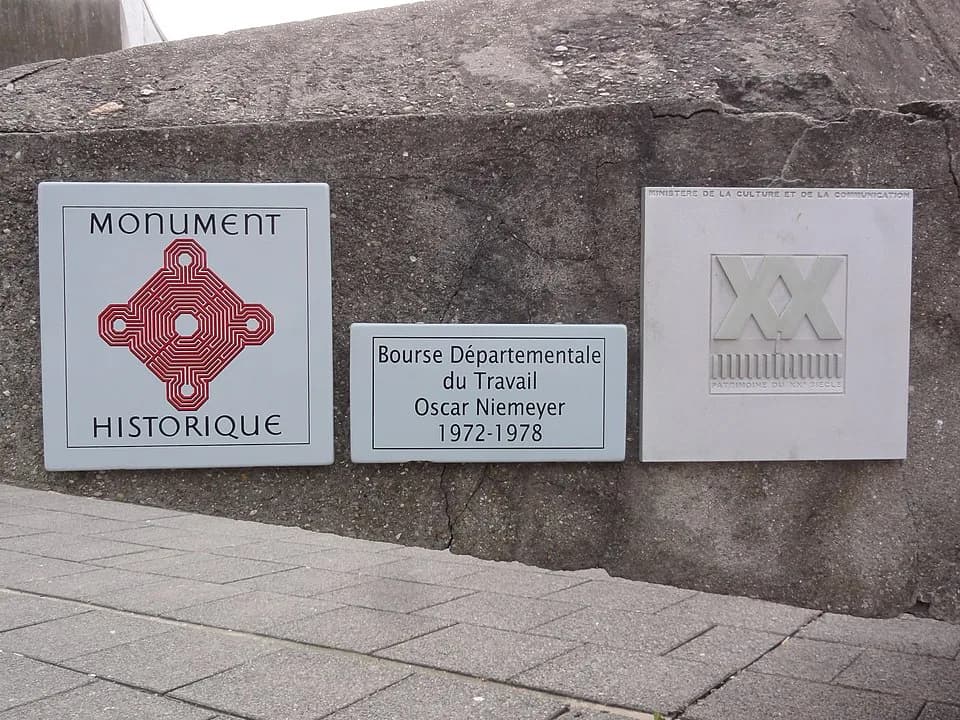
Oscar Niemeyer's most renowned achievement is undoubtedly his design of civic buildings for Brasília, the planned city that became Brazil's capital in 1960. His work transformed a barren plateau into a striking modernist metropolis, creating iconic structures that defined a nation's identity. Beyond his architectural prowess, Niemeyer was also a writer, politician, urban planner, university teacher, and designer, demonstrating a wide array of professional engagements. His exploration of the aesthetic possibilities of reinforced concrete proved to be highly influential, shaping architectural discourse and practice throughout the late 20th and early 21st centuries. This innovative use of materials became a hallmark of his distinctive style, characterized by sweeping curves and fluid forms.
Poglavlje 4· Poglavlje 4 od 7
Personal Life
While Oscar Niemeyer's professional life was extensively documented through his numerous projects and public roles, specific details about his personal life, including family and private interests, are not comprehensively outlined in the provided information. He maintained a focused public persona primarily centered on his architectural and political endeavors. The available records highlight his dedication to his craft and his professional pursuits rather than his personal relationships or hobbies.
Poglavlje 5 · 1999· Poglavlje 5 od 7
Notable Works and Contributions
Niemeyer's portfolio includes a vast array of iconic structures that exemplify his unique design philosophy. Among his most celebrated architectural creations are the Museum of Contemporary Art in Niterói, Rio de Janeiro, Brazil, and the Rio Auditorium, also in Rio de Janeiro. These buildings showcase his signature curvilinear forms and his ability to integrate structures seamlessly into their natural surroundings. His creative output also extended to numerous sketches, including "Four Sketches," "Church Sketches," "Miscellaneous Sketches," "Last Project Sketches," "House Sketches," "Concrete Building Sketches," and "Figure Studies," all from 1999, which offered insights into his design process. Additionally, he authored significant works such as "Itinerario de Niemeyer," "Diante do nada," and "Como se faz arquitetura," contributing to architectural theory and public understanding. His collaboration on "Dialogo pre-socratico com Claudio M. Valentinetti" further illustrates his engagement with philosophical and intellectual pursuits.
Poglavlje 6 · 2012· Poglavlje 6 od 7
Later Years
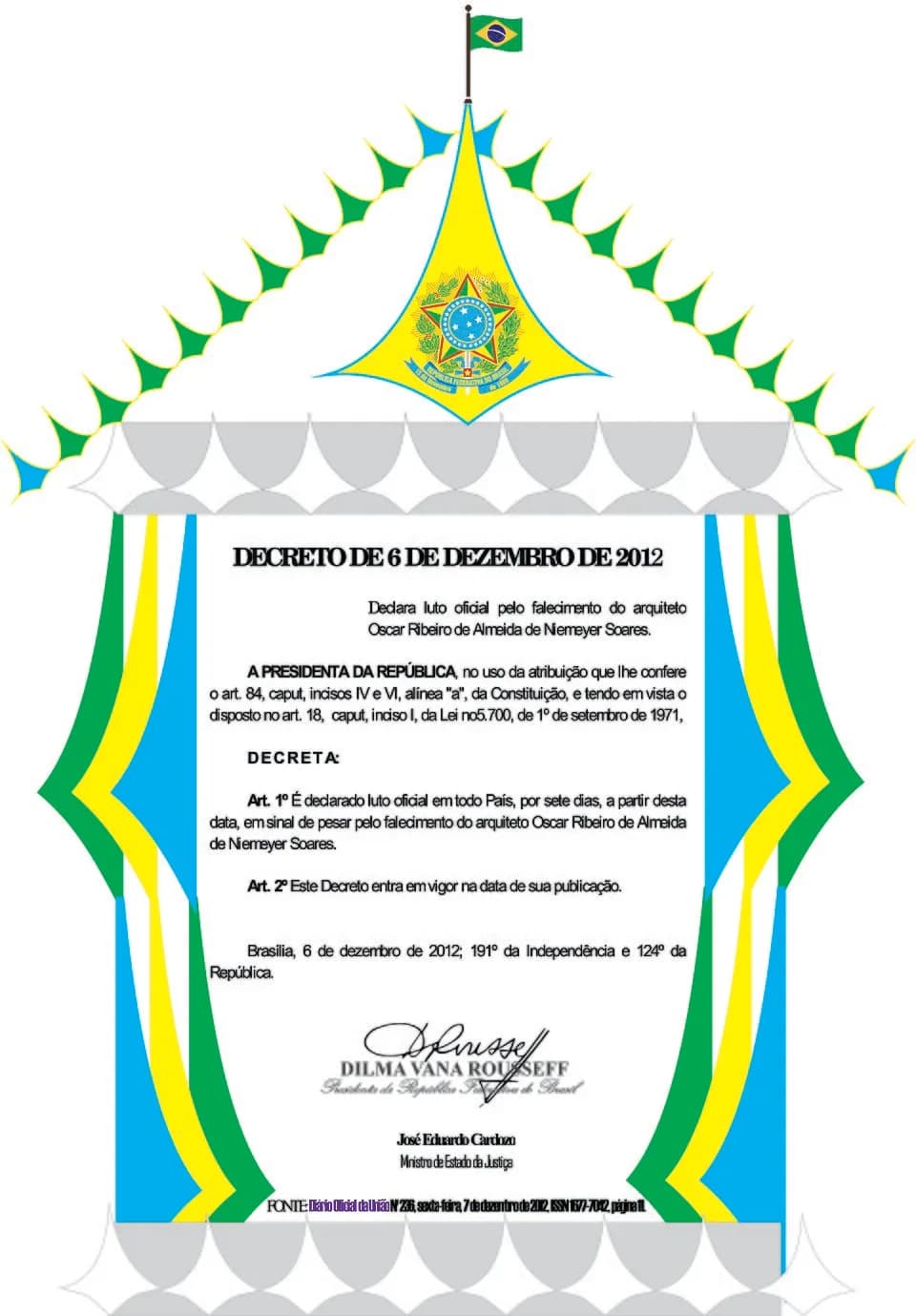
Oscar Niemeyer continued to influence architecture well into his advanced age, with his aesthetic explorations of reinforced concrete remaining influential in the early 21st century. He passed away on December 5, 2012, in his beloved home city of Rio de Janeiro, Brazil, just ten days shy of his 105th birthday. Even in his later years, his commitment to design and his vision for a better world through architecture never waned. His final projects and ongoing influence attested to a career that maintained relevance and vitality for decades.
Poglavlje 7· Poglavlje 7 od 7
Legacy and Impact
The legacy of Oscar Niemeyer is profound, firmly establishing him as a modernist master and a towering figure in global architecture. His bold, sculptural forms, particularly evident in the civic buildings of Brasília, redefined the aesthetic language of modernism. Niemeyer’s pioneering work with reinforced concrete not only expanded the structural possibilities of the material but also infused it with artistic grace and fluidity. He demonstrated how architecture could be both functional and poetic, leaving behind a collection of buildings that continue to inspire awe and study. His contributions as an architect, urban planner, and thinker profoundly shaped the built environment and the cultural identity of Brazil.
Život u trenucima
Trenuci koji su oblikovali život
Česta pitanja
Često postavljana pitanja
Kada je umro/la Oscar Niemeyer?
Oscar Niemeyer je umro/la 5. decembar 2012. u Rio de Janeiro, Brazil u 104. godini života.
Gdje je rođen(a) Oscar Niemeyer?
Oscar Niemeyer je rođen(a) u Rio de Janeiro, Brazil 15. decembar 1907..
Po čemu je Oscar Niemeyer najpoznatiji(a)?
Oscar Niemeyer je najpoznatiji(a) po Brazilian architect.
Koliko je Oscar Niemeyer imao/la godina u trenutku smrti?
Oscar Niemeyer je imao/la 104 godina u trenutku smrti.
Kojeg porijekla je bio/la Oscar Niemeyer?
Oscar Niemeyer je bio/la iz Brazil.
Vremenska linija
Život u kratkom pregledu
Galerija fotografija
Život u slikama
Kliknite bilo koji polaroid za uvećanje · 47 fotografija
QR kod
Podijelite ovu biografiju
Štampaj i podijeli
Skenirajte za posjetu ovoj biografskoj stranici. Štampajte za događaje, izložbe ili obrazovne materijale.