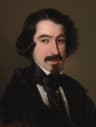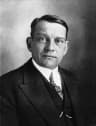
Rođen/a
March 20, 1828
Stockmanngården, Norway
Umro/la
May 23, 1906
Christiania, Norway
Poznat/a po
Norwegian playwright and theatre director
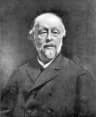
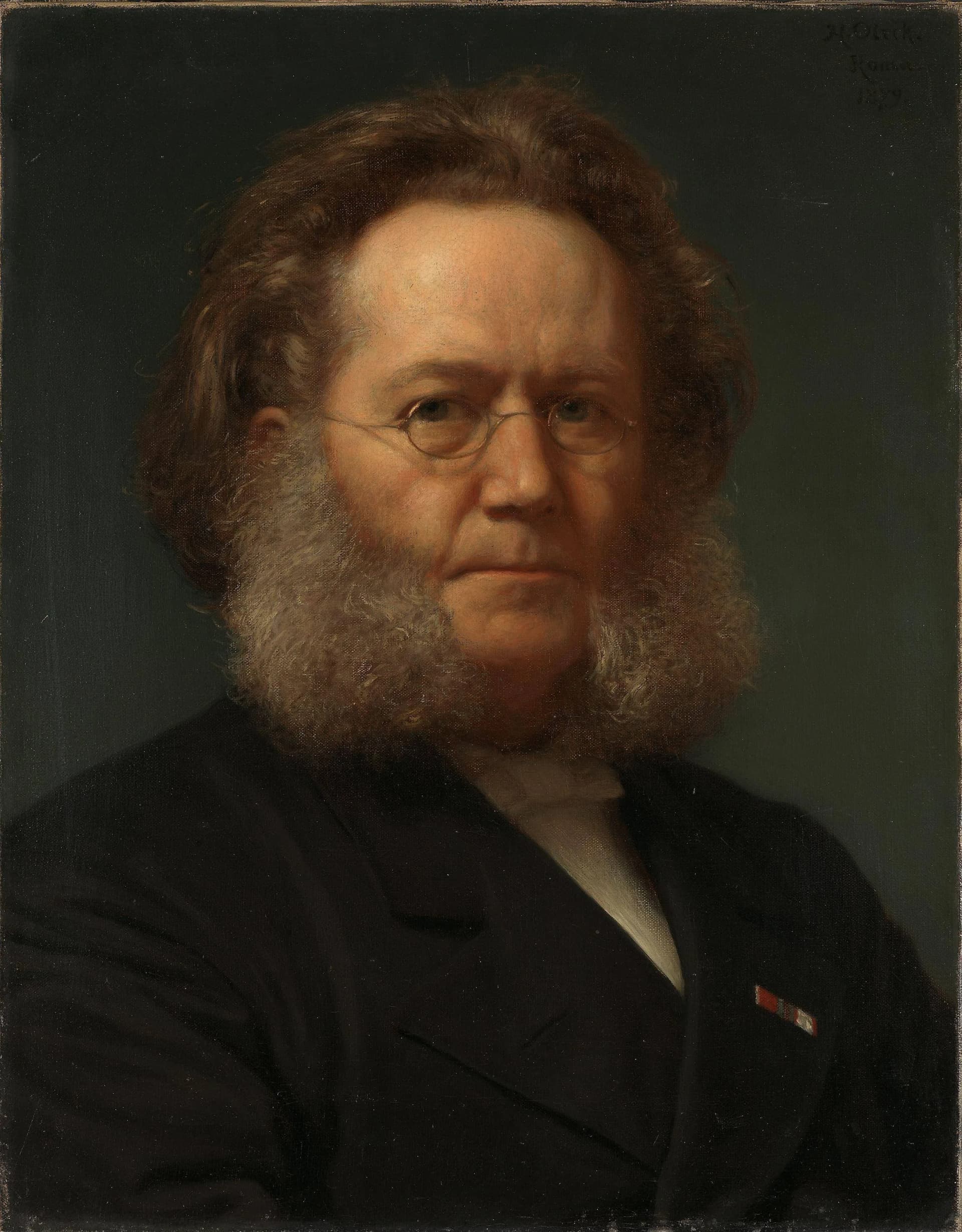
Henrik Ibsen (1828–1906) was Norway best known for Norwegian playwright and theatre director.
Henrik Ibsen (March 20, 1828 – May 23, 1906) was a Norwegian playwright and theatre director. He is celebrated as "the father of modern drama" for pioneering theatrical realism. His works, including <em>A Doll's House</em>, continue to be among the most performed worldwide.
Poglavlje
Životna poglavlja
Poglavlje 1 · 1828· Poglavlje 1 od 7
Opening
Henrik Ibsen, born on March 20, 1828, and who passed away on May 23, 1906, was a Norwegian playwright and theatre director. He stands as one of the 19th century's most pre-eminent writers, greatly influencing theatrical art. Ibsen is widely recognized as "the father of modern drama" for his pioneering contributions to the stage.
Poglavlje 2 · 1828· Poglavlje 2 od 7
Early Life and Origins
Henrik Ibsen was born on March 20, 1828, in Stockmanngården, Norway. This location in Norway served as his birthplace, marking the beginning of a life that would eventually achieve international renown. His origins in Stockmanngården placed him firmly within the cultural context of 19th-century Norway.
Poglavlje 3· Poglavlje 3 od 7
Career Beginnings
Henrik Ibsen dedicated his life to the arts, excelling in multiple creative professions. He was known as a versatile writer, a profound poet, an innovative playwright, a meticulous director, and even a skilled librettist. This broad engagement with the literary and theatrical world defined his professional path from its early stages.
Poglavlje 4 · 2014· Poglavlje 4 od 7
Major Achievements and Career Highlights
Ibsen achieved global recognition as one of the pre-eminent writers of the 19th century. His most significant achievement was pioneering theatrical realism, a style that brought everyday life and complex psychological depth to the stage. This innovation earned him the enduring title "the father of modern drama." Beyond realism, Ibsen also composed lyrical epic works, showcasing his artistic versatility. His influence was so significant that by 2014, he was considered the most frequently performed dramatist in the world, second only to Shakespeare. Store norske leksikon describes his centrality, calling him "the center of the Norwegian literary canon."
Poglavlje 5· Poglavlje 5 od 7
Notable Works or Contributions
Ibsen's literary output includes a collection of powerful and enduring plays that continue to resonate with audiences worldwide. His major works include the dramatic poems Brand and Peer Gynt, followed by incisive social dramas. These later works include Emperor and Galilean, the iconic A Doll's House, the provocative Ghosts, and the insightful An Enemy of the People. Further enriching his bibliography are The Wild Duck, Rosmersholm, Hedda Gabler, The Master Builder, and When We Dead Awaken.
His bibliography also lists works such as Gengangere (which is Ghosts), Plays, and his extensive correspondence with the Dramatiska teatern. Various editions and translations of his works exist globally, highlighted by titles like イプセン集, ʻAmude ha-ḥevrah, Prividi︠e︡nīi︠a︡, הדה גאבלר, and 玩偶之家. These diverse publications underscore the widespread impact and accessibility of his powerful narratives across different cultures and languages.
Poglavlje 6 · 1906· Poglavlje 6 od 7
Later Years
Henrik Ibsen passed away on May 23, 1906, in Christiania, Norway. His death marked the end of an era for Norwegian and global theatre. While the specific details of his final years are not extensively provided, his passing in Christiania concluded a career of immense artistic production and lasting influence.
Poglavlje 7· Poglavlje 7 od 7
Legacy and Impact
The legacy of Henrik Ibsen is deeply ingrained in the fabric of modern theatre. He is celebrated for his bold innovations in theatrical realism, forever changing how audiences perceived drama. His significant influence is evident in his continuing status as one of the most frequently performed dramatists globally, a testament to the timelessness of his themes and characters. Ibsen remains "the center of the Norwegian literary canon," his works serving as cornerstones of theatrical education and performance worldwide.
Život u trenucima
Trenuci koji su oblikovali život
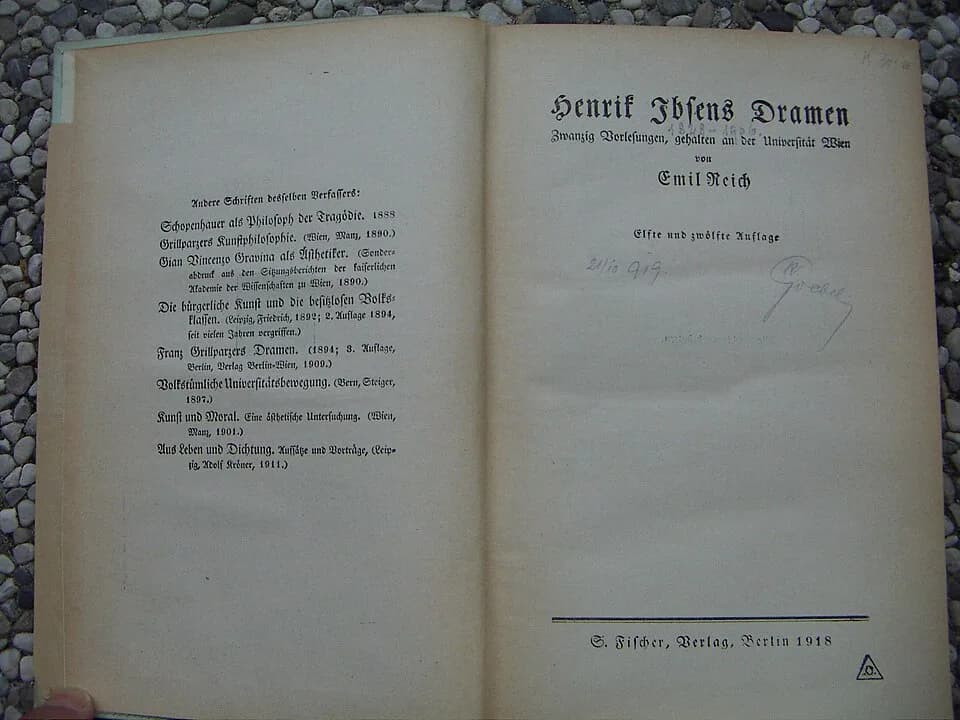
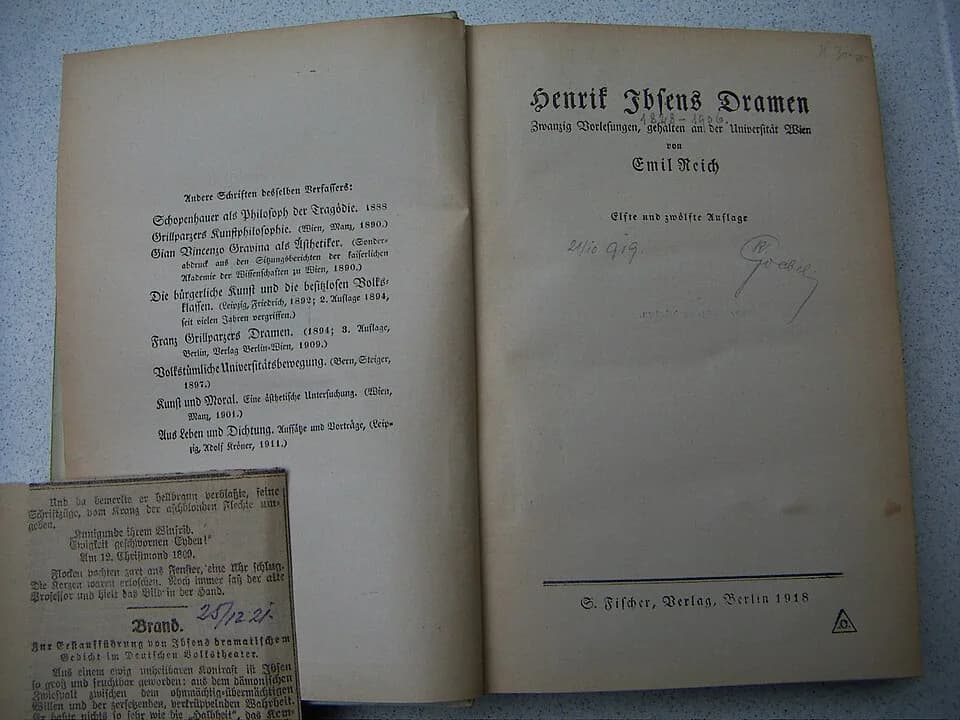
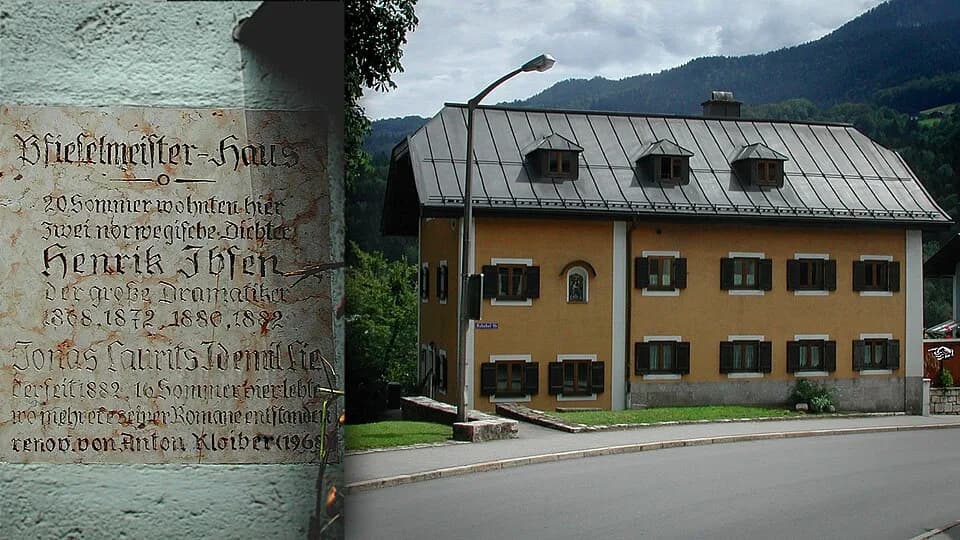
![Henrik Ibsen - Fra Sarabråten. På trappen: Fru Heftye, fru Faye, Suzannah Ibsen, A. Blytt, [ukjent], Faye, Thomas Heftye. Stående: Sophus Aars, Jacob Heiberg, [4 ukjente]. Sittende: F. Rustad, kammerh](/_next/image?url=https%3A%2F%2Fcdn.whowasthisguy.com%2Fgallery_wikimedia_commons_1777820569874_4_dfc3dbda6d.webp&w=1920&q=75)
Česta pitanja
Često postavljana pitanja
Kada je umro/la Henrik Ibsen?
Henrik Ibsen je umro/la 23. maj 1906. u Christiania, Norway u 78. godini života.
Gdje je rođen(a) Henrik Ibsen?
Henrik Ibsen je rođen(a) u Stockmanngården, Norway 20. mart 1828..
Po čemu je Henrik Ibsen najpoznatiji(a)?
Henrik Ibsen je najpoznatiji(a) po Norwegian playwright and theatre director.
Koliko je Henrik Ibsen imao/la godina u trenutku smrti?
Henrik Ibsen je imao/la 78 godina u trenutku smrti.
Kojeg porijekla je bio/la Henrik Ibsen?
Henrik Ibsen je bio/la iz Norway.
Vremenska linija
Život u kratkom pregledu
Galerija fotografija
Život u slikama
Kliknite bilo koji polaroid za uvećanje · 49 fotografija
QR kod
Podijelite ovu biografiju
Štampaj i podijeli
Skenirajte za posjetu ovoj biografskoj stranici. Štampajte za događaje, izložbe ili obrazovne materijale.