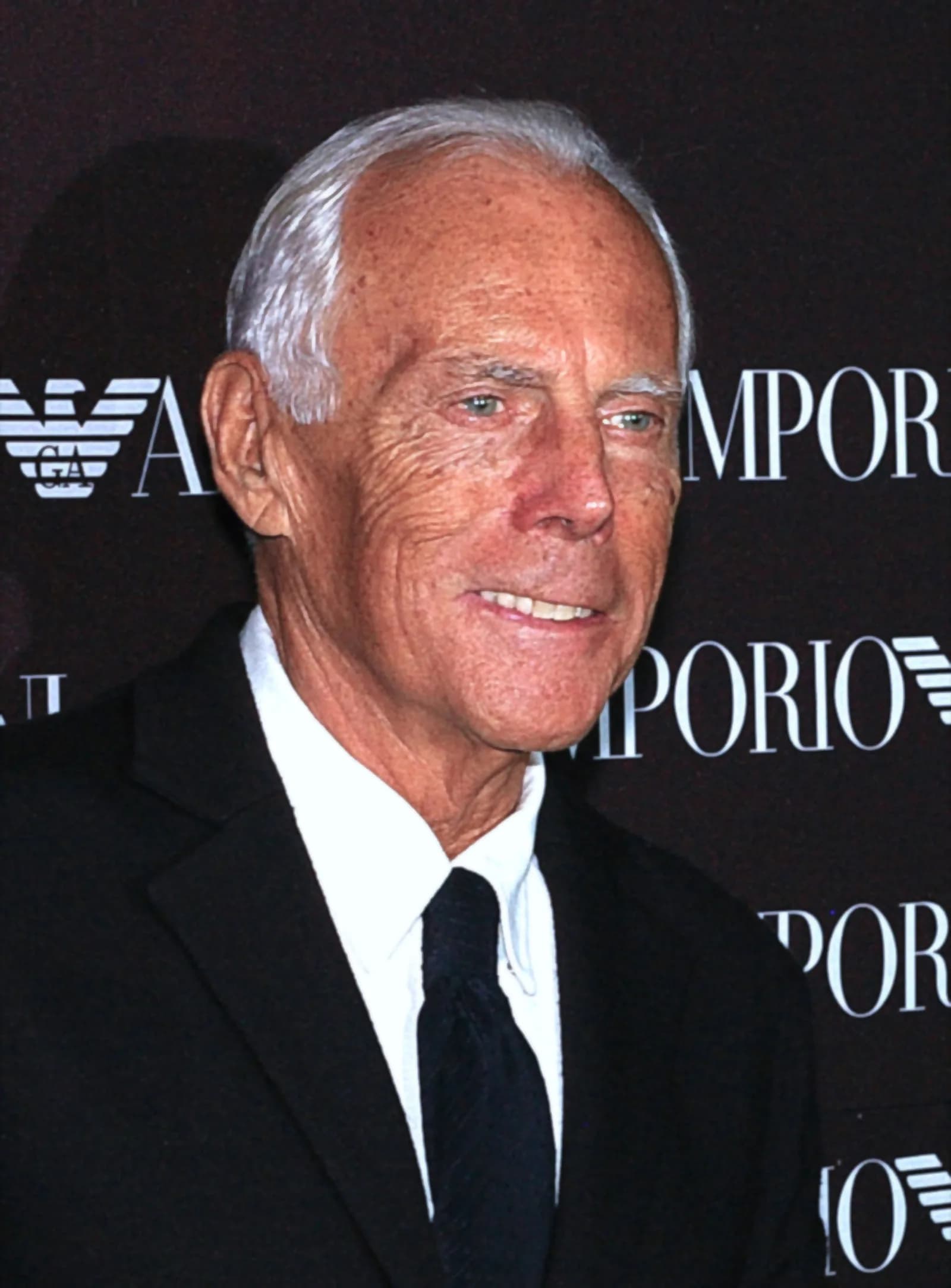
Rođen/a
February 28, 1929
Toronto, Canada
Umro/la
December 5, 2025
Santa Monica, United States
Poznat/a po
Canadian and American architect
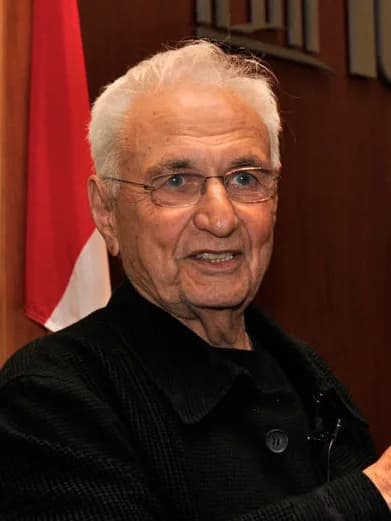
Frank Gehry (1929–2025) was Canada best known for Canadian and American architect.
Frank Gehry (February 28, 1929 – December 5, 2025) was a Canadian and American architect and designer. He was renowned for his postmodern designs and iconic, sculptural buildings like the Guggenheim Museum Bilbao. Gehry's innovative use of materials profoundly impacted modern architecture.
Život u trenucima
Trenuci koji su oblikovali život
Poglavlje
Životna poglavlja
Poglavlje 1 · 1929· Poglavlje 1 od 7
Early Life and Origins
Frank Owen Gehry embarked on his remarkable journey rooted in Toronto, Canada, where his birth in 1929 quietly laid the foundational groundwork for a life destined for unparalleled artistic innovation and boundary-pushing design. His early life experiences, though not extensively detailed in public records, undoubtedly contributed to a rich and diverse cultural background, with both Canadian and later American influences shaping his formative perspectives and creative inclinations. This dual heritage, spanning two distinct nations and their artistic landscapes, perhaps played a subtle yet significant role in informing his later architectural approach, which often celebrated a dynamic interplay of contrasting forms, textures, and materials rather than strictly adhering to singular, rigid, or predictable traditions. His formative years, spent observing and absorbing the world around him, quietly nurtured the profound conceptual and artistic sensibilities that would eventually blossom into a distinctive, globally recognized, and truly revolutionary architectural style. These early influences provided a fertile ground for the iconoclastic vision that would come to define his career.
Poglavlje 2· Poglavlje 2 od 7
Career Beginnings
Gehry’s professional trajectory rapidly diverged from the established strictures and predictable pathways of traditional architectural practice, swiftly establishing him as a seminal, pioneering figure in the burgeoning postmodern design movement. He consciously and intentionally moved away from the often rigid, symmetrical, and rectilinear structures that dominated much of 20th-century architecture, instead embracing a radical philosophy that prioritized expressive, often fragmented, and unequivocally unconventional forms. From the very outset of his career, his early projects began to strongly hint at a revolutionary and often unexpected use of materials, signaling his unwavering intent to vigorously push the established boundaries of construction technology, structural engineering, and aesthetic perception simultaneously. This deliberate and audacious departure from the architectural ordinary not only immediately distinguished him as a groundbreaking innovator but also meticulously laid the crucial foundation for the audacious and visually arresting architectural language that would eventually become his unmistakable signature worldwide. His initial explorations into these new, often daring, forms demonstrated a nascent yet powerful talent for transforming purely functional spaces into vibrant, three-dimensional sculptural art, challenging the very definition of what a building could and should be in the modern era.
Poglavlje 3· Poglavlje 3 od 7
Major Achievements and Career Highlights
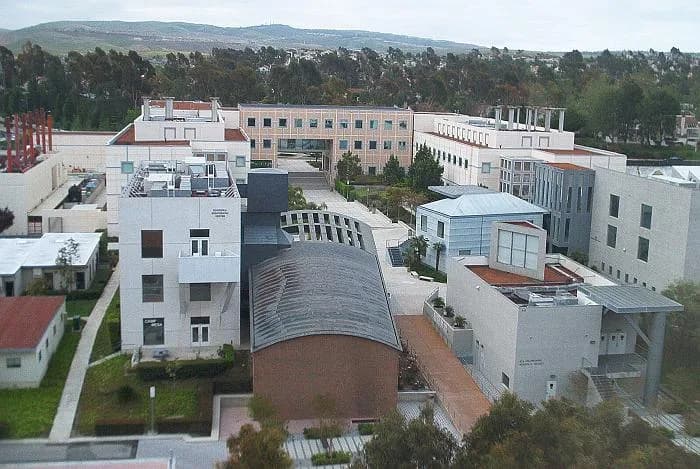
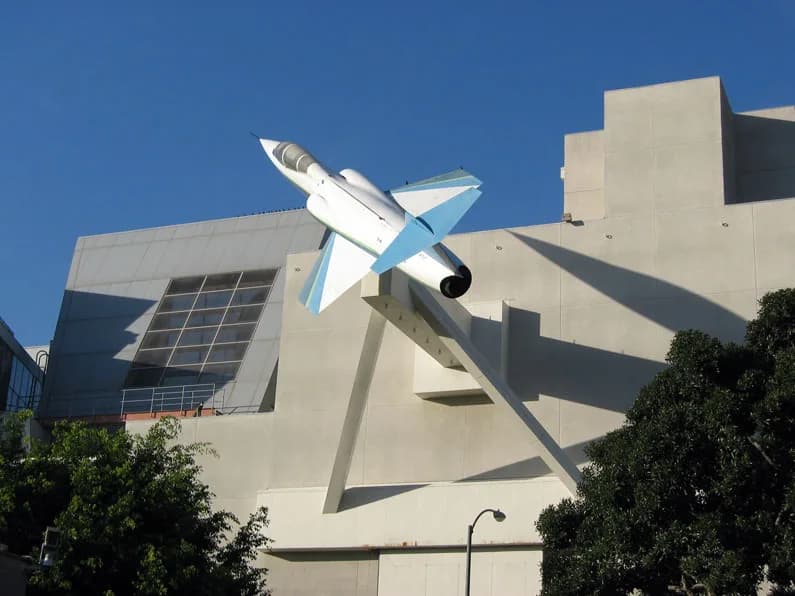
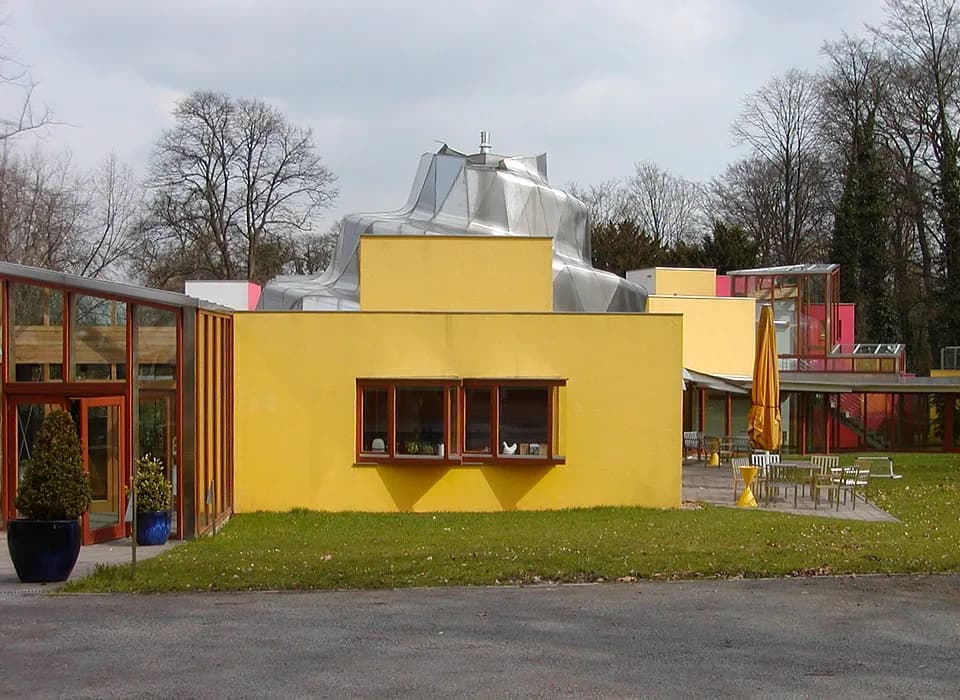
Throughout his long and exceptionally illustrious career, Frank Gehry meticulously sculpted a distinct and globally influential architectural language that garnered him widespread international admiration and a multitude of prestigious accolades. His buildings are instantly recognizable and celebrated for their powerful sculptural quality, often featuring dramatic, flowing, and unequivocally undulating exteriors that evoke an astonishing sense of dynamic movement and visual fluidity. He consistently masterfully integrated innovative and often industrial-grade materials such as shimmering titanium and resilient stainless steel, thereby consistently pushing the boundaries of construction technology, structural engineering, and artistic expression in a synchronized, pioneering manner. These groundbreaking material choices, combined with his unique and often fragmented formal vocabulary, became unmistakable and iconic hallmarks of his signature style, unequivocally setting his work apart in the contemporary architectural landscape and inspiring countless imitators.
Among his absolutely most celebrated and transformative achievements stands the Guggenheim Museum Bilbao in Spain, a magnificent structure completed in 1997 that fundamentally and irrevocably transformed its host city, swiftly becoming a global cultural and economic icon. This architectural marvel, characterized by its shimmering, curvilinear titanium panels that catch and reflect light in ever-changing patterns, did not merely serve as an exhibition space for art; it became a colossal work of art in itself, drawing millions of visitors from around the world and single-handedly revitalizing Bilbao's industrial economy through a phenomenon now known as the "Bilbao Effect." The Walt Disney Concert Hall in Los Angeles also magnificently exemplifies his unparalleled genius, offering a breathtaking visual symphony of curved, metallic surfaces that seamlessly resonate with the glorious music performed inside its acoustically superb interior, creating a harmonious blend of sight and sound. Another highly significant and visually striking contribution is the Louis Vuitton Foundation in Paris, an ethereal structure crafted from an intricate interplay of glass and steel that showcases his ongoing exploration of transparency, light, and immensely complex geometries, thereby creating a captivating and dynamic dialogue between architecture and its natural, often Parisian, surroundings. Even his private residence in Santa Monica, California, itself a bold and pioneering assemblage of ordinary corrugated metal and unconventional chain-link fencing, surprisingly became a widely recognized architectural attraction, demonstrating the deeply personal touch and unwavering experimental spirit he infused into every project, regardless of its scale or public visibility. These iconic and universally recognized buildings collectively solidified his formidable reputation as a master of unconventional forms and a true pioneer in leveraging architectural innovation not just for aesthetic pleasure, but for profound urban transformation and lasting cultural enrichment.
Poglavlje 4· Poglavlje 4 od 7
Personal Life
While Frank Gehry’s extraordinary professional achievements and prolific artistic output are meticulously documented and widely celebrated across the globe, the specific and intimate details of his personal life, including granular aspects of his family dynamics, private relationships, and specific individual interests beyond his incredibly demanding and prolific creative pursuits, are not broadly detailed or extensively provided within the scope of the available information. His profound and unwavering dedication to his various professions, particularly his roles as an architect and designer, often appears to be the central, all-consuming focus of his public persona and career narrative. However, the sheer volume, the consistent originality, and the consistently experimental nature of his vast body of work inherently speak volumes about his innovative spirit, his tireless commitment to artistic exploration, and his singularly unique vision for continuously reshaping the built environment. His designs, which range from monumental, awe-inspiring museums to surprisingly intimate and functional furniture pieces, collectively stand as an eloquent testament to a life deeply and passionately immersed in the perpetual process of creation, invention, and artistic discovery, revealing a personal drive that fueled his public accomplishments.
Poglavlje 5 · 1969· Poglavlje 5 od 7
Notable Works or Contributions
Gehry's boundless and diverse creative output extended far beyond the realm of monumental architectural projects, encompassing a significant and equally influential body of work as a prolific designer of furniture and as a contributing author. His groundbreaking "Easy Edges" series, which made its debut with the conceptualization of the Side Chair designed in 1969 and its subsequent manufacture in 1971, ingeniously showcased his remarkable ability to transform mundane, readily available industrial materials like corrugated cardboard into pieces of elegant, highly functional, and surprisingly durable furniture. Many of these innovative cardboard creations, celebrated for their unique aesthetic, their structural ingenuity, and their unexpected comfort, are now proudly held in the permanent collection of the Metropolitan Museum of Art, reflecting their enduring significance and pioneering contribution to modern design history. The sophisticated "Contour" Chair, meticulously designed in 1970 and later manufactured around 1982, further exemplifies his inventive and unconventional approach to furniture design, consistently demonstrating his continuous exploration of dynamic form, unexpected material properties, and ergonomic considerations.
Additional significant and visually distinctive furniture pieces include the spirited and often playful "Wiggle Side Chair" from 1972, which boldly challenges conventional seating forms with its unique construction, and the characterful "Sitting Beaver Chair" from 1979/82, both embodying his characteristic blend of whimsical humor and sophisticated, structurally informed design. The prestigious Metropolitan Museum of Art and the Art Institute of Chicago (AIC) proudly house various conceptual sketches, intricate models, and actual prototypes, providing invaluable insight into his iterative design process and profound creative evolution. These significant holdings include the "Three Concept Sketches for Experimental Edges Furniture (Seating Elements)" (ca. 1986), which vividly illuminate the genesis of his pioneering design philosophy, and a compelling "Screen (Prototype)" (ca. 1990), showcasing his exploration of architectural elements and modularity on a more intimate, scaled-down level. His extensive explorations into furniture also naturally extended to larger, more comprehensive furniture sets, such as the complete "Experimental Edges Beaver Chair and Ottoman" (c. 1982) and the functional yet unmistakably artistic "Dining Room Table" (c. 1972), all collectively demonstrating his holistic and deeply integrated design vision that spanned various scales and functions. His comprehensive work also included "Easy Edges" (1970) as a broader furniture collection.
In the realm of architectural conceptualization and artistic ideation, Gehry's "Frederick R. Weisman Art Museum, Minneapolis, Minnesota, Concept Sketch" (1990) offers a rare and fascinating glimpse into the preliminary stages and imaginative genesis of one of his future iconic building designs, illustrating the translation of raw ideas into architectural form. He meticulously created detailed study models for various complex projects, such as the "Herman Miller Audio-Visual Center, Sacramento, CA Model" (1987), which visually articulated his thorough and comprehensive design approach from macro-level urban planning down to micro-level material articulation. Further examples of his detailed preparatory work include "Untitled Sketches for Furniture" (c. 1993) and "Untitled (Chair Sketches)" (1995) housed at the AIC, underscoring his relentless pursuit of design perfection through iterative drawing. Beyond his visual and spatial creations, Frank Gehry also actively engaged in written contributions as a respected author, thoughtfully sharing his unique perspectives, intricate design insights, and broader artistic philosophy in published books such as "Five Buildings by Frank Gehry," the extensive "Real Estate Masterwork Series - Call and Jensen Edition," the reflective "Not So Bad - From The Bronx to Beverly Hills," and the evocative "Symphony." These literary works offer further profound insights into his architectural philosophy, his detailed design processes, and his broader, winding creative journey, providing a narrative accompaniment to his built forms. His incredibly diverse professional titles — encompassing architect, respected author, talented musician, visionary designer, expressive scenographer, intricate jewelry designer, precise draftsperson, and innovative furniture designer — collectively and eloquently highlight the truly immense breadth of his artistic talents and his relentless, lifelong pursuit of creative expression across an astonishing and interconnected array of mediums.
Poglavlje 6 · 2025· Poglavlje 6 od 7
Later Years
As Frank Gehry gracefully entered the later stages of his exceptionally illustrious and prolific career, he maintained an unwavering and inspiring commitment to cutting-edge design and continued to exert a powerful and indelible influence on the global architectural scene. His final years, leading up to his eventual passing on December 5, 2025, were consistently marked by an ongoing and relentless dedication to innovation, the continuous refinement of his architectural language, and the perpetual development of his uniquely artistic vision. Even in his advanced age, his remarkable and undiminished ability to consistently produce inspiring, structurally challenging, and often audacious works remained entirely robust, proving his sustained creative vitality. He firmly cemented his status as a living legend, continually pushing the intellectual and practical boundaries of what architecture could achieve, even as he approached and gracefully passed his ninth decade. Gehry continued to profoundly shape the built environment with his characteristic flair, his revolutionary approach, and his unwavering belief in the artistic potential of structures, leaving behind a truly unparalleled body of work that will undoubtedly endure as a source of scholarly study, artistic inspiration, and widespread public admiration for centuries to come. His late-career projects continued to defy conventional expectations, further demonstrating that his creative wellspring was, in essence, inexhaustible and eternally inventive.
Poglavlje 7· Poglavlje 7 od 7
Legacy and Impact
Frank Gehry's architectural legacy is absolutely immense, having profoundly and irreversibly altered the entire trajectory of modern architecture on a global scale. He was a fearless and outspoken champion of using unconventional forms and unexpectedly robust materials, thereby inspiring an entire generation of architects and designers to courageously explore possibilities far beyond the perceived limitations of traditional structural and aesthetic constraints. His distinctive buildings, with their sculptural, often wildly undulating exteriors meticulously crafted from pioneering and often industrial materials like shimmering titanium and resilient stainless steel, did not merely serve their functional purposes; they consistently transcended them to become compelling destinations in themselves. These architectural creations effortlessly transformed into major cultural attractions, demonstrating the sheer power of visionary design to captivate, educate, and draw vast numbers of the public into entirely new experiences of space and form.
Gehry definitively proved that buildings could be art in the most profound and public sense, challenging long-held perceptions about functionality versus aesthetics and igniting widespread public discourse about the essential role of design in shaping society and enriching the human experience. His far-reaching influence radiated globally, with his myriad works becoming emblematic of a daring, postmodern aesthetic that vigorously celebrated expression, bold experimentation, and a joyful departure from the architectural mundane. His incredibly multifaceted career, encompassing his central role as an architect, but also his contributions as an author, musician, designer, scenographer, jewelry designer, draftsperson, and furniture designer, collectively showcases a truly boundless and utterly unique creative energy. This ceaseless drive, coupled with his willingness to challenge norms, relentlessly reshaped the world around him, impacting both its functional utility and its aesthetic appeal. His visionary contributions continue to resonate deeply and widely, ensuring his enduring and prominent place as one of the most significant, influential, and truly transformative architectural figures of his era and for many generations yet to come, a true master of form and material.
Česta pitanja
Često postavljana pitanja
Kada je umro/la Frank Gehry?
Frank Gehry je umro/la 5. decembar 2025. u Santa Monica, United States u 96. godini života.
Gdje je rođen(a) Frank Gehry?
Frank Gehry je rođen(a) u Toronto, Canada 28. februar 1929..
Po čemu je Frank Gehry najpoznatiji(a)?
Frank Gehry je najpoznatiji(a) po Canadian and American architect.
Koliko je Frank Gehry imao/la godina u trenutku smrti?
Frank Gehry je imao/la 96 godina u trenutku smrti.
Kojeg porijekla je bio/la Frank Gehry?
Frank Gehry je bio/la iz Canada.
Vremenska linija
Život u kratkom pregledu
Galerija fotografija
Život u slikama
Kliknite bilo koji polaroid za uvećanje · 43 fotografija
QR kod
Podijelite ovu biografiju
Štampaj i podijeli
Skenirajte za posjetu ovoj biografskoj stranici. Štampajte za događaje, izložbe ili obrazovne materijale.