জন্ম
August 8, 1902
Bristol, United Kingdom
মৃত্যু
October 20, 1984
Tallahassee, United States
যার জন্য পরিচিত
British theoretical physicist
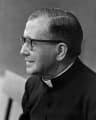
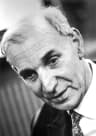
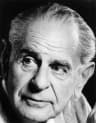
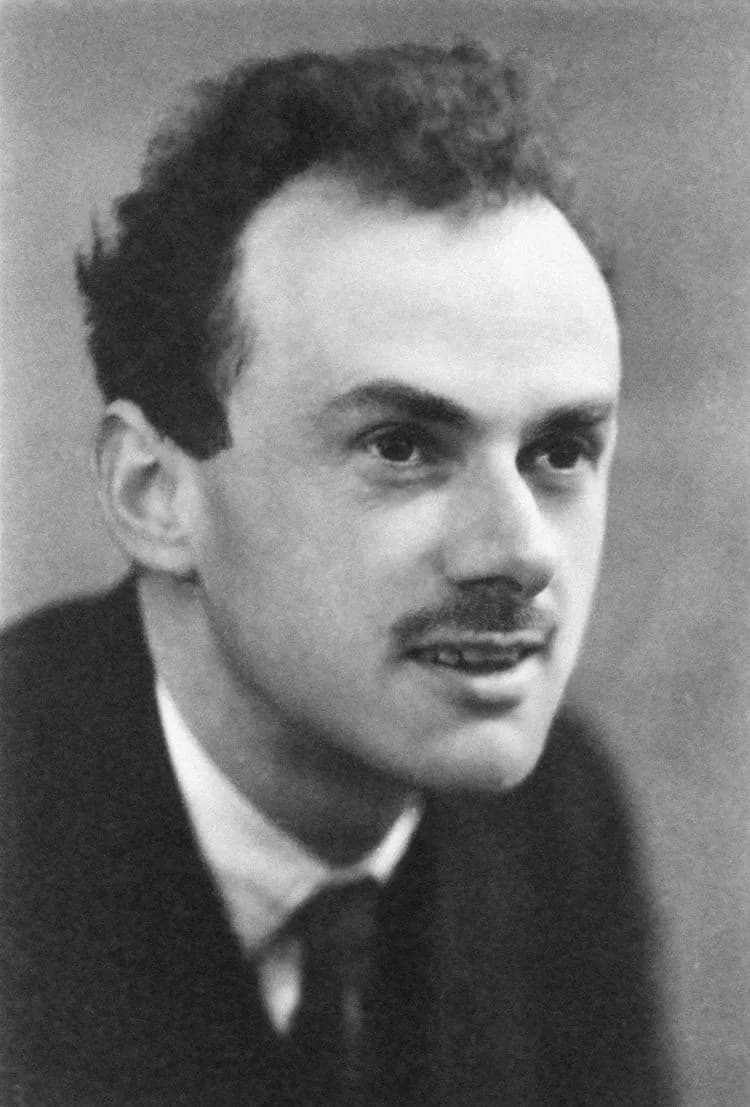
Paul Dirac (1902–1984) was United Kingdom best known for British theoretical physicist.
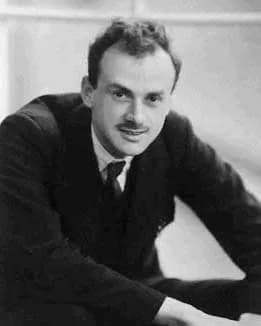
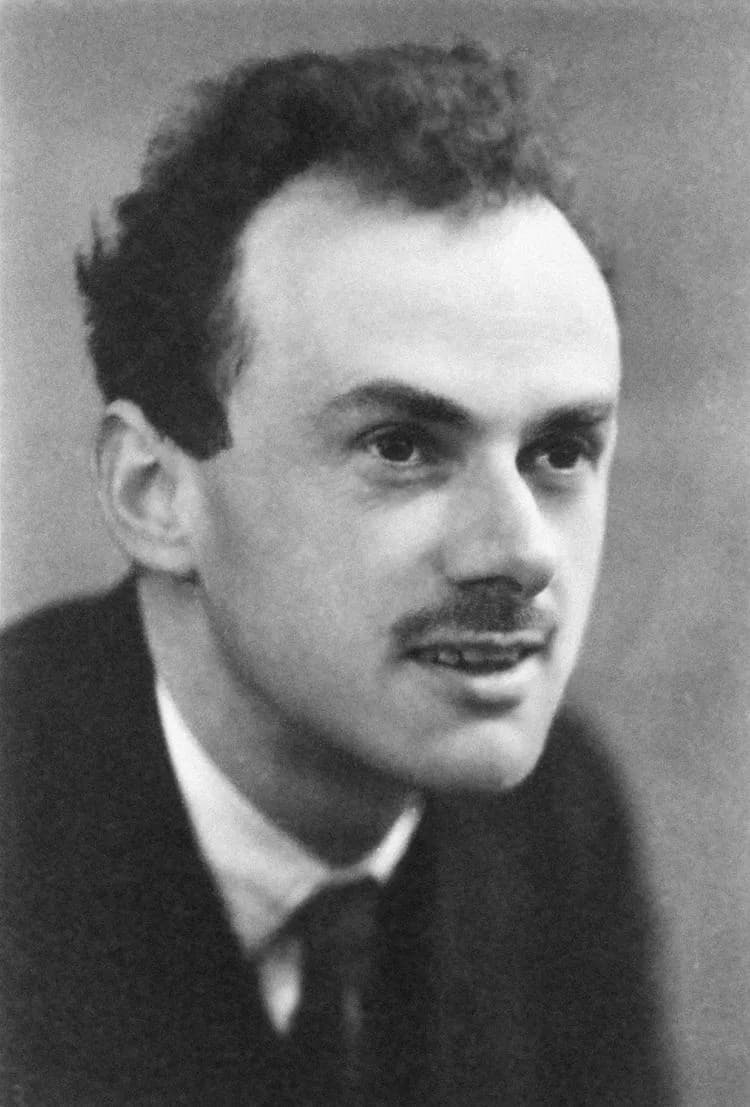
Paul Adrien Maurice Dirac (1902 – 1984) was a British theoretical physicist from Bristol, United Kingdom. He co-founded quantum mechanics and shared the 1933 Nobel Prize in Physics for new forms of atomic theory. His work laid foundations for quantum electrodynamics and quantum field theory.
অধ্যায়
জীবনের অধ্যায়
অধ্যায় 1 · 1902· অধ্যায় 1 / 6
Early Life and Origins
Paul Dirac was born on August 8, 1902, in Bristol, United Kingdom. His early life in Bristol marked the beginning of a journey that would lead him to become one of the twentieth century's most influential scientists. While detailed information about his family and upbringing is not explicitly provided, his birthplace anchors the start of his remarkable intellectual path.
অধ্যায় 2· অধ্যায় 2 / 6
Career Beginnings
Dirac initially pursued an education in engineering before dedicating himself to physics, becoming a scientist and mathematician. This diverse academic background likely provided him with a unique blend of practical problem-solving skills and abstract theoretical insight. His early work began to hint at the profound impact he would soon have on the emerging field of quantum theory.
অধ্যায় 3 · 1933· অধ্যায় 3 / 6
Major Achievements and Career Highlights
A crowning achievement in Dirac's distinguished career was the shared 1933 Nobel Prize in Physics with Erwin Schrödinger. They were jointly recognized "for the discovery of new productive forms of atomic theory," a testament to the revolutionary nature of their contributions. This prestigious award underscored his central role in the development of quantum physics.
Beyond the Nobel Prize, Dirac held the esteemed position of Lucasian Professor of Mathematics at the University of Cambridge, serving from 1932 until 1969. This lengthy tenure at one of the world's most renowned academic institutions solidified his status as a leading figure in scientific thought. His contributions also extended to the very language of his field, as he is credited with coining the term "quantum electrodynamics."
অধ্যায় 4 · 1927· অধ্যায় 4 / 6
Notable Works or Contributions
Paul Dirac's academic output includes several highly influential publications that fundamentally reshaped theoretical physics. Among his most frequently cited works is "Über die Quantenmechanik der Stoßvorgänge," published in 1927, which garnered 37 citations and showcased his early engagement with foundational quantum concepts. This publication marked an important step in his development as a theoretical physicist.
Another significant contribution to the field was "Die Prinzipien der Quantenmechanik," a work that received 16 citations. He also published "Die moderne atomtheorie" in 1934, consisting of the insightful lectures he delivered in Stockholm when accepting his Nobel Prize in 1933. Later works include "7. Christoffel Symbols" from 1996 and "Feynman-diagramme als vektorsysteme invariantentheoretisch behandelt (compton-streuung, elektron-positron-vernichtung)" from 1985, although these specific publications received no citations within the provided academic data.
অধ্যায় 5 · 1970· অধ্যায় 5 / 6
Later Years
Following his extensive and impactful tenure at the University of Cambridge, Dirac continued his academic career in the United States. From 1970 to 1984, he held a professorship in physics at Florida State University. He spent his final years contributing to the scientific community in Tallahassee, United States, where he passed away on October 20, 1984.
অধ্যায় 6· অধ্যায় 6 / 6
Legacy and Impact
Paul Dirac's legacy remains immense, cementing his reputation as one of the true intellectual founders of quantum mechanics. His theoretical frameworks provided the essential conceptual and mathematical foundations for both quantum electrodynamics and quantum field theory. The concepts he developed continue to be fundamental cornerstones of modern physics, inspiring and guiding scientific inquiry.
His innovative thinking, coupled with a rigorous mathematical approach, left an enduring mark on scientific thought and methodology. Dirac's contributions ensure his place as an intellectual giant whose profound insights continue to shape and inform the work of physicists worldwide.
মুহূর্তে এক জীবন
যে মুহূর্তগুলি একটি জীবন গড়েছে
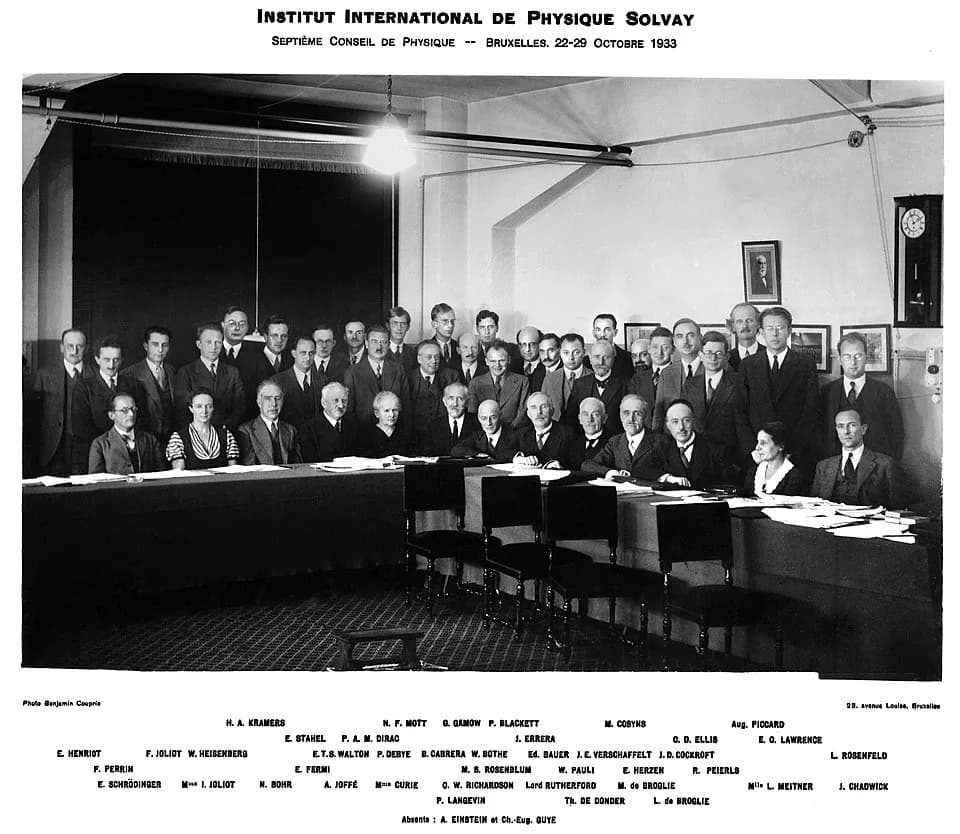
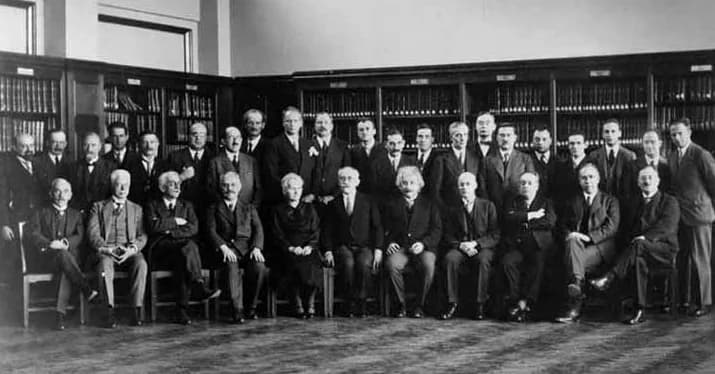
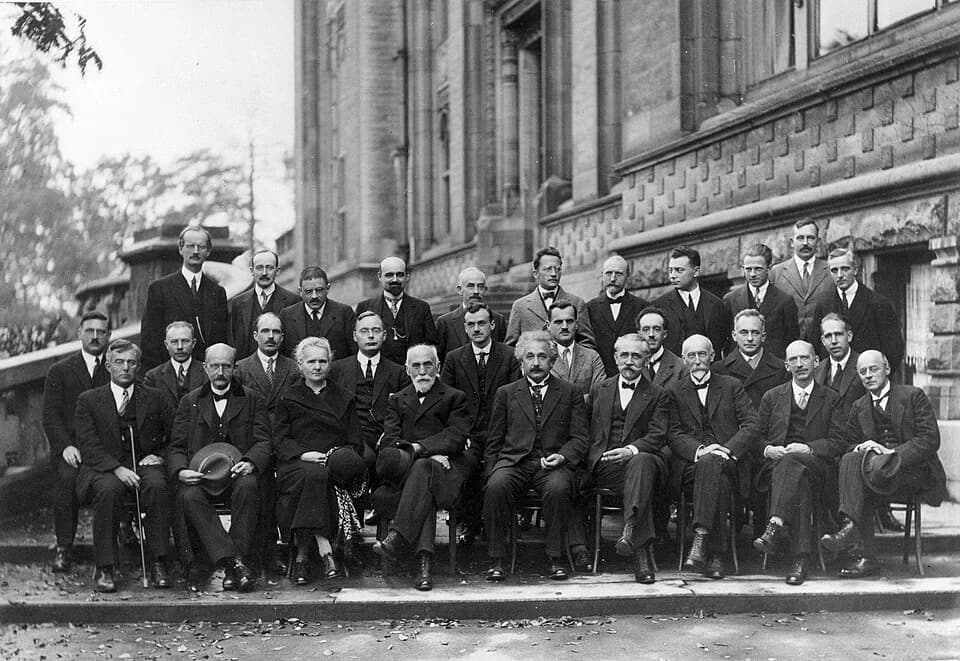
![Paul Dirac - Leiden, Kamerlingh-Onnes Lab (July 1927) [1]
Frontreihe v.l.n.r.
George Eugene Uhlenbeck (* 6. Dezember 1900 in Batavia, Indonesien; † 31. Oktober 1988 in Boulder, USA),
Helmut Hönl (* 1](/_next/image?url=https%3A%2F%2Fcdn.whowasthisguy.com%2Fgallery_wikimedia_commons_1777895677806_0_a8dfdc32ef.webp&w=1920&q=75)
প্রশ্নোত্তর
প্রায়শই জিজ্ঞাসিত
Paul Dirac কখন মারা গেছেন?
Paul Dirac ২০ অক্টোবর, ১৯৮৪ তারিখে Tallahassee, United States-এ মারা গেছেন, 82 বছর বয়সে।
Paul Dirac কোথায় জন্মগ্রহণ করেছিলেন?
Paul Dirac Bristol, United Kingdom-এ ৮ আগস্ট, ১৯০২ তারিখে জন্মগ্রহণ করেছিলেন।
Paul Dirac কীসের জন্য সবচেয়ে বেশি পরিচিত?
Paul Dirac British theoretical physicist-এর জন্য সবচেয়ে বেশি পরিচিত।
মৃত্যুর সময় Paul Dirac-এর বয়স কত ছিল?
মৃত্যুর সময় Paul Dirac-এর বয়স 82 বছর ছিল।
Paul Dirac-এর জাতীয়তা কী ছিল?
Paul Dirac United Kingdom থেকে এসেছিলেন।
টাইমলাইন
এক নজরে জীবন
ছবি গ্যালারি
ছবিতে এক জীবন
প্রসারিত করতে যেকোনো পোলারয়েড ক্লিক করুন · 47টি ছবি
QR কোড
এই জীবনী ভাগ করুন
প্রিন্ট ও ভাগ করুন
এই জীবনী পৃষ্ঠা দেখতে স্ক্যান করুন। ইভেন্ট, প্রদর্শনী বা শিক্ষামূলক উপকরণের জন্য প্রিন্ট করুন।