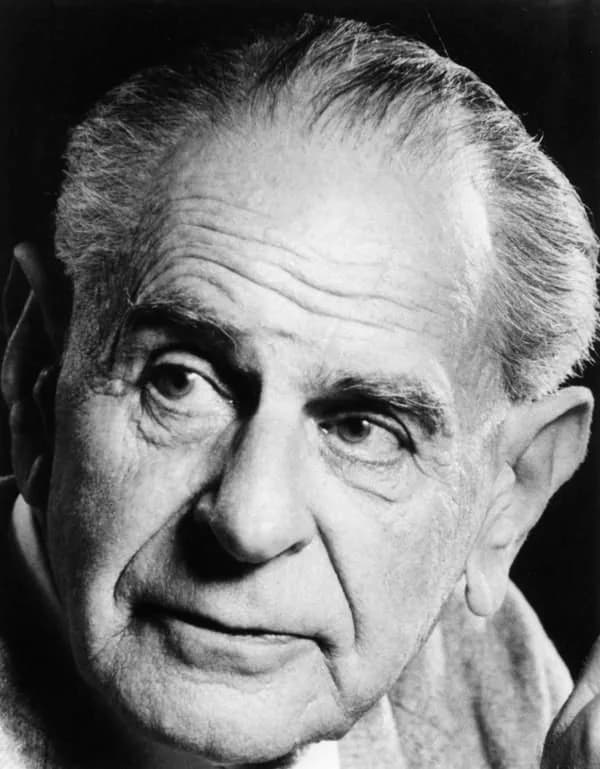
জন্ম
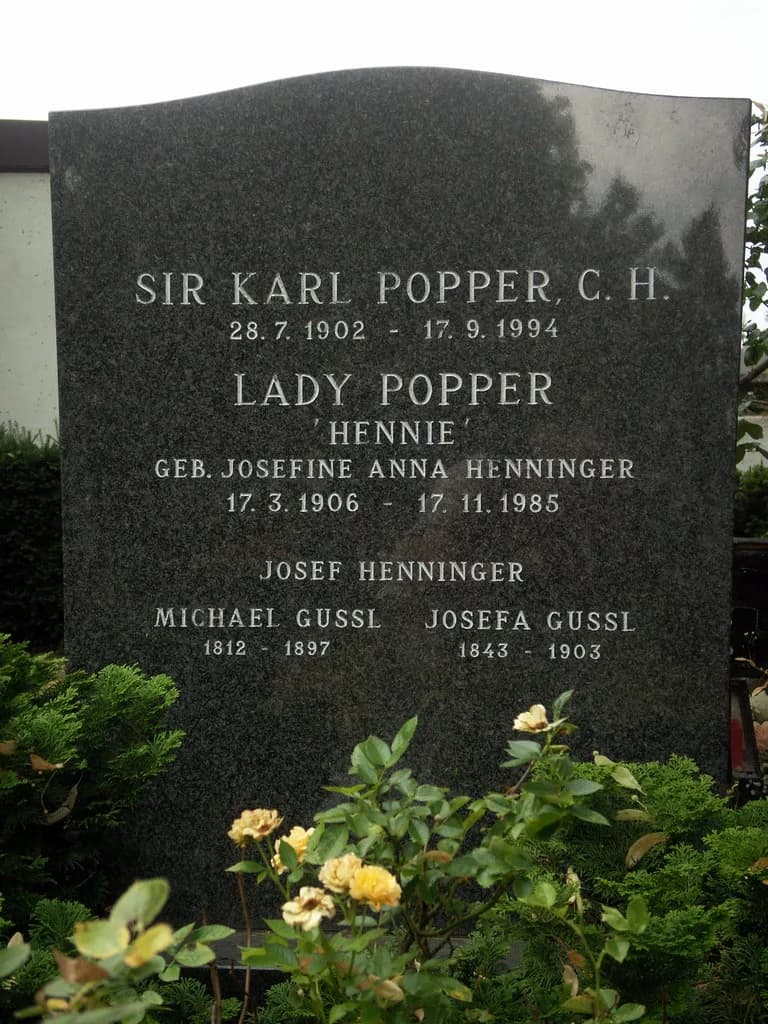
July 28, 1902
Vienna, Austria
মৃত্যু
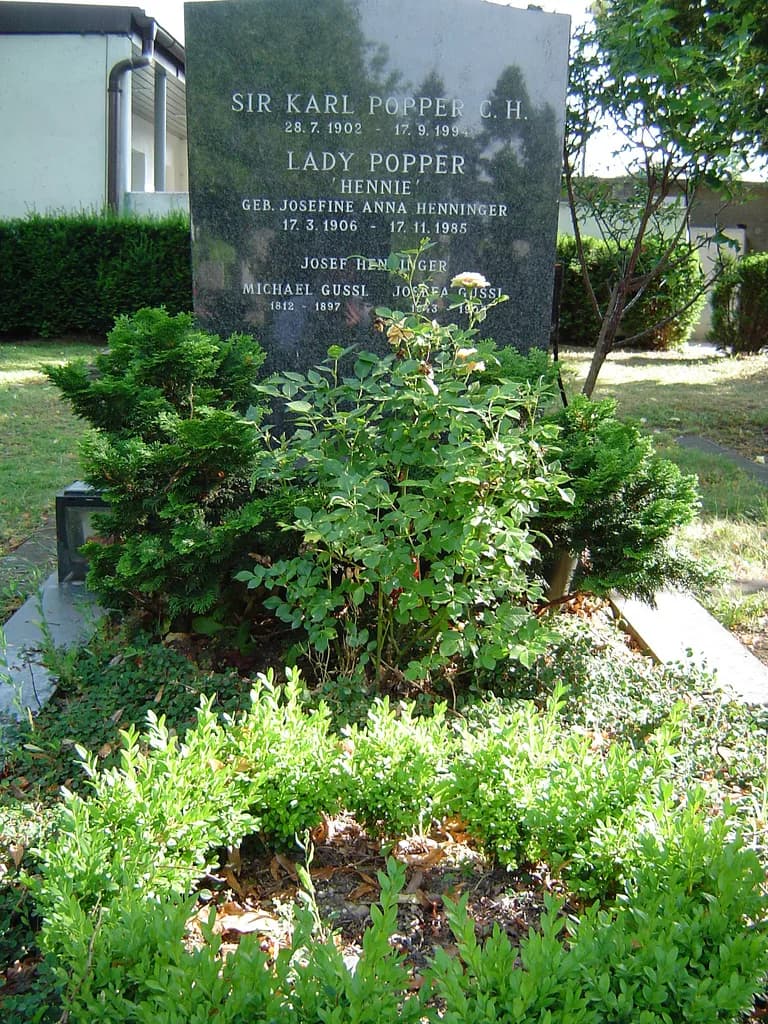
September 17, 1994
Kenley, United Kingdom
যার জন্য পরিচিত
Austrian-British philosopher of science and social and política e falsificationism and for criticism of Plato, Hegel and Marx as totalitarian opponents of open society
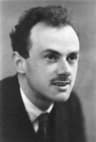
Karl Popper (1902–1994) was Austria best known for Austrian-British philosopher of science and social and política e falsificationism and for criticism of Plato, Hegel and Marx as totalitarian opponents of open society.
Sir Karl Raimund Popper (July 28, 1902 – September 17, 1994) was an Austrian-British philosopher of science and social commentator. He is known for his empirical falsification criterion and for founding the Department of Philosophy at the London School of Economics. His work on critical rationalism and the open society profoundly influenced modern thought.
অধ্যায়
জীবনের অধ্যায়
অধ্যায় 1 · 1902· অধ্যায় 1 / 6
Early Life and Origins
Karl Popper was born in Vienna, Austria, on July 28, 1902, into a vibrant intellectual environment. His early life in Vienna laid the foundation for a remarkably diverse professional career that would see him recognized across various disciplines. Popper pursued numerous intellectual interests, identifying himself professionally as a writer, teacher, mathematician, university teacher, sociologist, and philosopher, specifically a philosopher of science.
অধ্যায় 2· অধ্যায় 2 / 6
Career Beginnings
Popper’s intellectual journey began with his work as a teacher and mathematician, professions that undoubtedly shaped his rigorous analytical approach. It was during these early years that he started formulating the core ideas that would later define his philosophical system. His early insights challenged prevailing views on scientific methodology, setting the stage for his groundbreaking work in the philosophy of science.
অধ্যায় 3· অধ্যায় 3 / 6
Major Achievements and Career Highlights
Sir Karl Popper's career was marked by significant achievements that reshaped philosophical thought and institutional structures. He founded the prestigious Department of Philosophy at the London School of Economics and Political Science, establishing a lasting academic legacy. Popper is most famously known for his rejection of the classical inductivist views on the scientific method, replacing them with his influential concept of empirical falsification.
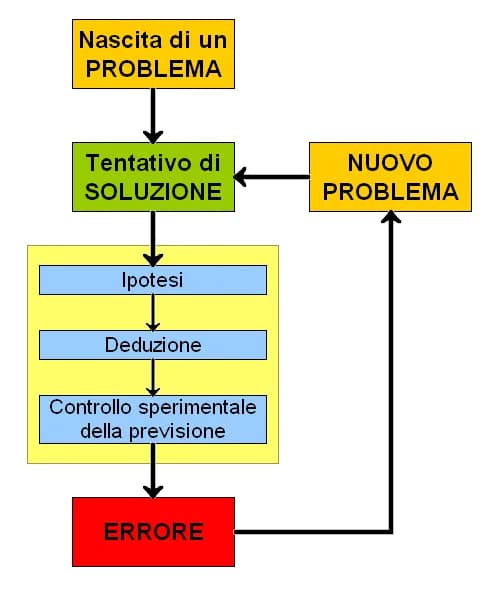
Central to his philosophy was the falsifiability criterion, which proposed that a theory in the empirical sciences could never be definitively proven but could be scrutinized and potentially falsified by decisive experiments. This principle was a cornerstone of his broader philosophical system, critical rationalism, which he described as "the first non-justificational philosophy of criticism in the history of philosophy." He was also a staunch critic of the classical justificationist account of knowledge, offering a robust alternative through his work.
অধ্যায় 4 · 1934· অধ্যায় 4 / 6
Notable Works and Contributions
Karl Popper authored several canonical works that continue to be studied and debated worldwide. His first major work, "Logik der Forschung," published in 1934, presented his theory of falsifiability and critiques of induction, laying the groundwork for much of his later thought. This work was later translated into English as "The Logic of Scientific Discovery," becoming a standard text in the philosophy of science.
Another monumental contribution was "The open society and its enemies," a powerful two-volume work published in 1945, which offered a searing criticism of Plato, Hegel, and Marx, whom he viewed as proponents of totalitarian ideologies and opponents of the open society. Other important titles include "Conjectures and refutations," which further elaborated on his philosophical method, and "Alles leben ist Problemlösen." His extensive bibliography also includes "Popper und die Menschenrechte" and "Bemerkungen zu Theorie und Praxis des demokratischen Staates," reflecting his deep engagement with social and political philosophy. His academic contributions include top works such as "La lógica de la investigación científica" (1980), which garnered 495 citations.
অধ্যায় 5 · 1994· অধ্যায় 5 / 6
Later Years
Sir Karl Popper continued to write and teach well into his later years, solidifying his standing as an Austrian-British intellectual giant. His relocation to the United Kingdom contributed to his identity as an Austrian-British philosopher, influencing generations of students and scholars. He passed away on September 17, 1994, in Kenley, United Kingdom, at the age of 92, leaving behind an extraordinary body of work.
অধ্যায় 6· অধ্যায় 6 / 6
Legacy and Impact
The impact of Sir Karl Popper's ideas reverberates across philosophy, science, and political thought. His criterion of falsifiability transformed the understanding of scientific inquiry, shifting focus from verification to critical testing. Critical rationalism continues to offer a robust framework for knowledge acquisition and intellectual discourse, challenging conventional views on justification.
Beyond the philosophy of science, Popper's impassioned defense of the open society against totalitarian threats, as articulated in "The open society and its enemies," remains a cornerstone of liberal democratic thought. His profound influence cemented his position as one of the 20th century's most celebrated and debated thinkers, with his contributions continuing to shape contemporary intellectual discussions on truth, knowledge, and society.
মুহূর্তে এক জীবন
যে মুহূর্তগুলি একটি জীবন গড়েছে
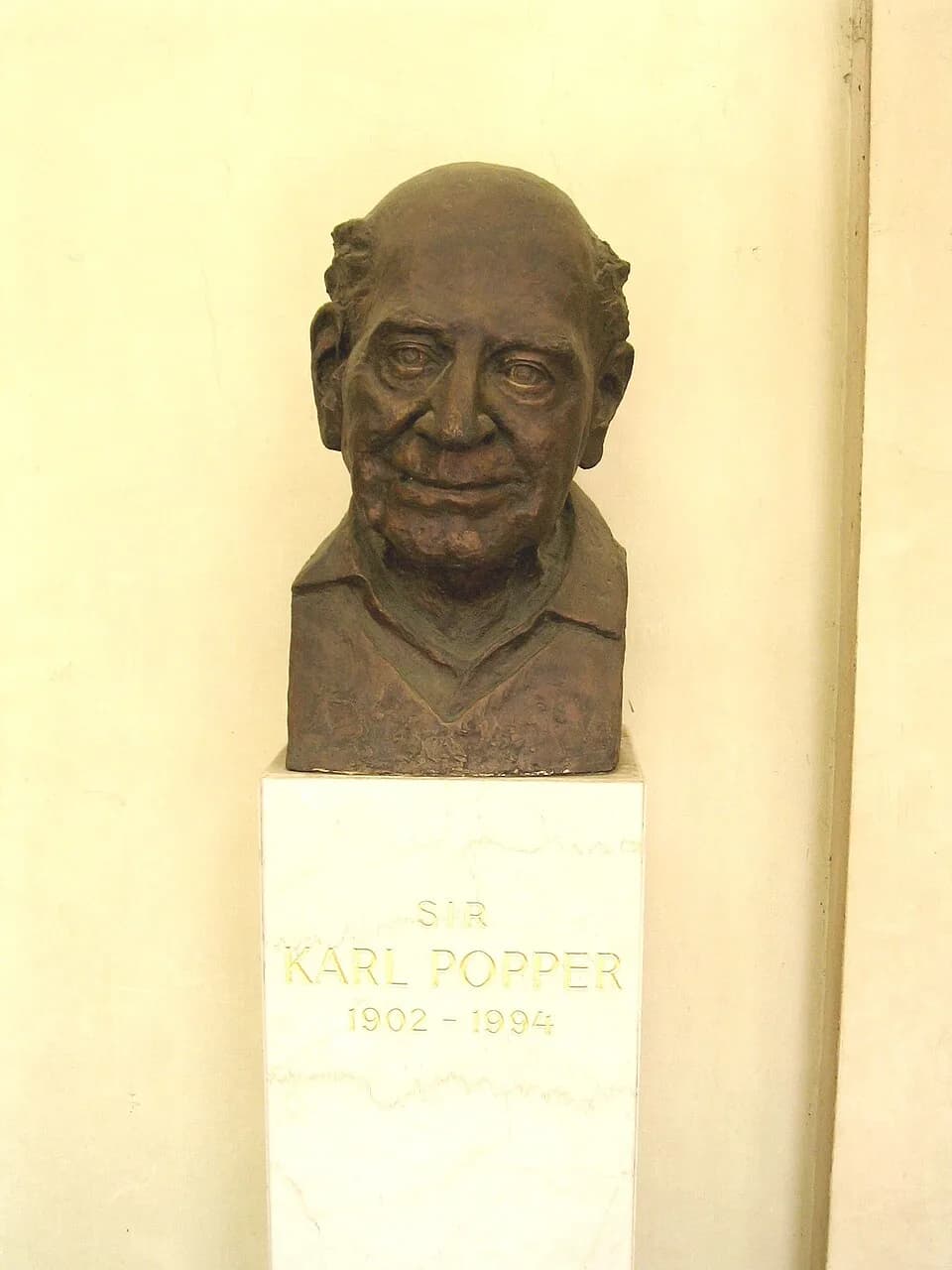
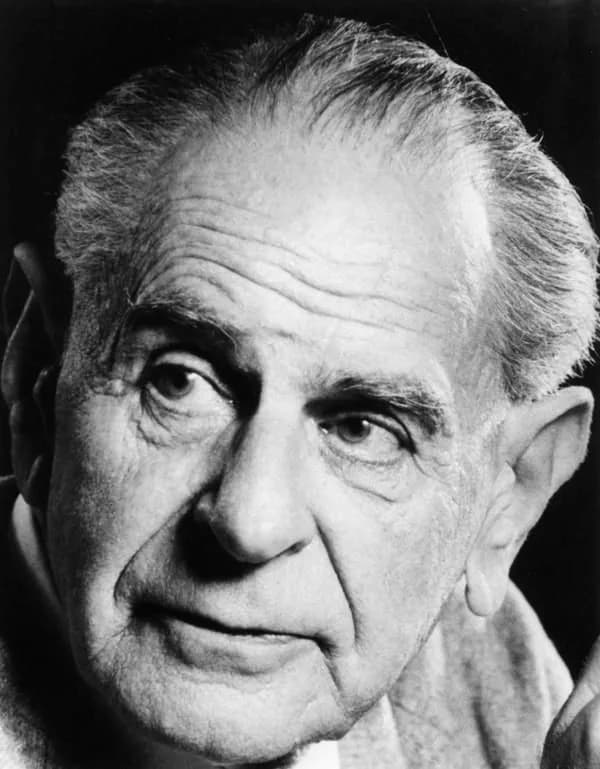
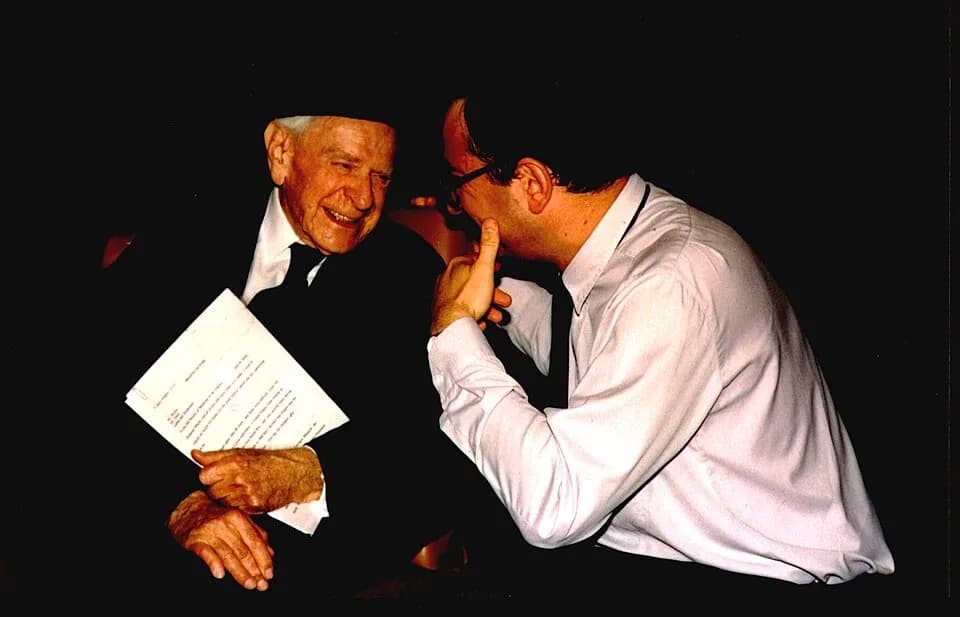
প্রশ্নোত্তর
প্রায়শই জিজ্ঞাসিত
Karl Popper কখন মারা গেছেন?
Karl Popper ১৭ সেপ্টেম্বর, ১৯৯৪ তারিখে Kenley, United Kingdom-এ মারা গেছেন, 92 বছর বয়সে।
Karl Popper কোথায় জন্মগ্রহণ করেছিলেন?
Karl Popper Vienna, Austria-এ ২৮ জুলাই, ১৯০২ তারিখে জন্মগ্রহণ করেছিলেন।
Karl Popper কীসের জন্য সবচেয়ে বেশি পরিচিত?
Karl Popper Austrian-British philosopher of science and social and política e falsificationism and for criticism of Plato, Hegel and Marx as totalitarian opponents of open society-এর জন্য সবচেয়ে বেশি পরিচিত।
মৃত্যুর সময় Karl Popper-এর বয়স কত ছিল?
মৃত্যুর সময় Karl Popper-এর বয়স 92 বছর ছিল।
Karl Popper-এর জাতীয়তা কী ছিল?
Karl Popper Austria থেকে এসেছিলেন।
টাইমলাইন
এক নজরে জীবন
ছবি গ্যালারি
ছবিতে এক জীবন
প্রসারিত করতে যেকোনো পোলারয়েড ক্লিক করুন · 37টি ছবি
QR কোড
এই জীবনী ভাগ করুন
প্রিন্ট ও ভাগ করুন
এই জীবনী পৃষ্ঠা দেখতে স্ক্যান করুন। ইভেন্ট, প্রদর্শনী বা শিক্ষামূলক উপকরণের জন্য প্রিন্ট করুন।