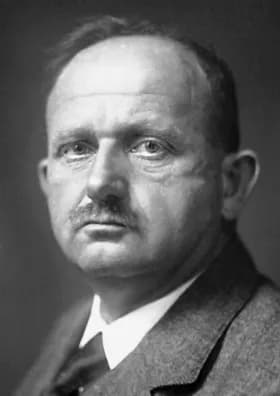
Биография · German chemist

4 min read · 865 words

Hans Fischer

1881 · 1945

Изживени години
63
Снимки
50
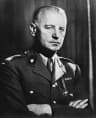
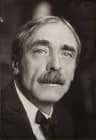
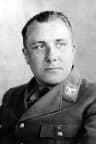
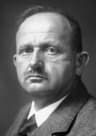
Hans Fischer portrait

Роден

July 27, 1881

Höchst, Germany

Починал

March 31, 1945

Munich, Germany

Известен с

German chemist

Hans Fischer (July 27, 1881 – March 31, 1945) was a German chemist who won the 1930 Nobel Prize in Chemistry. His research into haemin and chlorophyll synthesis advanced biochemistry. His work laid foundations for modern molecular biology.

Живот в моменти

Моментите, които оформиха един живот

Написано на English

Глава

Глави от живота

Глава 1 · 1881· Глава 1 от 7

Early Life and Origins

Hans Fischer was born on July 27, 1881, in Höchst, Germany, during a period of rapid industrial and scientific development in the German states. Growing up in this environment likely influenced his later interest in chemistry and medicine. His birthplace of Höchst would later become known for its chemical industry, making it a fitting origin for someone who would dedicate his life to chemical research.

Fischer pursued both medical and chemical education, reflecting the interdisciplinary nature of his later career. This dual training in medicine and chemistry would prove essential to his groundbreaking research into biological molecules. His educational background prepared him to bridge the gap between pure chemistry and medical applications.

Глава 2· Глава 2 от 7

Career Beginnings

Fischer began his professional career with training as both a physician and chemist, establishing the foundation for his later work in biochemistry. His early career coincided with major advances in organic chemistry and the emerging field of biochemistry. As a university teacher, he began developing the research programs that would define his scientific contributions.

His initial work focused on understanding the chemical structure of biological compounds. This research direction would prove prescient, as the early 20th century saw growing interest in applying chemical methods to biological problems. Fischer's medical background gave him unique insights into which chemical problems had the greatest biological significance.

Глава 3 · 1930· Глава 3 от 7

Major Achievements and Career Highlights

Fischer's most significant achievement was his research into haemin and chlorophyll, work that earned him the 1930 Nobel Prize in Chemistry. The Nobel Committee specifically recognized his "researches into the constitution of haemin and chlorophyll and especially for his synthesis of haemin." This research represented a major advance in understanding how these essential biological molecules function.

His synthesis of haemin was particularly groundbreaking because it demonstrated that complex biological molecules could be created in the laboratory. Haemin, a component of hemoglobin, plays a crucial role in oxygen transport in blood. Chlorophyll, the molecule responsible for photosynthesis in plants, converts light energy into chemical energy that sustains most life on Earth.

Fischer's work as an internist and biochemist allowed him to understand both the medical importance of these molecules and their chemical properties. His research provided the foundation for later advances in understanding blood disorders and plant biology. The synthesis techniques he developed influenced generations of organic chemists working on biological molecules.

Глава 4· Глава 4 от 7

Personal Life

Fischer spent much of his career in Germany, eventually settling in Munich where he continued his research until his death. His life spanned a turbulent period in German history, including both World Wars and major political changes. Despite these challenges, he maintained his focus on scientific research and education.

As a university teacher, Fischer influenced many students who would go on to make their own contributions to chemistry and biochemistry. His role as an educator was as important as his research, helping to establish biochemistry as a distinct scientific discipline in German universities.

Глава 5· Глава 5 от 7

Notable Works and Contributions

Fischer's synthesis of haemin stands as his most notable scientific contribution. This achievement required developing new synthetic methods and understanding the complex ring structure of porphyrins, the family of molecules that includes both haemin and chlorophyll. His work revealed the structural similarities between these two seemingly different biological molecules.

His research into chlorophyll constitution helped explain how plants capture and convert solar energy. This work laid the groundwork for modern understanding of photosynthesis and its role in global energy cycles. Fischer's methods for analyzing these complex molecules became standard techniques in biochemical research.

Beyond his Nobel Prize-winning research, Fischer contributed to the broader development of biochemistry as a scientific field. His integration of medical knowledge with chemical methods helped establish the interdisciplinary approach that characterizes modern biochemical research.

Глава 6· Глава 6 от 7

Later Years

Fischer continued his research and teaching activities in Munich through the challenging years of the 1930s and early 1940s. Despite the difficult political climate in Germany during this period, he maintained his scientific work until near the end of his life. His later years were marked by continued contributions to understanding biological molecules and training new generations of scientists.

He remained active in research until his death on March 31, 1945, in Munich. His final years coincided with the end of World War II, a period of tremendous upheaval in Germany and throughout Europe. Fischer died as the scientific community was beginning to rebuild and reorganize after the war.

Глава 7· Глава 7 от 7

Legacy and Impact

Fischer's work established fundamental principles for understanding how biological molecules function at the chemical level. His synthesis of haemin proved that complex biological molecules could be created artificially, opening new possibilities for medical treatments and biological research. This achievement helped establish biochemistry as a mature scientific discipline.

Modern research into blood disorders, photosynthesis, and molecular biology builds directly on Fischer's foundational work. His methods for analyzing and synthesizing porphyrin molecules remain relevant to current research. The Nobel Prize recognition of his work reflected its importance not just in chemistry, but in advancing human understanding of life processes.

Fischer's career exemplifies the productive combination of medical training with chemical research. His approach of applying rigorous chemical methods to biological problems became a model for the field of biochemistry. Today's biochemists continue to use approaches that Fischer helped establish in his pioneering research into the molecules essential to life.

Хронология

Животът накратко

  1. 1881

    Early Life and Origins

  2. 1930

    Major Achievements and Career Highlights

Фотогалерия

Живот в снимки

Кликнете върху всеки полароид, за да го разширите · 50 снимки

QR код

Споделете тази биография

Принтирайте и споделете

Сканирайте, за да посетите тази биография. Принтирайте за събития, изложби или образователни материали.
Източници и препратки