Doğulub
April 23, 1899
Parish of Klippan, Sweden
Vəfat edib
August 3, 1979
Parish of Undersåker, Sweden
Tanındığı sahə
Swedish economist and politician
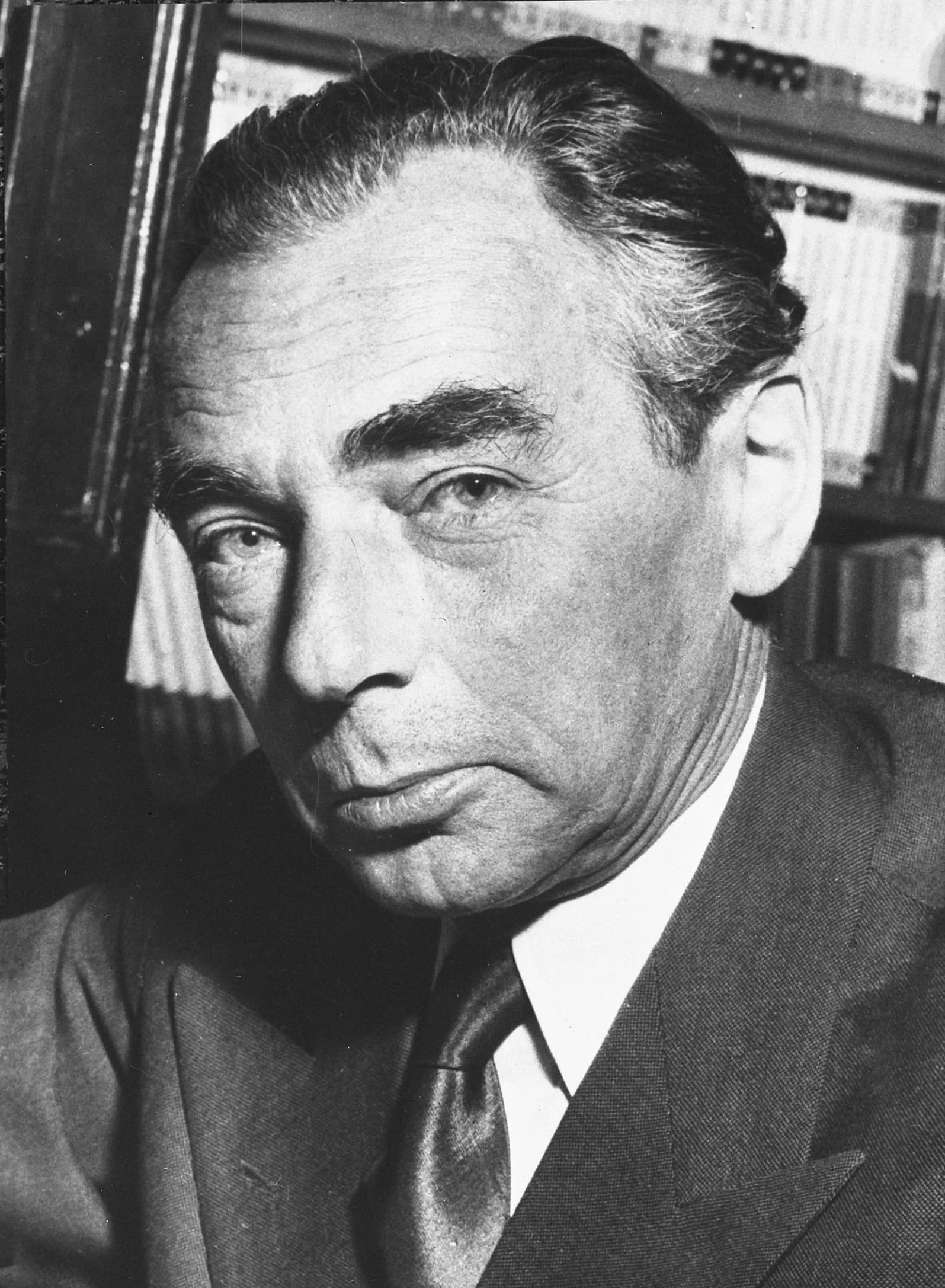
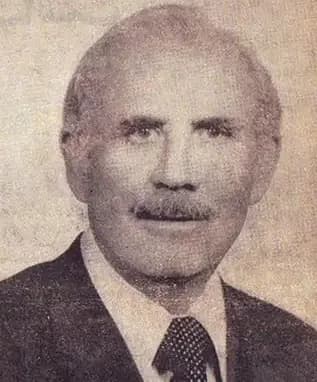
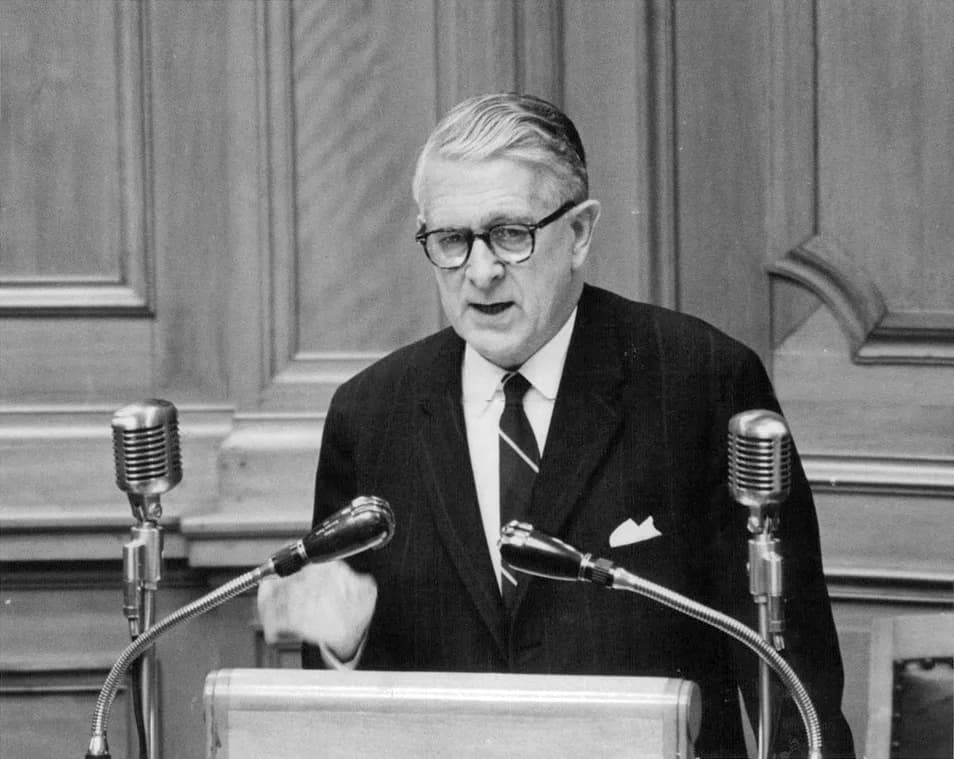
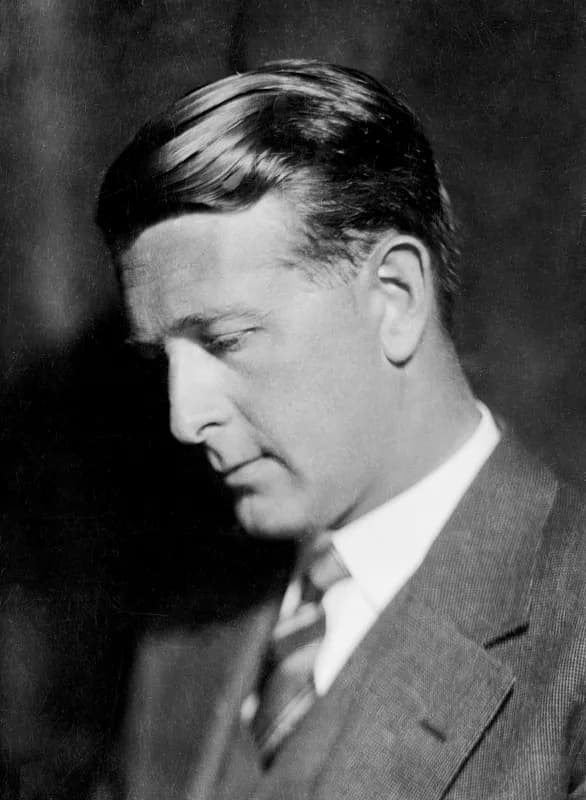
Bertil Ohlin (1899–1979) was Sweden best known for Swedish economist and politician.
Bertil Ohlin (April 23, 1899 – August 3, 1979) was a Swedish economist and politician. He was known for his pathbreaking contributions to international trade theory, earning him a Nobel Memorial Prize in Economic Sciences in 1977. His legacy continues to influence economic thought and policy.
Anlarda bir həyat
Bir həyatı formalaşdıran anlar
Fəsil
Həyat fəsilləri
Fəsil 1 · 1899· Fəsil 1 / 8
Remembering Bertil Ohlin: Economist, Politician, and Nobel Laureate
Bertil Gotthard Ohlin (April 23, 1899 – August 3, 1979) was a highly influential Swedish economist, politician, and university teacher. His groundbreaking research into the theory of international trade and international capital movements earned him the prestigious Nobel Memorial Prize in Economic Sciences in 1977. Ohlin's career spanned decades, marked by significant contributions to both academia and public service, profoundly shaping economic thought and policy.
Fəsil 2 · 1899· Fəsil 2 / 8
Early Life and Origins
Bertil Gotthard Ohlin was born on April 23, 1899, in the Parish of Klippan, Sweden. His early life in the Swedish countryside provided the foundation for a career that would ultimately place him at the forefront of global economic discussions. While specific details about his family background are not extensively provided, his Swedish roots remained central to his identity.
Fəsil 3 · 1929· Fəsil 3 / 8
Career Beginnings
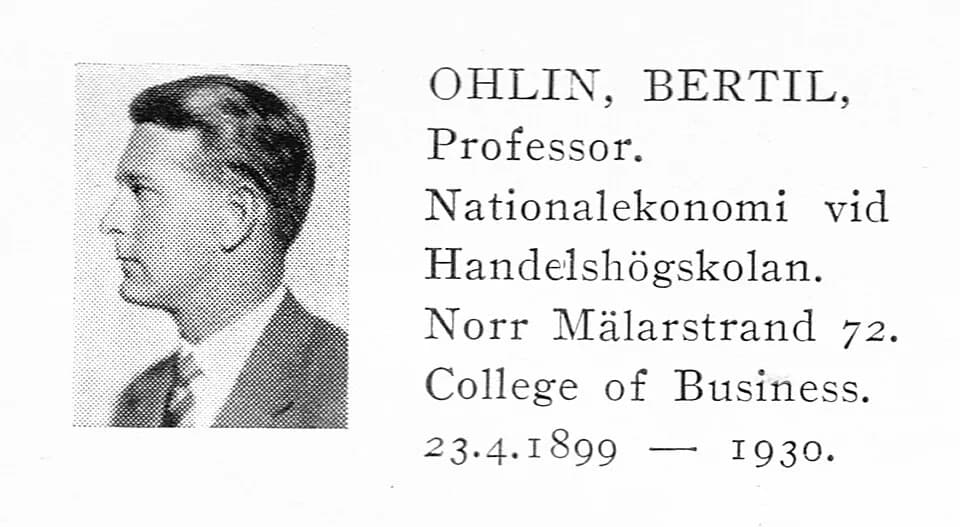
Ohlin began his distinguished academic career when he was appointed as a professor of economics at the Stockholm School of Economics in 1929. He held this esteemed position for a significant tenure, serving until 1965. During these years, Ohlin developed and refined many of the economic theories that would later define his legacy.
His early work at the Stockholm School of Economics quickly established him as a leading figure in the field of economic science. This period was crucial in forming the theoretical underpinnings of his later, more widely recognized contributions to international trade and capital movements.
Fəsil 4 · 1944· Fəsil 4 / 8
Major Achievements and Career Highlights
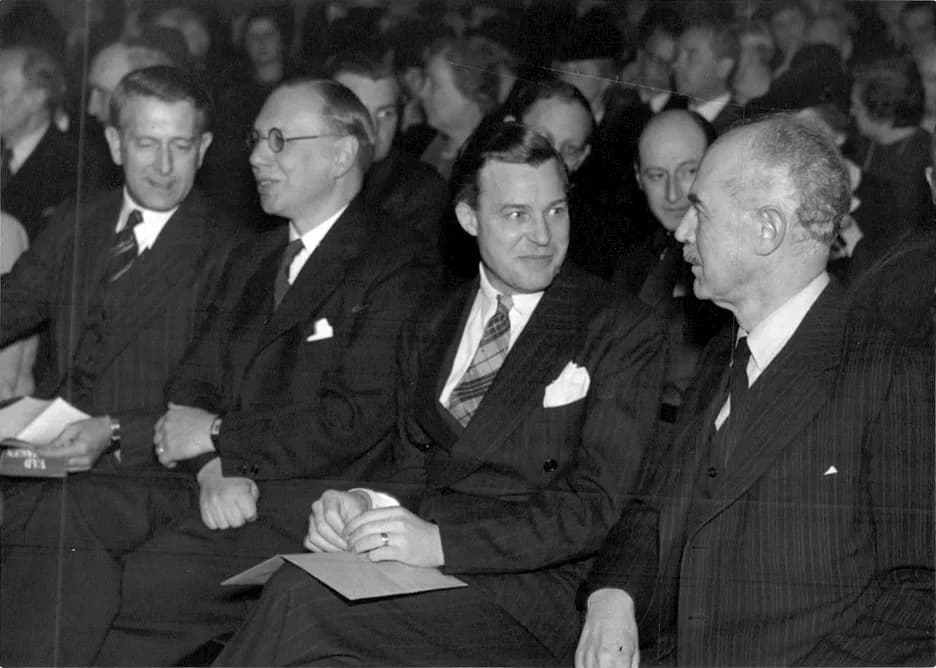
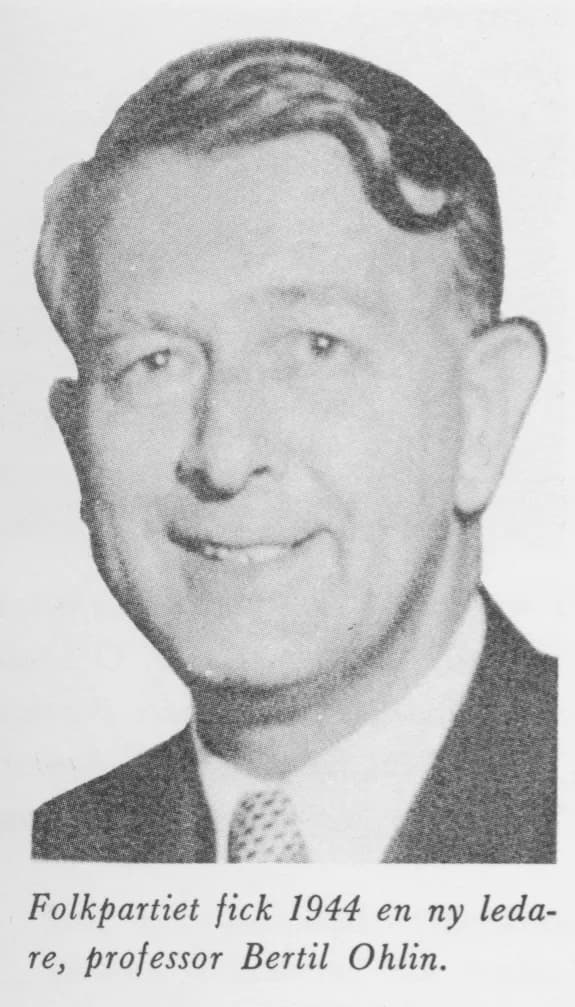
Bertil Ohlin's career was a blend of academic rigor and dedicated public service. From 1944 to 1967, he served as the leader of the People's Party, a social-liberal political party, which at the time was the largest opposition party to the governing Social Democratic Party in Sweden. This long leadership role demonstrated his enduring commitment to Swedish politics and his vision for the nation.
During World War II, Ohlin briefly took on the role of Minister of Commerce and Industry from 1944 to 1945 within the Swedish coalition government. His involvement in the wartime government showcased his practical application of economic principles to national policy. Furthermore, his international standing was recognized through his service as President of the Nordic Council in both 1959 and 1964, highlighting his influence across the Scandinavian region.
The pinnacle of his academic and professional achievements arrived in 1977 when he was jointly awarded the Nobel Memorial Prize in Economic Sciences. This esteemed recognition was given for his pathbreaking contributions to the theory of international trade and international capital movements, cementing his status as a titan in global economic thought.
Fəsil 5· Fəsil 5 / 8
Personal Life
While Bertil Ohlin's professional life was extensively documented through his academic publications and political roles, details regarding his personal life, family, or specific interests outside of his extensive career are not provided in the available information. His dedication appears to have been largely channeled into his work as an economist and politician.
Fəsil 6· Fəsil 6 / 8
Notable Works or Contributions
Bertil Ohlin's academic output was substantial, with an h-index of 4 across 22 published papers, indicating a focused and impactful body of work. His research significantly advanced the understanding of economic phenomena, particularly concerning international exchange.
Among his most cited and influential works is "Penningpolitik, offentliga arbeten, subventioner och tullar som medel mot arbetslöshet : bidrag till expansionens teori" from 1934, which garnered 14 citations. Another significant contribution was "Till frågan om penningteoriens uppläggning," published in 1933, receiving 13 citations, demonstrating his early engagement with monetary theory. He further explored monetary concepts in "Stockholmsskolan kontra kvantitetsteorien. En analys av variationer i penningmängd, likviditet, köpkraft och prisutveckling," released in 1943.
Ohlin also offered personal insights into his political journey through his memoirs. These include "Bertil Ohlins memoarer : Ung man blir politiker," published in 1972, and "Bertil Ohlins memoarer, 1940-1951 : socialistisk skördetid kom bort," released in 1975. These writings provide a valuable perspective on his experiences and the political climate of his time.
Fəsil 7 · 1967· Fəsil 7 / 8
Later Years
After a distinguished career that saw him lead a major political party and hold a prominent professorship, Bertil Ohlin continued to be an esteemed figure. He stepped down as leader of the People's Party in 1967 and concluded his professorship at the Stockholm School of Economics in 1965. His later years were marked by the profound honor of receiving the Nobel Memorial Prize in Economic Sciences in 1977.
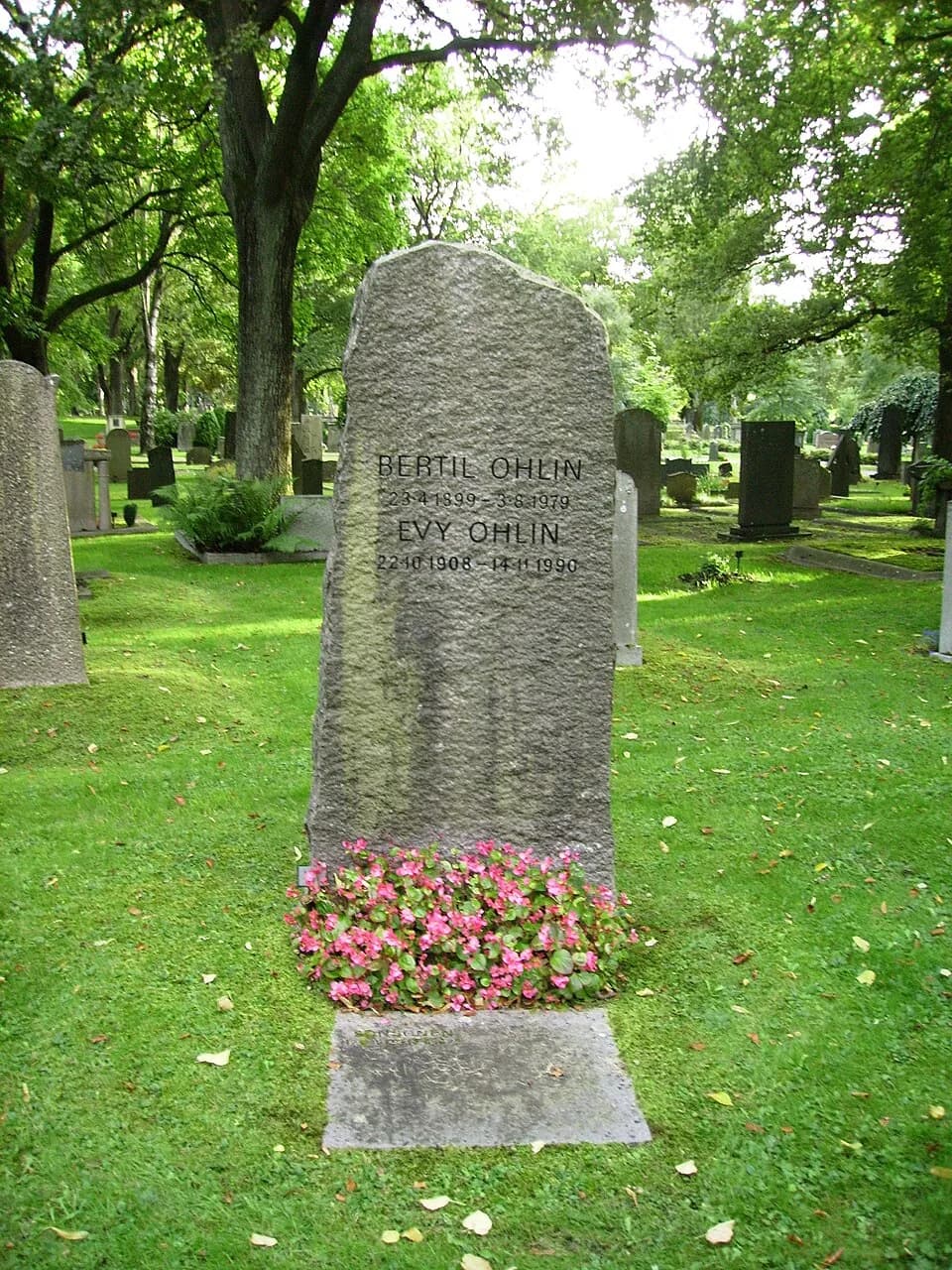
Bertil Ohlin passed away on August 3, 1979, in the Parish of Undersåker, Sweden. He left behind an enduring legacy just two years after receiving one of the highest honors in his field, having dedicated his life to advancing both economic theory and public welfare.
Fəsil 8· Fəsil 8 / 8
Legacy and Impact
The legacy of Bertil Ohlin is firmly rooted in his innovative contributions to the theory of international trade and international capital movements. His ideas reshaped how economists and policymakers understand global economic interactions, and they continue to be fundamental concepts taught in universities worldwide. The Nobel Memorial Prize served as a formal recognition of the lasting significance of his work.
Beyond his academic influence, Ohlin's political career as leader of the People's Party for over two decades left a substantial mark on Swedish social-liberal policy. His ability to bridge the worlds of academic economics and practical governance showcased a rare versatility and dedication. Bertil Ohlin remains a revered figure for his dual impact on economic science and the political landscape of the 20th century.
FAQ
Tez-tez verilən
Bertil Ohlin nə vaxt vəfat edib?
Bertil Ohlin 3 avqust 1979 tarixində Parish of Undersåker, Sweden-də, 80 yaşında vəfat edib.
Bertil Ohlin harada anadan olub?
Bertil Ohlin Parish of Klippan, Sweden-də 23 aprel 1899 tarixində anadan olub.
Bertil Ohlin ən çox nə ilə tanınır?
Bertil Ohlin ən çox Swedish economist and politician ilə tanınır.
Bertil Ohlin öldüyü zaman neçə yaşında idi?
Bertil Ohlin öldüyü zaman 80 yaşında idi.
Bertil Ohlin-in milliyyəti nə idi?
Bertil Ohlin Sweden-dan idi.
Xronologiya
Bir baxışda həyat
Foto qalereyası
Şəkillərdə bir həyat
Genişləndirmək üçün polaroidə klikləyin · 25 foto
QR kod
Bu bioqrafiyanı paylaş
Çap et və paylaş
Bu bioqrafiya səhifəsini ziyarət etmək üçün skan edin. Tədbirlər, sərgilər və ya təhsil materialları üçün çap edin.