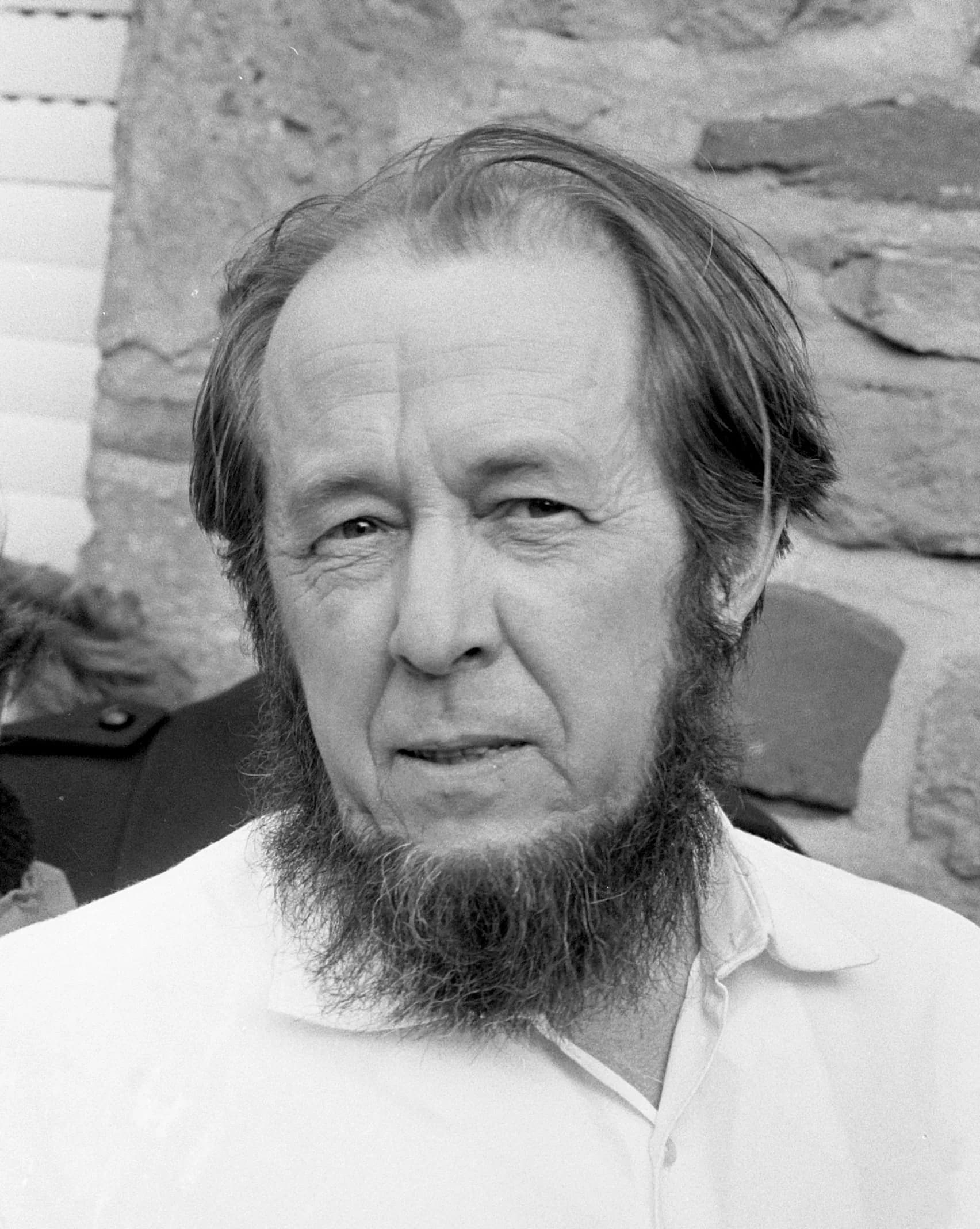
Doğulub
December 11, 1918
Kislovodsk, Russia
Vəfat edib
August 3, 2008
Moscow, Duchy of Moscow
Tanındığı sahə
Russian writer, publicist, poet and politician
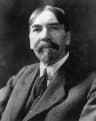
Aleksandr Solzhenitsyn (1918–2008) was Russia best known for Russian writer, publicist, poet and politician.
Aleksandr Solzhenitsyn (December 11, 1918 – August 3, 2008) was a Russian writer, publicist, and dissident. He raised global awareness of political repression in the Soviet Union and the Gulag system, earning the 1970 Nobel Prize in Literature. His work challenged the Soviet state and left a lasting legacy.
Fəsil
Həyat fəsilləri
Fəsil 1 · 1918· Fəsil 1 / 6
Early Life and Origins
Aleksandr Solzhenitsyn was born on December 11, 1918, in Kislovodsk, Russia. His early years unfolded against the backdrop of a rapidly changing nation, deeply influencing his perspectives and later literary themes. The specific details of his family life and upbringing from this period are not widely publicized, yet they undoubtedly fostered the inquisitive and ethical spirit that would define his future work.
Fəsil 2· Fəsil 2 / 6
Career Beginnings
Before achieving international fame as a writer and dissident, Solzhenitsyn pursued a diverse range of professions. He served as military personnel, a teacher, and a school teacher, roles that offered him direct insights into Soviet society and its institutions. His early career also included work as a poet, historian, playwright, and opinion journalist, demonstrating a broad intellectual engagement with various forms of expression and public discourse.
These experiences as a novelist, militant, prose writer, and short story writer laid the groundwork for his eventual emergence as a powerful literary figure. His foundational experiences provided him with a unique vantage point from which to observe and critique the political landscape. This comprehensive background as a public figure and writer contributed significantly to the depth and authenticity of his later, more politically charged works.
Fəsil 3 · 1970· Fəsil 3 / 6
Major Achievements and Career Highlights
Solzhenitsyn's most significant achievement was his steadfast commitment to truth and justice, which culminated in his being awarded the 1970 Nobel Prize in Literature. The Swedish Academy recognized him "for the ethical force with which he has pursued the indispensable traditions of Russian literature." This award highlighted his profound moral stance and his dedication to the literary heritage of his homeland.
His nonfiction work, The Gulag Archipelago, stands as a monumental historical and literary achievement, selling tens of millions of copies worldwide. This extraordinary publication amounted to a direct and forceful challenge to the Soviet state, exposing the horrors of its vast system of forced labor camps. The book was instrumental in raising global awareness of the extent of political repression and human suffering under Soviet rule.
Fəsil 4· Fəsil 4 / 6
Notable Works or Contributions
Aleksandr Solzhenitsyn's bibliography includes a powerful array of works that exposed the injustices of the Soviet system and explored deep philosophical and ethical questions. Among his most recognized creations are One Day in the Life of Ivan Denisovich, a novel that brought the realities of the Gulag to a broad audience, and the aforementioned The Gulag Archipelago, a searing indictment of Soviet totalitarianism. These works provided undeniable evidence of a hidden system of oppression, shocking the world with their candor and detail.
Other significant contributions include plays and essays such as Love-Girl and the Innocent, Cancer Ward, and Warning to the West. He also authored historical and political analyses like April 1917, Detente, Democracy and Dictatorship, and the essay We Have Ceased to See the Purpose. Each of these works contributed to his growing reputation as a fearless truth-teller, cementing his place as one of the twentieth century's most influential writers and public intellectuals.
Fəsil 5 · 2008· Fəsil 5 / 6
Later Years
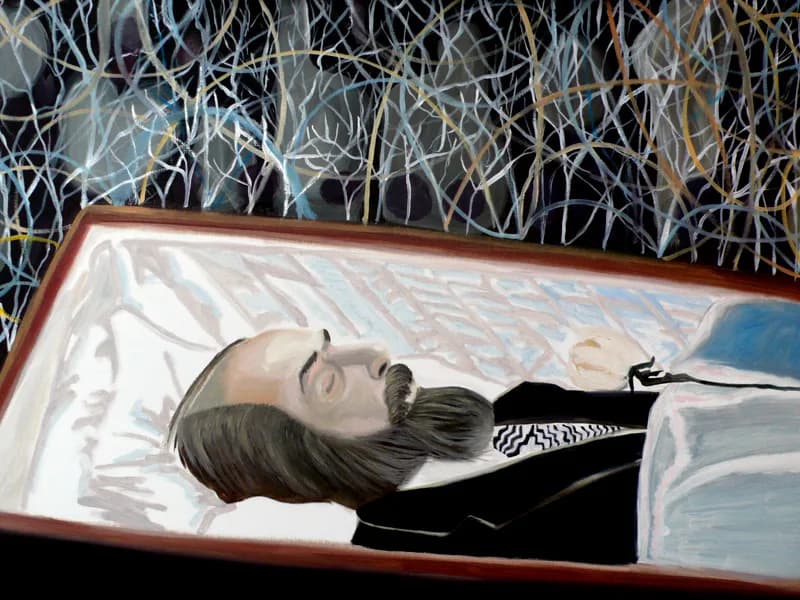
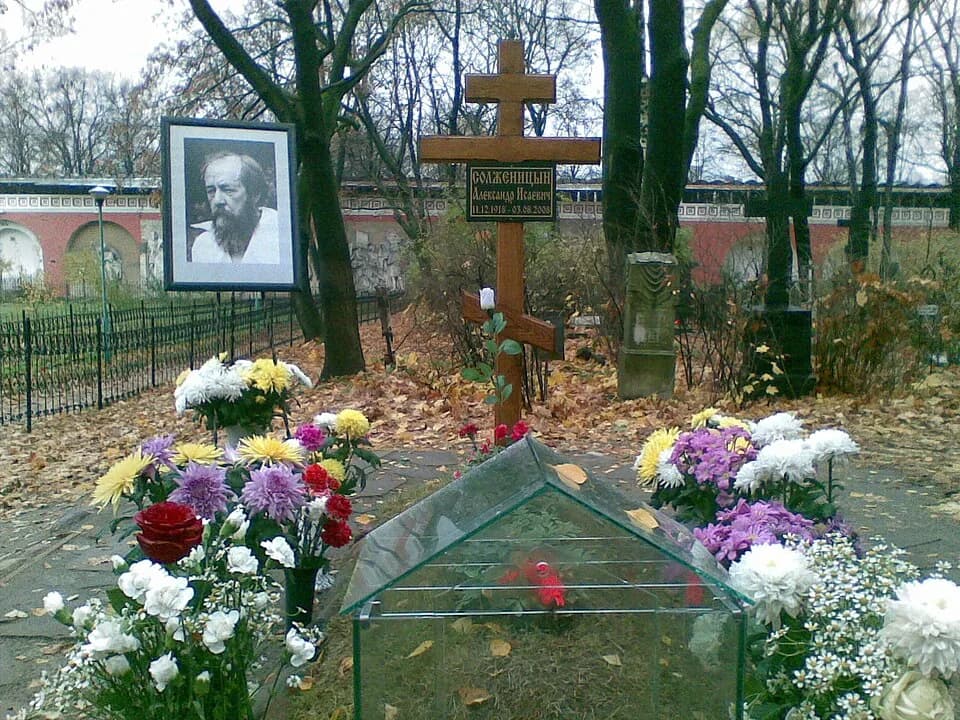
After decades of struggle and exile, Aleksandr Solzhenitsyn passed away on August 3, 2008, in Moscow, Duchy of Moscow. Despite the adversities he faced, including forced removal from his homeland, he continued to write and advocate for his beliefs. His final years were spent reflecting on Russian history and society, further solidifying his literary and intellectual contributions.
Fəsil 6· Fəsil 6 / 6
Legacy and Impact
Aleksandr Solzhenitsyn's legacy is defined by his courageous role as an author and dissident who helped uncover the truth about the Gulag prison system. His writings initiated a global conversation about human rights and the nature of totalitarian regimes, impacting political discourse and historical understanding across continents. He remains a powerful symbol of intellectual courage and resistance against tyranny, whose influence continues to resonate in contemporary discussions about freedom and justice.
Anlarda bir həyat
Bir həyatı formalaşdıran anlar
FAQ
Tez-tez verilən
Aleksandr Solzhenitsyn nə vaxt vəfat edib?
Aleksandr Solzhenitsyn 3 avqust 2008 tarixində Moscow, Duchy of Moscow-də, 89 yaşında vəfat edib.
Aleksandr Solzhenitsyn harada anadan olub?
Aleksandr Solzhenitsyn Kislovodsk, Russia-də 11 dekabr 1918 tarixində anadan olub.
Aleksandr Solzhenitsyn ən çox nə ilə tanınır?
Aleksandr Solzhenitsyn ən çox Russian writer, publicist, poet and politician ilə tanınır.
Aleksandr Solzhenitsyn öldüyü zaman neçə yaşında idi?
Aleksandr Solzhenitsyn öldüyü zaman 89 yaşında idi.
Aleksandr Solzhenitsyn-in milliyyəti nə idi?
Aleksandr Solzhenitsyn Russia-dan idi.
Xronologiya
Bir baxışda həyat
Foto qalereyası
Şəkillərdə bir həyat
Genişləndirmək üçün polaroidə klikləyin · 43 foto
QR kod
Bu bioqrafiyanı paylaş
Çap et və paylaş
Bu bioqrafiya səhifəsini ziyarət etmək üçün skan edin. Tədbirlər, sərgilər və ya təhsil materialları üçün çap edin.