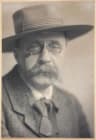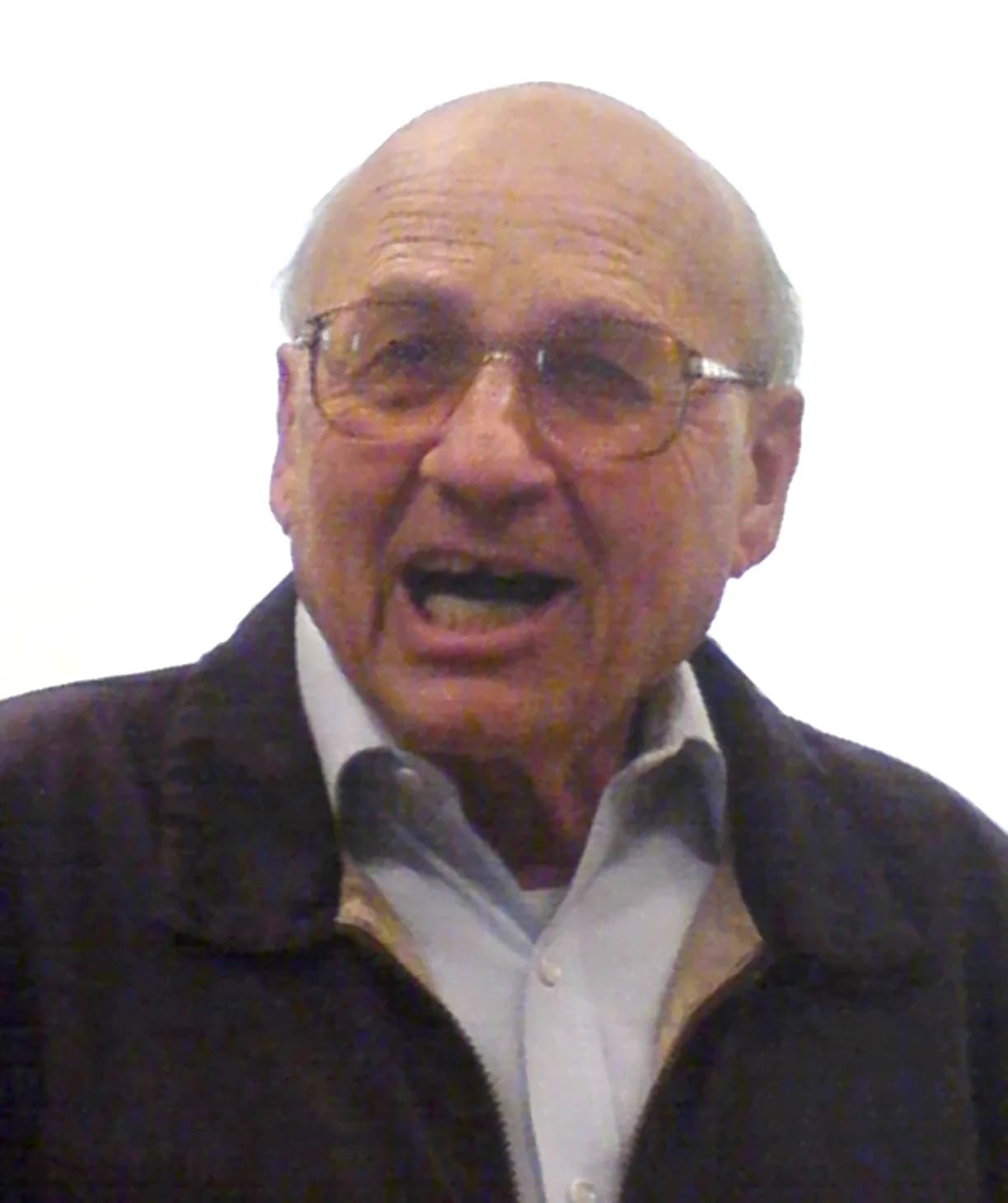
ተወልዶ
March 9, 1923
Vienna, Austria
ሞተ
April 19, 2016
Santa Barbara, United States
የሚታወቁበት
American physicist
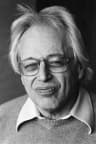
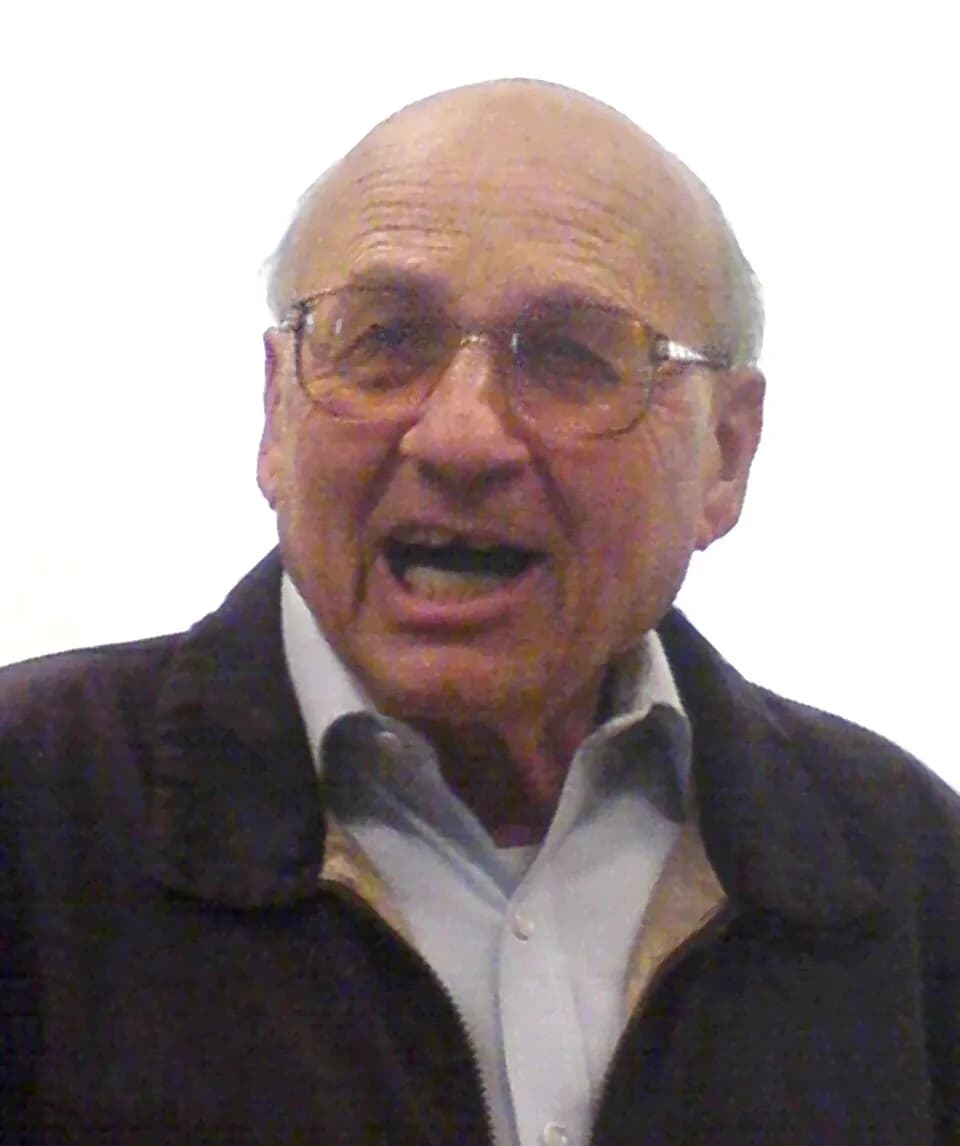
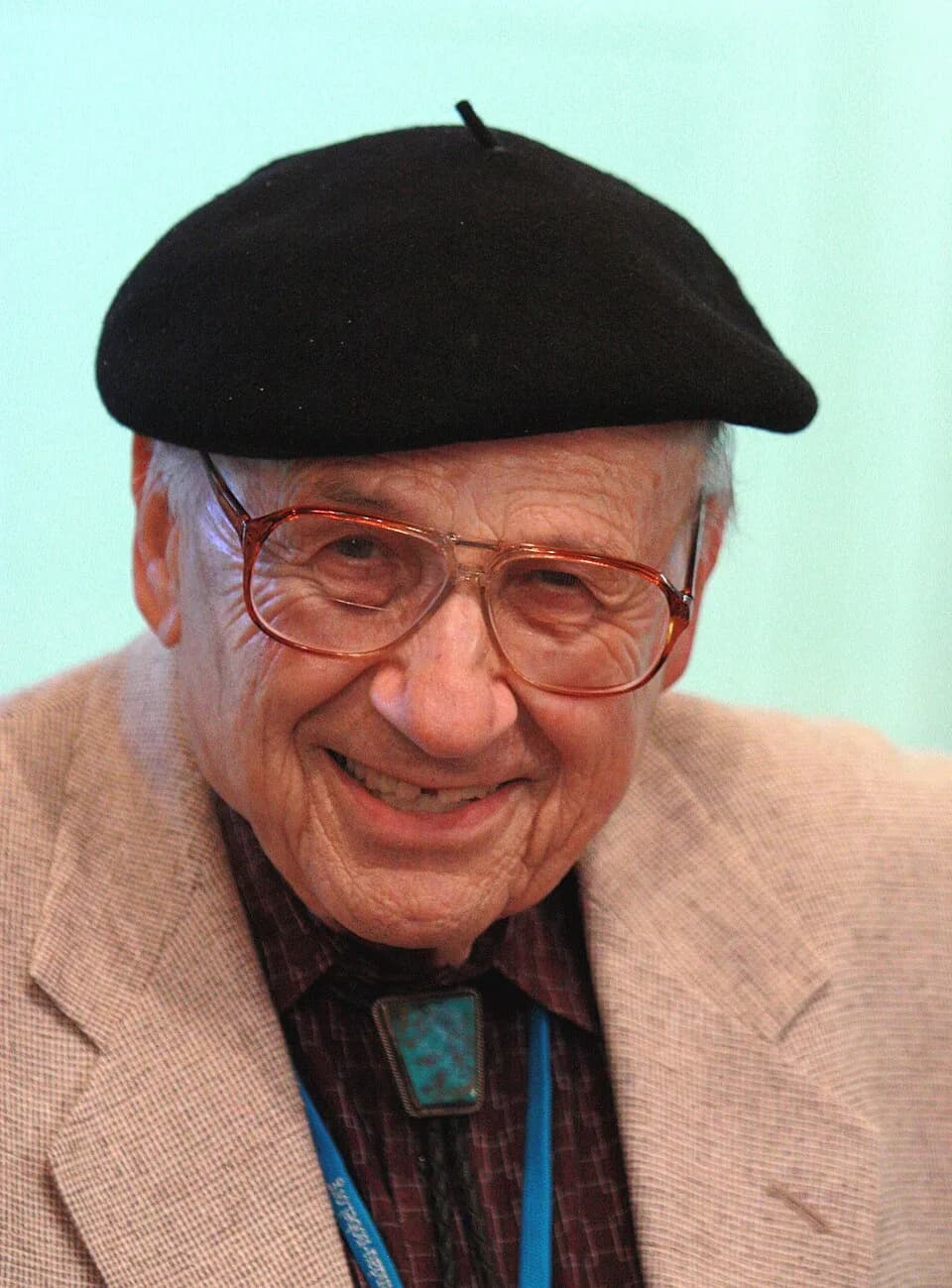
Walter Kohn (1923–2016) was Austria best known for American physicist.
Walter Kohn (March 9, 1923 – April 19, 2016) was an American physicist, chemist, and university teacher from Austria. He was awarded the Nobel Prize in Chemistry in 1998 for his development of density functional theory, which significantly advanced the understanding and calculation of electronic properties of materials. His work remains a vital tool in materials science and chemistry.
ምዕራፍ
የሕይወት ምዕራፎች
ምዕራፍ 1 · 1923· ምዕራፍ 1 ከ 6
Early Life and Origins
Walter Kohn's journey began in Vienna, Austria, where he was born in 1923. His formative years were spent amidst a vibrant European intellectual environment, which likely fostered his early interest in the sciences. The precise details of his family and early education are not provided, but his later academic excellence suggests a strong foundation was laid during this period.
His early life experiences undoubtedly shaped his perspective and dedication to understanding the fundamental principles of the physical world. While the specific influences on his early intellectual development are not detailed, Vienna's rich cultural and scientific heritage would have provided ample inspiration for a young, curious mind.
ምዕራፍ 2· ምዕራፍ 2 ከ 6
Career Beginnings
Kohn later relocated to the United States, becoming an American physicist. His professional path saw him contribute significantly to both physics and chemistry, ultimately leading to a distinguished academic career. He embraced the roles of physicist, chemist, and university teacher, demonstrating a broad intellectual curiosity.
His early professional endeavors laid the groundwork for the groundbreaking theories that would later define his career. He engaged with complex problems in theoretical physics, steadily building a reputation for rigorous thought and innovative problem-solving.
ምዕራፍ 3 · 1998· ምዕራፍ 3 ከ 6
Major Achievements and Career Highlights
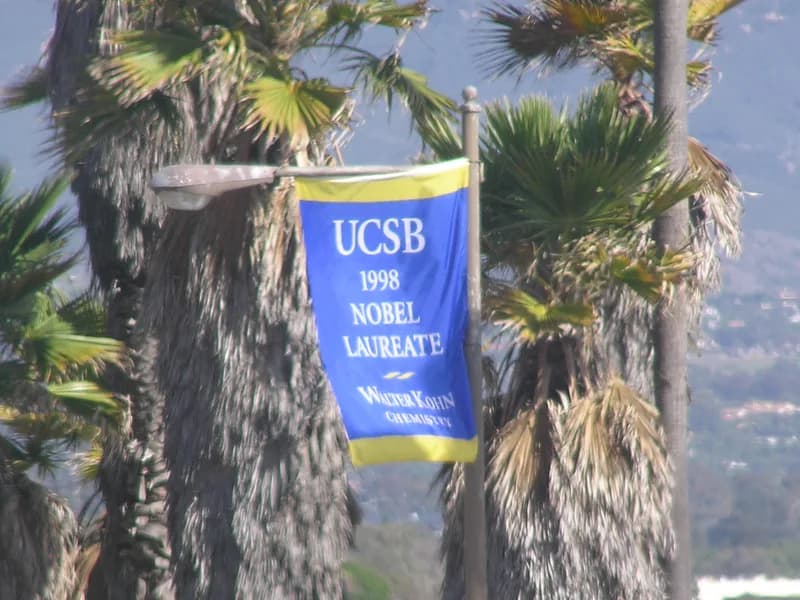
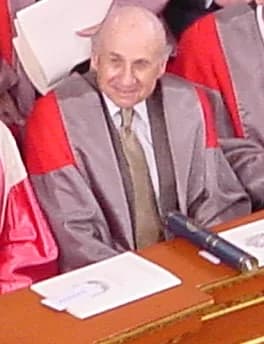
A defining moment in Walter Kohn's career came in 1998 when he was jointly awarded the Nobel Prize in Chemistry with John Pople. The Nobel Committee recognized their exceptional contributions to understanding the electronic properties of materials. Kohn's specific achievement was his leading role in the development of density functional theory (DFT).
DFT represented a significant advance in computational chemistry and physics. It enabled the calculation of quantum mechanical electronic structure using equations based on electronic density, a simplification that revolutionized the field. This theoretical framework allowed for more accurate calculations on complex systems, providing new insights into the behavior of atoms and molecules.
ምዕራፍ 4· ምዕራፍ 4 ከ 6
Notable Works or Contributions
Walter Kohn's work on density functional theory became an essential tool across various scientific disciplines. Materials science, condensed-phase physics, and chemical physics all benefited immensely from his theoretical contributions. His insights allowed researchers to predict and explain the properties of a wide range of materials and chemical reactions with unprecedented accuracy.
Beyond his Nobel-winning work, Kohn was a prolific scholar, with an h-index of 58 across 200 papers. While many specific titles are cited, such as "Statistical mechanics of Floquet systems: the pervasive problem of near degeneracies" (2008, 65 citations) and "Editorial: Reflections on fifty years of density functional theory" (2014, 19 citations), it is DFT that stands as his most impactful and widely recognized intellectual contribution.
ምዕራፍ 5 · 2016· ምዕራፍ 5 ከ 6
Later Years
In his later career, Walter Kohn continued to contribute to the scientific community, as evidenced by publications like "Tribute to Norman Rostoker" in 2016, the year of his passing. Even as he approached the end of his life, his intellect remained engaged, reflecting on the work of his peers and the evolution of his field.
Walter Kohn passed away in Santa Barbara, United States, on April 19, 2016, at the age of 93. His long and distinguished career saw him remain active and influential well into his final years, leaving behind a rich body of work and a generation of scientists inspired by his theories.
ምዕራፍ 6· ምዕራፍ 6 ከ 6
Legacy and Impact
Walter Kohn's legacy is immense, particularly through the enduring influence of density functional theory. This theoretical framework transformed computational science, enabling scientists to tackle complex problems in materials science, chemistry, and physics that were previously intractable. DFT remains a cornerstone of modern scientific research, used daily by countless scientists worldwide.
His contributions did not just simplify calculations; they provided a deeper conceptual understanding of electronic properties. Kohn's work continues to inspire new generations of theoretical physicists and chemists, who build upon his foundations to explore new frontiers in scientific discovery. He is remembered not only for his Nobel Prize but for fundamentally altering how we perceive and calculate the electronic structure of matter.
በአጋጣሚዎች ውስጥ ሕይወት
ሕይወትን የቀረጹ አጋጣሚዎች
ተደጋጋሚ ጥያቄዎች
ተደጋግሞ የሚጠየቅ
Walter Kohn መቼ ሞቱ?
Walter Kohn በ19 ኤፕሪል 2016 በSanta Barbara, United States፣ በ93 ዓመታቸው ሞቱ።
Walter Kohn የት ተወለዱ?
Walter Kohn በVienna, Austria በ9 ማርች 1923 ተወለዱ።
Walter Kohn በምን ይታወቃሉ?
Walter Kohn በAmerican physicist በብዛት ይታወቃሉ።
Walter Kohn በሞት ጊዜ ስንት ዓመታቸው ነበር?
Walter Kohn በሞት ጊዜ 93 ዓመታቸው ነበር።
Walter Kohn ምን ዘር ነበሩ?
Walter Kohn ከAustria ናቸው።
የጊዜ መስመር
ሕይወት በአጭሩ
የፎቶ ጋለሪ
ሕይወት በምስሎች
ለማስፋት ማንኛውንም ፖላሮይድ ጠቅ ያድርጉ · 12 ፎቶዎች
QR ኮድ
ይህን የሕይወት ታሪክ ያጋሩ
ያትሙ እና ያጋሩ
ይህን የሕይወት ታሪክ ገጽ ለመጎብኘት ይቃኙ። ለዝግጅቶች፣ ለኤግዚቢሽኖች ወይም ለትምህርት ቁሳቁሶች ያትሙ።