ተወልዶ
February 26, 1946
Damanhur, Egypt
ሞተ
August 2, 2016
Pasadena, United States
የሚታወቁበት
Egyptian chemist
Ahmed Zewail (1946–2016) was Egypt best known for Egyptian chemist.
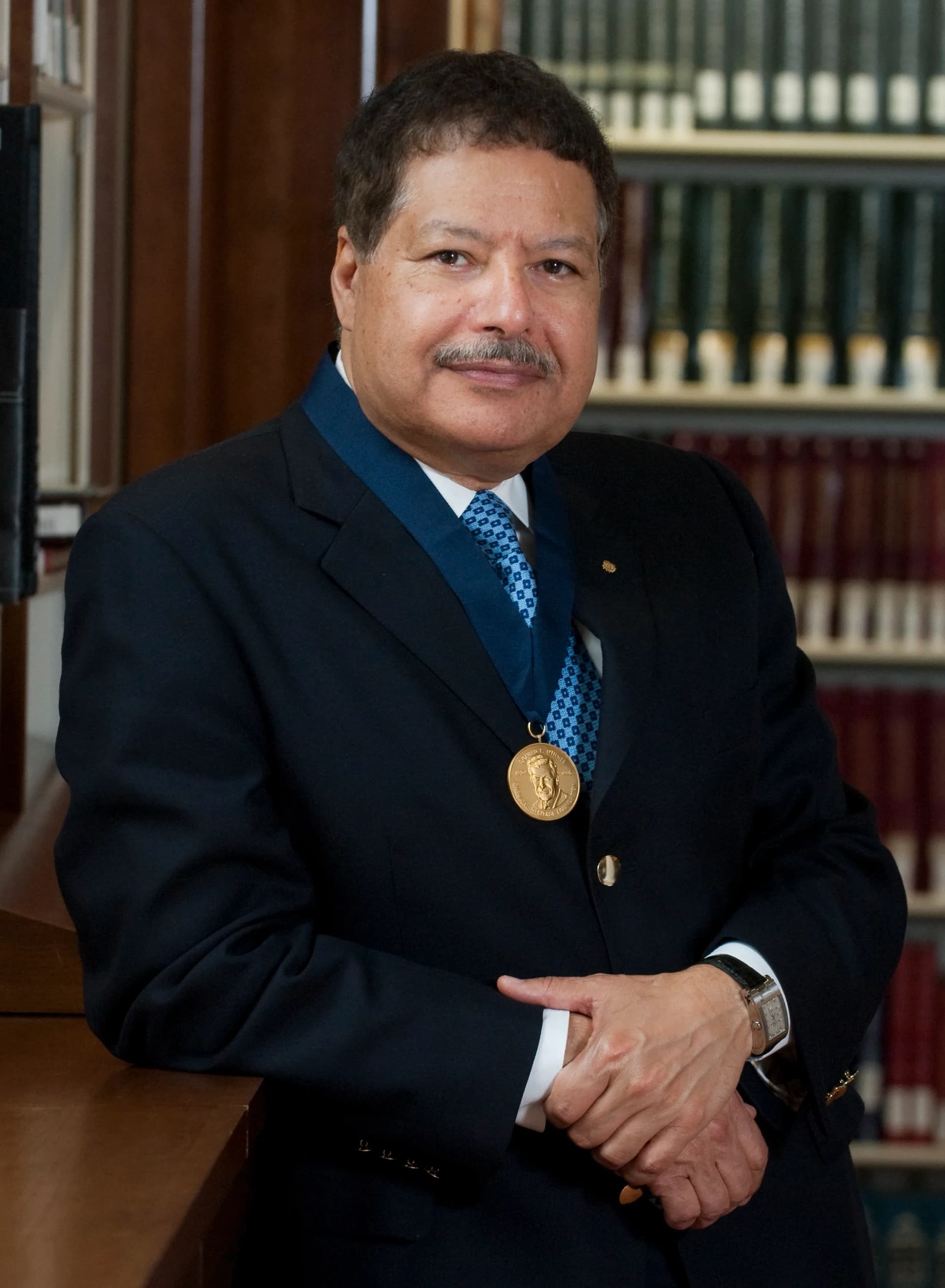
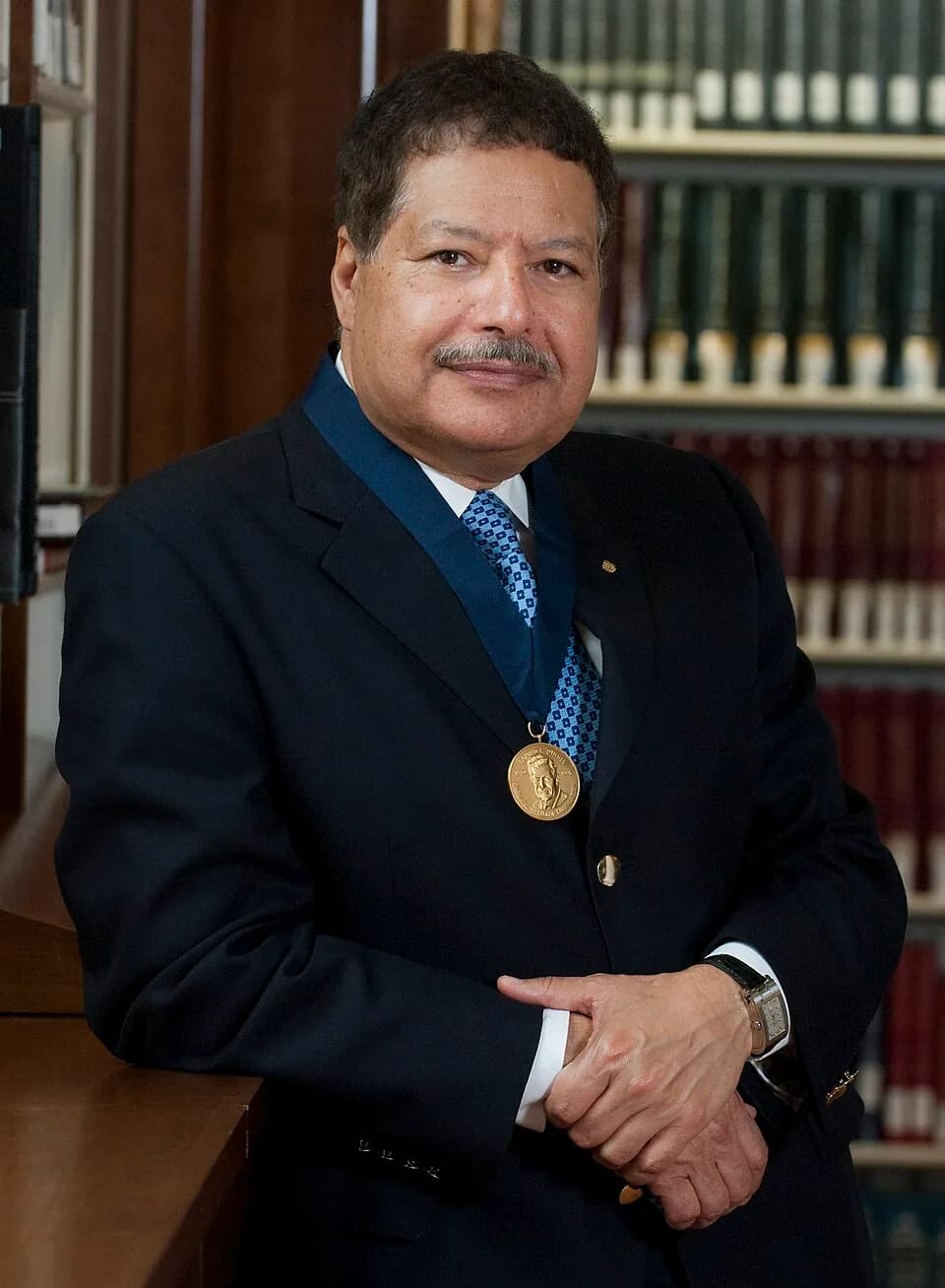
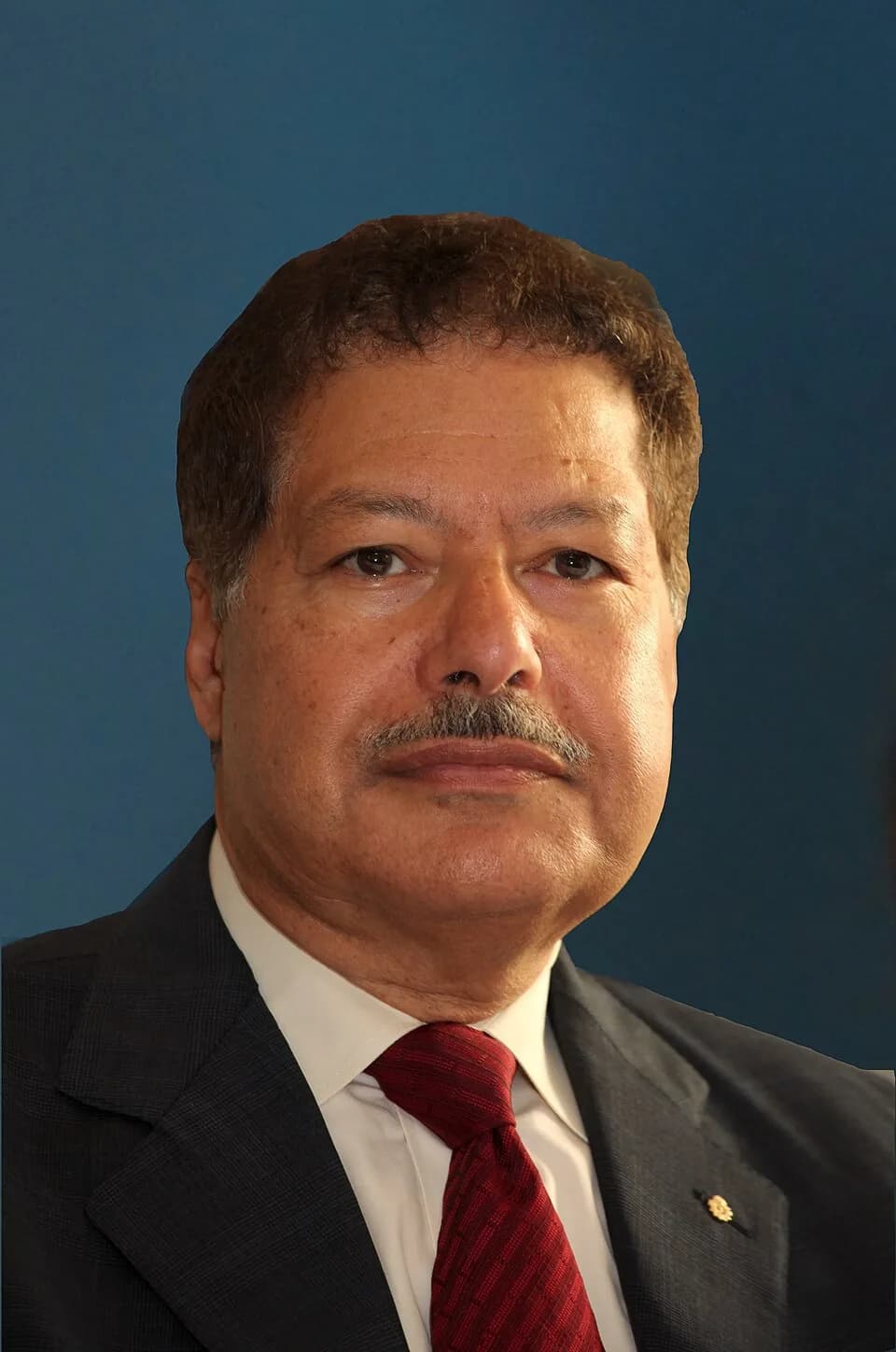
Ahmed Zewail (February 26, 1946 – August 2, 2016) was an Egyptian-American chemist from Damanhur, Egypt. He was awarded the 1999 Nobel Prize in Chemistry for his pioneering work on femtochemistry. His research significantly advanced the understanding of chemical reaction transition states. Zewail left a lasting scientific and cultural legacy.
ምዕራፍ
የሕይወት ምዕራፎች
ምዕራፍ 1 · 1946· ምዕራፍ 1 ከ 8
Opening
Ahmed Zewail (February 26, 1946 – August 2, 2016) was an eminent Egyptian-American chemist whose pioneering work fundamentally transformed the understanding of chemical reactions at their most basic level. He is widely celebrated as the "father of femtochemistry," a field he founded which provided unprecedented insight into how chemical bonds dynamically break and form. His profound scientific contributions were recognized with the 1999 Nobel Prize in Chemistry, a historic achievement that made him the first Egyptian and Arab to secure a Nobel Prize in a scientific discipline. Furthermore, his distinction as the first African to receive the Nobel Prize in Chemistry underscored the global reach and significance of his research. Zewail dedicated a substantial portion of his distinguished career as a professor of chemistry and physics at the esteemed California Institute of Technology (Caltech), shaping generations of scientists.
ምዕራፍ 2 · 1946· ምዕራፍ 2 ከ 8
Early Life and Origins
Ahmed Zewail was born on February 26, 1946, in Damanhur, Egypt, a nation where the initial sparks of his intellectual curiosity were undoubtedly ignited. His early years in Egypt provided the foundation for a brilliant scientific career that would eventually bridge continents. While specific biographical details concerning his family background and childhood upbringing are not extensively documented in the available information, his Egyptian origins remained an important part of his identity. His early educational path, though not detailed, evidently steered him towards the study of chemistry and physics, disciplines in which he would later achieve extraordinary breakthroughs. Ultimately, he became an Egyptian-American, a testament to his transnational life and profound professional contributions in both spheres.
ምዕራፍ 3· ምዕራፍ 3 ከ 8
Career Beginnings
Zewail's professional journey began to take a definitive shape through his deep intellectual engagement with the fundamental processes that govern chemical transformations. Although the granular details of his earliest work are not explicitly provided, it was his focused and innovative research into observing ultrafast chemical reactions that firmly established his scientific reputation. This foundational period saw him developing the methodologies and theoretical frameworks that would soon define the field of femtochemistry. His early investigations, which aimed to capture fleeting molecular events, laid the groundwork for the revolutionary techniques he would later perfect. This intense focus on the dynamics of chemical change set the stage for the remarkable discoveries that would eventually garner him international acclaim.
ምዕራፍ 4 · 1999· ምዕራፍ 4 ከ 8
Major Achievements and Career Highlights
The crowning achievement of Ahmed Zewail's illustrious career arrived with the awarding of the 1999 Nobel Prize in Chemistry, a recognition that validated years of dedicated research. This highly prestigious honor was bestowed for his studies of the transition states of chemical reactions using femtosecond spectroscopy. The Nobel Committee specifically acknowledged his unparalleled ability to deploy incredibly short laser pulses to essentially "freeze" and observe atoms in motion as chemical bonds underwent the intricate processes of breaking and forming. Beyond this scientific validation, Zewail's Nobel Prize carried immense cultural and historical weight, as he became the first Egyptian and Arab to secure such a distinguished scientific accolade. Furthermore, his achievement marked him as the first African to win the Nobel Prize in Chemistry, breaking significant barriers and inspiring scientists across continents.
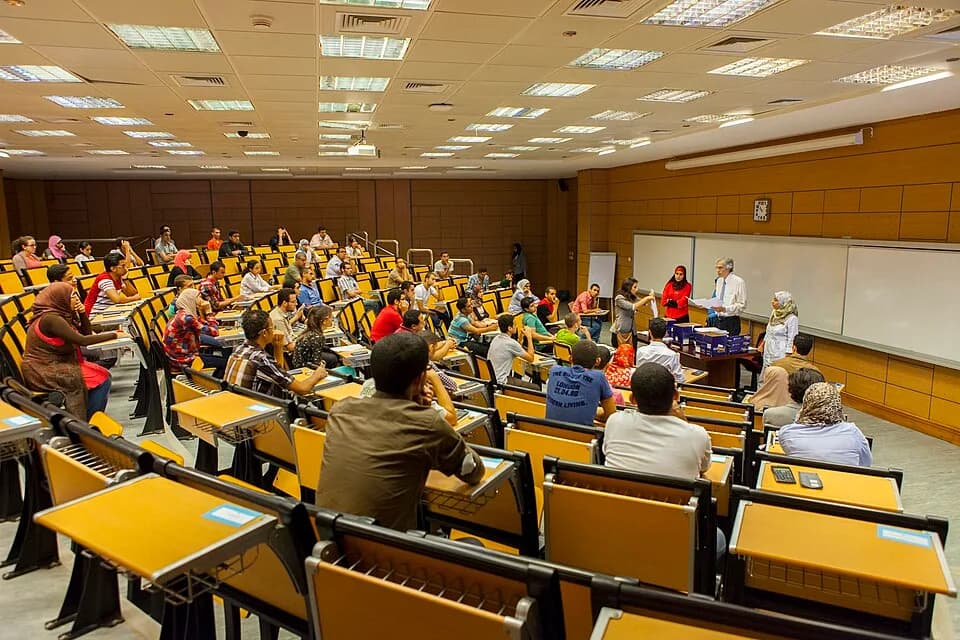
Throughout his extensive and influential tenure at the California Institute of Technology (Caltech), Ahmed Zewail held several prominent academic appointments. He was a highly respected professor of both chemistry and physics, a dual role that perfectly underscored the interdisciplinary nature and expansive reach of his scientific inquiries. Caltech itself acknowledged his exceptional contributions and standing by naming him the very first faculty member to hold the distinguished Linus Pauling Chair of Chemical Physics. Demonstrating his leadership and vision, Zewail also served as the director of the Physical Biology Center for Ultrafast Science and Technology, where he guided and fostered future research in the very cutting-edge field he had so masterfully pioneered.
ምዕራፍ 5· ምዕራፍ 5 ከ 8
Personal Life
Specific details regarding Ahmed Zewail's personal life, such as information about his family relationships, marital status, or particular interests beyond his profound scientific pursuits, are not delineated within the available biographical information. The provided records primarily focus on his significant professional life and his extensive academic contributions to the fields of chemistry and physics.
ምዕራፍ 6 · 2000· ምዕራፍ 6 ከ 8
Notable Works or Contributions
Ahmed Zewail's scientific output was both substantial and highly influential, culminating in an h-index of 2 across seven recorded published papers, as indicated by the provided data. Among his most seminal and frequently cited works is his insightful Nobel essay, titled "Femtochemie: Studium der Dynamik der chemischen Bindung auf atomarer Skala mit Hilfe ultrakurzer Laserpulse." This pivotal piece, published in 2000, garnered 36 citations and eloquently articulated the foundational principles and revolutionary findings of femtochemistry, encapsulating his Nobel-winning research.
His intellectual contributions extended to other significant publications, including "Chemie am Unschärfelimit" from 2001, which received eight citations and further explored the intricate quantum mechanical boundaries inherent in observing chemical phenomena. Zewail's long and active research career is also reflected in earlier works such as "Robin M. Hochstrasser" (1996) and "GEMISCHTER MAGNETISCHER UND ELEKTRISCHER DIPOLUEBERGANG IN SYMM.‐TRIAZIN" (1972), which showcased his early engagement with complex chemical and physical spectroscopy. Even later in his career, he authored "Wissenschaft für die Wohlhabenden" (2013), demonstrating a sustained intellectual curiosity and a broad engagement with scientific discourse.
ምዕራፍ 7 · 2016· ምዕራፍ 7 ከ 8
Later Years
In his later years, Ahmed Zewail remained an extraordinarily active and influential figure, continuing to serve as a guiding force in the realms of scientific research and higher education. His pivotal role as the director of the Physical Biology Center for Ultrafast Science and Technology at Caltech allowed him to oversee and profoundly inspire new generations of aspiring scientists. This significant leadership position solidified his unwavering commitment to pushing the very frontiers of scientific understanding and technological innovation. Ahmed Zewail passed away on August 2, 2016, in Pasadena, United States, leaving behind an exceptionally rich and enduring scientific legacy that continues to resonate today.
ምዕራፍ 8· ምዕራፍ 8 ከ 8
Legacy and Impact
Ahmed Zewail's enduring legacy is primarily and most powerfully defined by his invention, development, and championing of femtochemistry, leading to his well-deserved appellation as its "father." His pioneering and meticulous use of femtosecond spectroscopy provided scientists with the unprecedented capability to observe chemical reactions in real-time, precisely at the critical juncture where chemical bonds form and break. This revolutionary methodological advancement completely transformed the traditional study of reaction dynamics, moving it decisively from the realm of purely theoretical prediction into that of direct, verifiable experimental observation.
Beyond his specific and profound scientific contributions, Zewail's remarkable achievements also carried a far-reaching cultural and deeply inspirational impact. As the very first Egyptian, Arab, and indeed African scientist to attain a Nobel Prize in a scientific field, he emerged as a powerful symbol of intellectual excellence and boundless possibility for countless individuals not only in his native region but also across the entire African continent and beyond. His foundational work continues to significantly influence and inform diverse scientific disciplines, ranging from advanced materials science to intricate biological processes, thereby underscoring his lasting and transformative influence on global scientific thought and methodological innovation.
በአጋጣሚዎች ውስጥ ሕይወት
ሕይወትን የቀረጹ አጋጣሚዎች



ተደጋጋሚ ጥያቄዎች
ተደጋግሞ የሚጠየቅ
Ahmed Zewail መቼ ሞቱ?
Ahmed Zewail በ2 ኦገስት 2016 በPasadena, United States፣ በ70 ዓመታቸው ሞቱ።
Ahmed Zewail የት ተወለዱ?
Ahmed Zewail በDamanhur, Egypt በ26 ፌብሩዋሪ 1946 ተወለዱ።
Ahmed Zewail በምን ይታወቃሉ?
Ahmed Zewail በEgyptian chemist በብዛት ይታወቃሉ።
Ahmed Zewail በሞት ጊዜ ስንት ዓመታቸው ነበር?
Ahmed Zewail በሞት ጊዜ 70 ዓመታቸው ነበር።
Ahmed Zewail ምን ዘር ነበሩ?
Ahmed Zewail ከEgypt ናቸው።
የጊዜ መስመር
ሕይወት በአጭሩ
የፎቶ ጋለሪ
ሕይወት በምስሎች
ለማስፋት ማንኛውንም ፖላሮይድ ጠቅ ያድርጉ · 43 ፎቶዎች
QR ኮድ
ይህን የሕይወት ታሪክ ያጋሩ
ያትሙ እና ያጋሩ
ይህን የሕይወት ታሪክ ገጽ ለመጎብኘት ይቃኙ። ለዝግጅቶች፣ ለኤግዚቢሽኖች ወይም ለትምህርት ቁሳቁሶች ያትሙ።