ተወልዶ
September 27, 1918
Brighton, United Kingdom
ሞተ
October 14, 1984
Cambridge, United Kingdom
የሚታወቁበት
English radio astronomer
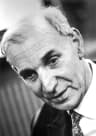
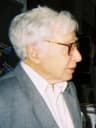
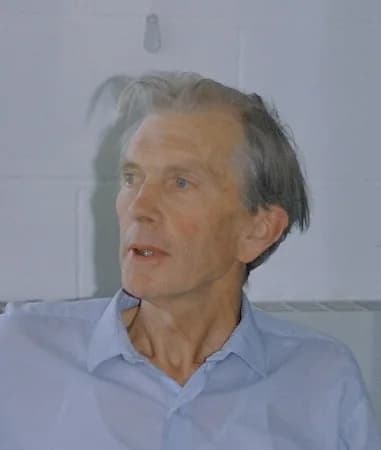
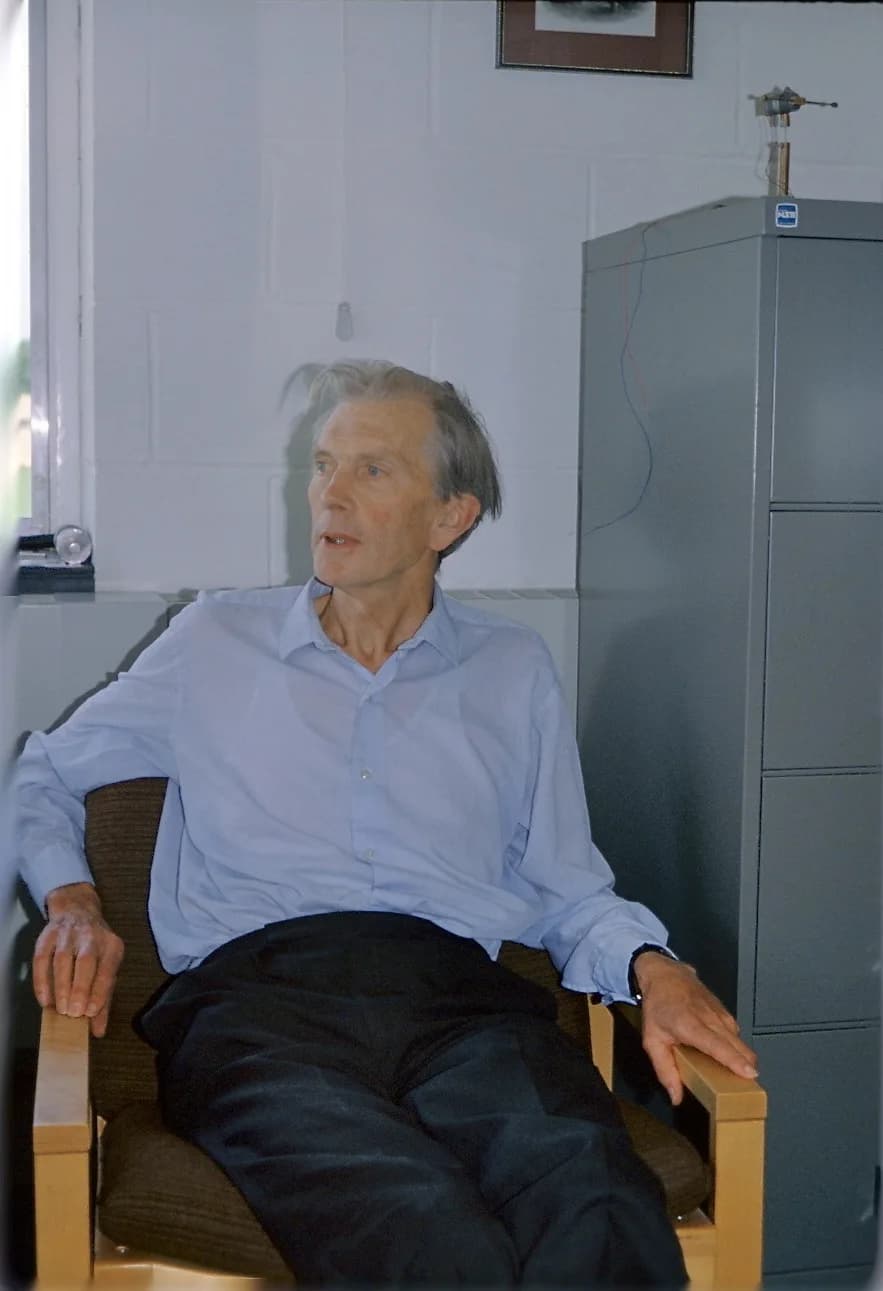
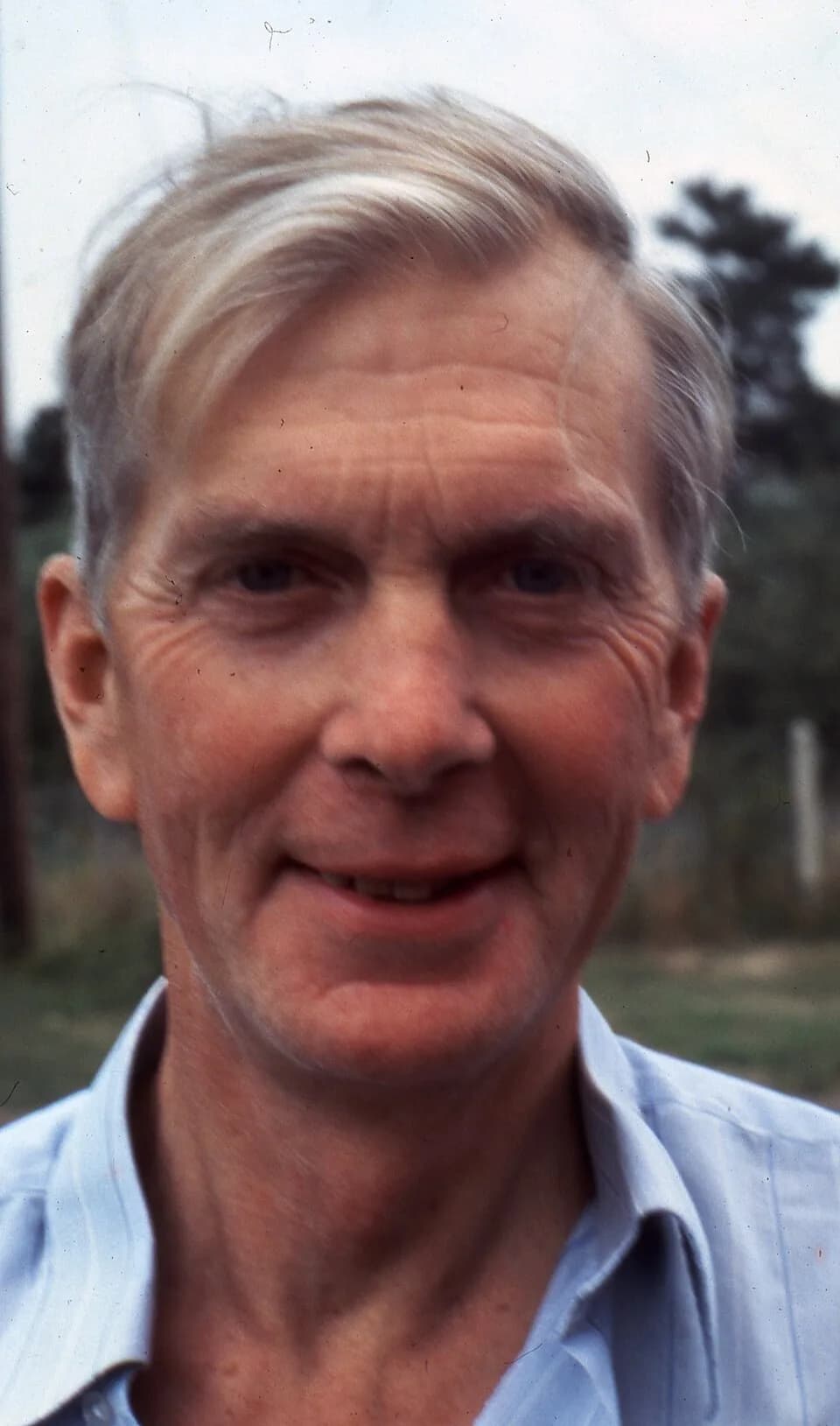
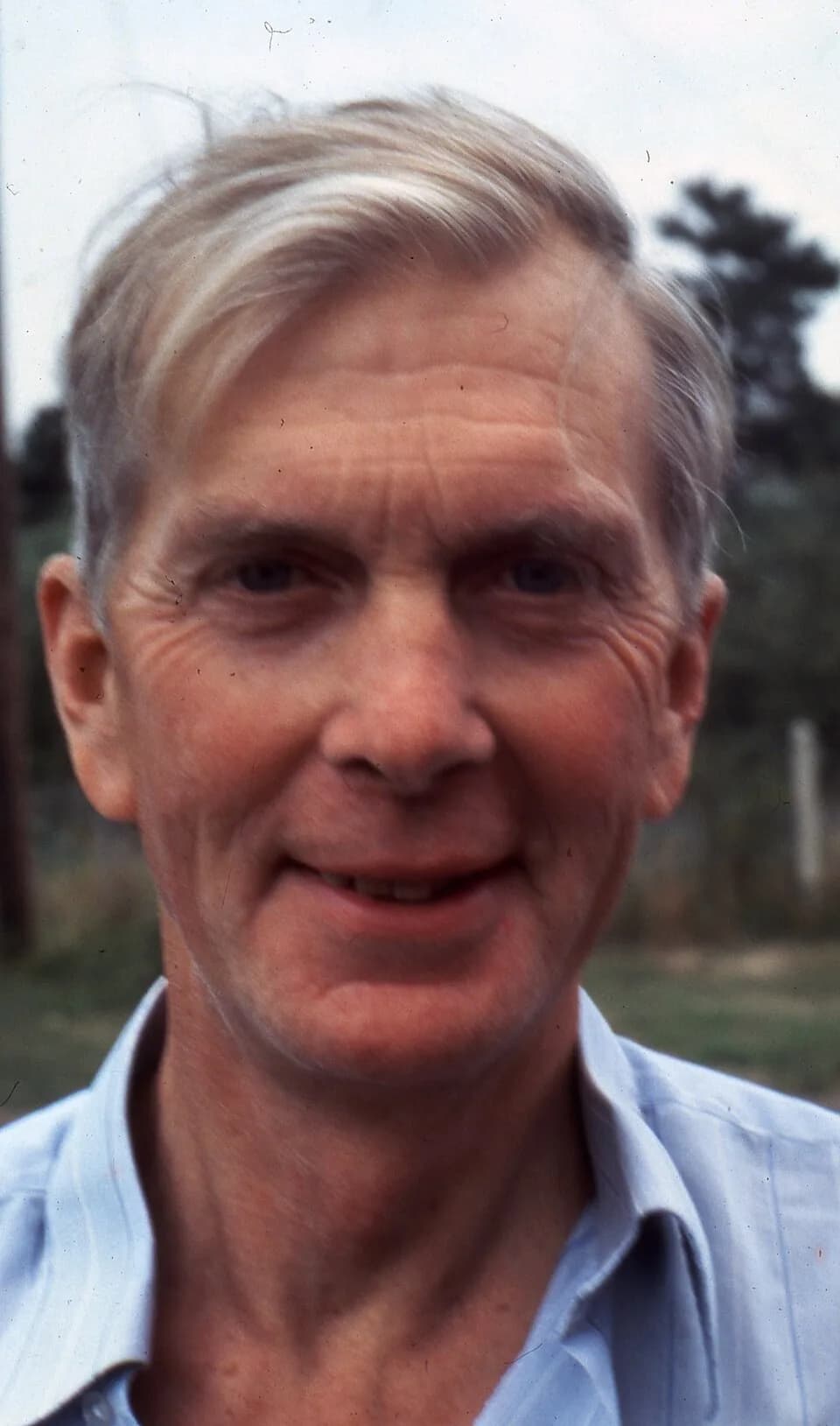
Martin Ryle (1918–1984) was United Kingdom best known for English radio astronomer.
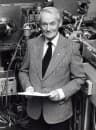
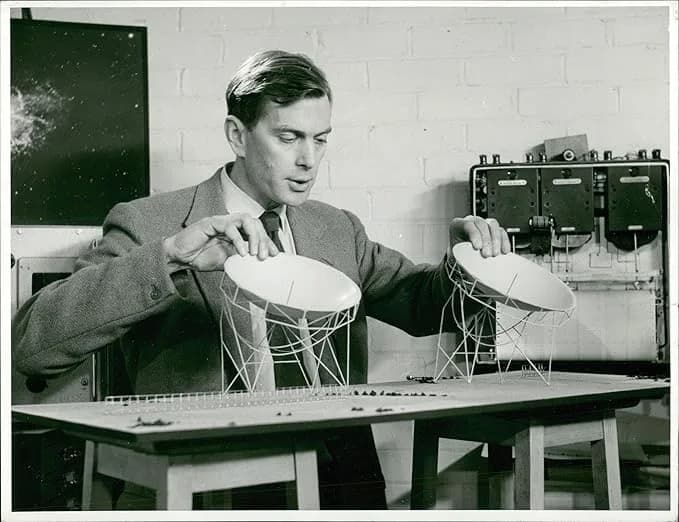
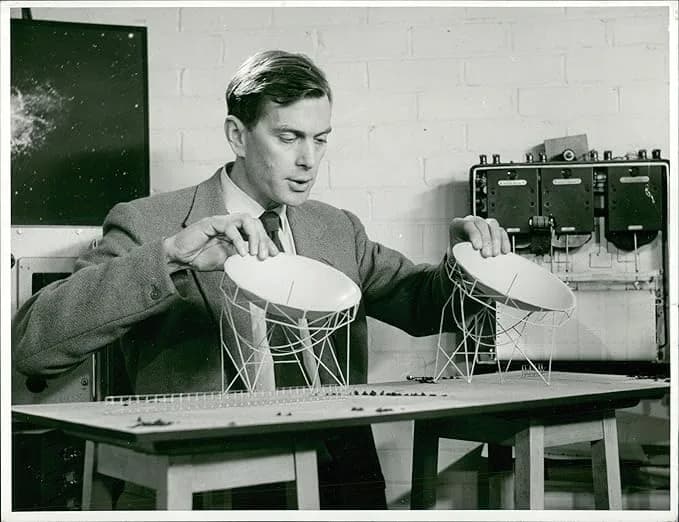
Sir Martin Ryle (September 27, 1918 – October 14, 1984) was an English radio astronomer from Brighton, United Kingdom. He developed revolutionary radio telescope systems, including the aperture synthesis technique, for which he shared the 1974 Nobel Prize in Physics. His work allowed for the accurate imaging of weak radio sources and transformed astronomical research.
ምዕራፍ
የሕይወት ምዕራፎች
ምዕራፍ 1 · 1918· ምዕራፍ 1 ከ 7
Early Life and Origins
Martin Ryle began his life's journey on September 27, 1918, in the vibrant coastal city of Brighton, United Kingdom. His upbringing in England likely fostered the intellectual curiosity that would later define his scientific pursuits. While detailed records of his early family life and specific educational path are not extensively provided, his eventual rise to become a world-renowned astronomer and physicist speaks volumes about his foundational intellectual development and dedication to learning.
ምዕራፍ 2 · 1946· ምዕራፍ 2 ከ 7
Career Beginnings
Ryle's initial career trajectory saw him immerse himself in the theoretical and practical applications of physics, gradually leading him to the then-emerging discipline of radio astronomy. A crucial moment occurred in 1946 when, collaborating with Derek Vonberg, he achieved and published the very first interferometric astronomical measurements utilizing radio wavelengths. This pioneering work established a new methodology for observing celestial phenomena and laid the essential groundwork for his subsequent revolutionary discoveries in the field.
ምዕራፍ 3· ምዕራፍ 3 ከ 7
Major Achievements and Career Highlights
Throughout his illustrious career, Sir Martin Ryle distinguished himself by conceiving and implementing truly revolutionary radio telescope systems. These sophisticated instruments were crucial for their ability to accurately locate and image extremely weak radio sources, enabling astronomers to peer deeper into the cosmos than ever before. Through his persistent refinement of equipment, Ryle was instrumental in observing the most distant known galaxies of his time, significantly expanding the observable universe.
His leadership extended beyond the laboratory; he was appointed the inaugural Professor of Radio Astronomy at the esteemed University of Cambridge, a position reflecting his status as a pioneer. Concurrently, he served as the founding director of the Mullard Radio Astronomy Observatory, establishing a world-class center for radio astronomical research and development. From 1972 to 1982, Ryle also held the distinguished and ancient title of the twelfth Astronomer Royal, further cementing his significant influence on British astronomy.
The zenith of his professional recognition arrived in 1974 when Sir Martin Ryle, alongside Antony Hewish, was jointly awarded the Nobel Prize for Physics. This monumental achievement was particularly significant as it marked the very first time a Nobel Prize had been conferred in acknowledgment of astronomical research. The Nobel Committee specifically lauded Ryle for his exceptional observations and his inventive contributions, notably the development of the aperture synthesis technique, a truly transformative method in radio astrophysics.
ምዕራፍ 4· ምዕራፍ 4 ከ 7
Personal Life
Beyond his intense scientific commitments, Sir Martin Ryle maintained a keen interest in amateur radio operation, a hobby that undoubtedly complemented his professional work with radio wavelengths. This personal passion underscored a broader fascination with the mechanics and possibilities of radio communication. In his later years, Ryle demonstrated a widening scope of concern, dedicating a considerable portion of his attention to pressing social and political issues which he deemed more urgent than continued astronomical pursuits, showcasing his commitment to wider societal well-being.
ምዕራፍ 5· ምዕራፍ 5 ከ 7
Notable Works or Contributions
Ryle's scientific output was defined by a series of foundational advancements in radio astronomy technology and methodology. His most celebrated contribution was the invention and refinement of the aperture synthesis technique, a method that revolutionized how radio telescopes collect and process data to create high-resolution images. This technique, directly cited in his Nobel Prize commendation, dramatically improved the ability to discern faint and distant cosmic structures.
His early collaborative publication in 1946 with Derek Vonberg on interferometric astronomical measurements at radio wavelengths established a critical precedent for array-based observations. Furthermore, his role as founding director of the Mullard Radio Astronomy Observatory provided an institutional framework for continuous innovation in the field. These tangible contributions, from instruments to techniques, collectively reshaped the practice and potential of radio astrophysics.
ምዕራፍ 6 · 1984· ምዕራፍ 6 ከ 7
Later Years
As the 1970s progressed, Sir Martin Ryle consciously began to re-evaluate his priorities, shifting a significant portion of his intellectual energy away from pure astronomical research. He became increasingly engaged with social and political challenges, dedicating his efforts to advocating for issues he considered to be of paramount importance for humanity's future. Sir Martin Ryle passed away on October 14, 1984, in Cambridge, United Kingdom, leaving behind a legacy not only of scientific brilliance but also of a deep concern for the human condition.
ምዕራፍ 7· ምዕራፍ 7 ከ 7
Legacy and Impact
The enduring legacy of Sir Martin Ryle is inextricably linked to his pioneering role in establishing radio astronomy as a powerful tool for cosmic exploration. His development of advanced radio telescope systems, particularly the aperture synthesis technique, fundamentally changed how astronomers observe and interpret the universe. He enabled the detailed study of objects and phenomena, such as the most distant galaxies known at the time, which were previously beyond observational reach.
His influence extended institutionally, as the first Professor of Radio Astronomy at the University of Cambridge and the founding director of the Mullard Radio Astronomy Observatory, nurturing a vibrant research environment. The Nobel Prize for Physics, which he shared in 1974, not only honored his individual scientific genius but also validated the entire field of astronomical research on the global stage. Ryle's deep insights and inventive spirit continue to inspire generations of scientists, ensuring his place as an eternal luminary in the history of science.
በአጋጣሚዎች ውስጥ ሕይወት
ሕይወትን የቀረጹ አጋጣሚዎች
ተደጋጋሚ ጥያቄዎች
ተደጋግሞ የሚጠየቅ
Martin Ryle መቼ ሞቱ?
Martin Ryle በ14 ኦክቶበር 1984 በCambridge, United Kingdom፣ በ66 ዓመታቸው ሞቱ።
Martin Ryle የት ተወለዱ?
Martin Ryle በBrighton, United Kingdom በ27 ሴፕቴምበር 1918 ተወለዱ።
Martin Ryle በምን ይታወቃሉ?
Martin Ryle በEnglish radio astronomer በብዛት ይታወቃሉ።
Martin Ryle በሞት ጊዜ ስንት ዓመታቸው ነበር?
Martin Ryle በሞት ጊዜ 66 ዓመታቸው ነበር።
Martin Ryle ምን ዘር ነበሩ?
Martin Ryle ከUnited Kingdom ናቸው።
የጊዜ መስመር
ሕይወት በአጭሩ
የፎቶ ጋለሪ
ሕይወት በምስሎች
ለማስፋት ማንኛውንም ፖላሮይድ ጠቅ ያድርጉ · 21 ፎቶዎች
QR ኮድ
ይህን የሕይወት ታሪክ ያጋሩ
ያትሙ እና ያጋሩ
ይህን የሕይወት ታሪክ ገጽ ለመጎብኘት ይቃኙ። ለዝግጅቶች፣ ለኤግዚቢሽኖች ወይም ለትምህርት ቁሳቁሶች ያትሙ።