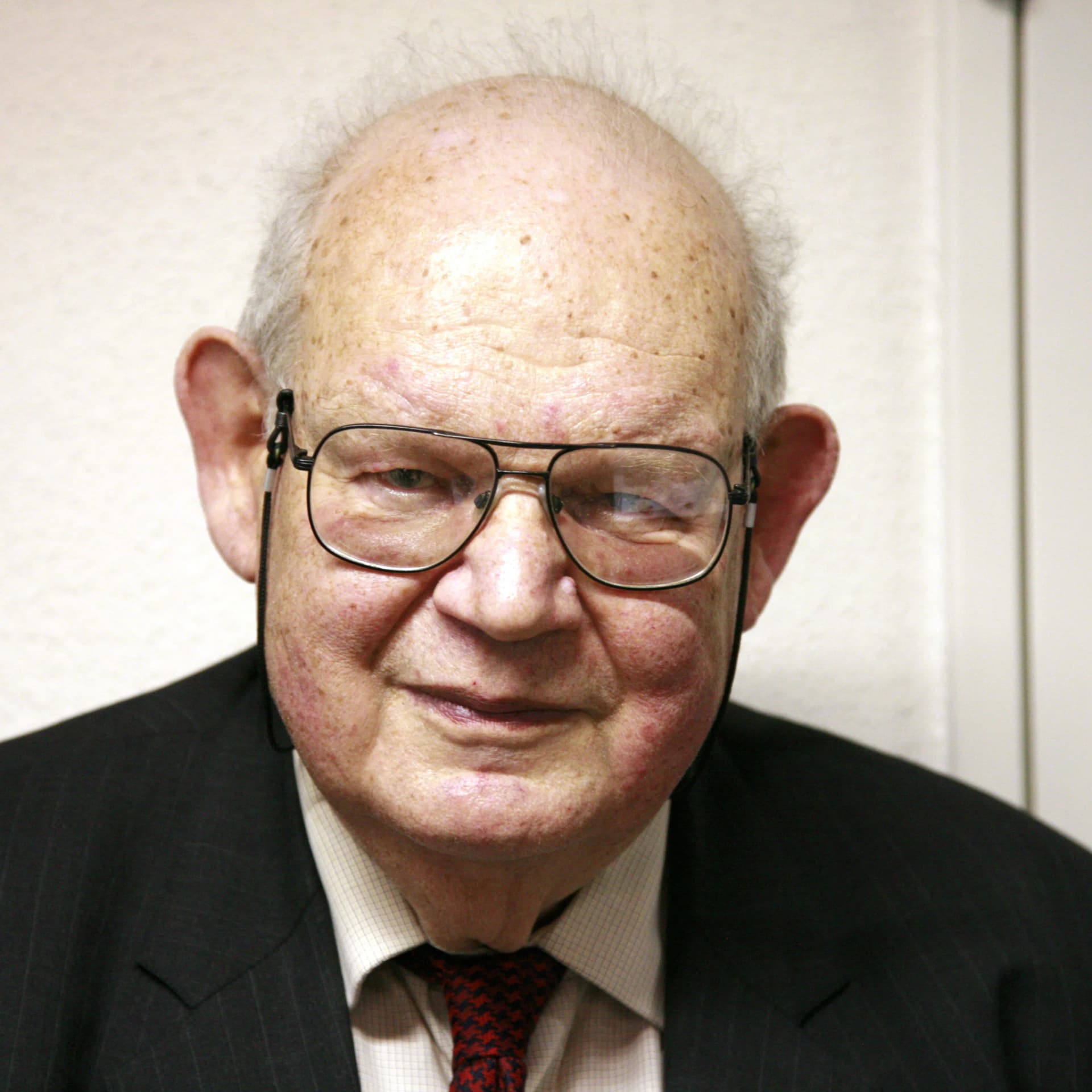
ተወልዶ
November 20, 1924
Warsaw, Poland
ሞተ
October 14, 2010
Cambridge, United States
የሚታወቁበት
Polish-born, French and American mathematician
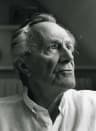
Benoit Mandelbrot (1924–2010) was Poland best known for Polish-born, French and American mathematician.
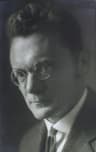
Benoit Mandelbrot (November 20, 1924 – October 14, 2010) was a Polish-born French and American mathematician. He is celebrated for coining the term 'fractal' and for his foundational work in fractal geometry. His theories on roughness and self-similarity transformed the understanding of nature's patterns.
ምዕራፍ
የሕይወት ምዕራፎች
ምዕራፍ 1 · 1924· ምዕራፍ 1 ከ 6
Early Life and Origins
Benoit B. Mandelbrot was born on November 20, 1924, in Warsaw, Poland. His early life in Poland set the stage for a scientific career that would span multiple disciplines and continents. The intellectual environment of his youth fostered a deep curiosity about the natural world and its underlying mathematical structures.
ምዕራፍ 2· ምዕራፍ 2 ከ 6
Career Beginnings
Mandelbrot’s professional journey encompassed a wide array of roles, reflecting his polymathic interests. He was active as a scientist, engineer, computer scientist, and economist, demonstrating his versatility across various academic and practical fields. These diverse experiences informed his unique perspective on mathematics and its applications. His early career laid the foundation for his later specialization in complex systems and visual mathematics.
ምዕራፍ 3· ምዕራፍ 3 ከ 6
Major Achievements and Career Highlights
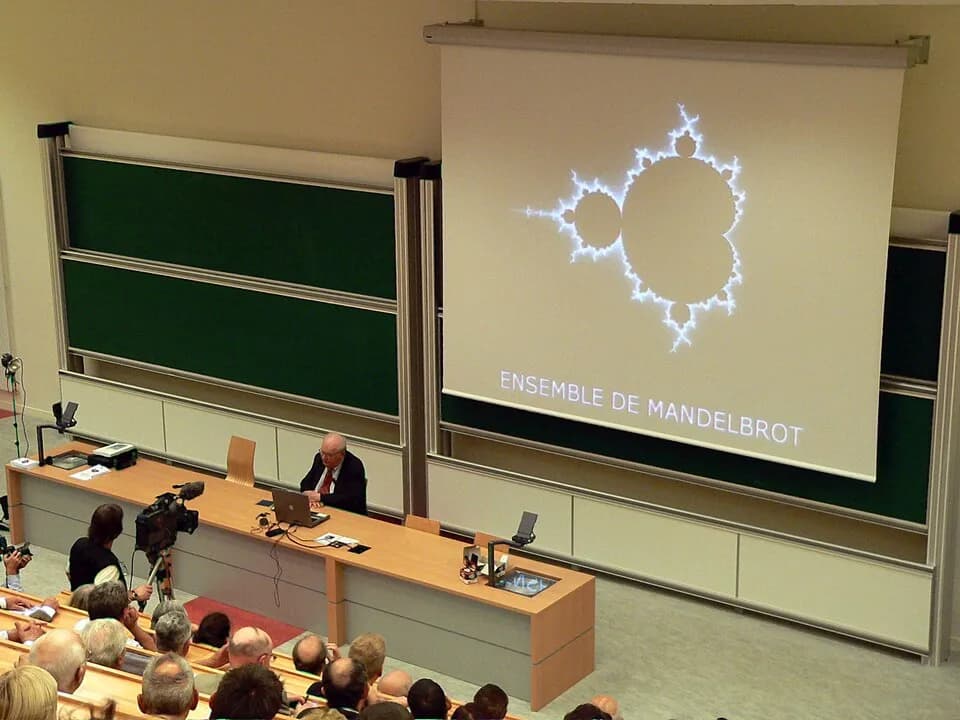
Mandelbrot is primarily recognized for his immense contribution to the field of fractal geometry. He notably coined the term "fractal" itself, providing a name for the complex, self-similar patterns he observed. His work introduced the world to what he famously labeled "the art of roughness" in physical phenomena, highlighting the beauty and significance of irregularities.
He also explored "the uncontrolled element in life," emphasizing the unpredictable aspects of natural systems. He referred to himself as a "fractalist," which demonstrated his deep immersion and dedication to this new mathematical domain. Mandelbrot's theory of "roughness and self-similarity" in nature provided a powerful new tool for understanding and modeling natural structures, from coastlines and clouds to trees and blood vessels. This theoretical framework changed how scientists and mathematicians viewed and described the world around them.
ምዕራፍ 4 · 1997· ምዕራፍ 4 ከ 6
Notable Works or Contributions
Among his influential academic publications, "La geometría fractal de la naturaleza" (1997) stands out with 72 citations, showcasing its significant impact. This work helped popularize and explain the principles of fractal geometry to a wider audience. Another key publication, "Los objetos fractales: forma, azar y dimensión" (1996), garnered 37 citations, further exploring the complex relationship between form, chance, and dimension.
Mandelbrot also published "Del azar benigno al azar salvaje" (1996), which received 9 citations, examining the nature of randomness. His earlier work, "Montañas y dragones fractales: la intuición en la matemática y en las ciencias" (1990), with 3 citations, offered insights into the intuitive aspects of fractals in mathematics and science. Later, "El descubrimiento de los fractales" (2000) continued to share his discoveries, accumulating 1 citation. These works collectively illustrate the breadth and depth of his thought, making his concepts accessible and inspiring future generations of researchers.
ምዕራፍ 5 · 2010· ምዕራፍ 5 ከ 6
Later Years
Benoit Mandelbrot passed away on October 14, 2010, in Cambridge, United States. His passing marked the end of a prolific career that profoundly influenced mathematics and science. He continued to inspire and educate through his writings and lectures throughout his life.
ምዕራፍ 6· ምዕራፍ 6 ከ 6
Legacy and Impact
Mandelbrot's legacy is firmly established in the enduring field of fractal geometry, which he essentially founded. His insights allowed for the mathematical description of shapes previously considered too irregular for traditional geometry. His work continues to influence diverse fields, including physics, biology, finance, and computer graphics, providing essential tools for modeling complex systems. The term "fractal" itself is now a common part of scientific and popular vocabulary. His vision of a "fractalist" approach to understanding nature opened up new avenues for scientific inquiry, ensuring his ideas remain vibrant and relevant. His pioneering efforts redefined what mathematicians could study and how scientists could perceive the structures of the universe.
በአጋጣሚዎች ውስጥ ሕይወት
ሕይወትን የቀረጹ አጋጣሚዎች
ተደጋጋሚ ጥያቄዎች
ተደጋግሞ የሚጠየቅ
Benoit Mandelbrot መቼ ሞቱ?
Benoit Mandelbrot በ14 ኦክቶበር 2010 በCambridge, United States፣ በ85 ዓመታቸው ሞቱ።
Benoit Mandelbrot የት ተወለዱ?
Benoit Mandelbrot በWarsaw, Poland በ20 ኖቬምበር 1924 ተወለዱ።
Benoit Mandelbrot በምን ይታወቃሉ?
Benoit Mandelbrot በPolish-born, French and American mathematician በብዛት ይታወቃሉ።
Benoit Mandelbrot በሞት ጊዜ ስንት ዓመታቸው ነበር?
Benoit Mandelbrot በሞት ጊዜ 85 ዓመታቸው ነበር።
Benoit Mandelbrot ምን ዘር ነበሩ?
Benoit Mandelbrot ከPoland ናቸው።
የጊዜ መስመር
ሕይወት በአጭሩ
የፎቶ ጋለሪ
ሕይወት በምስሎች
ለማስፋት ማንኛውንም ፖላሮይድ ጠቅ ያድርጉ · 47 ፎቶዎች
QR ኮድ
ይህን የሕይወት ታሪክ ያጋሩ
ያትሙ እና ያጋሩ
ይህን የሕይወት ታሪክ ገጽ ለመጎብኘት ይቃኙ። ለዝግጅቶች፣ ለኤግዚቢሽኖች ወይም ለትምህርት ቁሳቁሶች ያትሙ።