ተወልዶ
June 17, 1818
Paris, France
ሞተ
October 18, 1893
Saint-Cloud, France
የሚታወቁበት
French composer
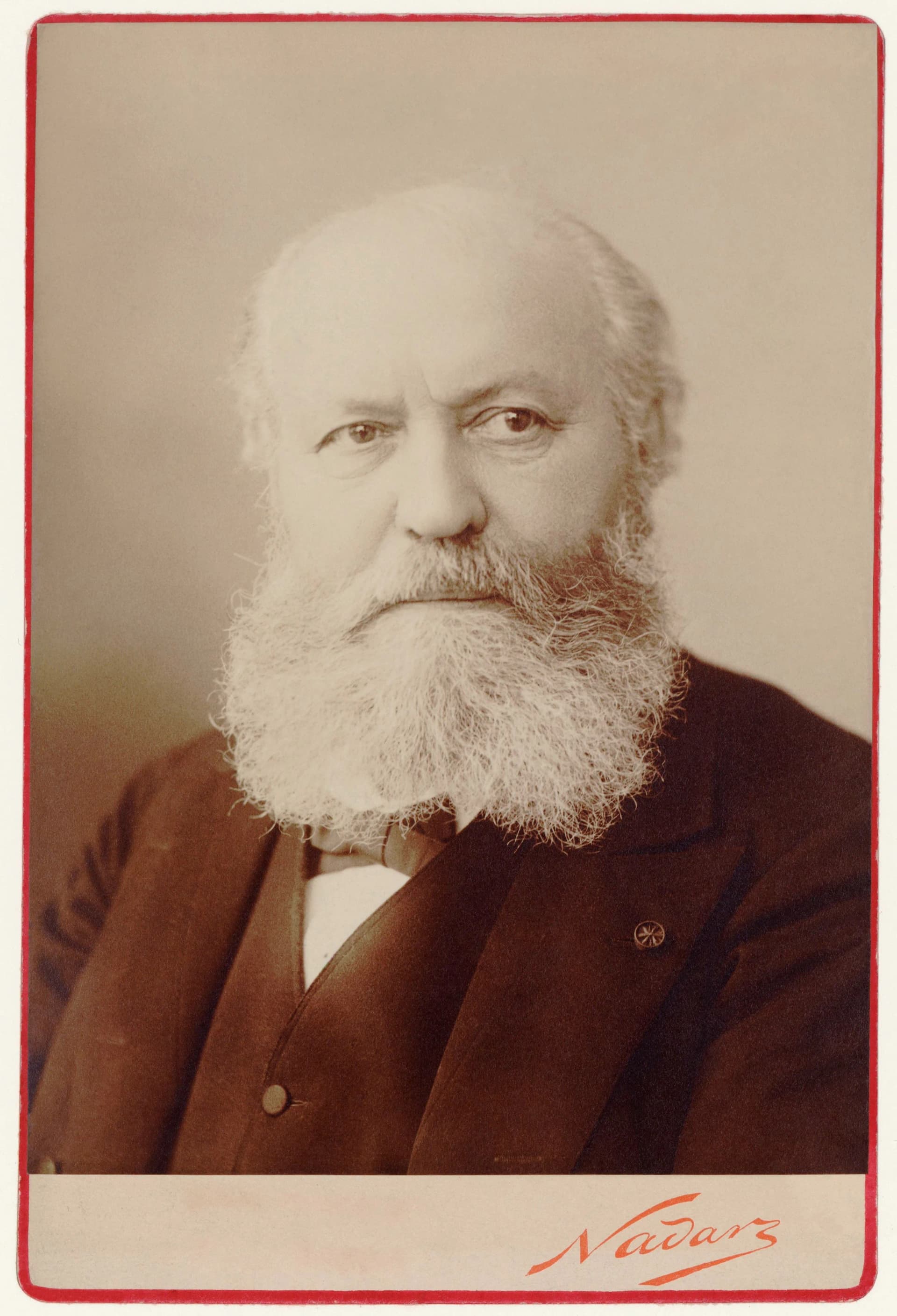
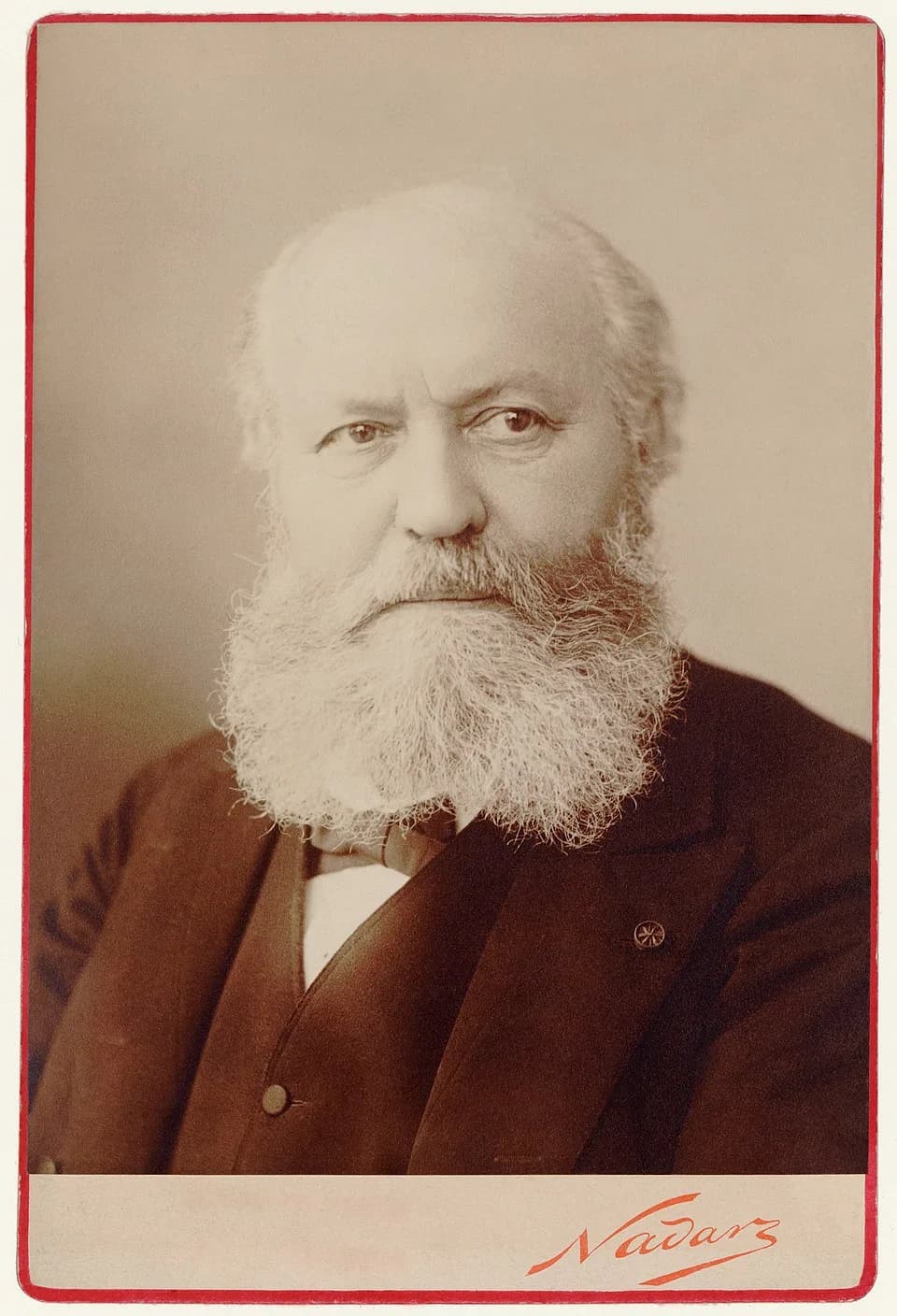
Charles Gounod (1818–1893) was France best known for French composer.
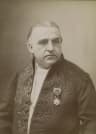
Charles-François Gounod (1818-1893) was a French composer, conductor, and organist of the Romantic era. He created twelve operas, with "Faust" and "Roméo et Juliette" becoming international classics. His legacy includes beloved works like "Ave Maria" and extensive sacred music.
ምዕራፍ
የሕይወት ምዕራፎች
ምዕራፍ 1 · 1818· ምዕራፍ 1 ከ 5
Early Life and Origins
Charles Gounod was born on June 17, 1818, in Paris, France, during a time when the city was emerging as a cultural powerhouse of Europe. Growing up in the French capital exposed him to rich musical traditions from an early age. His formative years were spent absorbing the sounds and styles that would later influence his distinctive compositional voice.
The young Gounod's musical education began in Paris, where he developed skills not only as a composer but also as an organist and conductor. This comprehensive musical training would prove essential to his later success, giving him the technical foundation and artistic vision needed to create works that would resonate across generations.
ምዕራፍ 2· ምዕራፍ 2 ከ 5
Career Beginnings
Gounod's early professional life saw him establishing himself within the French musical establishment as a versatile musician. He began working as an organist while simultaneously developing his compositional skills across multiple genres. His early works demonstrated a natural gift for melody and dramatic expression that would become his trademark.
During these formative professional years, Gounod began exploring the operatic form that would eventually bring him international fame. He also started composing church music, showing the religious devotion that would influence much of his later sacred compositions. This dual focus on both secular and sacred music became a defining characteristic of his career.
ምዕራፍ 3 · 1859· ምዕራፍ 3 ከ 5
Major Achievements and Career Highlights
Gounod's greatest triumph came with the 1859 premiere of his opera "Faust," which became his most popular and enduring work. This masterpiece established him as a leading figure in French opera and secured his place in the international repertoire. The opera's blend of dramatic storytelling and memorable melodies captivated audiences across Europe and beyond.
Following the success of "Faust," Gounod created another operatic masterpiece with "Roméo et Juliette" in 1867. This adaptation of Shakespeare's timeless love story further cemented his reputation as a master of romantic opera. Both works remain staples of opera houses worldwide, testament to their enduring appeal and artistic merit.
Beyond opera, Gounod composed significant church music and numerous songs that showcased his versatility as a composer. His famous "Ave Maria" and "Funeral March of a Marionette" became beloved pieces that transcended classical music boundaries, reaching audiences who might never set foot in an opera house.
ምዕራፍ 4· ምዕራፍ 4 ከ 5
Notable Works and Contributions
Gounod's operatic output included twelve complete operas, with "Faust" and "Roméo et Juliette" standing as his greatest achievements. "Mireille," another of his operas, also gained recognition and has been preserved in various recordings throughout the decades. His ability to create memorable melodies and dramatic musical narratives made his operas particularly accessible to audiences.
His sacred music compositions demonstrated a deep understanding of liturgical traditions while incorporating the romantic sensibilities of his era. The "Messe solennelle de Sainte Cécile" (St. Cecilia Mass) became one of his most performed religious works, showcasing his skill in writing for chorus and orchestra. These sacred compositions reflected both his technical mastery and spiritual devotion.
Gounod's popular short pieces, including his renowned "Ave Maria" and the whimsical "Funeral March of a Marionette," showed his ability to create music that appealed to broad audiences. These works demonstrated that serious classical composers could create accessible music without compromising artistic integrity.
ምዕራፍ 5· ምዕራፍ 5 ከ 5
Legacy and Impact
Charles Gounod's influence on French opera and romantic classical music extends far beyond his lifetime. His approach to melody and dramatic expression helped define the French operatic style of the 19th century. Young composers looked to his works as examples of how to balance accessibility with sophisticated musical craftsmanship.
The continued performance of "Faust" and "Roméo et Juliette" in opera houses around the world speaks to the timeless quality of his musical storytelling. These works have been recorded countless times, with notable releases spanning from 1960 through the 1980s and beyond, ensuring new generations discover his music. His influence can be heard in the works of later French composers who adopted his melodic sensibility and dramatic flair.
Gounod's career as a musicologist and music educator also contributed to his lasting impact on classical music. He helped preserve and transmit musical traditions while encouraging innovation and creativity in his students. His death on October 18, 1893, in Saint-Cloud, France, marked the end of a remarkable career that had enriched the world of classical music immeasurably.
በአጋጣሚዎች ውስጥ ሕይወት
ሕይወትን የቀረጹ አጋጣሚዎች
ተደጋጋሚ ጥያቄዎች
ተደጋግሞ የሚጠየቅ
Charles Gounod መቼ ሞቱ?
Charles Gounod በ18 ኦክቶበር 1893 በSaint-Cloud, France፣ በ75 ዓመታቸው ሞቱ።
Charles Gounod የት ተወለዱ?
Charles Gounod በParis, France በ17 ጁን 1818 ተወለዱ።
Charles Gounod በምን ይታወቃሉ?
Charles Gounod በFrench composer በብዛት ይታወቃሉ።
Charles Gounod በሞት ጊዜ ስንት ዓመታቸው ነበር?
Charles Gounod በሞት ጊዜ 75 ዓመታቸው ነበር።
Charles Gounod ምን ዘር ነበሩ?
Charles Gounod ከFrance ናቸው።
የጊዜ መስመር
ሕይወት በአጭሩ
የፎቶ ጋለሪ
ሕይወት በምስሎች
ለማስፋት ማንኛውንም ፖላሮይድ ጠቅ ያድርጉ · 50 ፎቶዎች
QR ኮድ
ይህን የሕይወት ታሪክ ያጋሩ
ያትሙ እና ያጋሩ
ይህን የሕይወት ታሪክ ገጽ ለመጎብኘት ይቃኙ። ለዝግጅቶች፣ ለኤግዚቢሽኖች ወይም ለትምህርት ቁሳቁሶች ያትሙ።