出生
March 23, 1912
Wyrzysk, Poland
逝世
June 16, 1977
Alexandria, United States
知名于
German and later American aerospace engineer and space architect
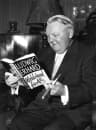
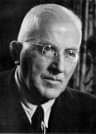
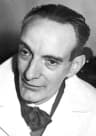
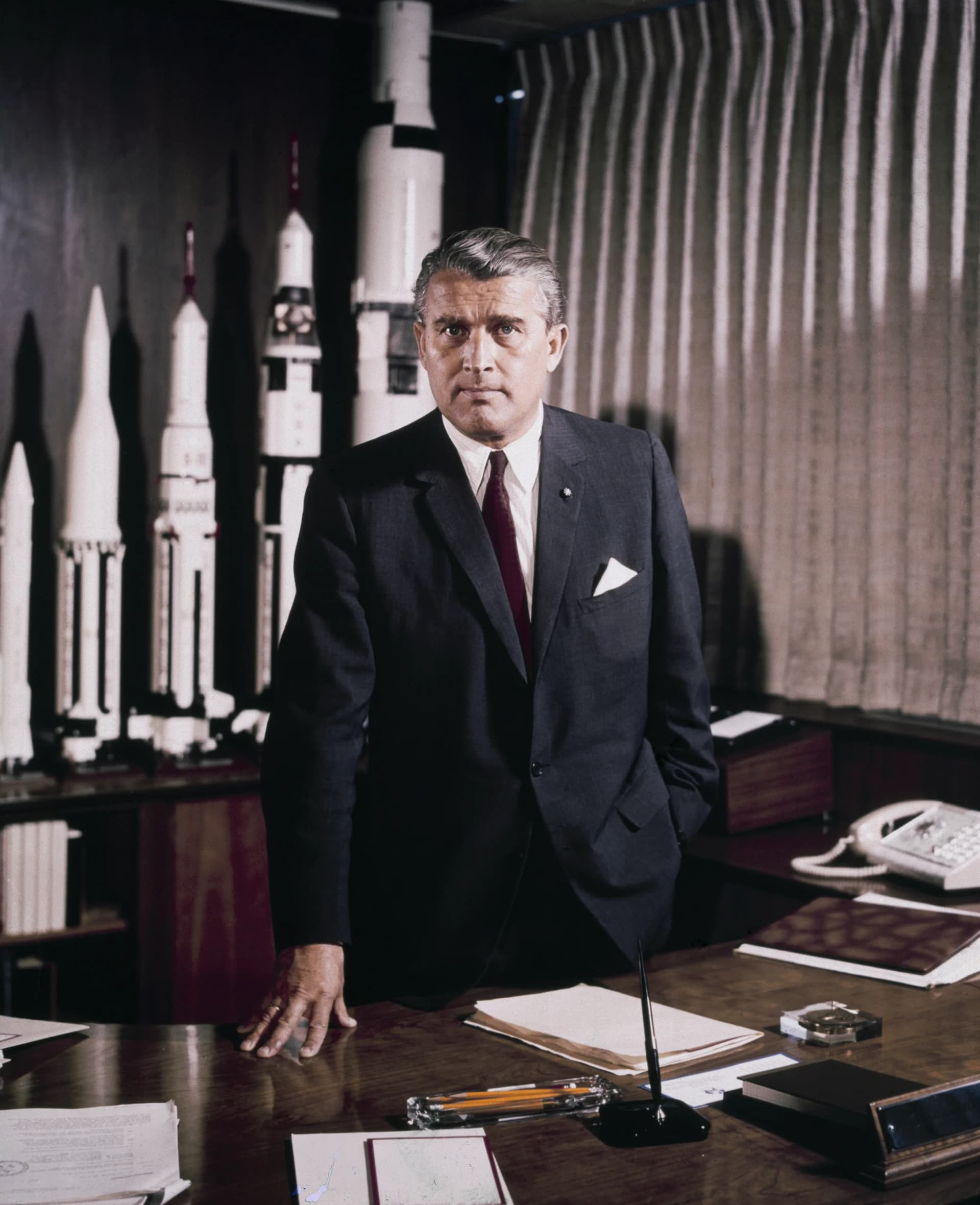
Wernher von Braun (1912–1977) was Poland best known for German and later American aerospace engineer and space architect.
Wernher Magnus Maximilian Freiherr von Braun (March 23, 1912 – June 16, 1977) was a German and American aerospace engineer. He led significant rocket technology development in Nazi Germany and later in the US. His work laid the foundation for modern space exploration.
第 0 章
人生章节
第 1 章 · 1912· 第 1 章,共 8 章
Opening
Wernher Magnus Maximilian Freiherr von Braun (March 23, 1912 – June 16, 1977) was a pioneering German and later American aerospace engineer and space architect. He played a crucial role in the development of rocket technology, leaving a lasting legacy on space exploration across two continents. His visionary work significantly advanced both military and civilian applications of rocketry, shaping the future of human ventures into space.
第 2 章 · 1912· 第 2 章,共 8 章
Early Life and Origins
Wernher von Braun was born on March 23, 1912, in Wyrzysk, a town then located in Germany and now part of Poland. This early geographical context marks the beginning of a life that would become synonymous with rocket science and space exploration. While detailed accounts of his upbringing are not provided, his birthplace set the stage for a career that would profoundly influence global scientific endeavors.
第 3 章· 第 3 章,共 8 章
Career Beginnings
Von Braun's professional journey began in an era of intense scientific and technological advancement, particularly in rocketry. He quickly rose to prominence in Nazi Germany, where he led significant rocket development programs. To support and advance his critical rocket work, he became a member of the Nazi Party and subsequently the Allgemeine SS during that complex historical period.
第 4 章· 第 4 章,共 8 章
Major Achievements and Career Highlights
His engineering prowess established him as a key figure in rocketry, leading the development of advanced technology in Germany. Following World War II, von Braun transitioned to the United States, bringing his extensive knowledge and experience to the American scientific community. There, he continued to lead critical advancements in rocket and space technology, laying foundations for the nation's burgeoning space program.
Throughout his extensive career, von Braun served in various vital roles, embodying multiple professions. He was known as military personnel, an engineer, a physicist, and an inventor. His expertise further extended to design engineering, military flight engineering, and becoming a respected non-fiction writer on space-related topics.
第 5 章· 第 5 章,共 8 章
Personal Life
While Wernher von Braun's professional accomplishments and public contributions are well-documented, specific details regarding his personal life, such as his family, relationships, or personal interests outside of his work, are not extensively provided in the available records. His dedication to scientific and engineering pursuits appears to have been a central focus of his existence.
第 6 章· 第 6 章,共 8 章
Notable Works or Contributions
Wernher von Braun was not only a gifted engineer but also a significant author, contributing many works that aimed to further the understanding and popularization of space travel. Among his notable books are "Griff nach den Sternen," "Why must we conquer space?," and "Das Marsprojekt," each exploring humanity's ambitions beyond Earth.
He also co-authored and contributed to other influential texts such as "History of rocketry & space travel" and "The Exploration of Mars," sharing his insights with a broader audience. His later reflections on space programs included titles like "Wernher Von Braun's 1969 Manned Mars Mission Plans after Apollo and the Boeing 1968 Integrated Manned Interplanetary Nuclear Spacecraft Concept Definition Study" and "Apollo and America's Moon Landing Program - Before This Decade Is Out.... Personal Reflections on the Apollo Program.""
Academically, von Braun contributed to various papers, demonstrating his scientific depth and research capabilities. His academic publications included "Menschen zwischen den Planeten" from 1953, which received 2 citations, and "Die Eroberung des Weltraums" from 1958, cited once. These works further reflect his continuous engagement with both the theoretical and practical challenges inherent in space exploration.
第 7 章 · 1977· 第 7 章,共 8 章
Later Years
Wernher von Braun continued his influential work in aerospace engineering for many years, dedicating his life to the advancement of space science. He passed away on June 16, 1977, in Alexandria, United States, concluding a career marked by relentless innovation. His contributions were recognized and built upon by subsequent generations of scientists and engineers.
第 8 章· 第 8 章,共 8 章
Legacy and Impact
The legacy of Wernher von Braun is deeply intertwined with the foundational history of modern rocketry and human space exploration. As both a German and American aerospace engineer and space architect, his technical leadership and visionary concepts were instrumental in the creation of the powerful rockets that came to define the space age.
His work, spanning from early rocket development in Nazi Germany to crucial contributions to the American space program, laid much of the essential groundwork for successful human spaceflight. Von Braun's efforts continue to inspire and inform advancements in aerospace engineering, propelling the ongoing quest to explore and understand the cosmos.
瞬间中的人生
塑造一生的那些瞬间
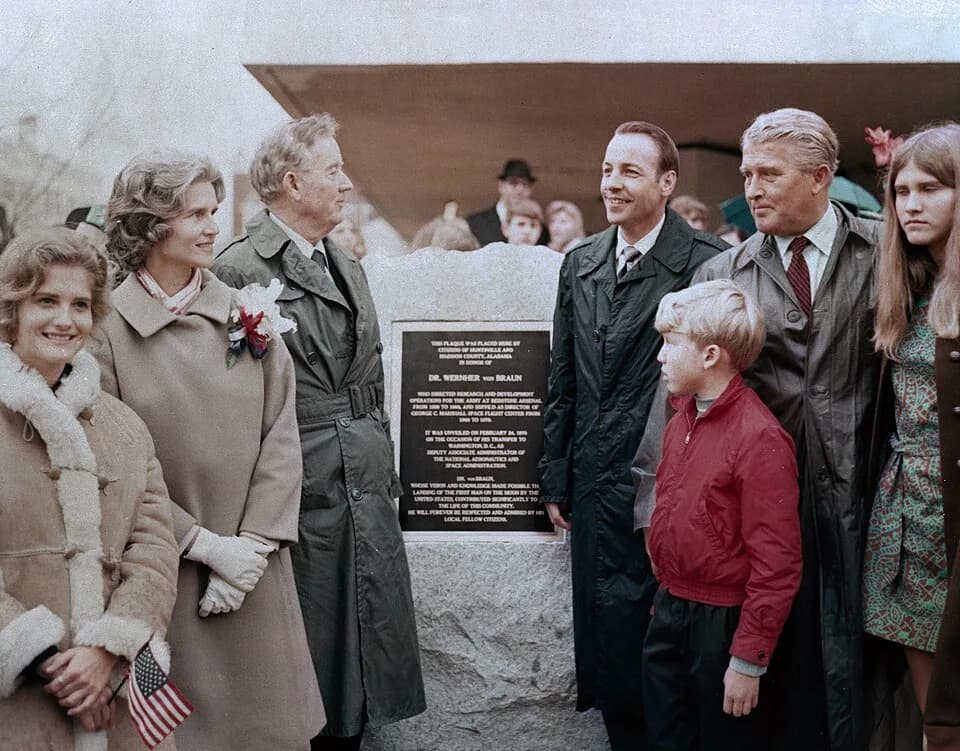
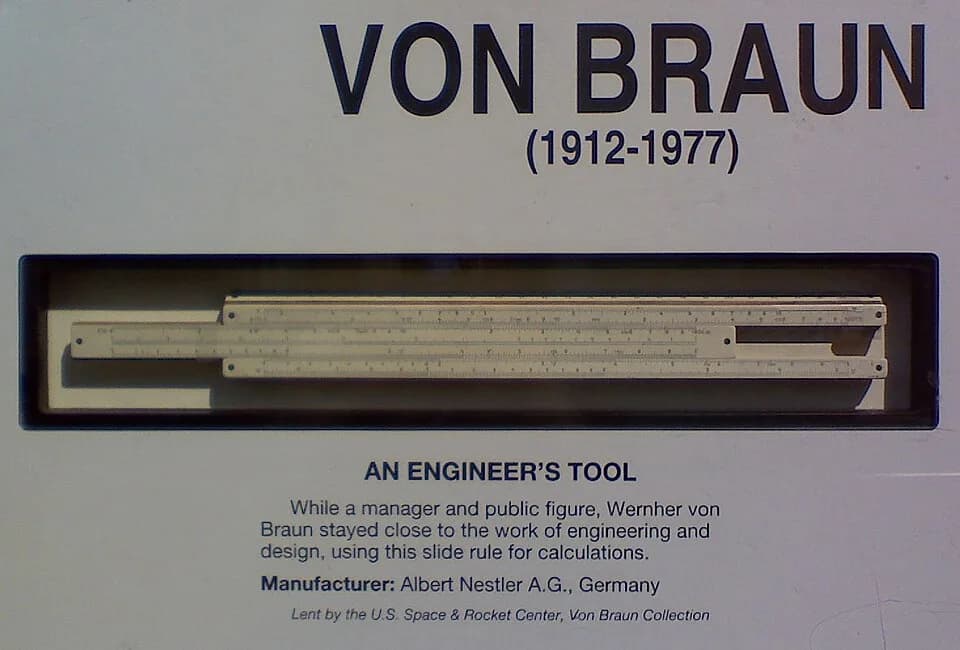
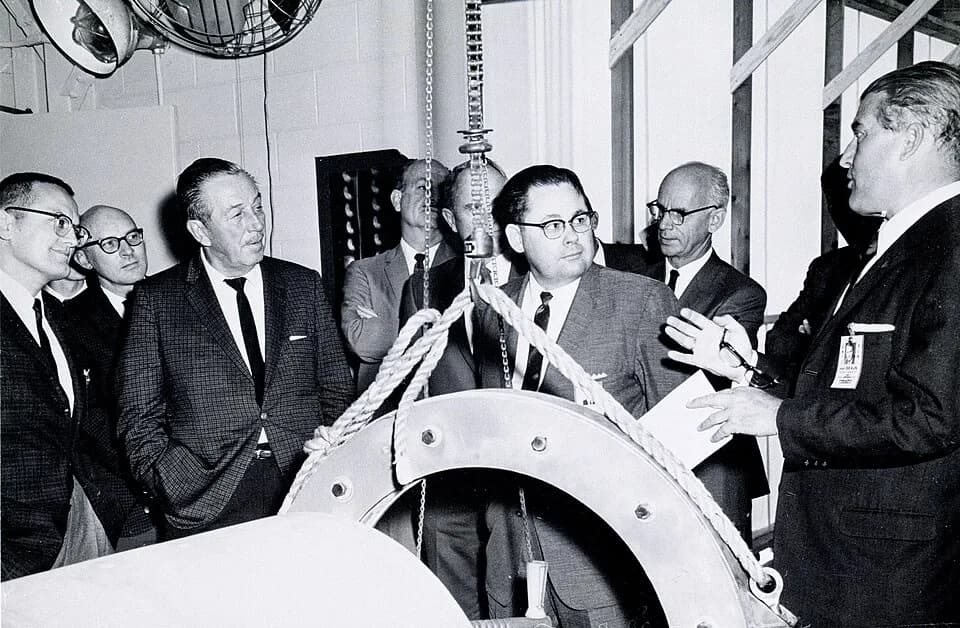
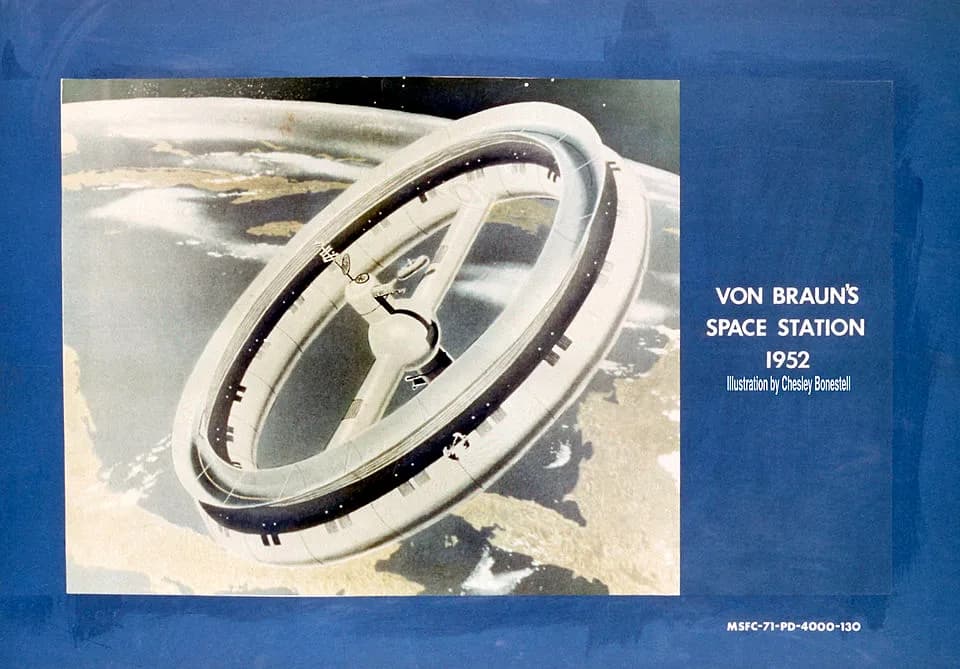
FAQ
常见问题
Wernher von Braun什么时候去世的?
Wernher von Braun于1977年6月16日在Alexandria, United States逝世,享年65岁。
Wernher von Braun出生在哪里?
Wernher von Braun于1912年3月23日出生于Wyrzysk, Poland。
Wernher von Braun最出名的是什么?
Wernher von Braun最为人所知的是German and later American aerospace engineer and space architect。
Wernher von Braun去世时多大年纪?
Wernher von Braun去世时65岁。
Wernher von Braun是哪国人?
Wernher von Braun来自Poland。
时间线
一生概览
- 1912
Opening
- 1912
Early Life and Origins
- 1977
Later Years
照片图库
影像中的人生
点击任意照片可放大 · 共 25 张
二维码
分享此生平
打印与分享
扫码访问此生平页面。可打印用于活动、展览或教学材料。