出生
June 23, 1925
Halifax, United Kingdom
逝世
January 10, 2017
Chapel Hill, United States
知名于
Biochemistry, genetics, Nobel Prize in Physiology or Medicine 2007
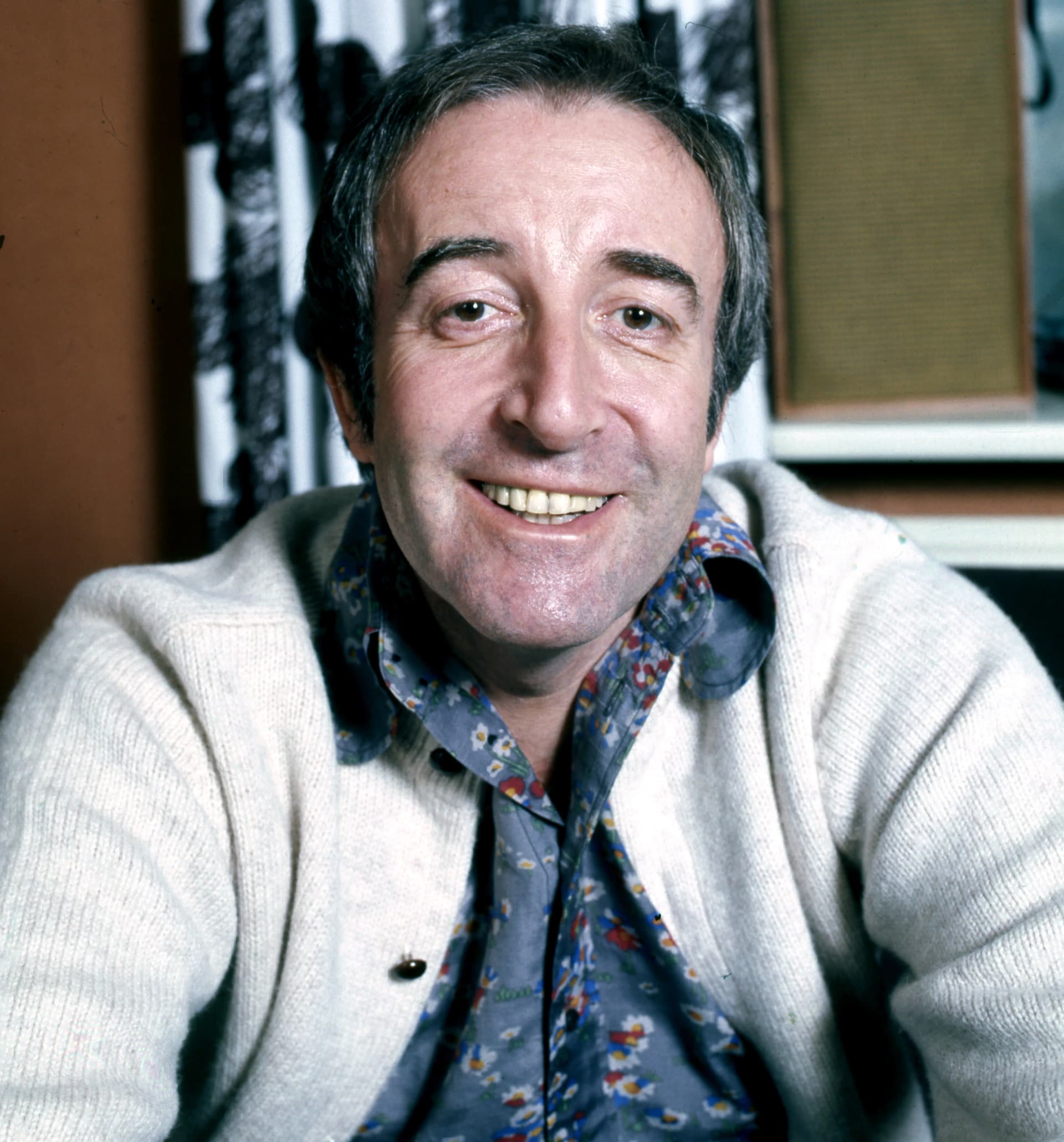
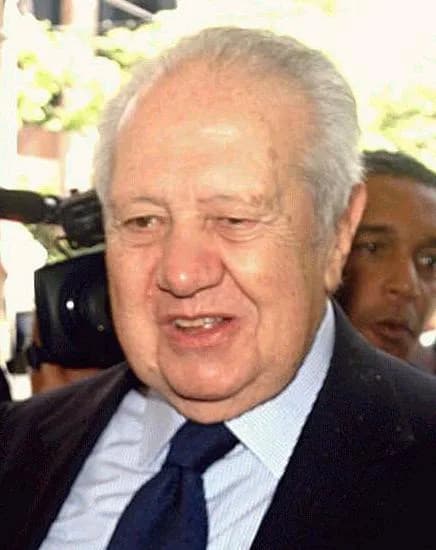
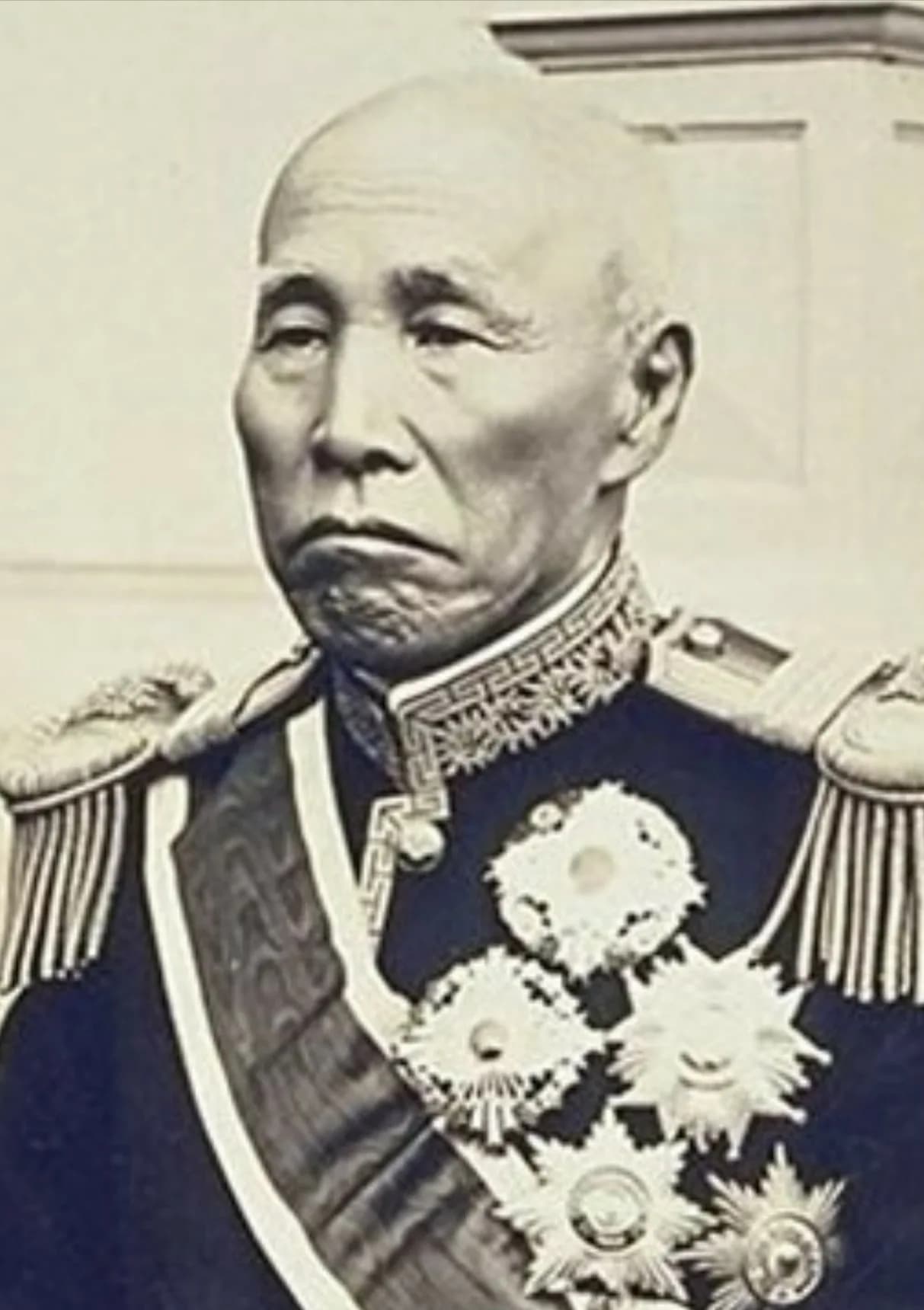
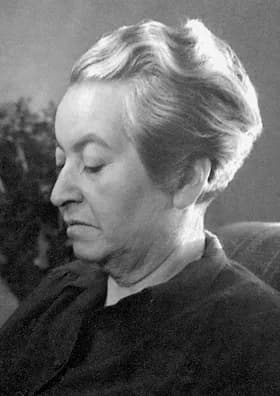
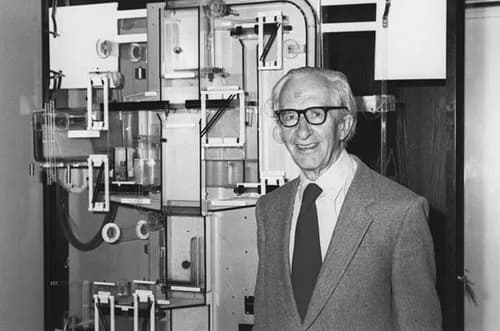
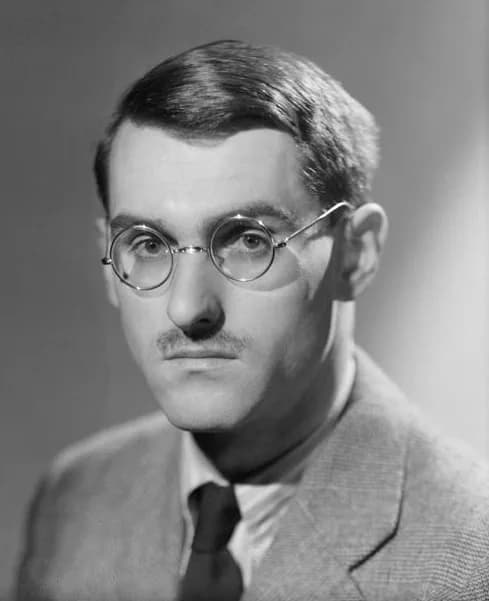
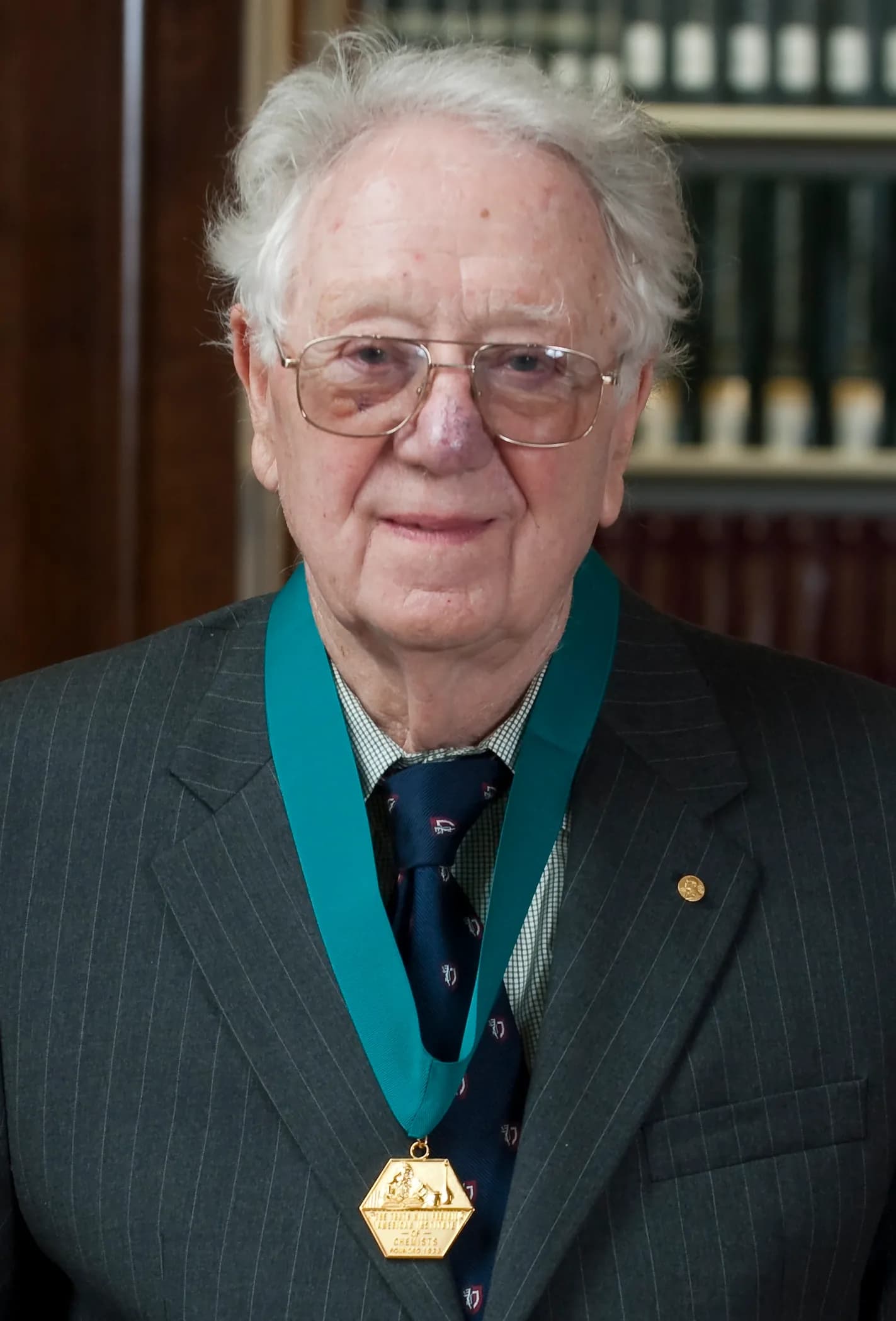
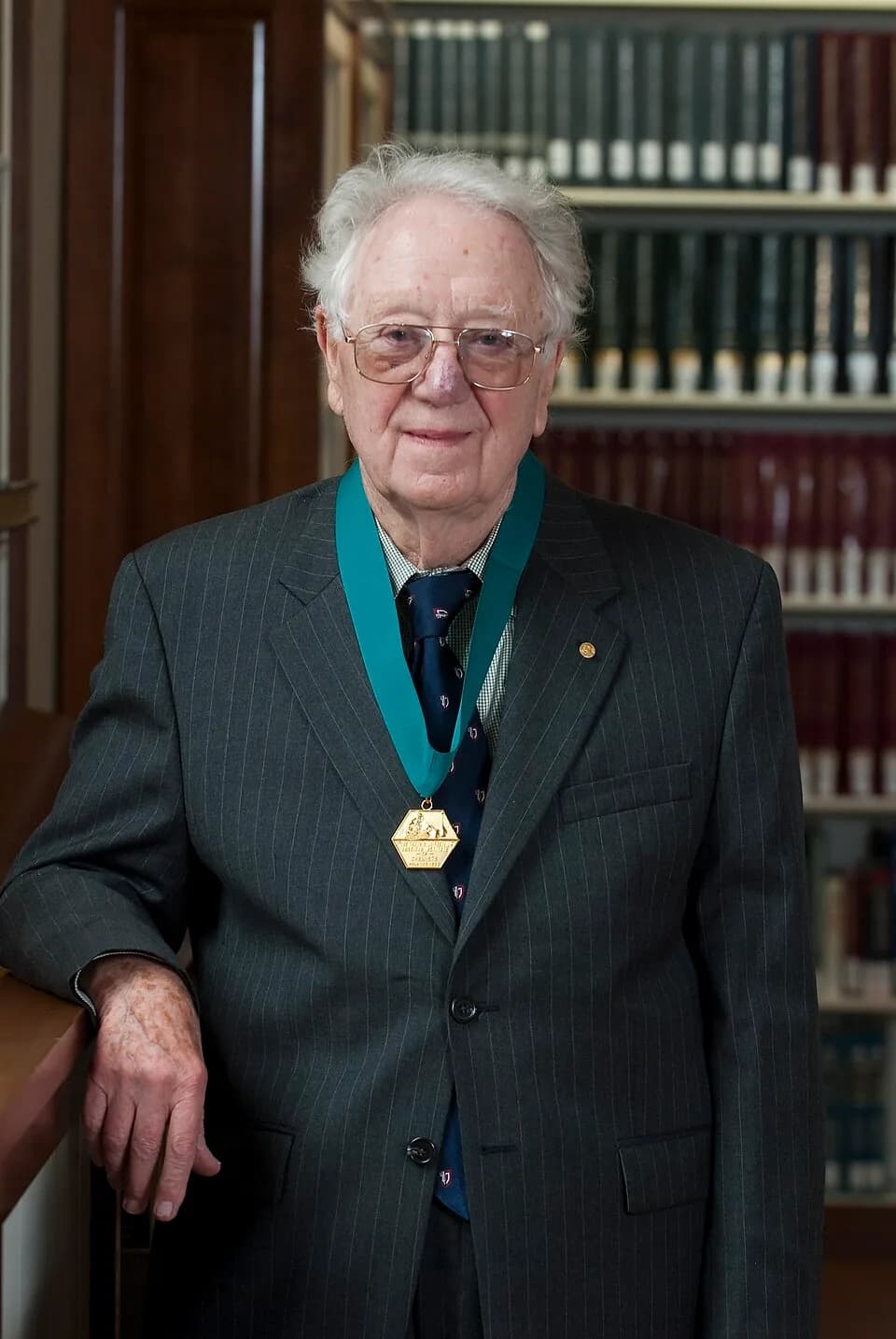
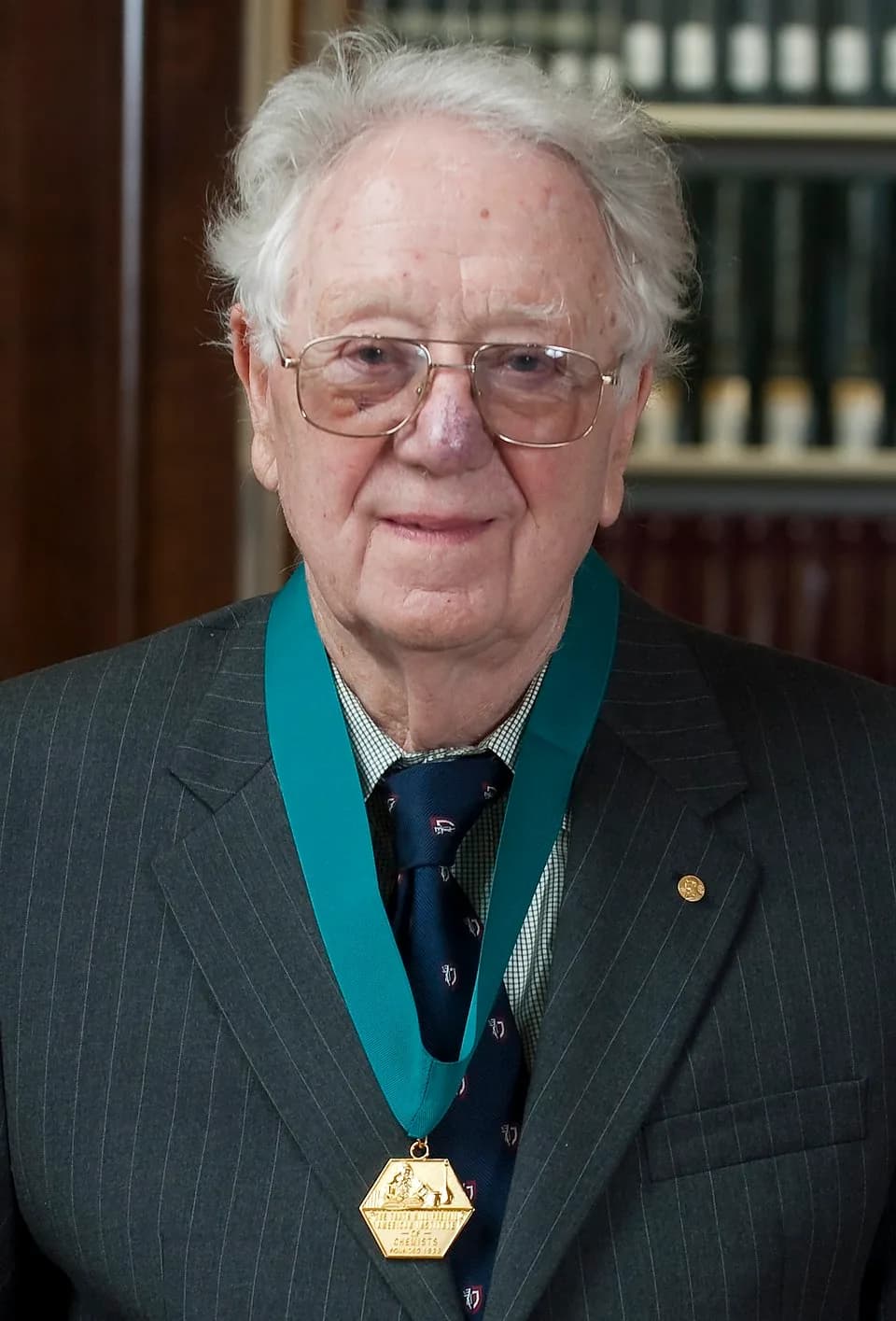
Oliver Smithies (1925–2017) was United Kingdom best known for Biochemistry, genetics, Nobel Prize in Physiology or Medicine 2007.
Oliver Smithies (June 23, 1925 – January 10, 2017) was a British-American geneticist and biochemist. He was awarded the Nobel Prize in Physiology or Medicine in 2007 for his co-discovery of the technique of homologous recombination, essential for gene targeting and knockout mice. His work revolutionized the study of gene function and disease modeling.
瞬间中的人生
塑造一生的那些瞬间


第 0 章
人生章节
第 1 章 · 1925· 第 1 章,共 7 章
Remembering Oliver Smithies: A Life of Scientific Innovation
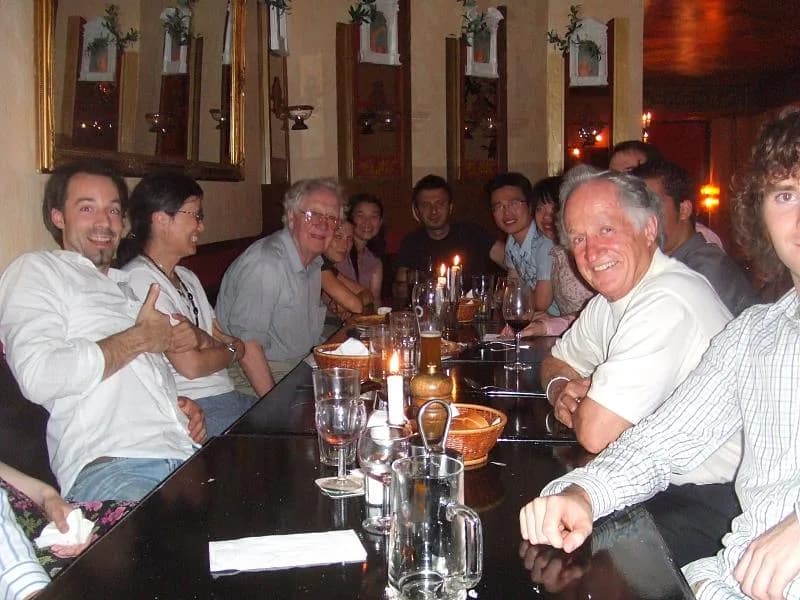
Oliver Smithies (June 23, 1925 – January 10, 2017) was a distinguished British-American biologist, university teacher, biochemist, and geneticist whose pioneering contributions fundamentally reshaped our understanding and manipulation of the animal genome. His groundbreaking work, which earned him the Nobel Prize in Physiology or Medicine in 2007, introduced revolutionary techniques for precise gene targeting and the creation of knockout mice. Through his meticulous research and innovative methodologies, Smithies provided invaluable tools that profoundly advanced medical science and disease research.
第 2 章 · 1925· 第 2 章,共 7 章
Early Life and Origins
Born on June 23, 1925, in Halifax, United Kingdom, Oliver Smithies began a journey that would ultimately lead him to become a prominent figure in the global scientific community. His early life in Halifax set the foundation for a career dedicated to unraveling the complexities of biology and genetics, fostering an intense intellectual curiosity from a young age. This keen interest in the natural world propelled him into academic pursuits that laid the groundwork for his future scientific endeavors and discoveries.
第 3 章 · 1955· 第 3 章,共 7 章
Career Beginnings
Smithies' scientific career began to flourish with a significant innovation in 1955 when he introduced starch as a reliable medium for gel electrophoresis, a method crucial for separating biological molecules. This technique greatly improved the resolution and analysis of proteins, offering unprecedented clarity in biochemical research at the time. His early work established him as an astute innovator, demonstrating a practical approach to scientific challenges that would characterize his later, even more impactful contributions to genetics.
第 4 章 · 2007· 第 4 章,共 7 章
Major Achievements and Career Highlights
A monumental achievement in Oliver Smithies' career was the co-discovery of the technique of homologous recombination of transgenic DNA with genomic DNA, a discovery he shared with Mario Capecchi and Martin Evans. This method represented a far more dependable and precise way to alter animal genomes compared to previously available techniques, enabling scientists to make targeted genetic modifications. This crucial development became the backbone for gene targeting and the subsequent creation of knockout mice, tools now indispensable in modern biological and medical research. For these profound discoveries and their lasting impact on biomedical science, Oliver Smithies was deservedly awarded the Nobel Prize in Physiology or Medicine in 2007.
The Nobel Committee specifically recognized their discoveries of principles for introducing specific gene modifications in mice by the use of embryonic stem cells, underscoring the revolutionary nature of their work. This honor celebrated a method that transformed the ability to study gene function, opening new avenues for understanding and treating human diseases. Smithies’ insights provided the scientific community with an unprecedented level of control over genetic manipulation, making possible detailed investigations into genetic disorders.
第 5 章 · 1997· 第 5 章,共 7 章
Notable Works and Contributions
Oliver Smithies' extensive and impactful body of work is reflected in his impressive publication record, which includes 21 significant papers and an h-index of 18, testifying to the influence of his research. Among his most cited publications is "Hypertension, cardiac hypertrophy, and sudden death in mice lacking natriuretic peptide receptor A," published in 1997 and accumulating 608 citations, highlighting his critical contributions to cardiovascular research and disease modeling. Another highly influential work, "A coagulation factor IX-deficient mouse model for human hemophilia B," also from 1997 with 299 citations, powerfully demonstrated the practical application of gene targeting in creating accurate models for human genetic conditions.
His research further explored complex metabolic conditions, as evidenced by "Mouse Models of Diabetic Nephropathy," published in 2009 and cited 271 times, showcasing his dedication to understanding and addressing significant human health challenges. Additional pivotal papers such as "Natriuretic peptide receptor 1 expression influences blood pressures of mice in a dose-dependent manner" (1998, 171 citations) and "Ventricular expression of natriuretic peptides in Npr1(-/-) mice with cardiac hypertrophy and fibrosis" (2002, 105 citations) further illustrate the remarkable breadth and enduring depth of his scientific contributions across various physiological systems.
第 6 章 · 2017· 第 6 章,共 7 章
Later Years
Oliver Smithies continued to contribute actively to the scientific community throughout his life, consistently bringing his unparalleled expertise and innovative spirit to new generations of researchers and ongoing projects. His later career was marked by continued engagement with cutting-edge research, reinforcing his status as a revered figure in biochemistry and genetics. He passed away peacefully on January 10, 2017, in Chapel Hill, United States, leaving behind a profound and lasting legacy of scientific advancement and discovery.
第 7 章· 第 7 章,共 7 章
Legacy and Impact
The legacy of Oliver Smithies is deeply embedded in contemporary genetics and medicine, primarily through the widespread adoption and continuous evolution of gene targeting technology. His pioneering development of knockout mice models has allowed scientists worldwide to precisely investigate the functions of specific genes and their intricate roles in the pathogenesis of various diseases. The foundational principles he meticulously established continue to inform and inspire new discoveries, making targeted genetic modification an indispensable cornerstone of modern biomedical research and drug development. His work not only revolutionized how we approach the study of disease but also opened significant new avenues for potential therapeutic interventions and a deeper understanding of life itself.
FAQ
常见问题
Oliver Smithies什么时候去世的?
Oliver Smithies于2017年1月10日在Chapel Hill, United States逝世,享年91岁。
Oliver Smithies出生在哪里?
Oliver Smithies于1925年6月23日出生于Halifax, United Kingdom。
Oliver Smithies最出名的是什么?
Oliver Smithies最为人所知的是Biochemistry, genetics, Nobel Prize in Physiology or Medicine 2007。
Oliver Smithies去世时多大年纪?
Oliver Smithies去世时91岁。
Oliver Smithies是哪国人?
Oliver Smithies来自United Kingdom。
照片图库
影像中的人生
点击任意照片可放大 · 共 23 张
二维码
分享此生平
打印与分享
扫码访问此生平页面。可打印用于活动、展览或教学材料。