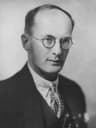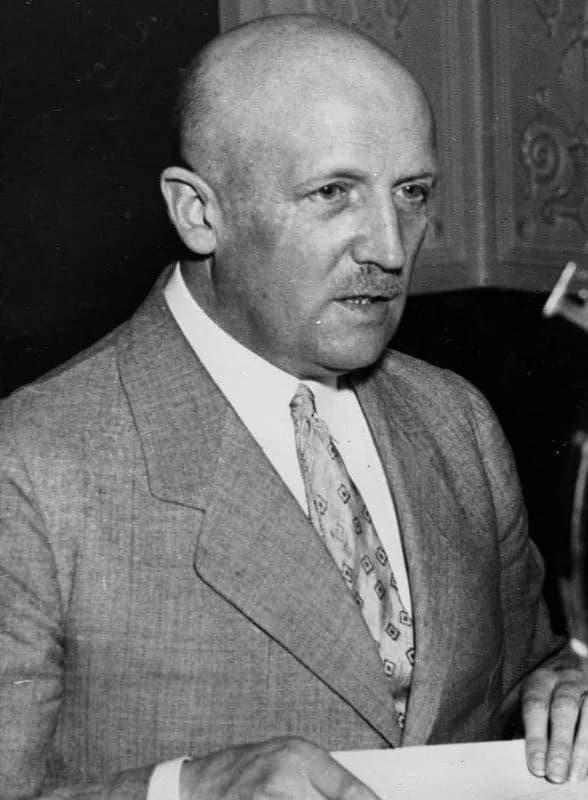
出生
April 7, 1882
Brandenburg an der Havel, Germany
逝世
June 30, 1934
Neubabelsberg, Germany
知名于
German chancellor
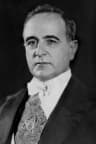
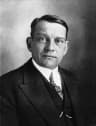
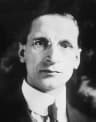
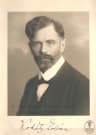
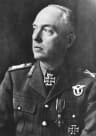
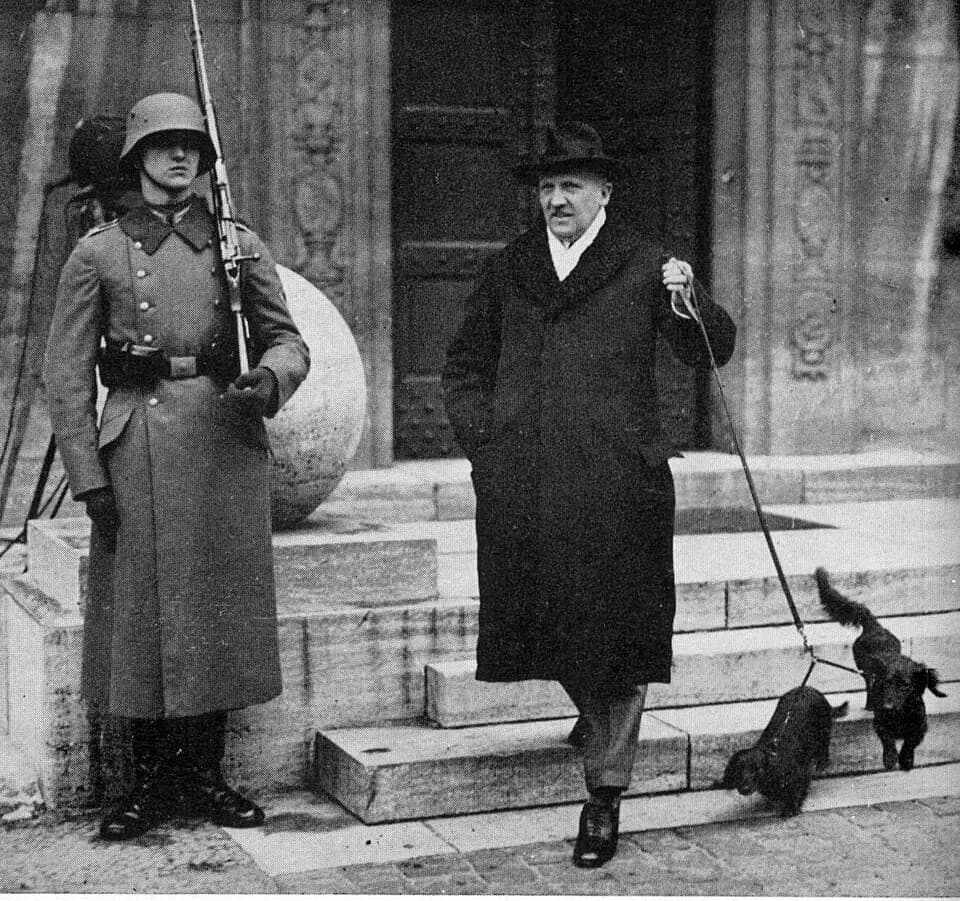
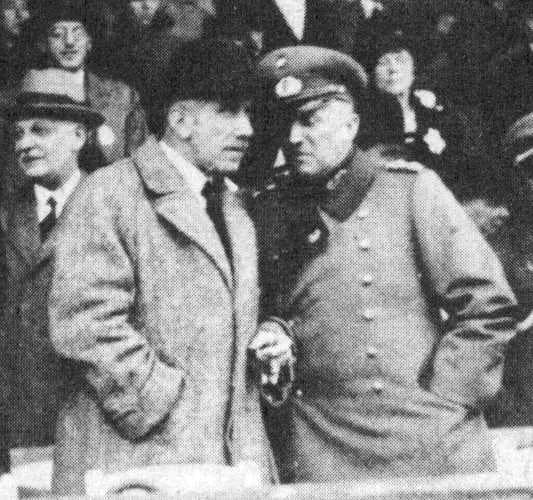
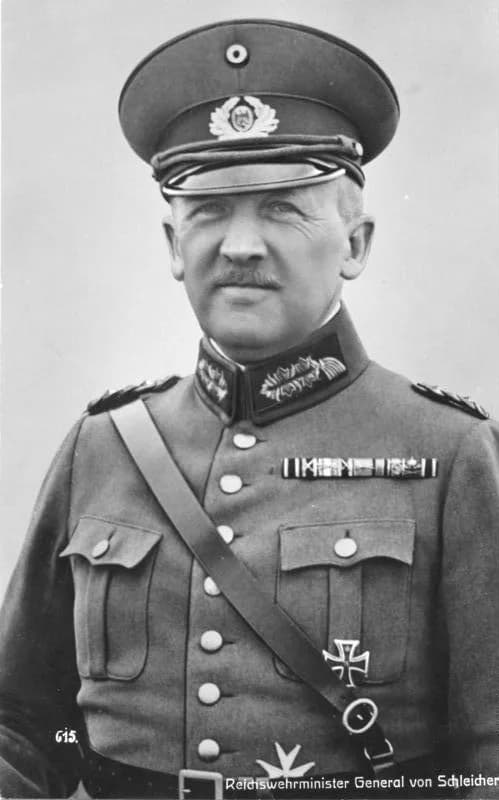
Kurt von Schleicher (1882–1934) was Germany best known for German chancellor.
Kurt Ferdinand Friedrich Hermann von Schleicher (April 7, 1882 – June 30, 1934) was a German military officer and politician from Brandenburg an der Havel. He served as the penultimate chancellor of Germany during the Weimar Republic, known for his rivalry with Adolf Hitler. His life ended tragically with his assassination by the SS during the Night of the Long Knives.
第 0 章
人生章节
第 1 章 · 1882· 第 1 章,共 5 章
Early Life and Military Foundation
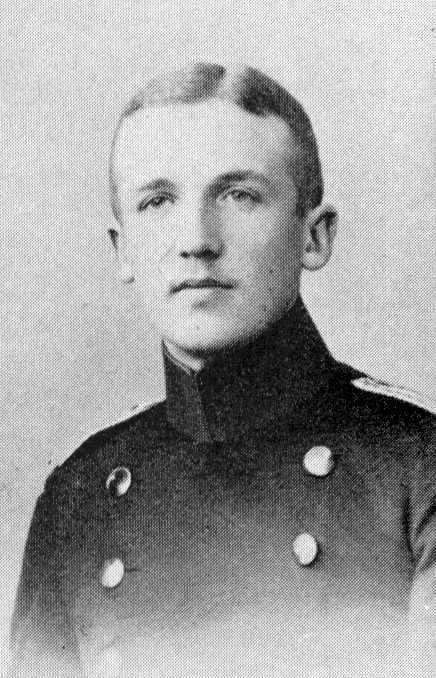
Born on April 7, 1882, in Brandenburg an der Havel, Germany, Kurt von Schleicher entered a world undergoing rapid modernization and political change. His upbringing likely instilled a strong sense of duty and discipline, common traits among German military families of that era. While extensive details of his early family life remain less documented, his social standing provided a clear path into the armed forces.
Schleicher embarked on a distinguished military career, a traditional and respected profession for young men from his background. He developed a deep understanding of military strategy and political maneuvering through his service. These formative experiences within the Imperial German Army laid the crucial groundwork for his subsequent rise to national influence.
第 2 章· 第 2 章,共 5 章
Ascension in the Weimar Republic
Following World War I and the establishment of the Weimar Republic, Kurt von Schleicher's influence within the Reichswehr (German armed forces) grew considerably. He became known as a shrewd political operator, adept at navigating the complex and often fractured landscape of post-war German politics. His strategic mind allowed him to forge alliances and exert significant sway behind the scenes.
His role evolved from purely military strategy to active political engagement, often acting as a bridge between the army and civilian government. This transition highlighted his unique position and his understanding of the interconnectedness of military power and political stability. Schleicher's skill in this arena made him a critical, if sometimes controversial, figure in various Weimar governments.
第 3 章· 第 3 章,共 5 章
Chancellorship and Political Landscape
Kurt von Schleicher ultimately ascended to the highest political office, serving as the penultimate chancellor of Germany during the Weimar Republic. His chancellorship, though brief, was marked by desperate attempts to stabilize a nation reeling from economic depression and political extremism. He sought to form a broad-based government capable of addressing the severe national crises.
During his time as chancellor, Schleicher grappled with the immense challenges of governing a deeply divided Germany. He faced increasing pressure from both the far-left and far-right, particularly from the rising Nazi Party. His tenure represented a final, albeit ultimately unsuccessful, effort to prevent the collapse of democratic institutions.
第 4 章· 第 4 章,共 5 章
Rivalry and the End of an Era
The early 1930s saw Kurt von Schleicher become a direct rival for power with Adolf Hitler, whose Nazi movement was rapidly gaining momentum. Schleicher's attempts to outmaneuver Hitler politically were intense, reflecting the high stakes for the future of Germany. This fierce struggle underscored the desperate fight for control during a pivotal moment in history.
Tragically, this rivalry culminated in Schleicher's assassination on June 30, 1934, in Neubabelsberg, Germany. He was targeted and murdered by Hitler's Schutzstaffel (SS) during the infamous Night of the Long Knives, a brutal purge designed to eliminate political opponents. His death symbolized the violent suppression of dissent as the Nazi regime consolidated its power.
第 5 章· 第 5 章,共 5 章
Legacy and Historical Echoes
Kurt von Schleicher's legacy is inextricably linked to the final demise of the Weimar Republic and the dark shadow of Nazism's ascent. As a key figure in the transition of power, his actions and ultimate fate serve as a stark reminder of the fragility of democracy in the face of extremism. His life offers valuable insights into the complex political dynamics of early 20th-century Germany.
His tragic end underscores the ruthless nature of the Nazi regime and its determination to eliminate all perceived threats. Historians continue to analyze his strategies and decisions, seeking to understand the missed opportunities and the inevitable forces that led to Germany's darkest chapter. Schleicher remains a significant, albeit somber, figure in the narrative of interwar Europe.
瞬间中的人生
塑造一生的那些瞬间
FAQ
常见问题
Kurt von Schleicher什么时候去世的?
Kurt von Schleicher于1934年6月30日在Neubabelsberg, Germany逝世,享年52岁。
Kurt von Schleicher出生在哪里?
Kurt von Schleicher于1882年4月7日出生于Brandenburg an der Havel, Germany。
Kurt von Schleicher最出名的是什么?
Kurt von Schleicher最为人所知的是German chancellor。
Kurt von Schleicher去世时多大年纪?
Kurt von Schleicher去世时52岁。
Kurt von Schleicher是哪国人?
Kurt von Schleicher来自Germany。
时间线
一生概览
照片图库
影像中的人生
点击任意照片可放大 · 共 49 张
二维码
分享此生平
打印与分享
扫码访问此生平页面。可打印用于活动、展览或教学材料。