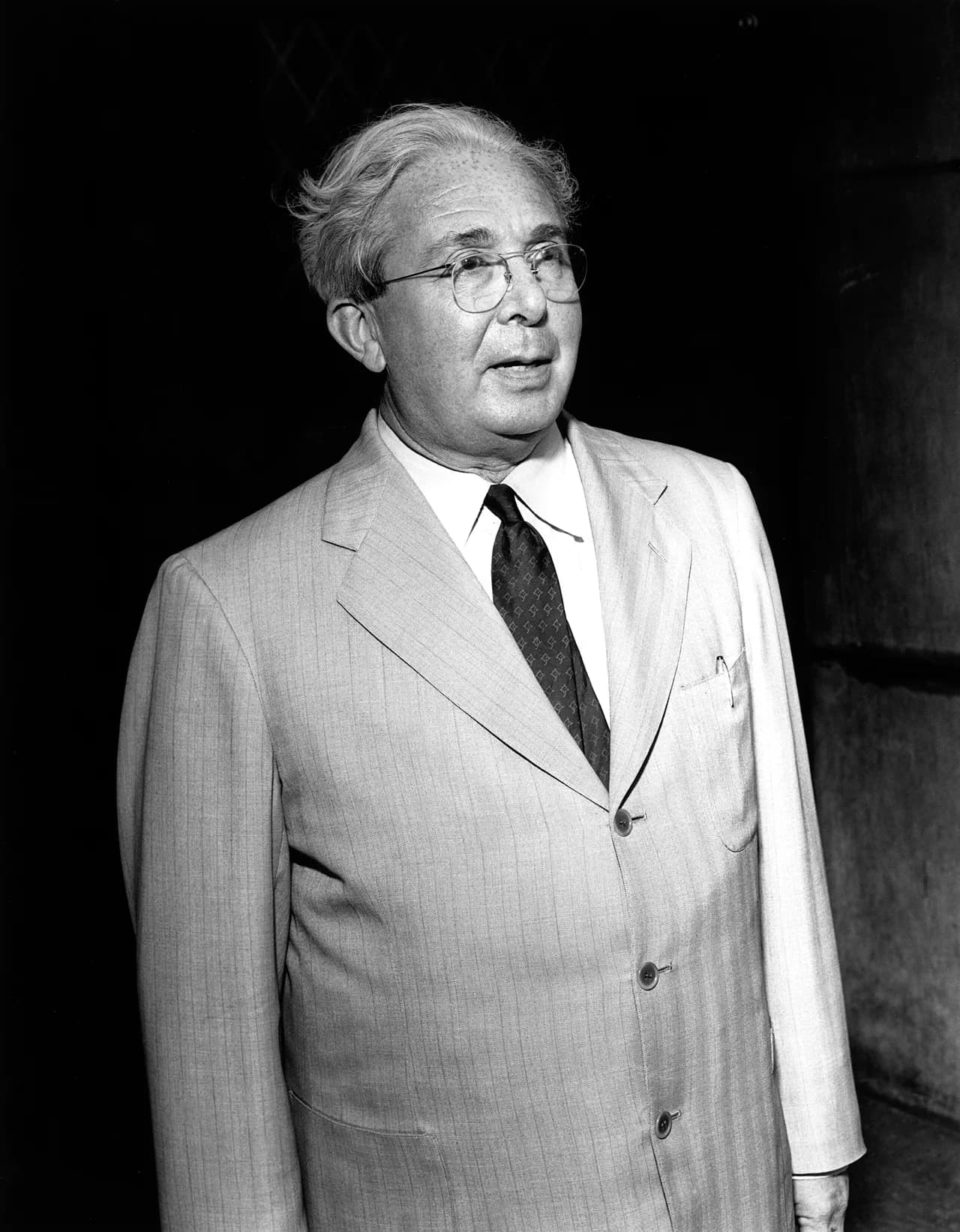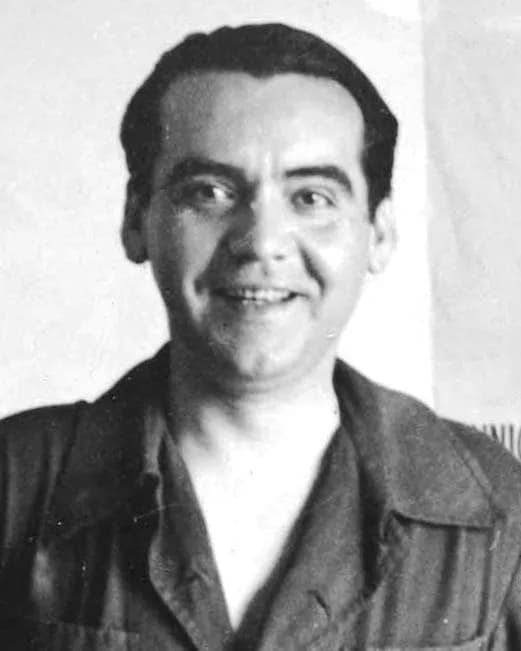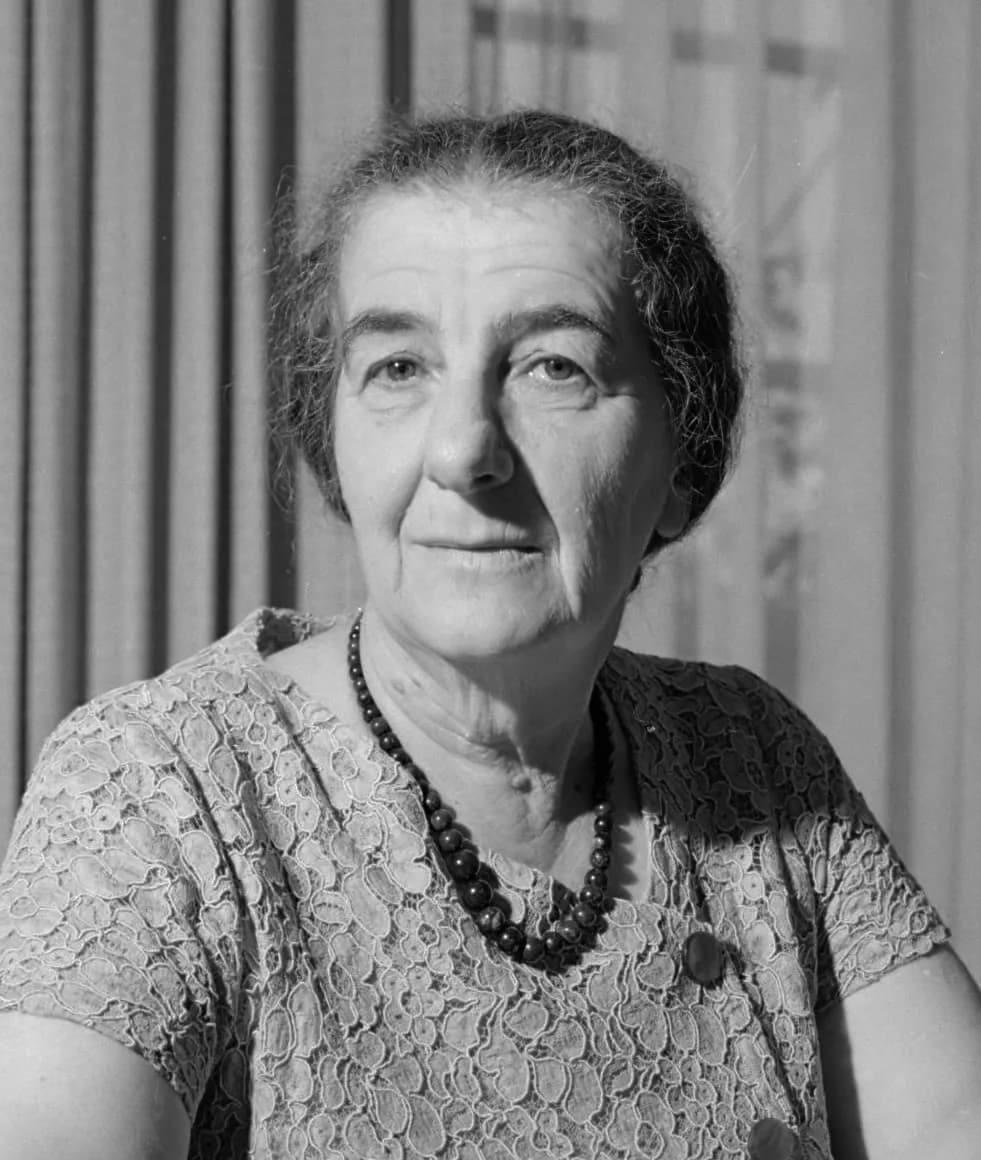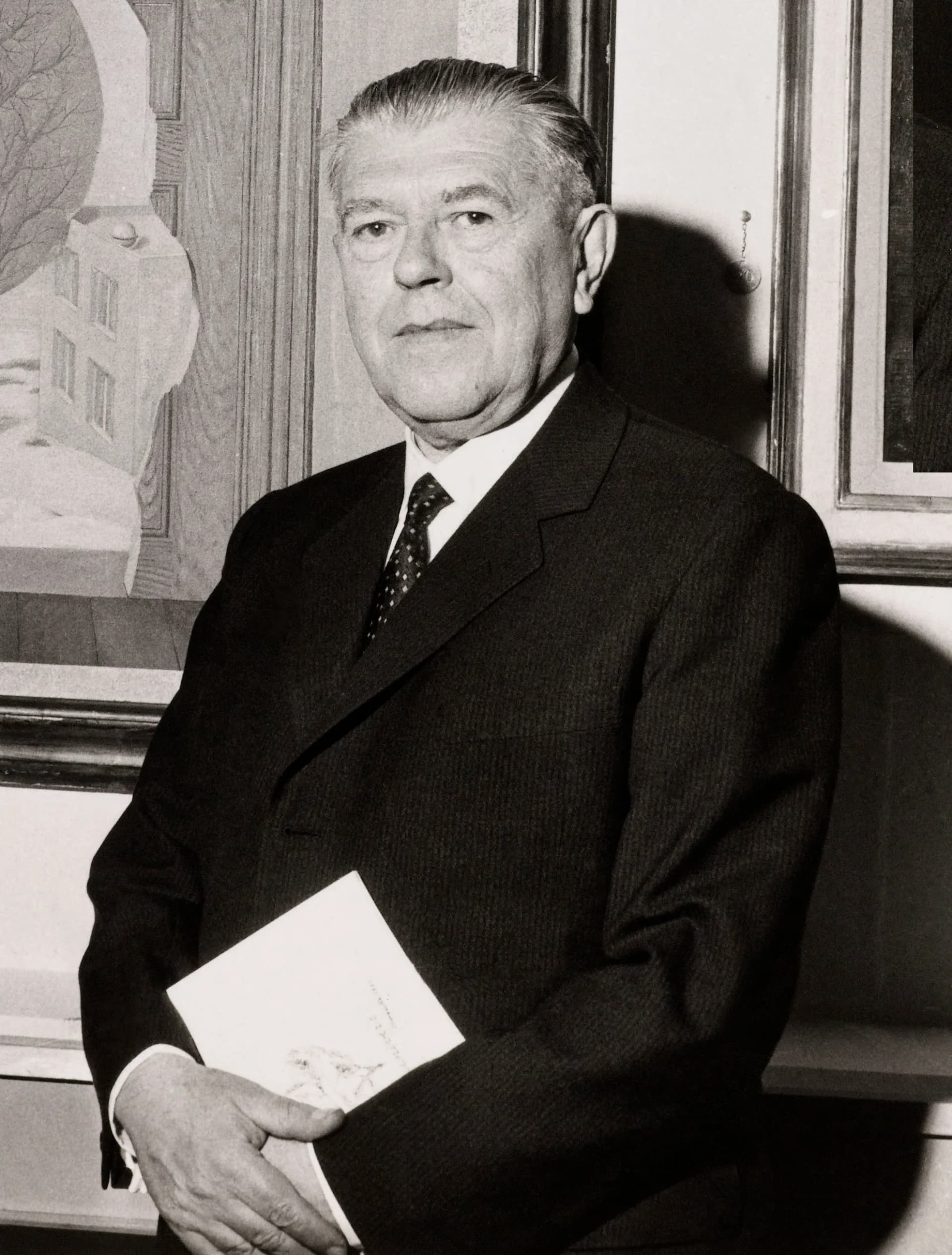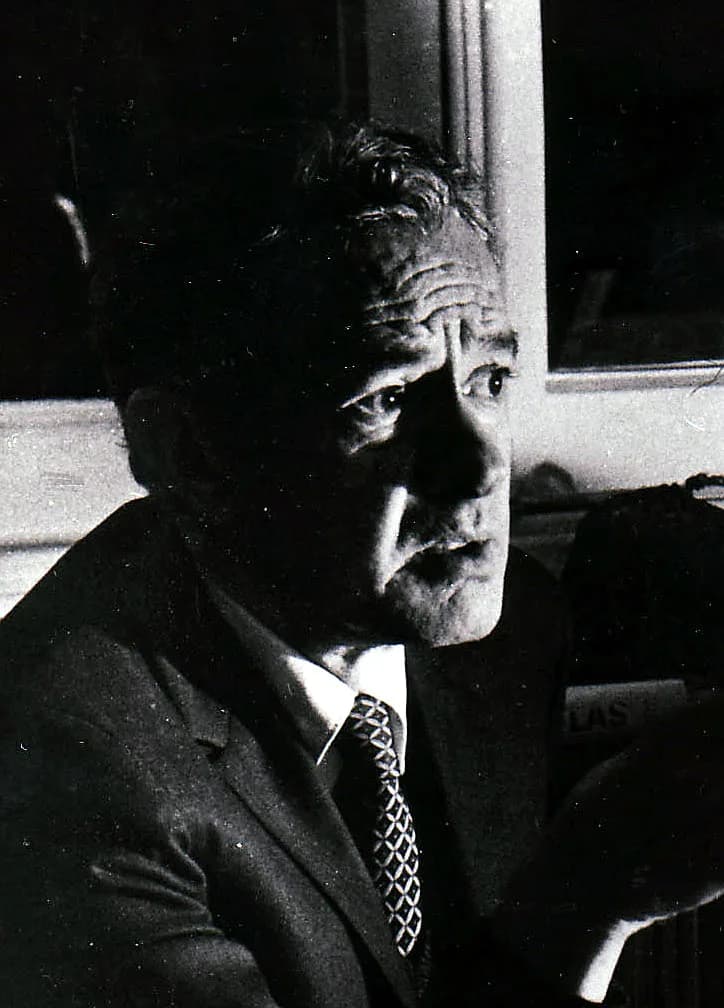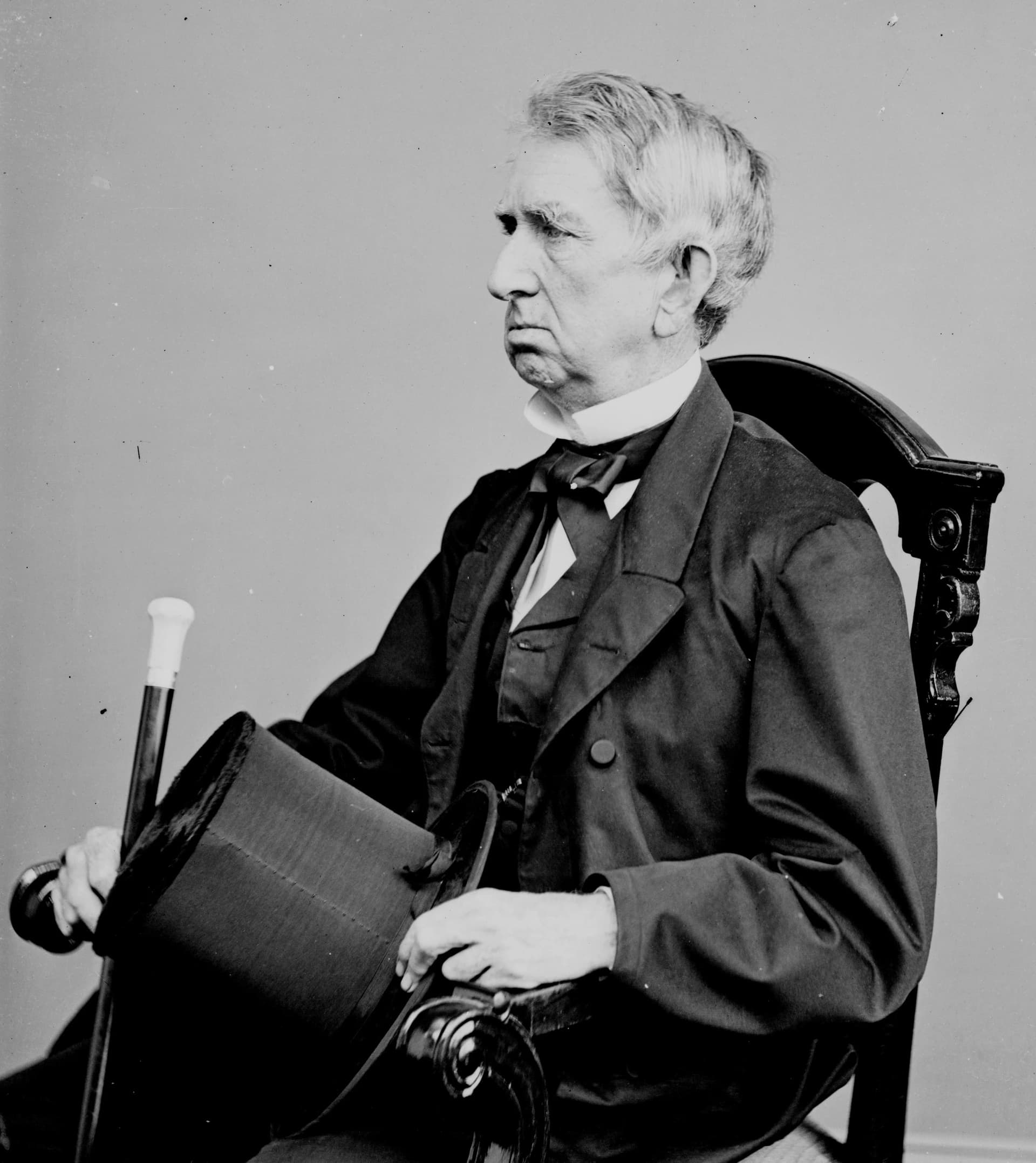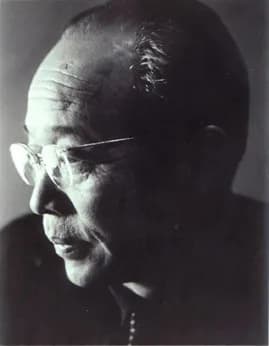
出生
May 16, 1898
Tokyo, Japan
逝世
August 24, 1956
Kyoto, Japan
知名于
Japanese film director and screenwriter
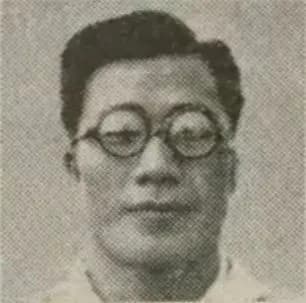
Kenji Mizoguchi (1898–1956) was Japan best known for Japanese film director and screenwriter.
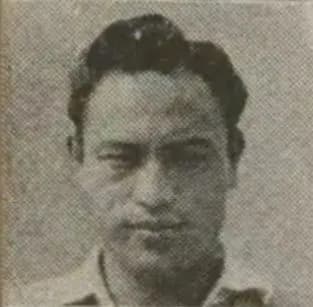
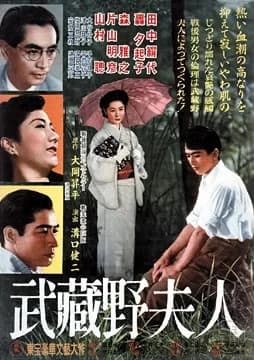
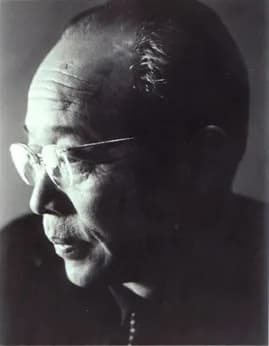
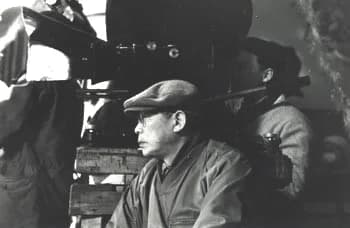
Kenji Mizoguchi (May 16, 1898 – August 24, 1956) was a Japanese film director and screenwriter from Tokyo. He directed nearly one hundred films, often exploring the oppression of women in Japan. Mizoguchi is considered a key figure of the "golden age" of Japanese cinema, alongside Akira Kurosawa and Yasujirō Ozu.
瞬间中的人生
塑造一生的那些瞬间
第 0 章
人生章节
第 1 章 · 1898· 第 1 章,共 7 章
Introduction
Kenji Mizoguchi (1898–1956) was a highly respected Japanese film director and screenwriter whose extensive body of work significantly shaped the cinematic arts. Born in Tokyo, Japan, his career spanned over three decades, contributing nearly one hundred films to the global film canon. He is remembered as a master storyteller, particularly for his nuanced portrayals of women in Japanese society.
第 2 章 · 1898· 第 2 章,共 7 章
Early Life and Origins
Kenji Mizoguchi was born on May 16, 1898, in Tokyo, Japan. Details about his early family life and specific upbringing are not extensively documented in the provided information. However, his formative years in the vibrant cultural landscape of Tokyo undoubtedly influenced his artistic sensibilities.
第 3 章 · 1923· 第 3 章,共 7 章
Career Beginnings
Mizoguchi began his remarkable career in filmmaking in 1923, marking the start of a prolific period that would last for over thirty years. From his debut until his passing in 1956, he meticulously directed approximately one hundred films. His early work established a foundation for the sophisticated narrative and visual style he would become renowned for.
第 4 章 · 1939· 第 4 章,共 7 章
Major Achievements and Career Highlights
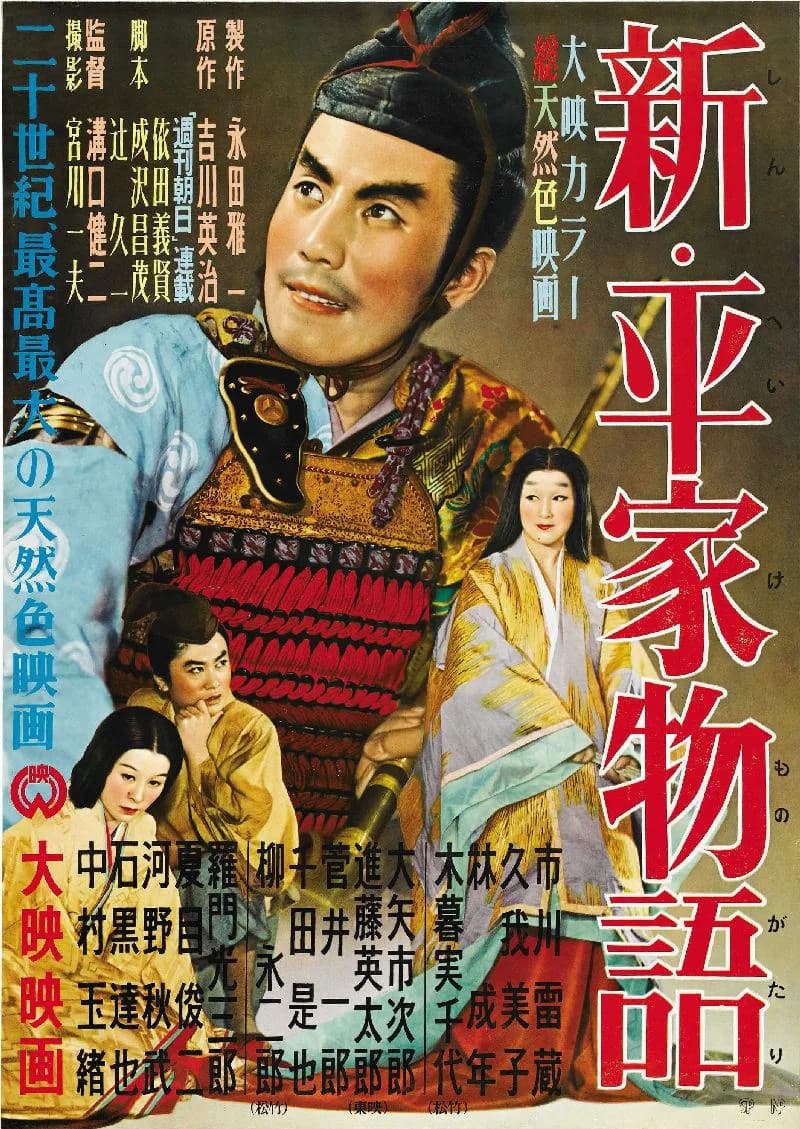
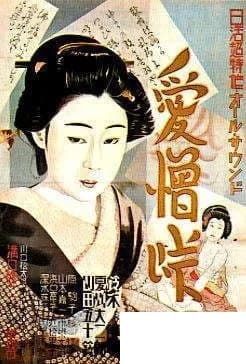
Throughout his career, Kenji Mizoguchi garnered significant international acclaim for his distinctive approach to filmmaking. His early standout work, "The Story of the Last Chrysanthemums," released in 1939, demonstrated his developing artistic voice. Later, he achieved international recognition with a series of films that earned prestigious awards at the Venice International Film Festival.
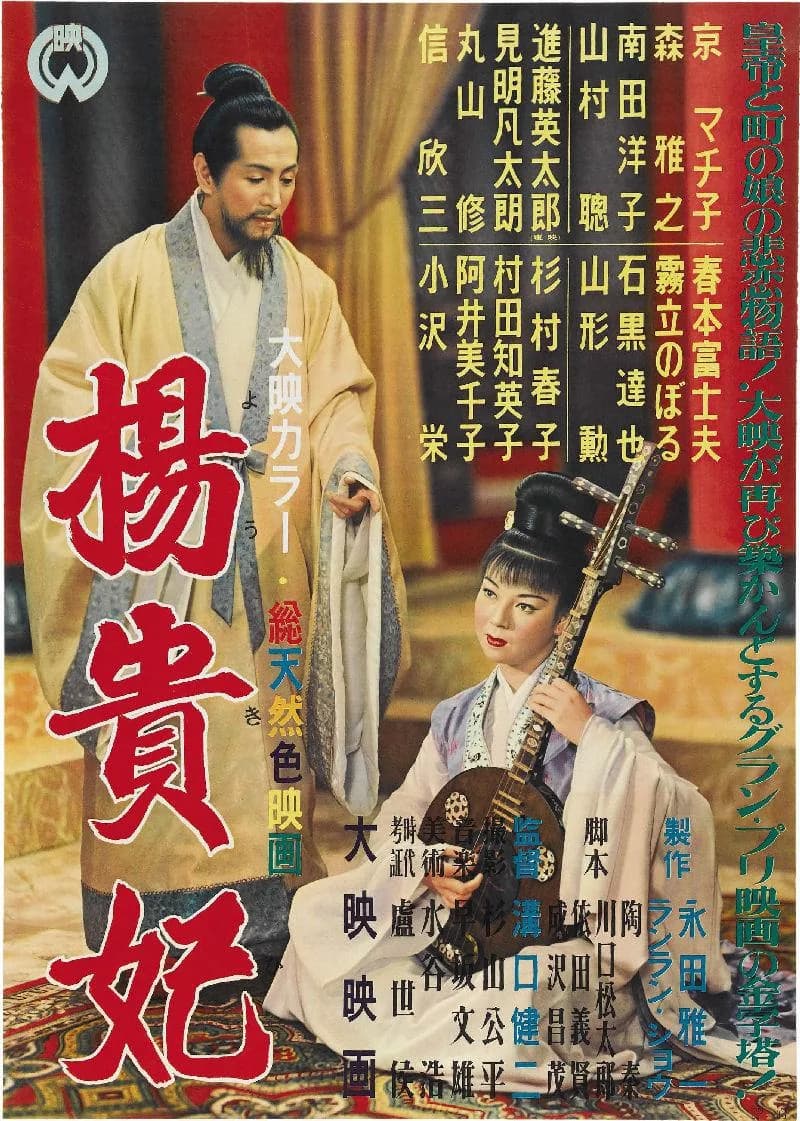
These acclaimed international works included "The Life of Oharu" (1952), "Ugetsu" (1953), and "Sansho the Bailiff" (1954), each celebrated for their artistic merit and thematic depth. A consistent and central theme across many of his films was the portrayal of the oppression faced by women, examining their struggles in both historical and contemporary Japanese settings. His commitment to exploring these societal issues lent significant weight and social commentary to his artistic output.
第 5 章 · 1939· 第 5 章,共 7 章
Notable Works or Contributions
Kenji Mizoguchi's legacy is firmly cemented by a collection of films that continue to be studied and admired worldwide. His 1939 film, "The Story of the Last Chrysanthemums," is often cited as an early example of his refined narrative style. The period of 1952 to 1954 saw the release of some of his most celebrated creations, securing his place on the international stage.
These works, including "The Life of Oharu" (1952), "Ugetsu" (1953), and "Sansho the Bailiff" (1954), are particularly remembered for their artistic excellence. Each of these later films received awards at the esteemed Venice International Film Festival, showcasing his consistent ability to produce critically successful cinema. The director's keen focus on the challenges and constraints experienced by women across different eras in Japan remained a defining characteristic of his storytelling.
第 6 章 · 1956· 第 6 章,共 7 章
Later Years
Kenji Mizoguchi continued his active filmmaking career up until his final years. He passed away on August 24, 1956, in Kyoto, Japan, leaving behind an extensive and influential filmography. His commitment to his craft remained unwavering throughout his life, culminating in a body of work that left a significant imprint on cinema.
第 7 章· 第 7 章,共 7 章
Legacy and Impact
Kenji Mizoguchi is recognized as a central figure in what is often referred to as the "golden age" of Japanese cinema. His contributions are frequently mentioned alongside those of other legendary directors like Akira Kurosawa and Yasujirō Ozu. This recognition underscores his significance in shaping the identity and artistic direction of Japanese filmmaking during a crucial period.
His nearly one hundred films established a powerful artistic voice, distinguished by its visual artistry and deep thematic exploration. Mizoguchi's enduring influence is seen in his lasting artistic reputation and the continued study of his works by film enthusiasts and scholars around the globe. His films offer enduring insights into human experience and social dynamics.
FAQ
常见问题
Kenji Mizoguchi什么时候去世的?
Kenji Mizoguchi于1956年8月24日在Kyoto, Japan逝世,享年58岁。
Kenji Mizoguchi出生在哪里?
Kenji Mizoguchi于1898年5月16日出生于Tokyo, Japan。
Kenji Mizoguchi最出名的是什么?
Kenji Mizoguchi最为人所知的是Japanese film director and screenwriter。
Kenji Mizoguchi去世时多大年纪?
Kenji Mizoguchi去世时58岁。
Kenji Mizoguchi是哪国人?
Kenji Mizoguchi来自Japan。
照片图库
影像中的人生
点击任意照片可放大 · 共 17 张
二维码
分享此生平
打印与分享
扫码访问此生平页面。可打印用于活动、展览或教学材料。